Get the latest garden guides in your inbox →
Gardening Latest
  • General Gardening
  • Lawn Care
  • Plant Care
  • Composting
  • Soil Health
  • Backyard
  • Garden Muse Magazine
  • General Gardening
  • Lawn Care
  • Plant Care
  • Composting
  • Soil Health
  • Backyard
  • Garden Muse Magazine
  • News
  • Gardening Calendar
  • Garden Structures
  • Vegetable Garden
  • Vertical Garden
  • Raised Beds
  • Hydroponics
  • General Equipment
  • Community Gardens
Garden Themes
  • Spiritual Garden
  • Hydroseeding
  • Seeding and Laying Sod
  • Artificial Grass
  • Lawn Care Equipment
  • Plants
  • Trees
  • Planting Tools
  • Composting Basics
  • Fertilizer
  • Alternative Growing Mediums
  • Front Yard
  • Backyard Activities
  • Landscaping
Gardening Latest

Explore by state

Which state is your garden in?

Currently viewing Michigan

All states

Northeast

  • Connecticut —
  • Delaware 40
  • Maine —
  • Maryland 26
  • Massachusetts 43
  • New Hampshire —
  • New Jersey 27
  • New York 36
  • Pennsylvania 36
  • Rhode Island —
  • Vermont —

Southeast

  • Alabama 26
  • Arkansas —
  • Florida 26
  • Georgia 27
  • Kentucky 40
  • Louisiana 25
  • Mississippi —
  • North Carolina 25
  • South Carolina 39
  • Tennessee 23
  • Virginia 26
  • West Virginia —

Midwest

  • Illinois 25
  • Indiana 28
  • Iowa 39
  • Kansas —
  • Michigan 27
  • Minnesota 25
  • Missouri 25
  • Nebraska —
  • North Dakota —
  • Ohio 27
  • South Dakota —
  • Wisconsin 41

Southwest

  • Arizona 26
  • Colorado —
  • Nevada —
  • New Mexico —
  • Oklahoma —
  • Texas 25
  • Utah —

West

  • Alaska —
  • California 26
  • Hawaii —
  • Idaho —
  • Montana —
  • Oregon —
  • Washington —
  • Wyoming —

No state matches that search.

Site menu

Gardening Latest
  • General Gardening
    • News
    • Gardening Calendar
    • Garden Structures
    • Vegetable Garden
    • Vertical Garden
    • Raised Beds
    • Hydroponics
    • General Equipment
    • Community Gardens
    Garden Themes
    • Spiritual Garden
  • Lawn Care
    • Hydroseeding
    • Seeding and Laying Sod
    • Artificial Grass
    • Lawn Care Equipment
  • Plant Care
    • Plants
    • Trees
    • Planting Tools
  • Composting
    • Composting Basics
  • Soil Health
    • Fertilizer
    • Alternative Growing Mediums
  • Backyard
    • Front Yard
    • Backyard Activities
    • Landscaping
  • Garden Muse Magazine

Explore

  • About GardeningLatest.com
  • Contact Us

Get the latest from the garden

New guides on lawn care, plants and backyard projects, sent when they go up.

Subscribe →

Follow

  • Facebook
  • X
  • Pinterest
  • YouTube
Michigan Gardening

Michigan Gardeners Keep Running From These 7 Critters That Look Venomous but Are Totally Harmless

You reach for a weed, and something wiggles, buzzes, or slithers right next to your hand.

NL

By Nora Lindqvist

November 27, 2026 · 5 min read

Michigan Gardeners Keep Running From These 7 Critters That Look Venomous but Are Totally Harmless

You reach for a weed, and something wiggles, buzzes, or slithers right next to your hand. Your heart jumps, and you back away fast.

Many Michigan gardeners have done this exact dance, but most of the scary-looking creatures in our yards cannot hurt us at all. Learning who is friend and who is foe can save you a lot of panic and even help your garden grow better.

At a glance

Where
Michigan Gardening
Hardiness zone
6 −10 to 0°F
Read
5 minutes
Published
November 27, 2026

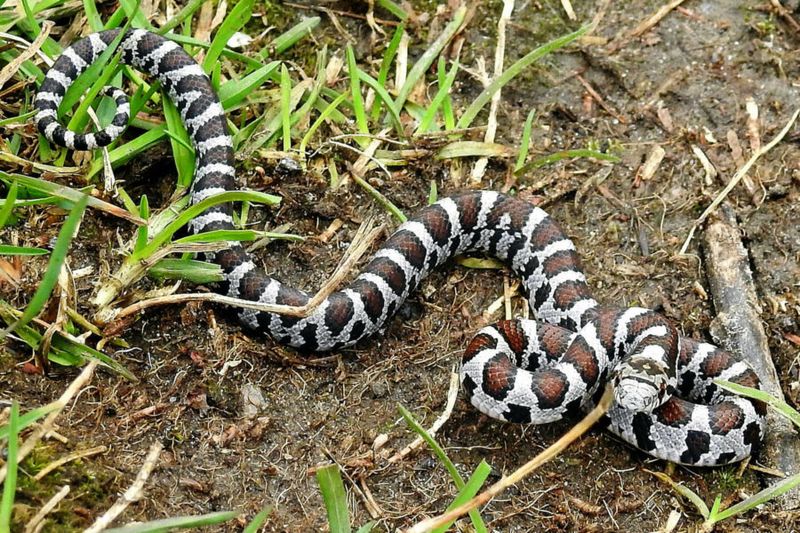
1. Eastern Milksnake

Eastern Milksnake
© Chesapeake Bay Program

Picture a snake with bold reddish blotches slipping under your tomato cage. Plenty of Michiganders swear they just saw a copperhead or a rattler.

Good news: copperheads do not even live in Michigan, and what you probably spotted was an Eastern milksnake.

Milksnakes are nonvenomous constrictors that hunt mice, voles, and other small rodents. If one feels cornered, it may shake its tail in dry leaves to make a rattling sound.

That is pure bluff, a clever bit of acting meant to scare off predators.

The odd name comes from an old farm myth that these snakes drank milk from cows in barns. In reality, they were in barns chasing mice.

Leave one alone, and it will quietly keep your rodent population in check.

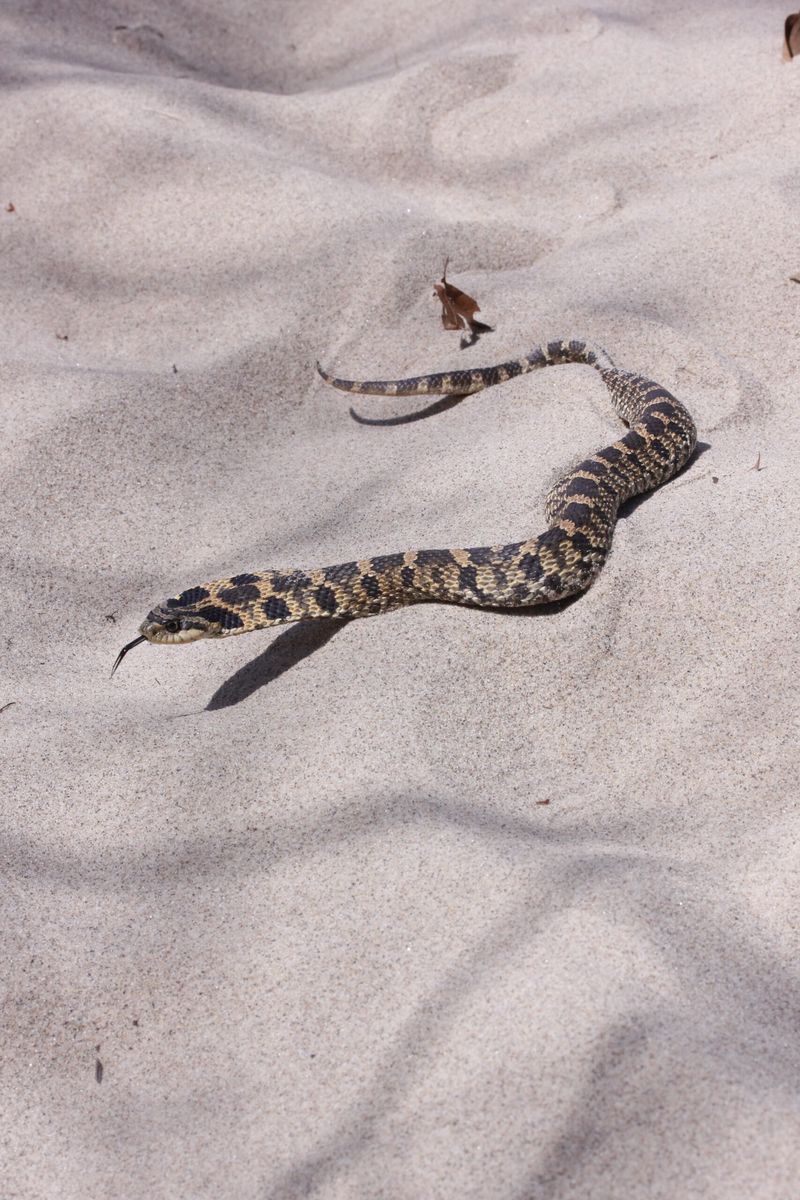
2. Eastern Hognose Snake
Eastern Hognose Snake
© Buffy Silverman

Few animals put on a show quite like this one. When threatened, the Eastern hognose flattens its neck like a cobra, hisses loudly, and lunges with its mouth closed.

Most people take one look and run.

If that act fails, the snake switches to plan B. It rolls onto its back, opens its mouth, sticks out its tongue, and plays dead, sometimes even releasing a stinky smell for extra effect.

Bright colors in nature often mean poison, so folks assume this little lizard must be dangerous.

Flip it right side up, and it will often roll right back over, as if to insist it is truly dead.

Hognoses love sandy soil and feast mostly on toads. They almost never bite people.

Honestly, they deserve an award for drama rather than a shovel to the head.

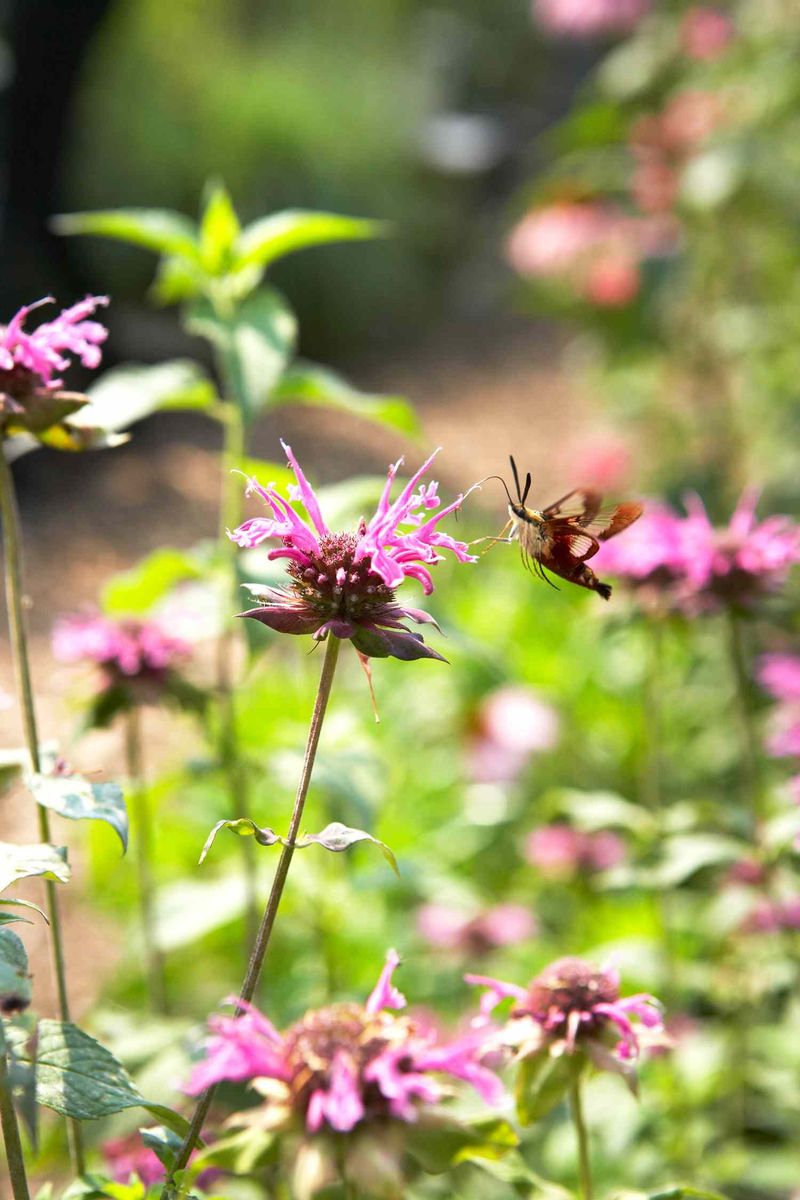
3. Hummingbird Clearwing Moth
Hummingbird Clearwing Moth
© Better Homes & Gardens

Is it a bee? A tiny bird?

A wasp ready to sting? Gardeners watching their bee balm in July often have no idea what that fuzzy, hovering creature is.

Meet the hummingbird clearwing moth. It has see-through wings, a chunky olive-and-burgundy body, and it hovers in place while sipping nectar through a long tongue.

The buzzing hum makes people nervous, but this moth has no stinger at all.

Unlike most moths, it flies during the day, which is why so many people spot it. Plant phlox, honeysuckle, or bee balm, and you may get a front-row seat to one of summer’s coolest visitors.

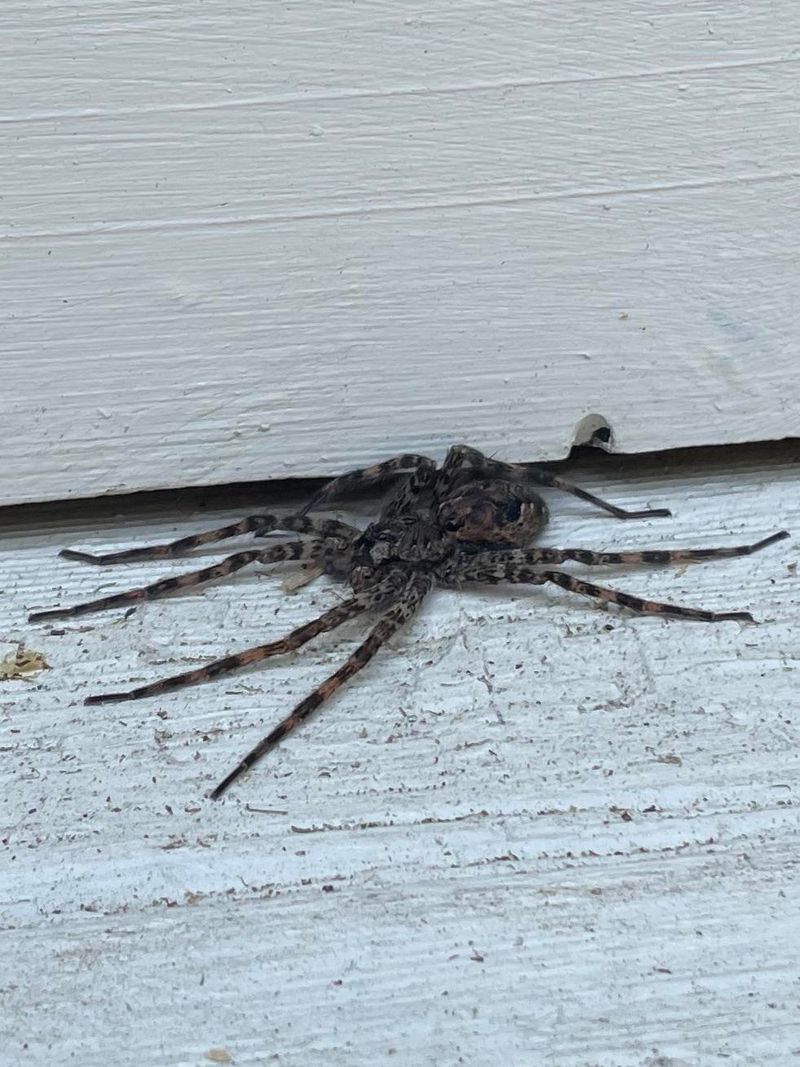
4. Fishing Spider
Fishing Spider
© Reddit

A friend of mine once dropped a whole watering can after spotting one of these on her deck railing. With a leg span that can reach the size of your palm, fishing spiders look like something out of a horror movie.

Size is not the same as danger, though. Fishing spiders are shy and would much rather sprint away than tangle with you.

A bite is rare, and when it happens, it feels like a mild bee sting at worst.

These spiders live near ponds, streams, and lakes, and they can actually walk on water. Some even dive under to catch tadpoles and small fish.

That is a pretty amazing neighbor to have around your water garden.

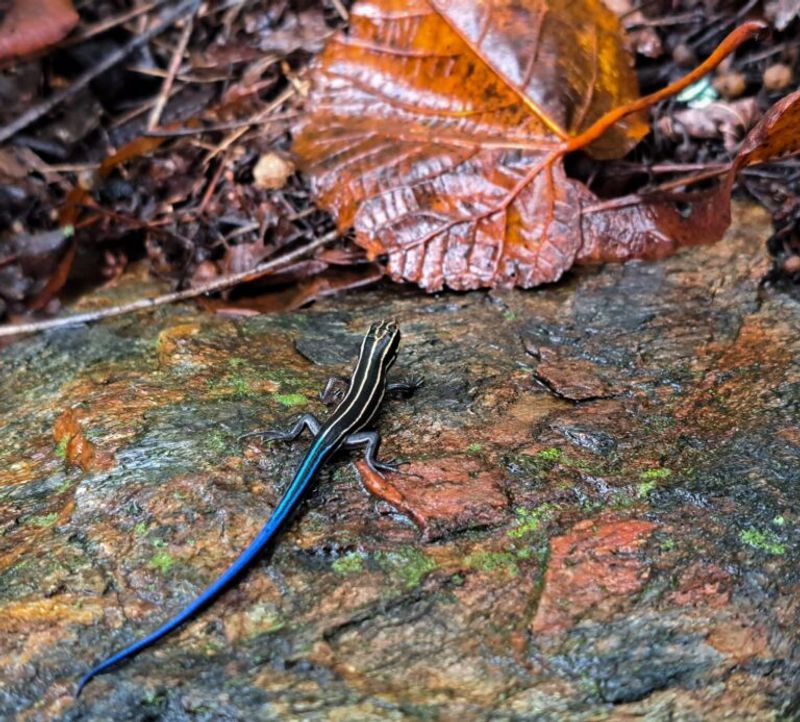
5. Five-Lined Skink
Five-Lined Skink
© The Herpetology Collective

That electric blue tail is the reason so many people panic. Bright colors in nature often mean poison, so folks assume this little lizard must be dangerous.

Nope. The five-lined skink is Michigan’s only lizard, and it is completely harmless to people and pets.

Young skinks have black bodies with cream stripes and a dazzling blue tail, while adults fade to brown as they grow.

Here is the clever part: that blue tail is a decoy. If a bird grabs it, the tail snaps off and keeps wiggling while the skink escapes.

A new one grows back later. Skinks also gobble up insects, so consider yourself lucky if one suns itself on your garden rocks.

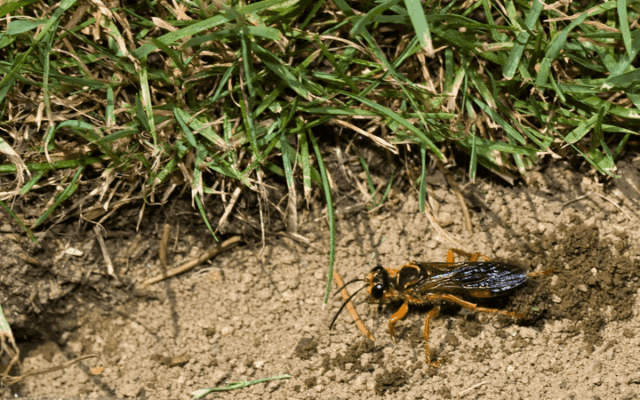
6. Cicada Killer Wasp
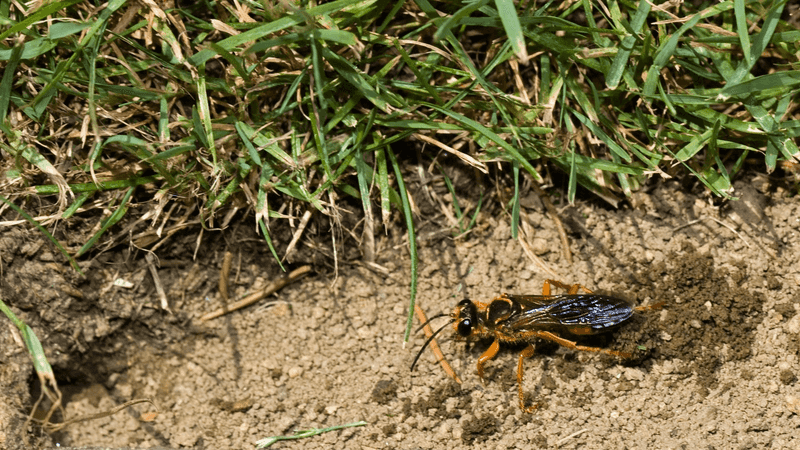
Cicada Killer Wasp
© DIY Pest Control

Two inches long, striped yellow and black, and buzzing low over your lawn. Cicada killers look like giant hornets and can clear a backyard barbecue in seconds.

Despite their monster looks, these wasps rarely bother people. Males, the ones zooming around and acting tough, cannot sting at all.

Females can, but they save their venom for cicadas, which they drag back to underground burrows to feed their young.

They usually show up in late summer and dig in sandy, bare soil. If their holes bug you, add mulch or water the area more.

Otherwise, just enjoy watching a wasp carry a cicada bigger than itself.

7. Northern Water Snake
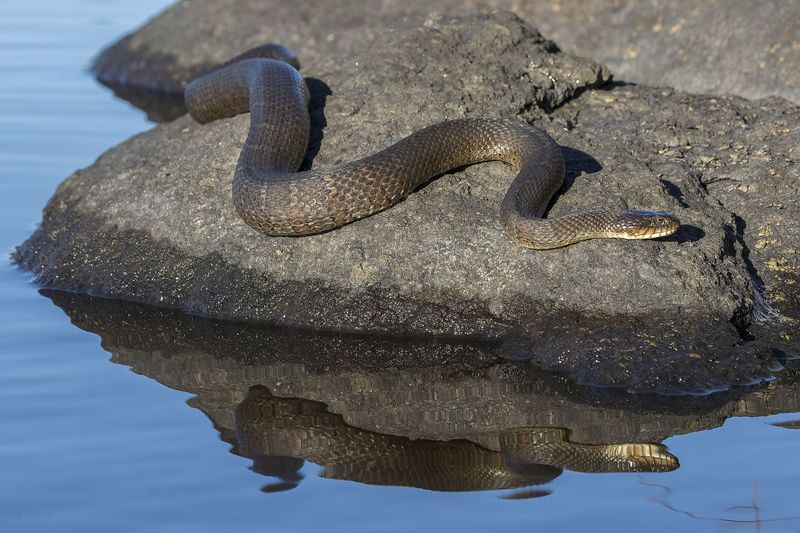
Northern Water Snake
© World Atlas

“Water moccasin!” is a cry heard along many Michigan ponds every summer. Here is the truth: cottonmouths do not live anywhere in the state.

The thick, dark snake sunning on your pond rocks is almost surely a northern water snake.

These snakes can look mean, and they do have a feisty attitude when grabbed. They may bite and release a smelly musk if you pick one up.

Still, they have no venom, and simply leaving them alone solves the problem.

Northern water snakes eat fish, frogs, and other small creatures, helping keep pond life balanced. Give them space, admire them from a few feet away, and they will go about their business.

Share this story
NL

Written by

Nora Lindqvist

More from Nora Lindqvist →

About Gardening Latest

Gardening Latest provides in-depth guides to maintaining and enhancing your garden and backyard. Learn how to make the most of the space you have and create a beautiful garden.

More about us →

Latest stories

  • Virginia GardeningThe Puss Caterpillar Sting Is Brutal, and Virginia Gardeners Need These First-Aid Steps Right Away

    The Puss Caterpillar Sting Is Brutal, and Virginia Gardeners Need These First-Aid Steps Right Away

    4 min ago
  • New Jersey GardeningYellow Jackets Set Up Shop Near Your New Jersey Home? Here’s How To Deal With Them Safely

    Yellow Jackets Set Up Shop Near Your New Jersey Home? Here’s How To Deal With Them Safely

    11 min ago
  • North Carolina GardeningAfter a Good North Carolina Rain, Fresh Fire Ant Mounds Show You Exactly Where Your Yard Stays Wet

    After a Good North Carolina Rain, Fresh Fire Ant Mounds Show You Exactly Where Your Yard Stays Wet

    17 min ago
  • Michigan GardeningSpot a Brown Recluse Look-Alike in Your Michigan Basement This Winter? Here’s What It Really Is

    Spot a Brown Recluse Look-Alike in Your Michigan Basement This Winter? Here’s What It Really Is

    22 min ago
  • Massachusetts GardeningA Porcupine Gnawing on Your Massachusetts Trees This Winter Leaves Damage You Can Still Save

    A Porcupine Gnawing on Your Massachusetts Trees This Winter Leaves Damage You Can Still Save

    27 min ago

Gardening by state

Stories for your state, and the hardiness zone most of it gardens in.

Keep exploring

Read next

All Michigan Gardening →
Michigan GardeningSpot a Brown Recluse Look-Alike in Your Michigan Basement This Winter? Here’s What It Really Is
Michigan Gardening

Spot a Brown Recluse Look-Alike in Your Michigan Basement This Winter? Here’s What It Really Is

22 min ago
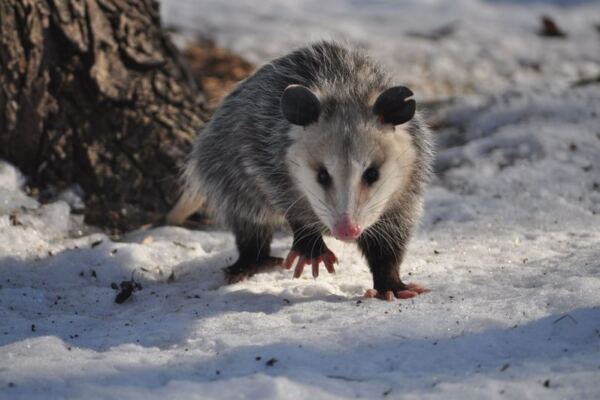
Michigan GardeningWhat an Opossum Near Your Michigan Home This Winter Is Really Looking For, and What to Do
Michigan Gardening

What an Opossum Near Your Michigan Home This Winter Is Really Looking For, and What to Do

2 hr ago
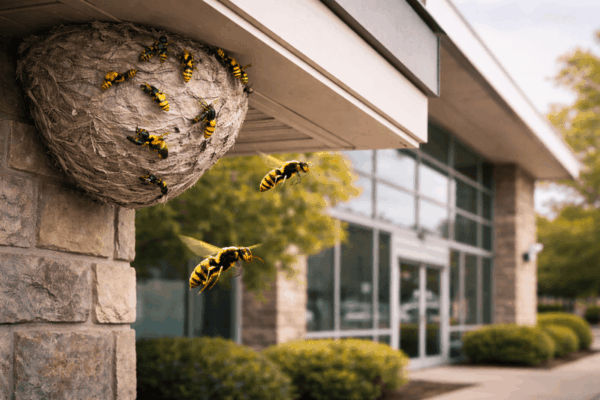
Michigan GardeningBefore You Touch That Yellow Jacket Nest Near Your Michigan Home, Here’s What To Do
Michigan Gardening

Before You Touch That Yellow Jacket Nest Near Your Michigan Home, Here’s What To Do

6 hr ago

More from Michigan Gardening

  • Come Fall, Venomous Critters In Michigan Show Up Much Closer To Home Than You Think

    Nov 26
  • After a Michigan Storm Drops Your Neighbor’s Tree on Your Property, Here’s Who Actually Pays

    Nov 25
Back to top

Leave a response Cancel

Your email address stays private. Required fields are marked with an asterisk.

Gardening Latest

In-depth guides to maintaining and enhancing your garden and backyard: how to make the most of the space you have, and how to make it beautiful.

  • Facebook
  • X
  • Pinterest
  • YouTube

We may earn a portion of sales from products or services that are purchased through our site as part of our affiliate partnerships with retailers.

Explore

  • About GardeningLatest.com
  • Contact Us
  • Terms and Conditions
  • Privacy
  • Editorial Note:
  • FTC Disclosure

Newsletter

New garden guides and seasonal tips, straight to your inbox.

We’ll email you a link to confirm. Unsubscribe any time.

Almost there! Check your inbox and tap the link to confirm.

© 2026 Gardening Latest. All rights reserved.

Back to top