Get the latest garden guides in your inbox →
Gardening Latest
  • General Gardening
  • Lawn Care
  • Plant Care
  • Composting
  • Soil Health
  • Backyard
  • Garden Muse Magazine
  • General Gardening
  • Lawn Care
  • Plant Care
  • Composting
  • Soil Health
  • Backyard
  • Garden Muse Magazine
  • News
  • Gardening Calendar
  • Garden Structures
  • Vegetable Garden
  • Vertical Garden
  • Raised Beds
  • Hydroponics
  • General Equipment
  • Community Gardens
Garden Themes
  • Spiritual Garden
  • Hydroseeding
  • Seeding and Laying Sod
  • Artificial Grass
  • Lawn Care Equipment
  • Plants
  • Trees
  • Planting Tools
  • Composting Basics
  • Fertilizer
  • Alternative Growing Mediums
  • Front Yard
  • Backyard Activities
  • Landscaping
Gardening Latest

Explore by state

Which state is your garden in?

Currently viewing Virginia

All states

Northeast

  • Connecticut —
  • Delaware 36
  • Maine —
  • Maryland 22
  • Massachusetts 39
  • New Hampshire —
  • New Jersey 23
  • New York 32
  • Pennsylvania 32
  • Rhode Island —
  • Vermont —

Southeast

  • Alabama 22
  • Arkansas —
  • Florida 22
  • Georgia 23
  • Kentucky 36
  • Louisiana 21
  • Mississippi —
  • North Carolina 21
  • South Carolina 35
  • Tennessee 19
  • Virginia 22
  • West Virginia —

Midwest

  • Illinois 21
  • Indiana 24
  • Iowa 35
  • Kansas —
  • Michigan 23
  • Minnesota 21
  • Missouri 21
  • Nebraska —
  • North Dakota —
  • Ohio 23
  • South Dakota —
  • Wisconsin 37

Southwest

  • Arizona 22
  • Colorado —
  • Nevada —
  • New Mexico —
  • Oklahoma —
  • Texas 21
  • Utah —

West

  • Alaska —
  • California 22
  • Hawaii —
  • Idaho —
  • Montana —
  • Oregon —
  • Washington —
  • Wyoming —

No state matches that search.

Site menu

Gardening Latest
  • General Gardening
    • News
    • Gardening Calendar
    • Garden Structures
    • Vegetable Garden
    • Vertical Garden
    • Raised Beds
    • Hydroponics
    • General Equipment
    • Community Gardens
    Garden Themes
    • Spiritual Garden
  • Lawn Care
    • Hydroseeding
    • Seeding and Laying Sod
    • Artificial Grass
    • Lawn Care Equipment
  • Plant Care
    • Plants
    • Trees
    • Planting Tools
  • Composting
    • Composting Basics
  • Soil Health
    • Fertilizer
    • Alternative Growing Mediums
  • Backyard
    • Front Yard
    • Backyard Activities
    • Landscaping
  • Garden Muse Magazine

Explore

  • About GardeningLatest.com
  • Contact Us

Get the latest from the garden

New guides on lawn care, plants and backyard projects, sent when they go up.

Subscribe →

Follow

  • Facebook
  • X
  • Pinterest
  • YouTube
Virginia Gardening

Northern Short-Tailed Shrews in Virginia: Venomous Bites, Real Weights, and Winter Tunnels

A shrew small enough to vanish in your palm can still carry toxin in its saliva.

CW

By Caroline Whitfield

November 27, 2026 · 6 min read

Northern Short-Tailed Shrews in Virginia: Venomous Bites, Real Weights, and Winter Tunnels

A shrew small enough to vanish in your palm can still carry toxin in its saliva. Virginia has more than one short-tailed shrew, and the stories about them often get tangled together.

Size, venom, and winter habits are all easy to exaggerate. Here is what the sources actually say, and which animal each claim belongs to.

At a glance

Where
Virginia Gardening
Hardiness zone
7 0 to 10°F
Read
6 minutes
Published
November 27, 2026

Which short-tailed shrews occur in Virginia?
Which short-tailed shrews occur in Virginia?
© Better Termite

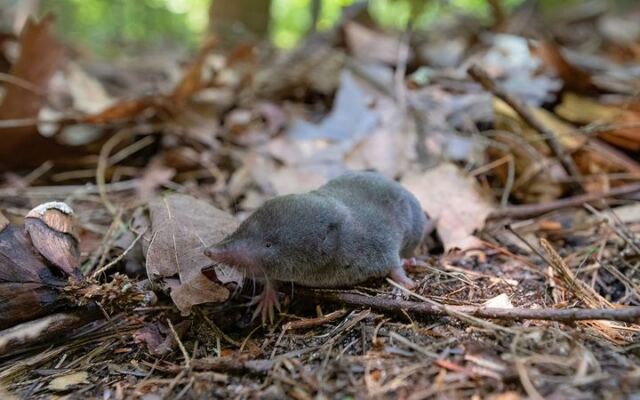
Start with a simple rule: “Virginia short-tailed shrew” does not name one animal. The northern short-tailed shrew (Blarina brevicauda) does live in the state, and Virginia Cooperative Extension’s list of mammals includes it.

The same list separates northern and southern short-tailed shrews, so the state holds more than one kind.

The northern species also turns up in protected places. The National Park Service mammal list for the Blue Ridge Parkway records it along the Virginia stretch of that road.

That gives you a real, checkable spot where the species is known to occur.

Why does this matter? Facts about one short-tailed shrew do not automatically apply to another.

A weight, a winter habit, or a behavior described for one animal may not fit its cousin down the road or across a mountain range.

This article keeps that boundary firm. When a claim is about the northern short-tailed shrew, it says so.

When a source describes a different short-tailed shrew, the article names that animal instead of quietly swapping in the northern one. Keeping the names straight is the best defense against the shrew tall tales that spread online.

The northern short-tailed shrew outweighs a nickel
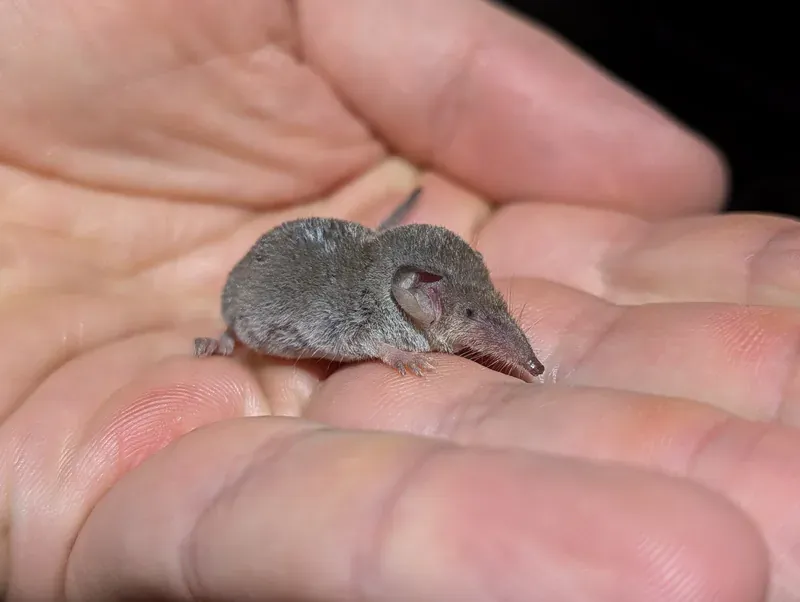
The northern short-tailed shrew outweighs a nickel
© Reptiles

Here is the correction the popular headline needs. Purdue Extension gives the northern short-tailed shrew a weight of 11 to 26 grams.

That range describes the northern species specifically.

Now compare it with the coin in your pocket. The U.S.

Mint lists a nickel at 5 grams. Even the lightest northern short-tailed shrew in that range weighs more than twice as much as a nickel, and the heaviest is a bit over five nickels.

The Virginia Department of Wildlife Resources page on Kirtland’s short-tailed shrew says that animal is active all year.

Picture it another way. Five nickels in a stack feel like almost nothing in your hand.

A shrew at the top of the range would feel like a small stack of them, packed into a compact, muscular body.

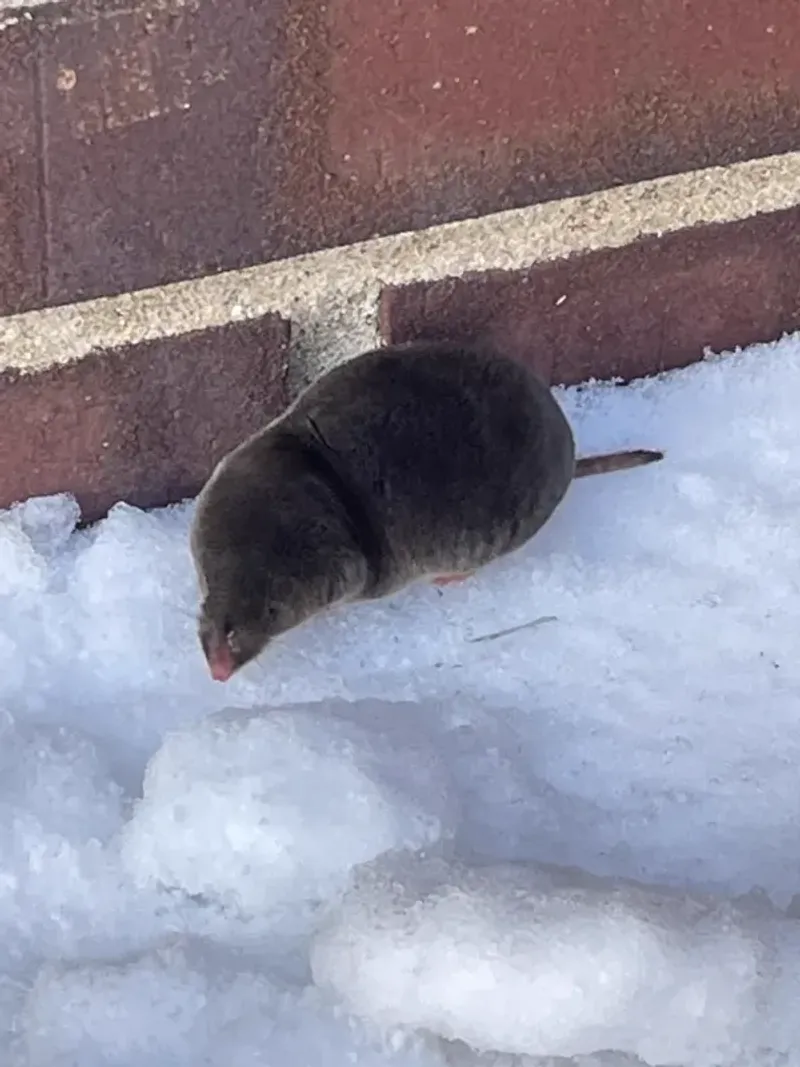
None of this makes the animal large. It is still a tiny mammal with a short tail, a pointed snout, and dense dark fur.

Calling it small is accurate. Saying it weighs less than a nickel is not.

One more caution: this range is for the northern short-tailed shrew only. Other Virginia short-tailed shrews may have different measurements, so do not borrow these numbers for them.

Its bite delivers toxin that helps subdue prey
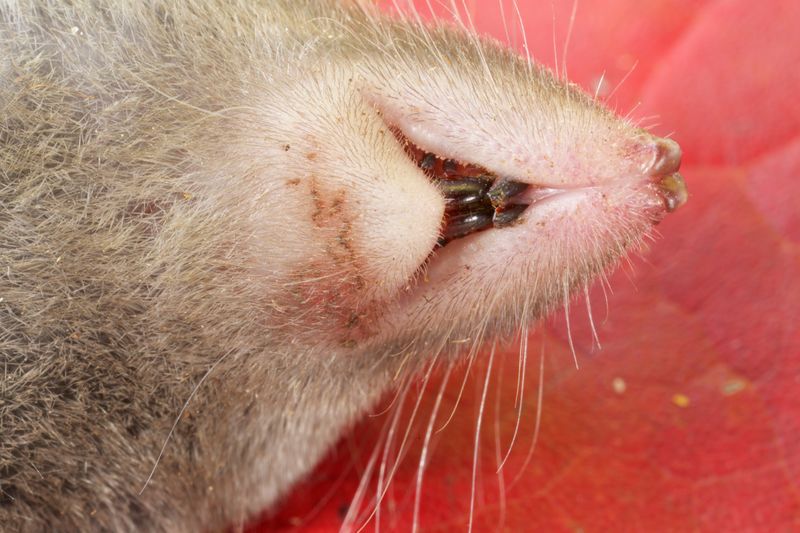
Its bite delivers toxin that helps subdue prey
© BBC Wildlife Magazine

Shrews eat fast, and some of them have a chemical advantage. The northern short-tailed shrew has a toxin in its saliva, which is why people call it venomous.

A peer-reviewed study titled on Blarina toxin isolated and described a toxin from Blarina brevicauda.

The toxin’s main job is to help the shrew subdue prey. Think of a tiny predator tackling animals that may be nearly its own size.

A bite that slows or disables the meal makes the hunt safer and more efficient.

The same study also looked at how the toxin affects other mammals, and the results show it is potent in that setting. Those findings tell us about the toxin’s chemistry and its effect on laboratory animals.

They do not tell us how dangerous a bite is to a person.

On humans, the study offers only limited bite accounts. The reported symptoms were local, including burning and swelling at the bite site.

That is a small set of stories, not a large medical record.

So the word “venomous” fits when you mean toxin delivered through a bite. The leap from “strong on small prey” to “deadly to people” is a leap the sources do not make.

The winter-tunnel account concerns Kirtland’s short-tailed shrew
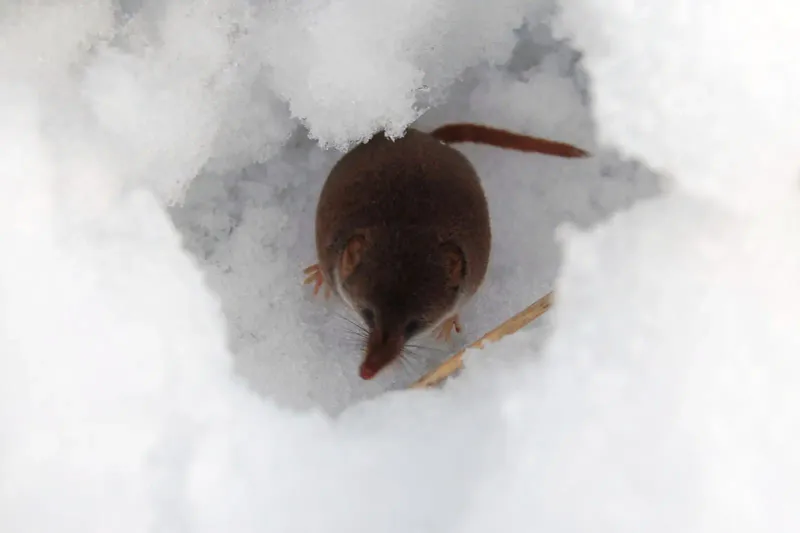
The winter-tunnel account concerns Kirtland’s short-tailed shrew
© Animalia

The snow-tunnel story comes from a specific source. The Virginia Department of Wildlife Resources page on Kirtland’s short-tailed shrew says that animal is active all year.

It also says it builds tunnels in the ground or snow and uses tunnels made by other animals.

Notice the name on that page. It is Kirtland’s short-tailed shrew, not the northern short-tailed shrew.

The page does not claim the northern species does the same thing, so that detail should stay with Kirtland’s.

What can we fairly say for Kirtland’s shrew? Winter does not shut it down, and snow cover gives it a place to move and possibly forage.

That supports careful wording like “can travel and may forage beneath snow.”

It does not support “hunts beneath your snow” as a promise. A shrew in a given yard may be in a burrow, under leaves, or nowhere nearby.

The account also does not cover every short-tailed shrew in Virginia.

If you want to look for signs of winter shrew life, think small. Thin tunnels or tiny openings in snow might be clues, but many animals leave similar marks, so a track alone is rarely proof of which species made it.

A bite calls for care, not panic
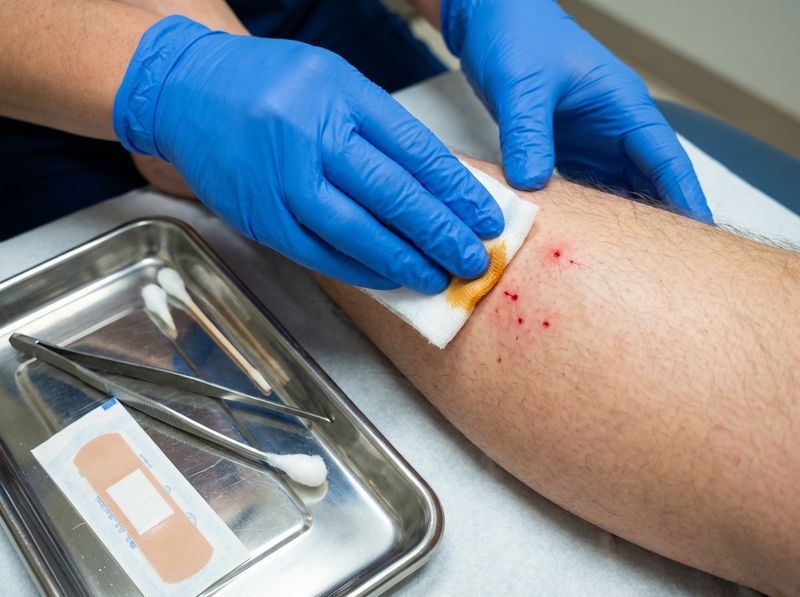
A bite calls for care, not panic
© Priority ER Care

Hearing “venomous” can make a tiny animal sound frightening. The reality is calmer.

The peer-reviewed study mentioned earlier reports a few human bite accounts that describe local burning and swelling.

Agency summaries are in the same range. Maryland’s Department of Natural Resources says the northern short-tailed shrew is not dangerous to people or domestic animals, though it can bite if handled.

Those are summaries, not a promise that every bite goes the same way.

The easiest way to avoid a bite is to leave the animal alone. Do not try to catch, pick up, or test a shrew.

If a cat brings one in, keep children and pets away and let the animal go outside on its own if it is still alive.

If you are bitten by any wild animal, act quickly. CDC guidance says to wash the wound promptly with warm, soapy water and to seek medical advice when appropriate.

A healthcare or public-health professional can also assess rabies-related concerns. Call them rather than guessing, especially if the bite broke the skin or the animal’s behavior seemed unusual.

What the evidence does—and does not—show
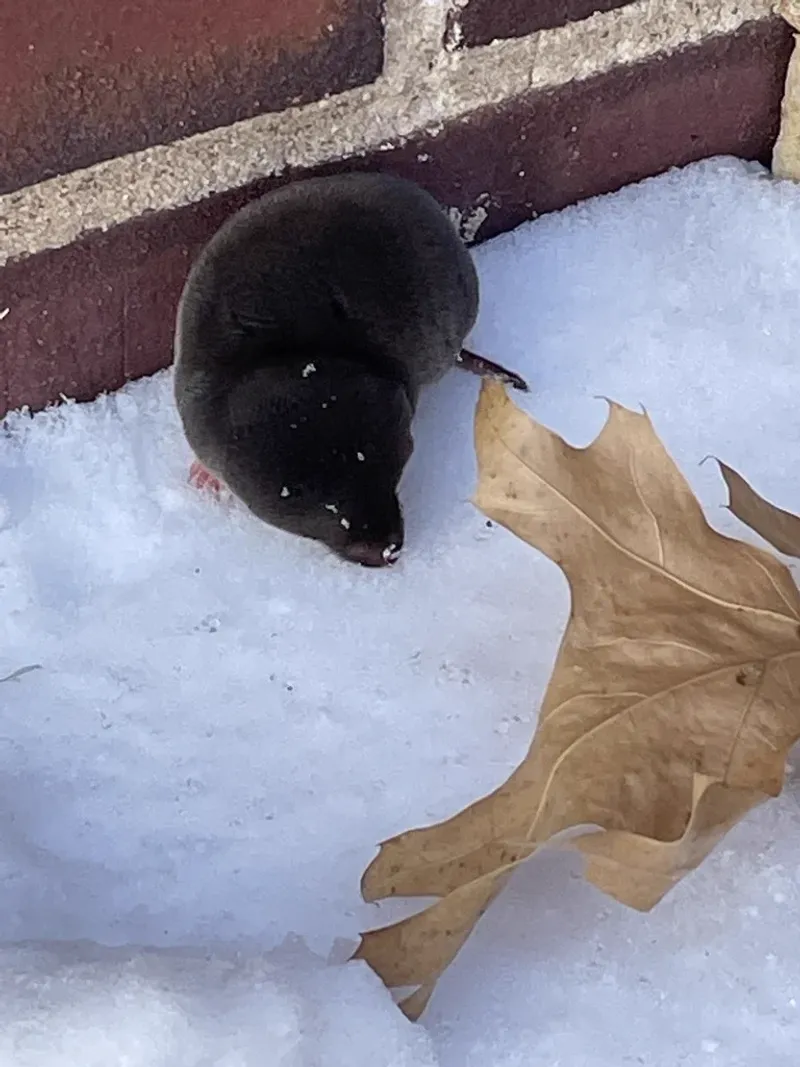
What the evidence does—and does not—show
© Better Termite

The numbers are clear: Purdue’s 11 to 26 grams for the northern short-tailed shrew beats a 5-gram nickel by a wide margin. Its toxin helps it subdue prey, and the human accounts are limited.

The snow tunnels belong to Kirtland’s short-tailed shrew.

Small, toxic, and busy through the cold months is still a remarkable way to live.

Share this story

CW

Written by

Caroline Whitfield

More from Caroline Whitfield →

About Gardening Latest

Gardening Latest provides in-depth guides to maintaining and enhancing your garden and backyard. Learn how to make the most of the space you have and create a beautiful garden.

More about us →

Latest stories

  • New Jersey GardeningUnder New Jersey Law, a Neighbor’s Branches Over Your Yard Are Fair Game to Trim Until You Reach the Property Line

    Under New Jersey Law, a Neighbor’s Branches Over Your Yard Are Fair Game to Trim Until You Reach the Property Line

    8 min ago
  • North Carolina GardeningNorth Carolina Yuccas Pour Everything Into That Giant Flower Stalk, So Here’s When Cutting It Off Makes Sense

    North Carolina Yuccas Pour Everything Into That Giant Flower Stalk, So Here’s When Cutting It Off Makes Sense

    14 min ago
  • Michigan GardeningWhy Pavement Ants Pile Up Fresh Hills in Michigan Lawns Right After It Rains

    Why Pavement Ants Pile Up Fresh Hills in Michigan Lawns Right After It Rains

    19 min ago
  • Massachusetts GardeningRaking Leaves in Massachusetts? Here’s What We Know About the Northern Short-Tailed Shrew’s Venom

    Raking Leaves in Massachusetts? Here’s What We Know About the Northern Short-Tailed Shrew’s Venom

    24 min ago
  • California GardeningPull One Seedling and More Pop Up: This Invasive Tree Is Spreading Through California Neighborhoods

    Pull One Seedling and More Pop Up: This Invasive Tree Is Spreading Through California Neighborhoods

    29 min ago

Gardening by state

Stories for your state, and the hardiness zone most of it gardens in.

Keep exploring

Read next

All Virginia Gardening →
Virginia Gardening9 Virginia Trees That Burn Hottest In Your Woodstove This Winter, And Which Ones Smoke
Virginia Gardening

9 Virginia Trees That Burn Hottest In Your Woodstove This Winter, And Which Ones Smoke

2 hr ago
Virginia GardeningBefore You Stack Firewood In Your Virginia Garage, Check Corners For Black Widow Egg Sacs
Virginia Gardening

Before You Stack Firewood In Your Virginia Garage, Check Corners For Black Widow Egg Sacs

6 hr ago
Virginia GardeningThe Bug Wearing A Tiny Cogwheel On Its Back Packs One Of Virginia’s Worst Bites
Virginia Gardening

The Bug Wearing A Tiny Cogwheel On Its Back Packs One Of Virginia’s Worst Bites

9 hr ago

More from Virginia Gardening

  • Here’s Exactly When To Put The Mower Away For Good In Virginia This Year

    Nov 25
  • That Bloodcurdling Scream Outside Your Virginia Window At Night Isn’t What You Think

    Nov 24
Back to top

Leave a response Cancel

Your email address stays private. Required fields are marked with an asterisk.

Gardening Latest

In-depth guides to maintaining and enhancing your garden and backyard: how to make the most of the space you have, and how to make it beautiful.

  • Facebook
  • X
  • Pinterest
  • YouTube

We may earn a portion of sales from products or services that are purchased through our site as part of our affiliate partnerships with retailers.

Explore

  • About GardeningLatest.com
  • Contact Us
  • Terms and Conditions
  • Privacy
  • Editorial Note:
  • FTC Disclosure

Newsletter

New garden guides and seasonal tips, straight to your inbox.

We’ll email you a link to confirm. Unsubscribe any time.

Almost there! Check your inbox and tap the link to confirm.

© 2026 Gardening Latest. All rights reserved.

Back to top