Get the latest garden guides in your inbox →
Gardening Latest
  • General Gardening
  • Lawn Care
  • Plant Care
  • Composting
  • Soil Health
  • Backyard
  • Garden Muse Magazine
  • General Gardening
  • Lawn Care
  • Plant Care
  • Composting
  • Soil Health
  • Backyard
  • Garden Muse Magazine
  • News
  • Gardening Calendar
  • Garden Structures
  • Vegetable Garden
  • Vertical Garden
  • Raised Beds
  • Hydroponics
  • General Equipment
  • Community Gardens
Garden Themes
  • Spiritual Garden
  • Hydroseeding
  • Seeding and Laying Sod
  • Artificial Grass
  • Lawn Care Equipment
  • Plants
  • Trees
  • Planting Tools
  • Composting Basics
  • Fertilizer
  • Alternative Growing Mediums
  • Front Yard
  • Backyard Activities
  • Landscaping
Gardening Latest

Explore by state

Which state is your garden in?

Currently viewing Ohio

All states

Northeast

  • Connecticut —
  • Delaware 40
  • Maine —
  • Maryland 26
  • Massachusetts 42
  • New Hampshire —
  • New Jersey 26
  • New York 35
  • Pennsylvania 35
  • Rhode Island —
  • Vermont —

Southeast

  • Alabama 26
  • Arkansas —
  • Florida 26
  • Georgia 27
  • Kentucky 40
  • Louisiana 25
  • Mississippi —
  • North Carolina 24
  • South Carolina 39
  • Tennessee 23
  • Virginia 25
  • West Virginia —

Midwest

  • Illinois 25
  • Indiana 27
  • Iowa 39
  • Kansas —
  • Michigan 26
  • Minnesota 25
  • Missouri 25
  • Nebraska —
  • North Dakota —
  • Ohio 26
  • South Dakota —
  • Wisconsin 41

Southwest

  • Arizona 25
  • Colorado —
  • Nevada —
  • New Mexico —
  • Oklahoma —
  • Texas 24
  • Utah —

West

  • Alaska —
  • California 25
  • Hawaii —
  • Idaho —
  • Montana —
  • Oregon —
  • Washington —
  • Wyoming —

No state matches that search.

Site menu

Gardening Latest
  • General Gardening
    • News
    • Gardening Calendar
    • Garden Structures
    • Vegetable Garden
    • Vertical Garden
    • Raised Beds
    • Hydroponics
    • General Equipment
    • Community Gardens
    Garden Themes
    • Spiritual Garden
  • Lawn Care
    • Hydroseeding
    • Seeding and Laying Sod
    • Artificial Grass
    • Lawn Care Equipment
  • Plant Care
    • Plants
    • Trees
    • Planting Tools
  • Composting
    • Composting Basics
  • Soil Health
    • Fertilizer
    • Alternative Growing Mediums
  • Backyard
    • Front Yard
    • Backyard Activities
    • Landscaping
  • Garden Muse Magazine

Explore

  • About GardeningLatest.com
  • Contact Us

Get the latest from the garden

New guides on lawn care, plants and backyard projects, sent when they go up.

Subscribe →

Follow

  • Facebook
  • X
  • Pinterest
  • YouTube
Ohio Gardening

Ohio Gardeners Swat at These 7 Critters Every Summer, but None of Them Are Dangerous

You are pulling weeds on a hot July morning when something buzzes past your ear, and your hand flies up…

MK

By Margaret Kessler

November 27, 2026 · 5 min read

Ohio Gardeners Swat at These 7 Critters Every Summer, but None of Them Are Dangerous

You are pulling weeds on a hot July morning when something buzzes past your ear, and your hand flies up before your brain even catches up. Most Ohio gardeners know that feeling well.

The funny part is that many of the bugs we swat at all summer cannot hurt us at all, and some of them are quietly helping our tomatoes and flowers grow. Here are seven common garden visitors that look scary but are completely safe to leave alone.

At a glance

Where
Ohio Gardening
Hardiness zone
6 −10 to 0°F
Read
5 minutes
Published
November 27, 2026

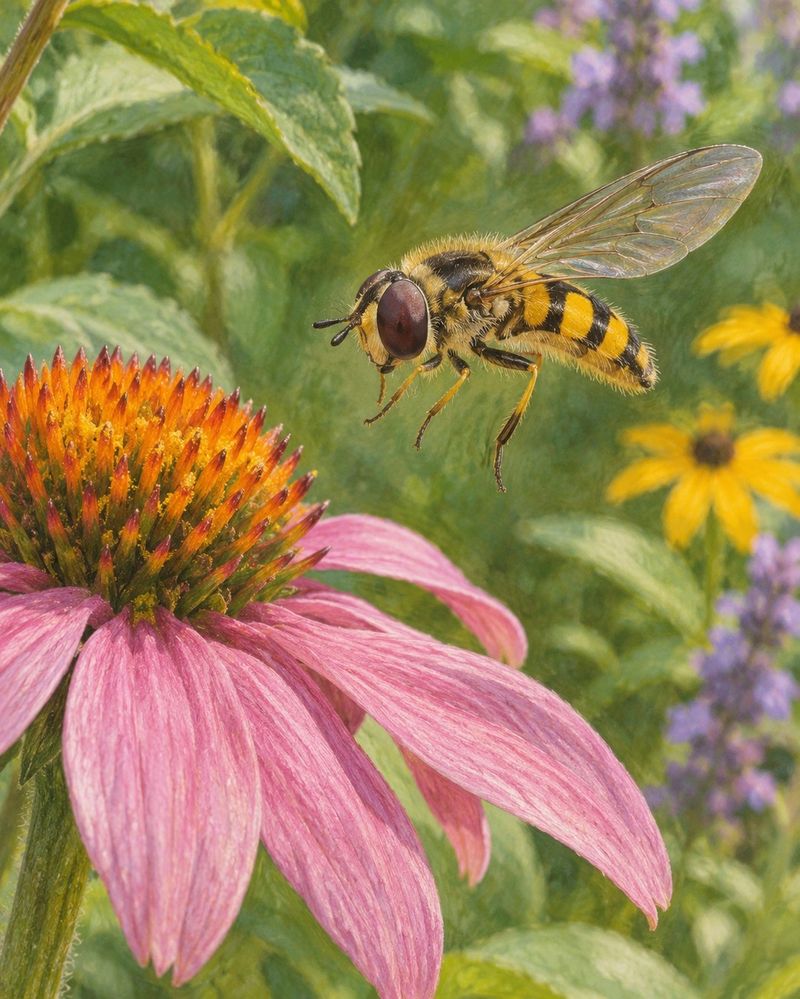
1. Hover Flies

Hover Flies
© smallyardwildlife

Picture a tiny bee that can stop dead in midair like a helicopter, then zip sideways in a blink. That show-off is a hover fly, and it is one of the best fakers in your garden.

Its yellow and black stripes are a costume meant to scare off birds.

Here is the trick to telling them apart from bees. Hover flies have short, stubby antennae and just one pair of wings, while bees have two pairs.

They also have no stinger at all, so even if one lands on your arm to sip a little sweat, it cannot harm you.

Better still, their young are aphid-eating machines. A single hover fly larva can gobble hundreds of aphids before it grows up.

So the next time one hangs in the air near your face, give it a nod instead of a swat.

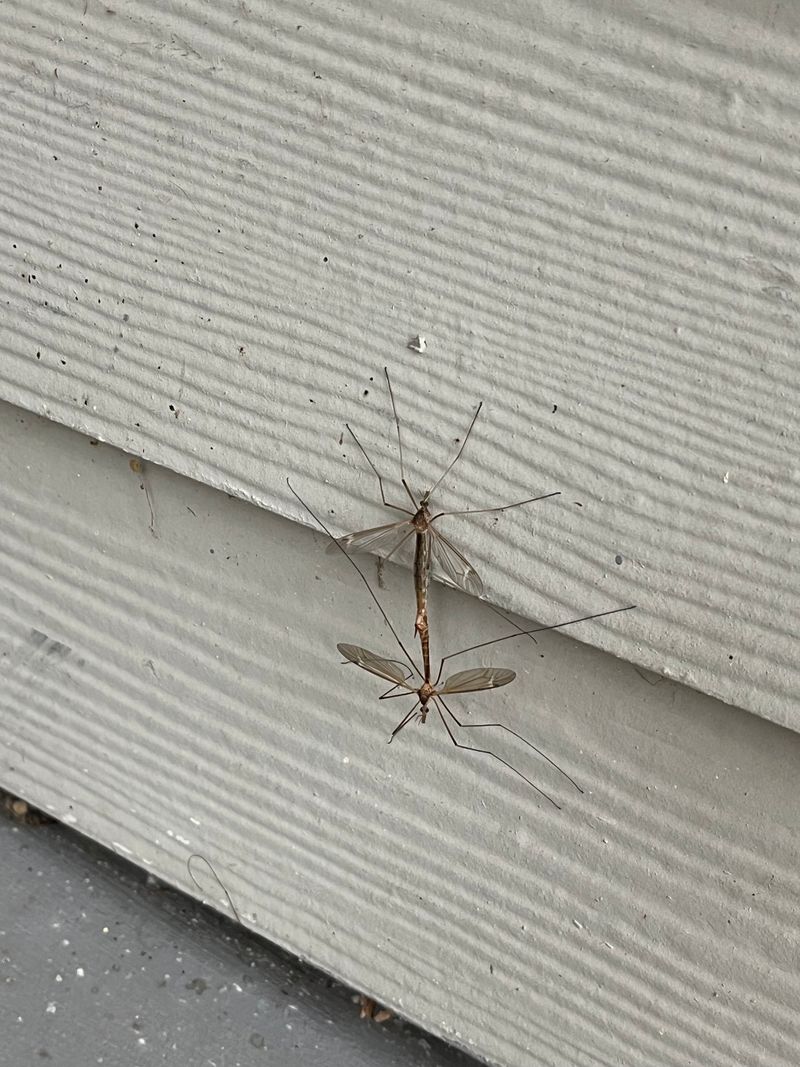
2. Crane Flies
Crane Flies
© Reddit

Plenty of folks call them mosquito hawks or giant mosquitoes, and they scream a little when one drifts through the porch light. Relax.

Crane flies do not bite, do not sting, and most adults barely eat anything during their short lives.

Females can sting, but they are very shy about it and would rather spend their time drilling neat round holes in old wood.

Their long legs look creepy, but they are so delicate they snap off if you breathe on them wrong. Clumsy fliers, these bugs bump into walls, windows, and sometimes your forehead.

That awkward bumping is about as aggressive as they get.

Fun fact: despite the nickname, crane flies do not hunt mosquitoes. They are simply big, gangly, harmless insects living out a few quick weeks of summer.

3. Cicada Killer Wasps
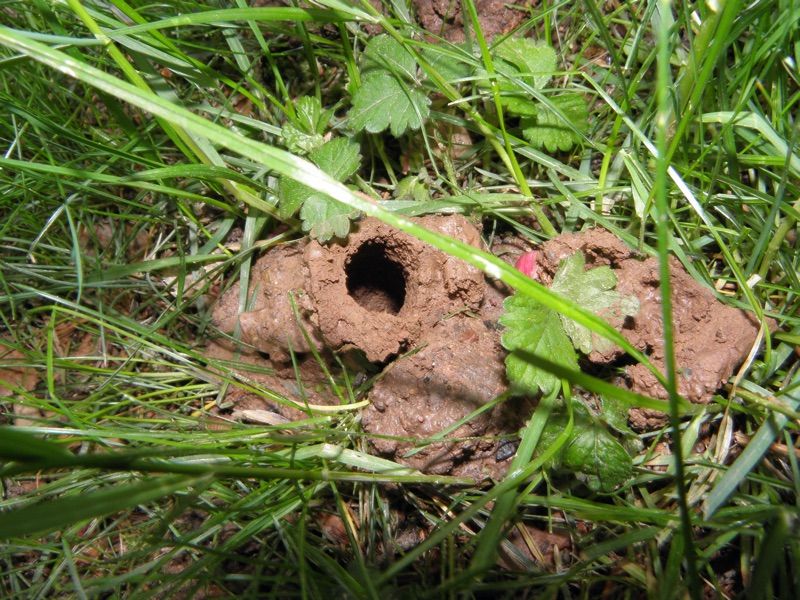
Cicada Killer Wasps
© Cicada Mania

Nearly two inches long, with a rusty head and bold yellow markings, a cicada killer looks like the monster from a summer horror movie. When a few start buzzing over your lawn or garden path, it is natural to feel nervous.

Yet these giants are surprisingly calm.

The males zoom around and act tough, but they have no stinger. Females do have one, though they save it for cicadas, which they carry back to underground burrows to feed their young.

Getting stung by one usually means you grabbed it or stepped on it barefoot.

Many Ohio entomologists consider them some of the least troublesome wasps around. Just let them do their job, and they will be gone by late August.

4. Daddy Longlegs
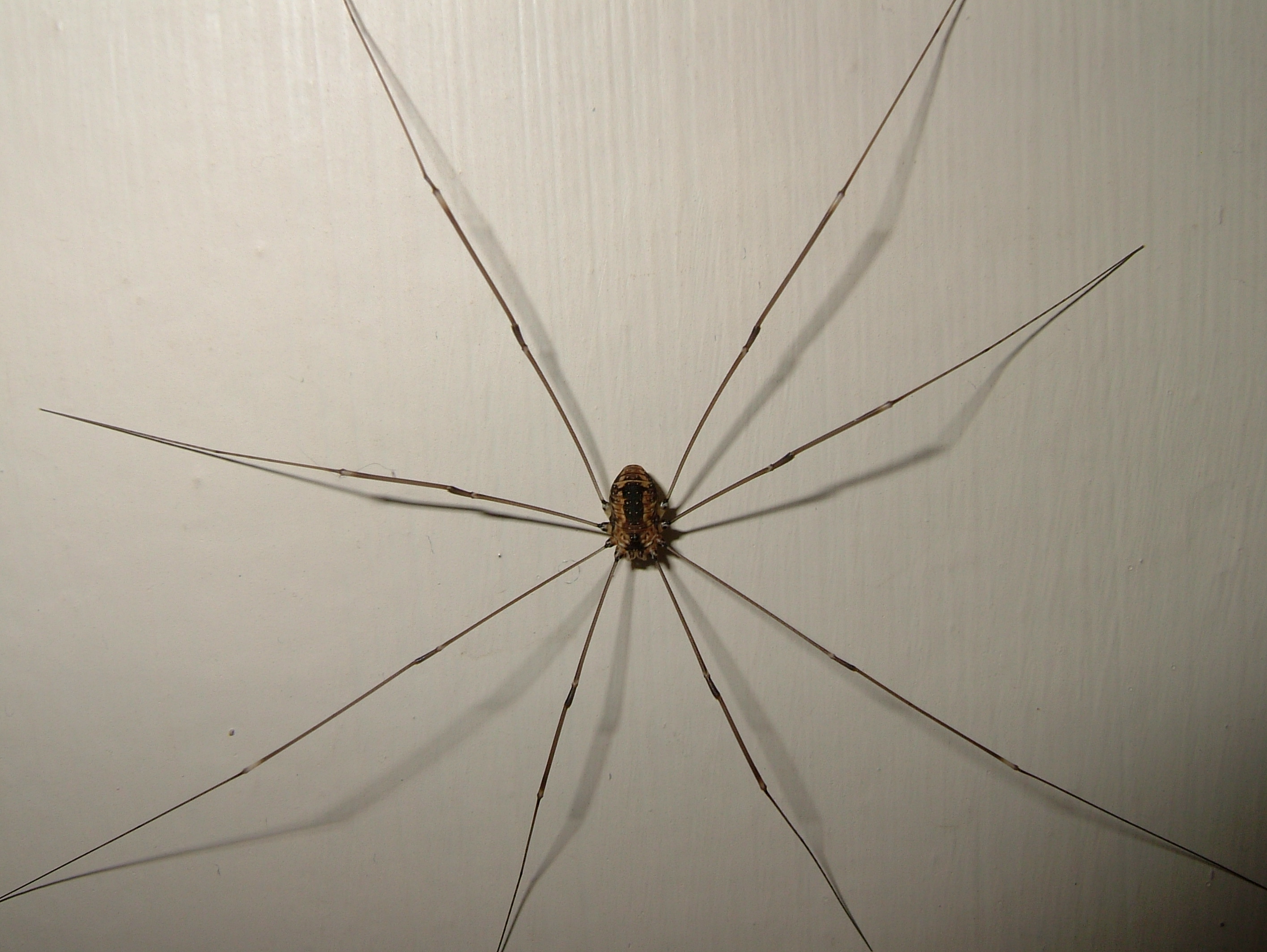
Daddy Longlegs
© DoMyOwn

Remember the playground rumor? Daddy longlegs were supposed to be the most venomous creatures alive, saved only by mouths too small to bite people.

It is a great spooky story, and it is totally false.

The critters most Ohio gardeners find under rocks and leaves are harvestmen. They are not even true spiders, and they have no venom glands whatsoever.

With one round body and eight wiry legs, they wander around eating dead bugs, tiny insects, and decaying plant bits.

They are basically the cleanup crew of the garden floor. If one strolls across your glove, let it tickle you and keep going.

5. Carpenter Bees
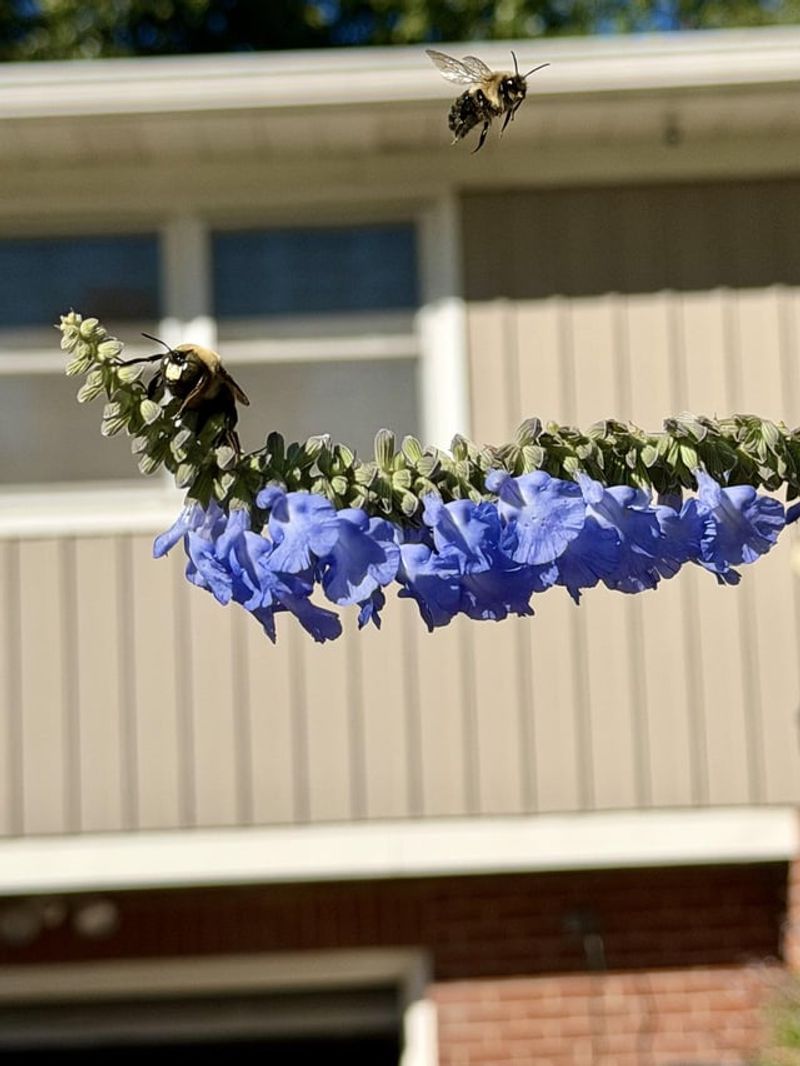
Carpenter Bees
© Reddit

A big, shiny bee hovers a foot from your face and refuses to leave. It feels like a standoff, but that bold bee is almost always a male carpenter bee guarding his territory, and he has no stinger to back up his attitude.

You can spot males by a pale yellow or white patch on their faces. Females can sting, but they are very shy about it and would rather spend their time drilling neat round holes in old wood.

Fence posts and raised beds may get a few holes, which is the only real downside.

On the bright side, they are strong pollinators for squash, tomatoes, and blueberries. A fresh coat of paint on exposed wood keeps them from nesting where you do not want them.

6. Fireflies

Fireflies
© Zanesville Times Recorder

Nobody means to swat a firefly. Still, while you are watering at dusk, one lands on your neck and your hand reacts first.

Oops.

Lightning bugs are soft beetles with zero bite and zero sting. Their glow is a flashing love note, with each species blinking its own pattern.

During the day, their larvae hide in damp soil and munch on slugs and snails, which makes them a quiet gift to any lettuce patch.

Many populations are shrinking, so they need a little help. Leave a messy corner of leaves, skip bug zappers, and turn off bright yard lights on summer nights to keep the magic going.

7. Garden Spiders
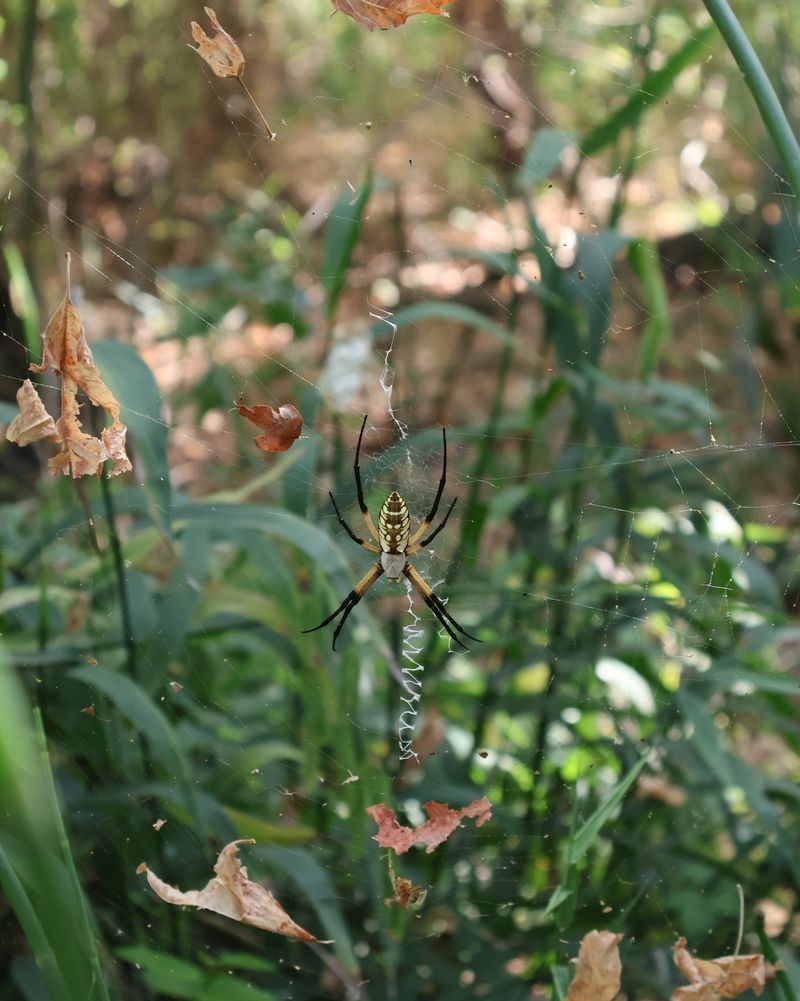
Garden Spiders
© themeadowscenter

Walk face-first into a big orb web in August and you will do a dance your neighbors will never forget. Somewhere nearby sits the builder, usually a yellow and black garden spider that looks fierce enough to worry anyone.

Those spiders are timid. They would rather drop to the ground than face a person, and a bite is extremely rare and feels like a mild bee sting at worst.

Many even weave a thick zigzag line into their webs, which scientists think may warn birds away.

Meanwhile, those webs catch grasshoppers, flies, and beetles that would happily eat your plants. Let the spider keep its spot, and simply walk around.

Share this story
MK

Written by

Margaret Kessler

More from Margaret Kessler →

About Gardening Latest

Gardening Latest provides in-depth guides to maintaining and enhancing your garden and backyard. Learn how to make the most of the space you have and create a beautiful garden.

More about us →

Latest stories

  • Georgia GardeningDon’t Panic Over That Giant Flower Stalk on Your Georgia Sweet Onions. Here’s What It Means and Whether to Cut It

    Don’t Panic Over That Giant Flower Stalk on Your Georgia Sweet Onions. Here’s What It Means and Whether to Cut It

    2 min ago
  • Wisconsin GardeningWisconsin Winters Don’t Kill Your Brown Recluse Worries, Because Hobo and Yellow Sac Spiders Move Indoors Now

    Wisconsin Winters Don’t Kill Your Brown Recluse Worries, Because Hobo and Yellow Sac Spiders Move Indoors Now

    8 min ago
  • Missouri GardeningYour Frozen Missouri Lawn Isn’t Empty: A Tiny Mammal With a Venomous Bite Hunts Below All Winter

    Your Frozen Missouri Lawn Isn’t Empty: A Tiny Mammal With a Venomous Bite Hunts Below All Winter

    14 min ago
  • Tennessee GardeningThose Big Brown Spiders Showing Up Inside Tennessee Homes After the First Cold Snap Are Wolf Spiders, and Here’s Why They Came In

    Those Big Brown Spiders Showing Up Inside Tennessee Homes After the First Cold Snap Are Wolf Spiders, and Here’s Why They Came In

    20 min ago
  • Alabama GardeningHearing Great Horned Owls Hoot Outside Your Alabama Home at Night? Here’s What It Means

    Hearing Great Horned Owls Hoot Outside Your Alabama Home at Night? Here’s What It Means

    26 min ago

Gardening by state

Stories for your state, and the hardiness zone most of it gardens in.

Keep exploring

Read next

All Ohio Gardening →
Ohio GardeningYellow Jacket Nest Near Your Ohio Home? Here’s How To Handle It Safely
Ohio Gardening

Yellow Jacket Nest Near Your Ohio Home? Here’s How To Handle It Safely

5 hr ago
Ohio GardeningWhat Pavement Ants Heaping Up Fresh Soil After an Ohio Rain Are Really Saying
Ohio Gardening

What Pavement Ants Heaping Up Fresh Soil After an Ohio Rain Are Really Saying

8 hr ago
Ohio GardeningAcross Ohio, an Invasive Tree Is Taking Over Neighborhoods Faster Than Anyone Can Pull It
Ohio Gardening

Across Ohio, an Invasive Tree Is Taking Over Neighborhoods Faster Than Anyone Can Pull It

23 hr ago

More from Ohio Gardening

  • Brushed a Saddleback Caterpillar in Your Ohio Garden? These First Steps Ease the Sting Fast

    Nov 25
  • Ohio’s Common Backyard Shrew Is Smaller Than Your Thumb, Yet It Paralyzes Prey With Venom

    Nov 25
Back to top

Leave a response Cancel

Your email address stays private. Required fields are marked with an asterisk.

Gardening Latest

In-depth guides to maintaining and enhancing your garden and backyard: how to make the most of the space you have, and how to make it beautiful.

  • Facebook
  • X
  • Pinterest
  • YouTube

We may earn a portion of sales from products or services that are purchased through our site as part of our affiliate partnerships with retailers.

Explore

  • About GardeningLatest.com
  • Contact Us
  • Terms and Conditions
  • Privacy
  • Editorial Note:
  • FTC Disclosure

Newsletter

New garden guides and seasonal tips, straight to your inbox.

We’ll email you a link to confirm. Unsubscribe any time.

Almost there! Check your inbox and tap the link to confirm.

© 2026 Gardening Latest. All rights reserved.

Back to top