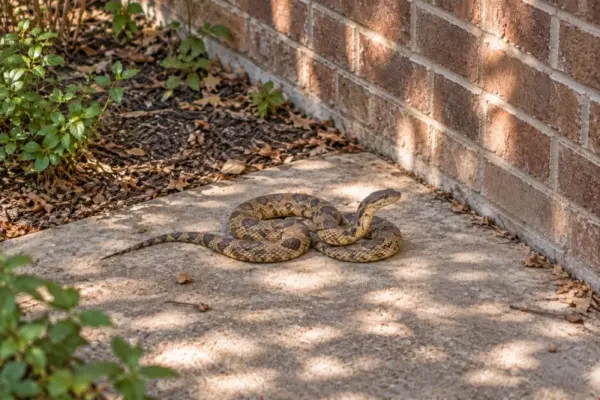
When the Arizona heat finally breaks, people head back outside, and so do the creatures that spent summer hiding. Rattlesnakes, bark scorpions and black widows all live closer to your patio than you might think.
Late fall is when their paths cross ours most often, because they are hunting, mating or looking for a warm place to spend winter. Knowing what to look for can keep your family and pets safe without turning your backyard into a place you fear.
1. Western Diamondback Rattlesnake
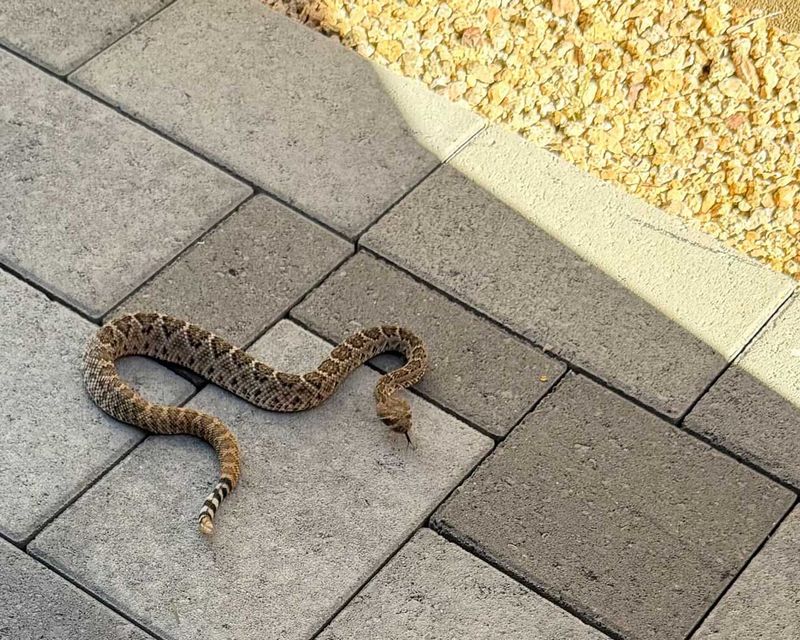
A neighbor in Mesa once found a four-foot diamondback stretched across her welcome mat on a crisp November morning, soaking up the sun like a cat. That scene is more common than most newcomers expect.
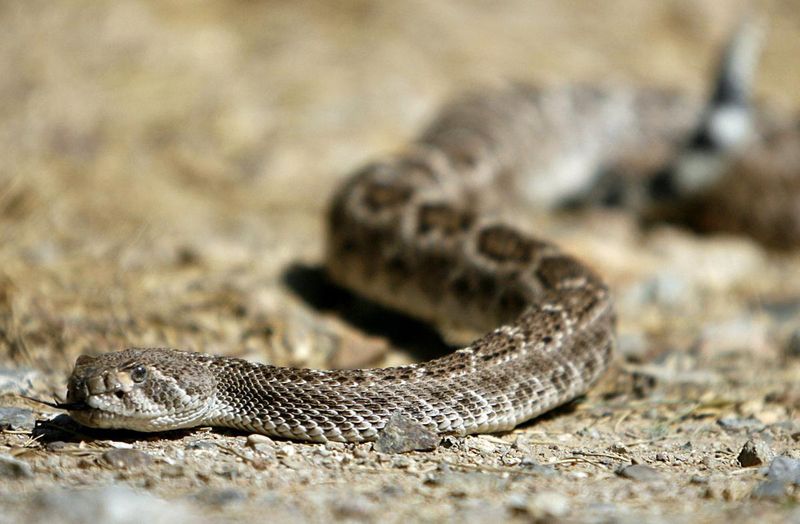
The western diamondback is the snake Arizonans meet most, and it loves the same warm afternoons we do.
You can spot one by the bold diamond pattern down its back and the black and white rings near the tail, often called a raccoon tail. In fall, these snakes move toward rocky dens where they will spend the colder months.
Along the way, they cut through yards, garages and garden beds.
If you see one, back away slowly and give it at least six feet of space. Most bites happen when people try to kill or move a snake themselves.
Call a local snake removal service or your fire department instead, and keep kids and dogs indoors until it is gone.
2. Arizona Bark Scorpion
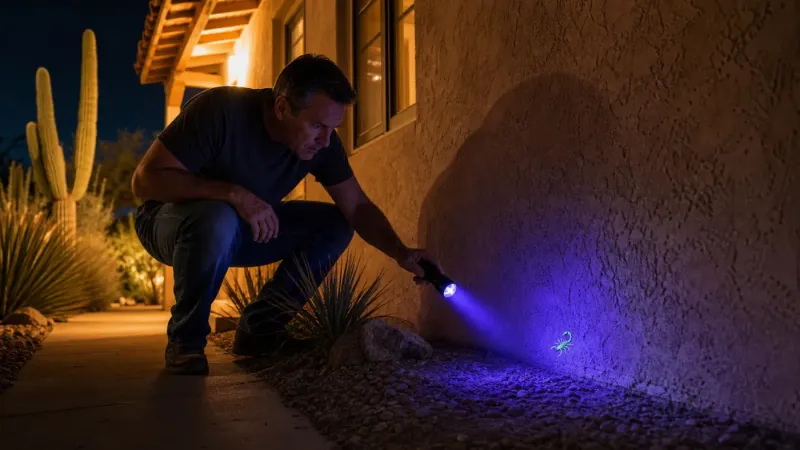
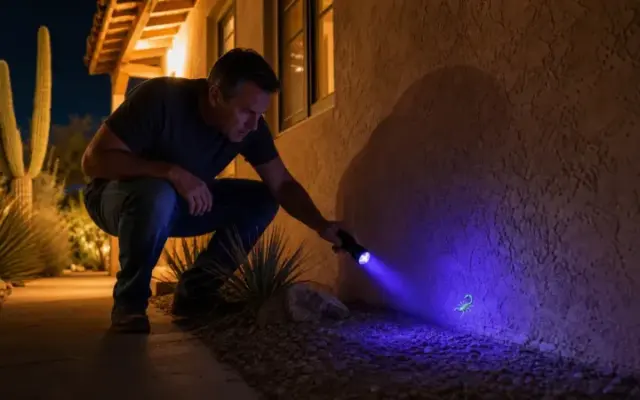
Grab a blacklight, step outside after dark, and you might be stunned. Arizona bark scorpions glow a spooky blue-green under UV light, which makes nighttime hunts strangely fun.
That same trick is how pest pros find them.
Bark scorpions are small, thin and light tan, usually under three inches long. They are also the most venomous scorpion in North America.
A sting feels like a hot needle followed by numbness and tingling, and young children and older adults can have serious reactions.
What makes them tricky is their climbing skill. Unlike most scorpions, they can scale walls, slip under doors and hang upside down from ceilings.
As nights cool in fall, they push indoors looking for warmth, so shaking out shoes and bedding becomes a smart habit.
3. Western Black Widow Spider
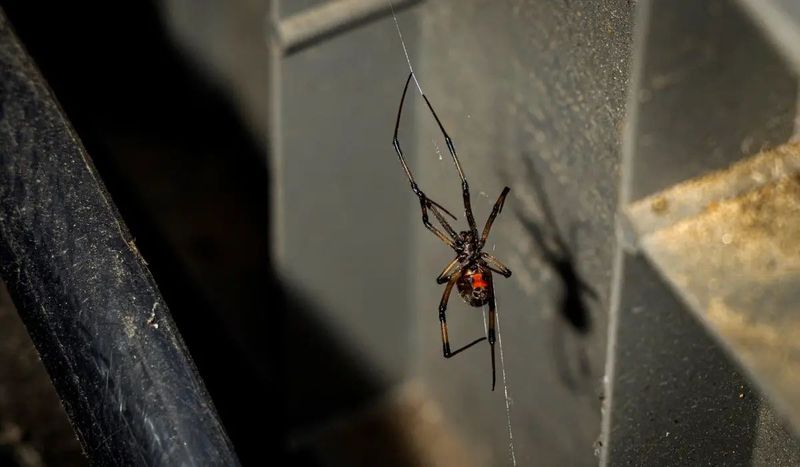
Glossy, round and dressed in jet black with a red hourglass, the female black widow looks almost elegant. Her web is the opposite.
It is a tangled, sticky mess usually tucked under patio furniture, in block wall gaps or around pool equipment.
Fall is egg sac season, and you may notice small tan, papery balls hanging in webs. Each one can hold hundreds of babies.
Bites are rare because widows are shy, but their venom affects nerves and can cause painful muscle cramps.
Wear gloves when reaching into dark corners, like when you pull out holiday decorations from the garage. A quick sweep with a broom destroys webs and egg sacs before they become a bigger problem.
4. Why Late Fall Brings Them Out
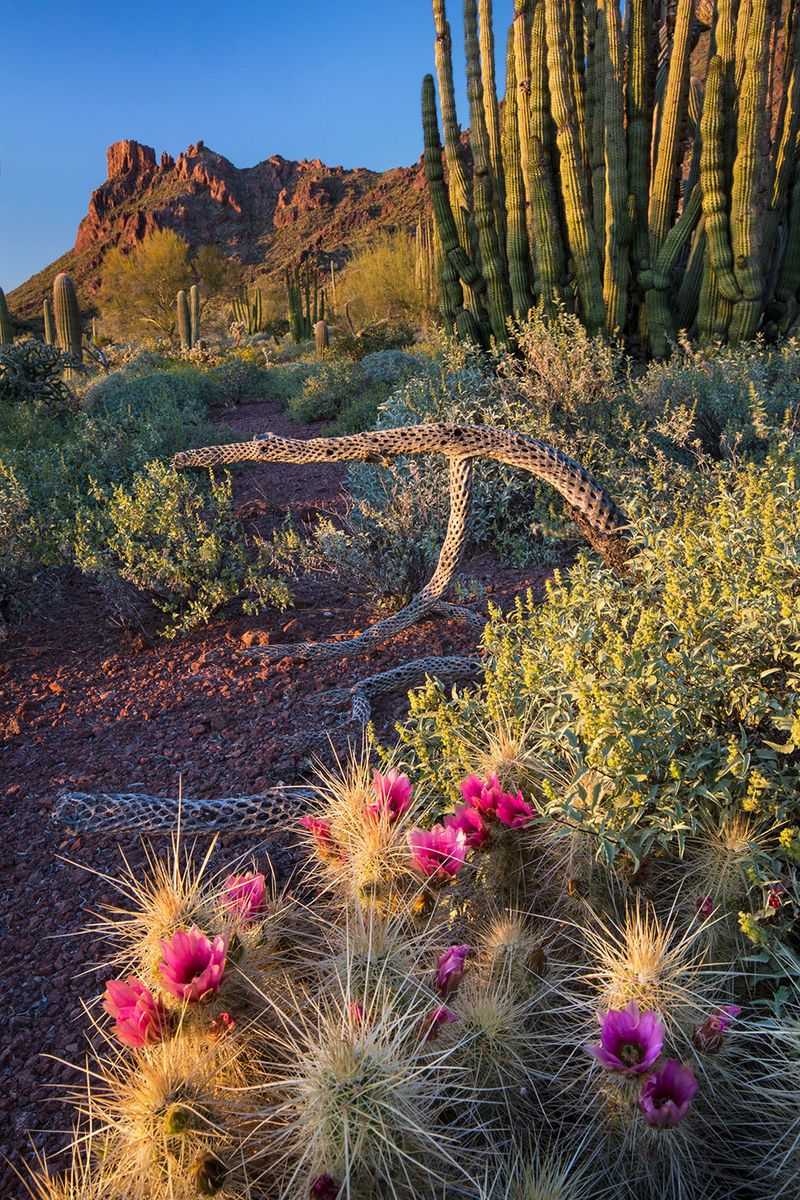
Summer in Arizona is brutal for everyone, including critters. When ground temperatures soar, snakes, scorpions and spiders stay hidden or move mostly at night.
Once October and November bring milder days, they suddenly have more hours to roam.
Rattlesnakes are busy feeding before winter and heading back to dens. Some species even mate in fall.
Scorpions chase the warmth of homes, and black widows guard their egg sacs in sheltered spots.
At the same time, people are outside more, gardening, hosting cookouts and hanging lights. More activity on both sides means more surprise meetings.
It is less about the animals increasing and more about everyone sharing the same pleasant weather.
5. Rock Piles, Woodpiles And Other Hiding Spots
Think like a scorpion for a minute. You want shade, a little moisture and tiny bugs to eat.
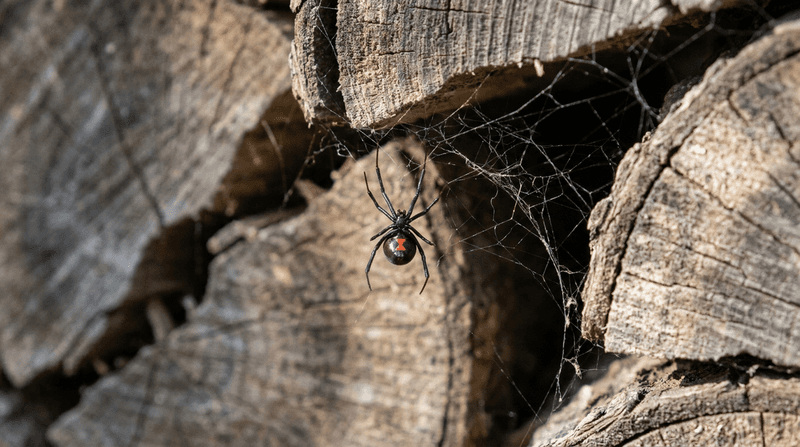
A stack of firewood or a pile of leftover landscape rocks checks every box.
Those same spots attract black widows and give rattlesnakes cool cover and rodent snacks. Overgrown shrubs, stacked pots and clutter along walls all count as prime real estate.
The more hiding places you offer, the more tenants you will get.
Store firewood off the ground and away from the house. Trim bushes so you can see underneath them, and clear debris along fences.
A tidy yard is far less inviting.
6. Rodents: The Hidden Invitation
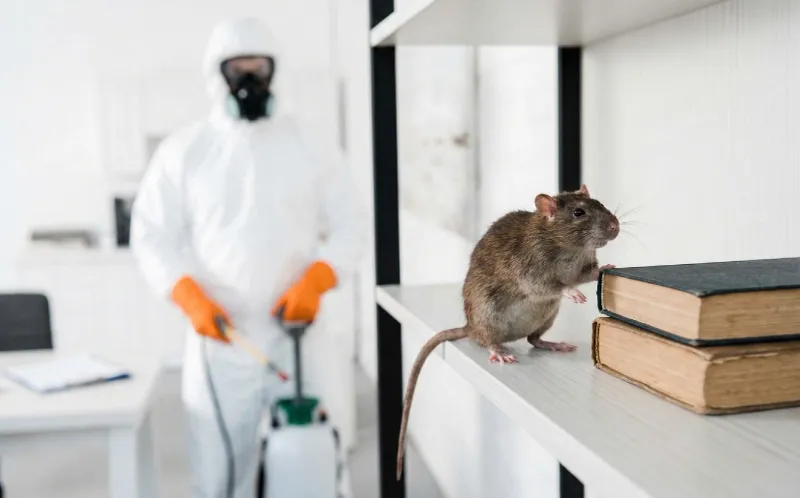
Here is a surprise for many homeowners: the snake is often not the real problem. The mice and pack rats are.
Rattlesnakes go where the food is, and rodents are their favorite meal.
Bird feeders that spill seed, fallen citrus fruit and pet food left outside all draw rodents. Once the rodents settle in, snakes follow their scent trails right into your yard.
Pick up fallen fruit, feed pets indoors and seal gaps under sheds. Cut off the buffet, and fewer predators will show up to dine.
7. Protecting Kids And Pets
Curious dogs and kids have one thing in common. They poke their noses into everything.
That curiosity makes them the most likely to get bitten or stung.
Teach children a simple rule: if you see a snake or a scorpion, freeze, back away and tell an adult. Make sure they wear shoes outside, especially at night.
Kids under about six are at higher risk from scorpion stings, so call Poison Control right away if one happens.
For dogs, keep them leashed near brush, and ask your vet about rattlesnake aversion training, which is popular across Arizona. Some owners also talk with their vet about the rattlesnake vaccine.
If your pet is bitten, go straight to an emergency vet.
8. What To Do After A Bite Or Sting
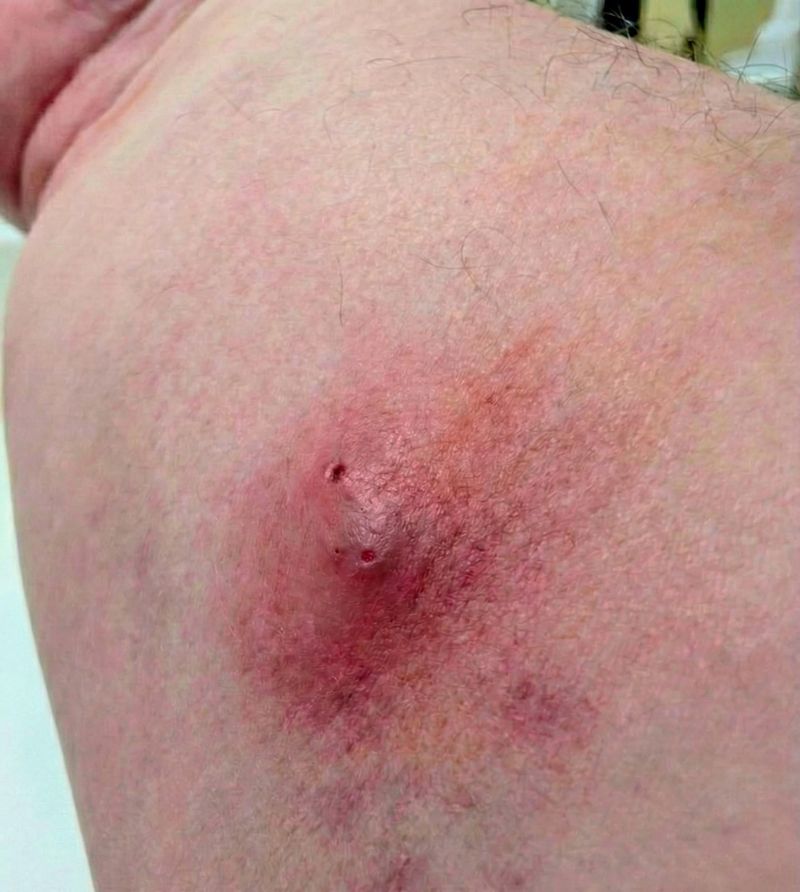
Stay calm. That advice sounds easy, but it truly matters, because panic speeds up your heart rate and makes symptoms feel worse.
For a rattlesnake bite, call 911 and get to a hospital fast. Remove rings and tight clothing near the bite, keep the limb still and around heart level, and skip old myths like ice, cutting or sucking out venom.
Antivenom is the only real treatment.
For scorpion stings or black widow bites, wash the area and use a cool compress, then call the Arizona Poison and Drug Information Center at 1-800-222-1222. They answer around the clock and can tell you if a hospital trip is needed.
Save that number in your phone today.
Share this story