If you live in Arizona, your backyard is shared with some pretty tough neighbors. Bark scorpions hide in the cracks, rattlesnakes rest in the shade, and Gila monsters sometimes stroll right past the patio.
Knowing what each one looks like can keep you, your kids, and your pets safe. Here is a simple guide to spotting the desert critters that deserve a second look.
1. Arizona Bark Scorpion
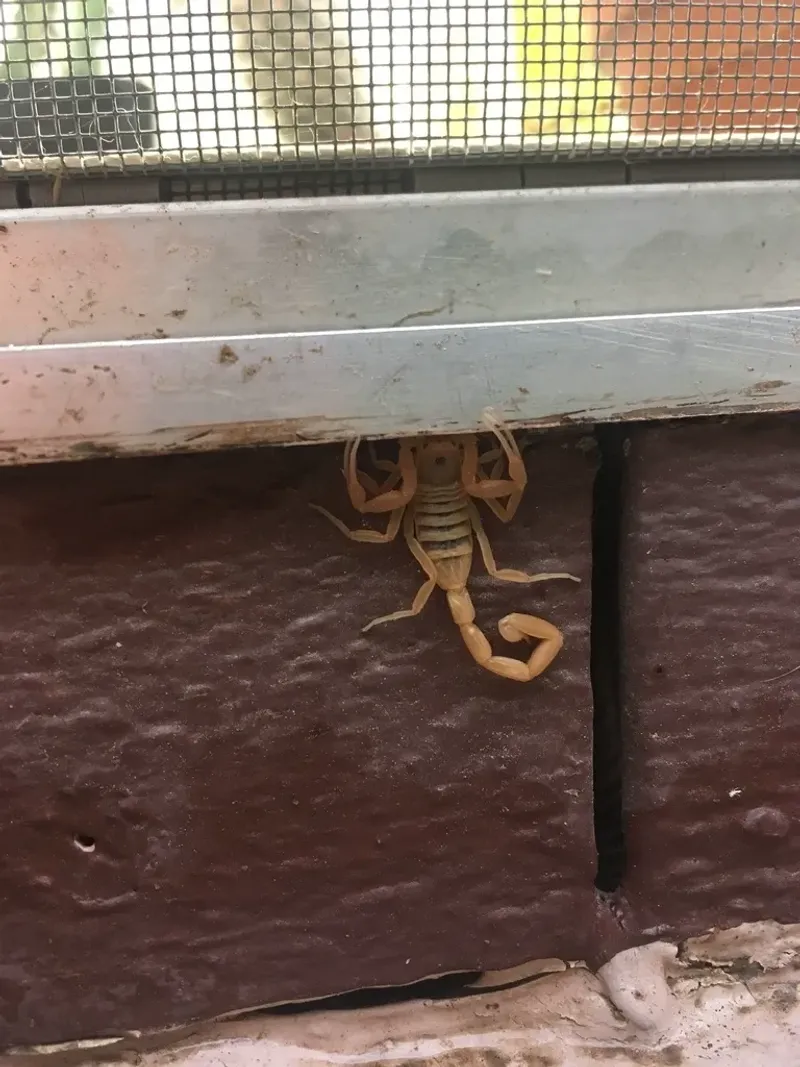
Picture a tiny, straw-colored creature about two to three inches long, clinging upside down to your ceiling. That is the classic bark scorpion move, and it is the only scorpion in the United States whose sting is considered medically significant.
Look for a light tan or yellowish body, long skinny pincers, and a thin tail that often rests curled to the side instead of straight up. Larger desert scorpions tend to be chunkier with fat claws, so skinny is your clue here.
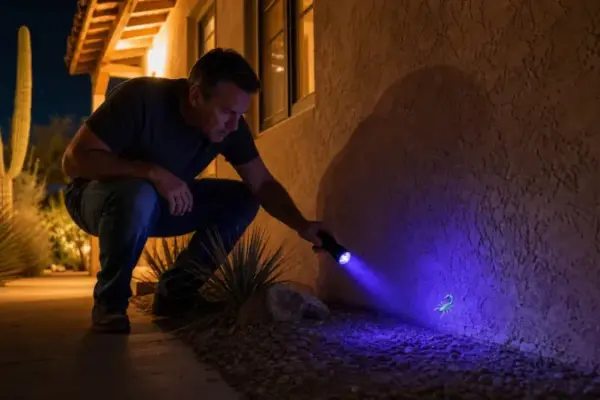
Fun fact: under a blacklight, bark scorpions glow a bright greenish blue. Many Arizona families take UV flashlights out at night to check walls, block fences, and woodpiles.
2. Western Diamondback Rattlesnake
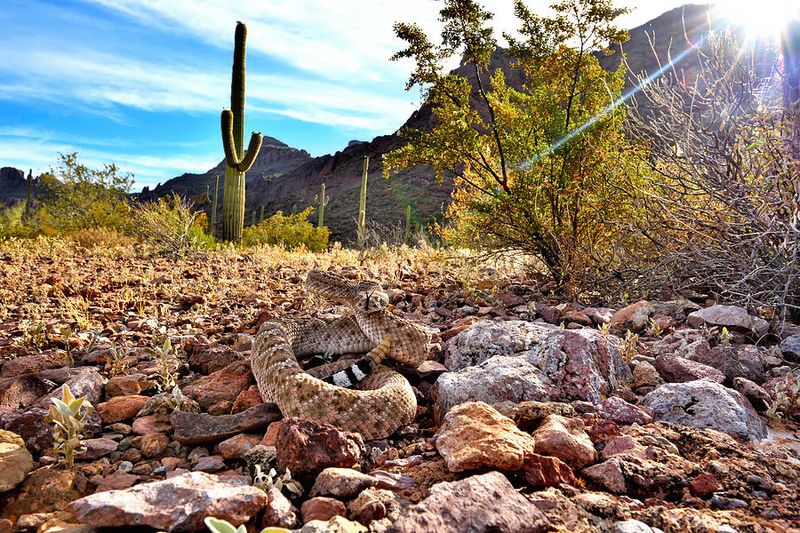
Ask any longtime Arizonan which snake shows up most often, and the western diamondback usually wins. It is big, bold, and found everywhere from Tucson subdivisions to golf courses.
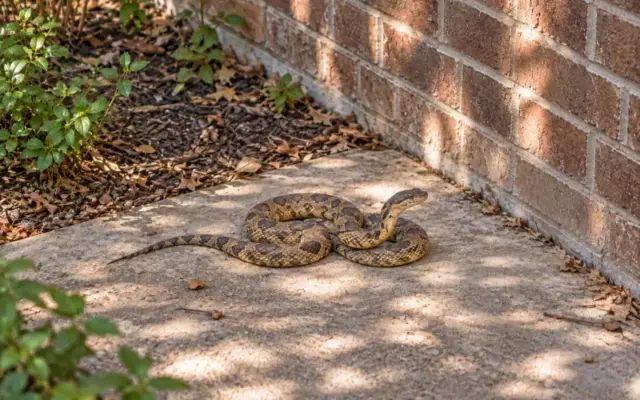
Its body is grayish brown with dark diamond shapes running down the back. The giveaway is the tail, which wears thick black and white rings right before the rattle, earning it the nickname coon tail.
Diamondbacks can stretch past four feet, and they often hide beneath bushes or in garage corners on hot afternoons. Give one plenty of space and call a professional relocation service instead of grabbing a shovel.
3. Mojave Rattlesnake
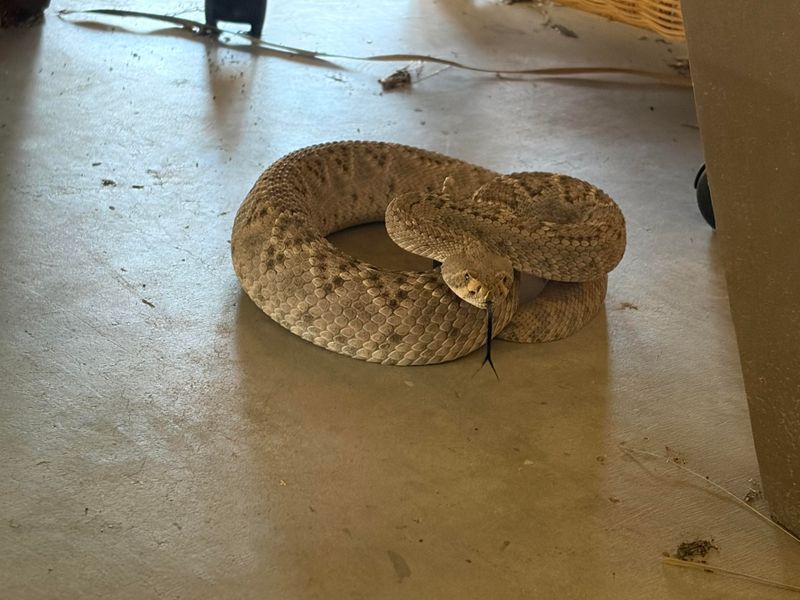
Here is the tricky one. The Mojave rattlesnake looks a lot like the western diamondback, yet its venom is far more potent, so learning the difference pays off.
Many Mojaves have a greenish or olive tint, though some look tan. Their diamonds fade toward the tail, and the white tail bands are much wider than the black ones, unlike the diamondback’s even stripes.
These snakes prefer open, flat desert with creosote bushes, so homes on the edge of town see them more. Honestly, if you cannot tell which snake you are looking at, treat it with the same respect and step away.
4. Sidewinder
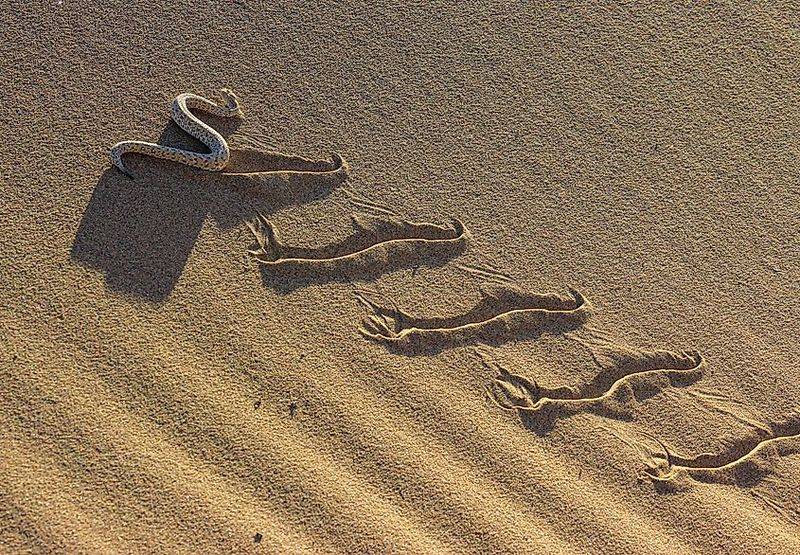
Sideways tracks in the sand that look like a row of J shapes? You may have a sidewinder nearby.
This little rattler loops its body sideways across hot, loose ground.
Sidewinders are small, usually under two feet, with pale sandy coloring that blends into the dirt. Tiny horn-like scales stick up over each eye, giving them a grumpy, eyebrow-raised look.
They show up mostly in western Arizona near Yuma and sandy flats. Their bites are less dangerous than bigger rattlers, but kids playing in sandboxes should still know the J-track warning sign.
5. Gila Monster
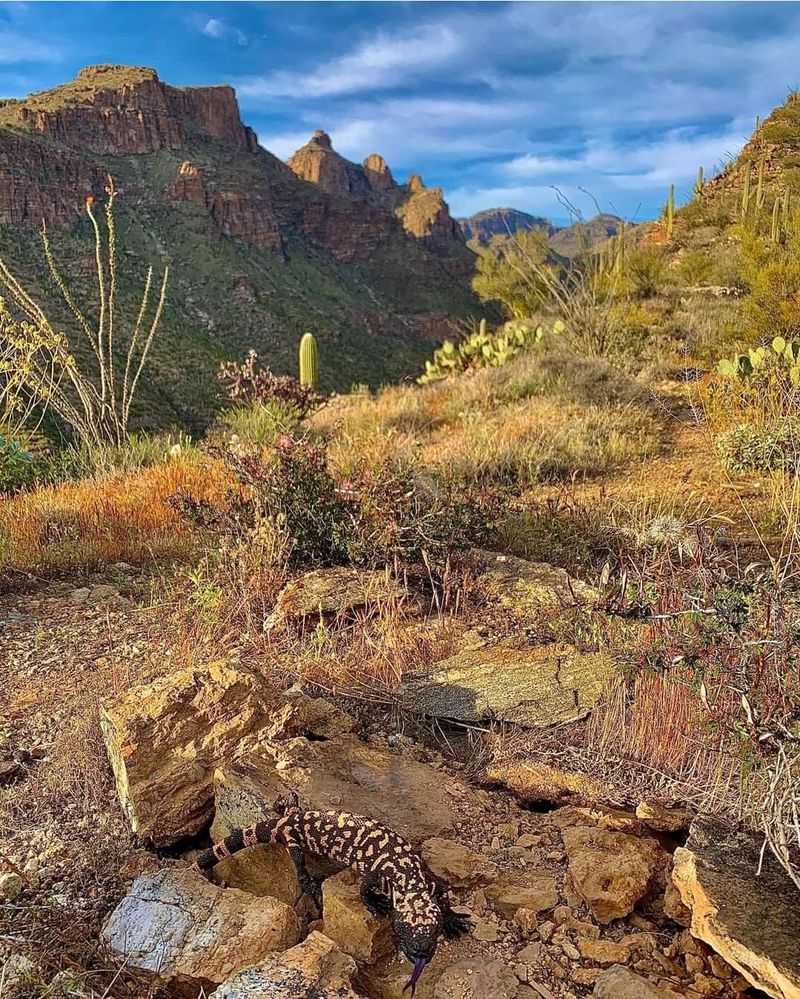
Spotting a Gila monster feels a bit like winning the desert lottery. These chunky lizards spend about 95 percent of their lives underground, so a sighting is rare and memorable.
They grow to around 20 inches and wear bumpy, bead-like skin in black mixed with orange, pink, or yellow. A fat tail stores fat for lean times, and they waddle slowly instead of darting away.
Gila monsters are venomous, but they are shy and only bite when handled. They are also protected by Arizona law, so admire one from a distance, snap a photo, and let it go about its business.
6. Harmless Look-Alikes
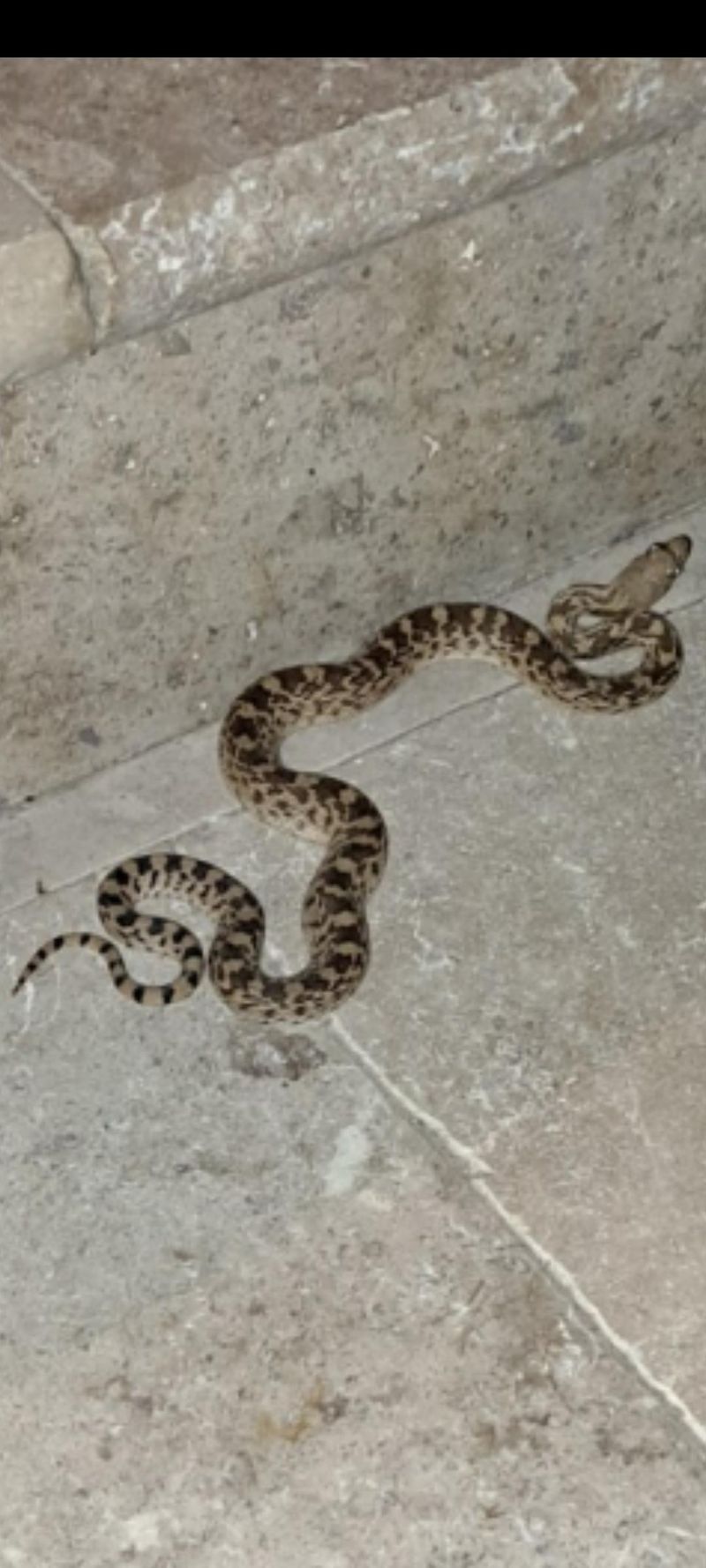
Not every scary-looking critter deserves panic. The gopher snake, for example, copies a rattlesnake by hissing loudly, flattening its head, and shaking its tail in dry leaves.
Check the tail first. Gopher snakes have a pointed tail with no rattle, a slimmer head, and round pupils.
They actually help you by eating rodents that attract real rattlers.
On the lizard side, the colorful but harmless chuckwalla and spiny lizards sometimes get mistaken for Gila monsters. Neither has the beaded, black and orange skin, which makes the real deal easy to rule out.
7. Yard Safety Habits That Work
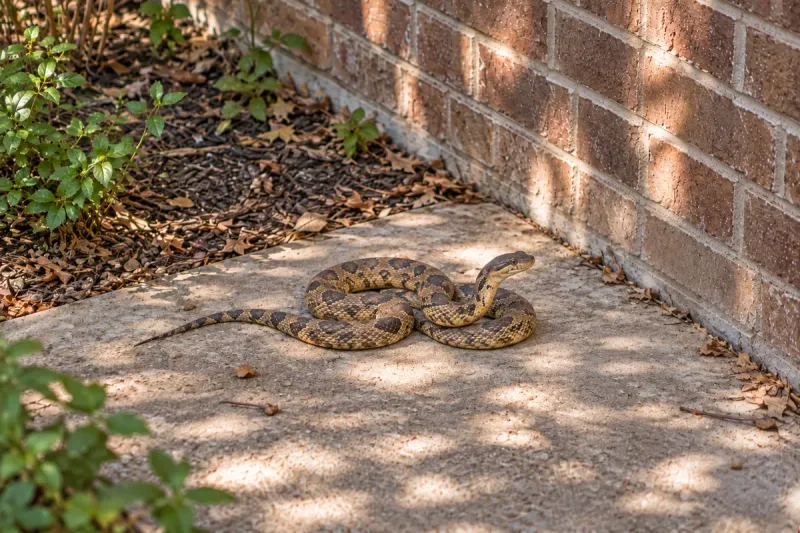
A few simple habits go a long way. Shake out shoes, towels, and gloves before using them, since bark scorpions love dark, cozy spots.
Outside, trim shrubs off the ground, move woodpiles away from the house, and seal gaps under doors with weather stripping. Less clutter means fewer hiding places for snakes and the bugs scorpions eat.
Wear closed shoes and carry a flashlight on summer nights. Save the Arizona Poison and Drug Information Center number, 1-800-222-1222, in your phone, and teach kids to back away and tell an adult whenever they spot something.
Share this story