Your Indiana yard might look peaceful, but some of the plants growing there can make people and pets very sick. Many of them are pretty, common, and easy to miss.
Knowing what they look like helps you keep kids, dogs, and cats safe while you enjoy your outdoor space. Here are ten toxic plants you may already have, and how to spot them.
1. Poison Hemlock
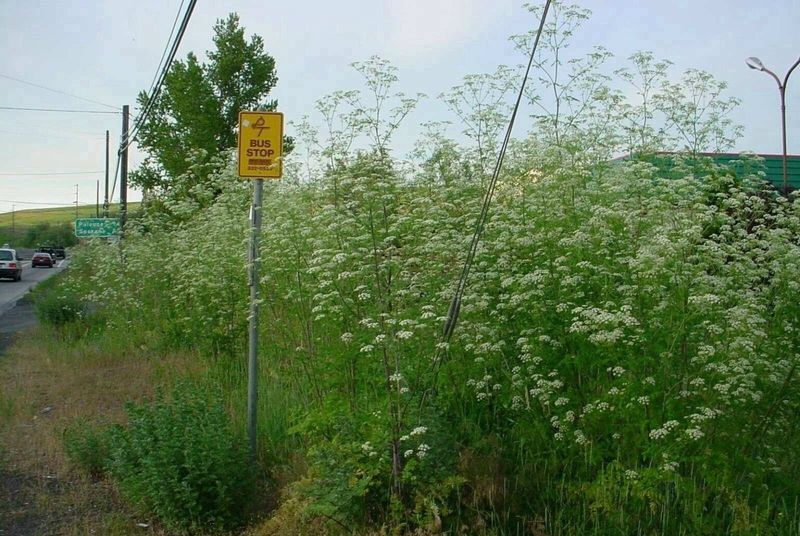
Picture a plant that looks like a giant Queen Anne’s lace and grows taller than a grown man. That is poison hemlock, and it has been spreading across Indiana roadsides, ditches, and the back edges of yards for years.
The easiest clue is the stem. It is smooth, hollow, and covered in purple blotches, almost like someone splattered it with paint.
Every part of the plant is toxic if eaten, and even small amounts can affect breathing.
Fun history bit: this is the same plant famously linked to the death of the Greek philosopher Socrates. If you find it, wear gloves, long sleeves, and eye protection before pulling it, and never burn or mow it into a cloud of debris.
2. Pokeweed
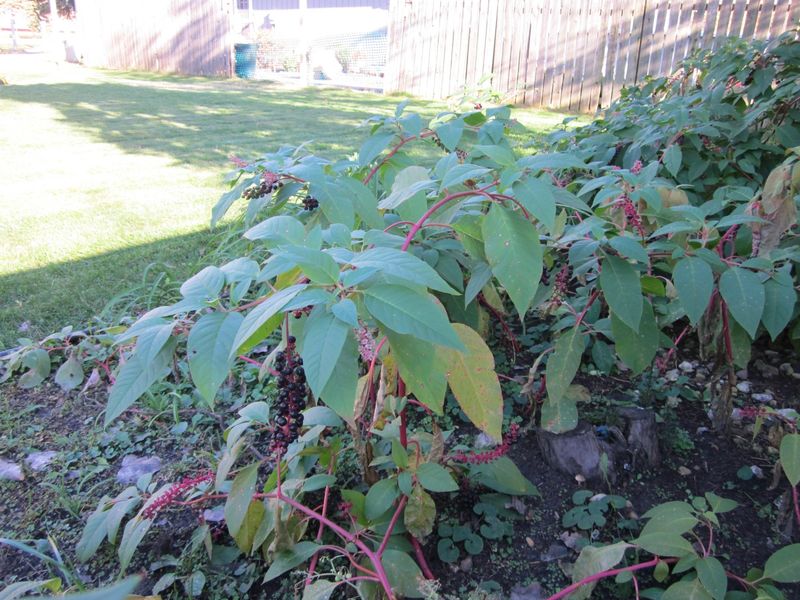
Kids love those shiny purple berries. Birds do too, which is exactly how pokeweed ends up popping out of flower beds and fence corners all over the Hoosier State.
The plant grows fast, reaching up to 10 feet, with hot pink stems that are hard to miss. Its roots are the most poisonous part, but the berries and leaves can also cause vomiting, cramps, and worse, especially in children.
Some old-timers remember cooking young leaves as “poke sallet,” boiling them several times to reduce the toxins. That is not a kitchen experiment worth trying.
Dig out young plants before the berries form, and get as much of the thick taproot as you can.
3. Lily of the Valley
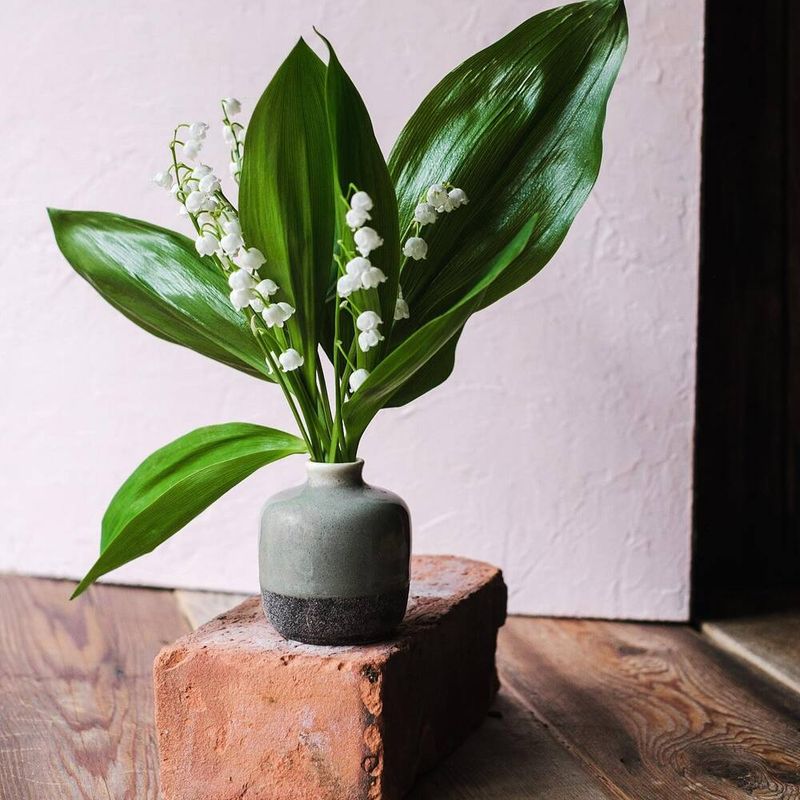
Sweet smell, tiny white bells, and a reputation as a charming spring classic. Lily of the valley has been planted beside Indiana porches for generations, and it rarely goes away once it settles in.
Behind that innocent look hides a set of chemicals that affect the heart. Eating the leaves, flowers, or little orange-red berries can cause an irregular heartbeat, nausea, and dizziness.
Cats and dogs are at risk too. If you love the scent, keep the patch away from play areas and wash your hands after handling it.
4. Yew

Walk down almost any Indiana street and you will see them hugging the front of houses. Yews are tidy, evergreen, and easy to shape, which is why landscapers have planted millions of them.
They are also one of the most dangerous shrubs around. The needles and seeds contain toxins that can stop the heart, and horses and dogs have died after chewing on clippings.
Here is a quirky detail: the red, fleshy cup around the seed is actually the only part that is not toxic, but the seed inside is. That makes the whole berry a bad idea.
Bag trimmings right away instead of leaving them on the lawn.
5. Jimsonweed
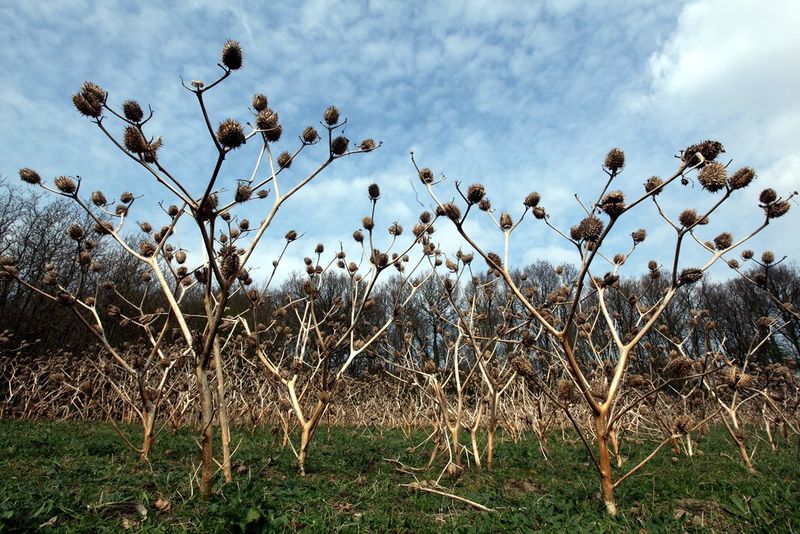
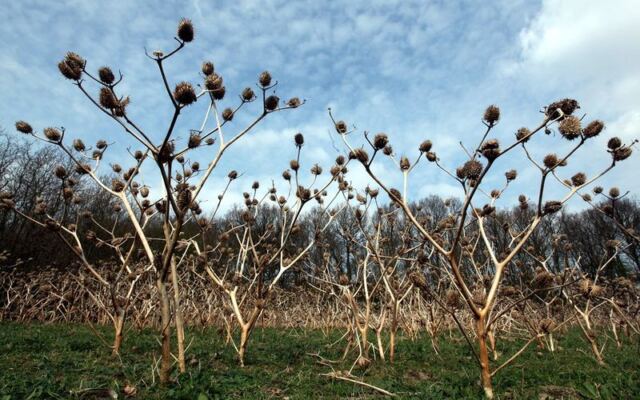
Spiky seed pods that look like tiny medieval weapons should be your first warning. Jimsonweed shows up in disturbed soil, garden edges, and spots where a fresh load of dirt was spread.
Its big white or pale purple trumpet flowers open in the evening. The whole plant, especially the seeds, can cause confusion, hallucinations, a racing heart, and very high body temperature.
Teens have ended up in emergency rooms after trying it on a dare. Pull it while wearing gloves, ideally before the pods split open and scatter dozens of seeds.
6. Foxglove
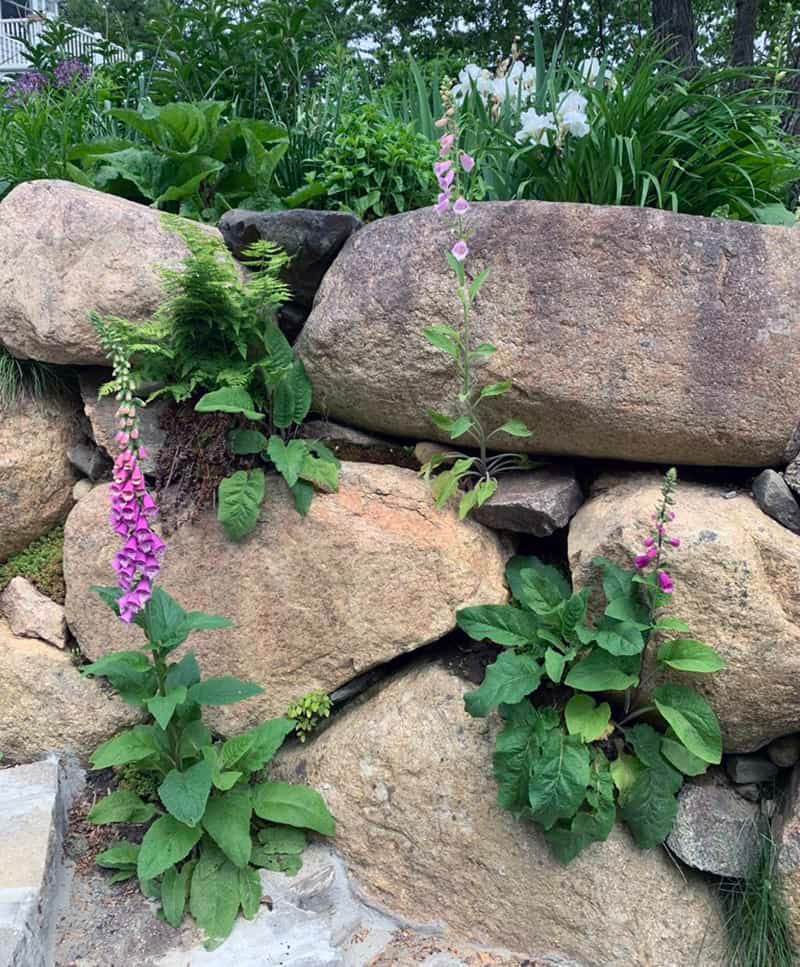
Gardeners adore foxglove for its towering spikes of freckled, tube-shaped blooms. Bees crawl right inside them, which is fun to watch on a June afternoon.
Still, this beauty packs a punch. Foxglove contains digitalis, a compound that strongly affects the heart, and swallowing even a few leaves can be serious.
Did you know? Doctors once made heart medicine from this very plant.
That is a great fact for a science class, but it also explains why foxglove does not belong anywhere near curious toddlers or nibbling pets.
7. Poison Ivy
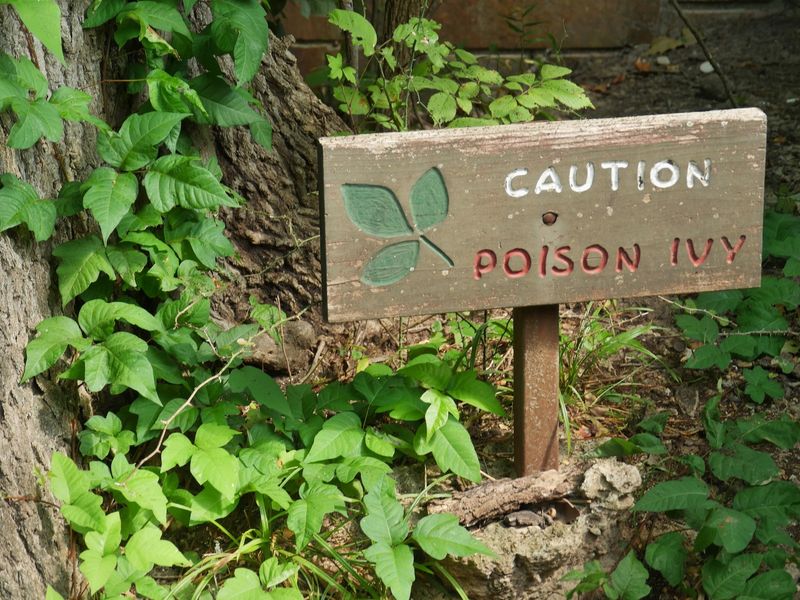
“Leaves of three, let it be.” Most Hoosiers learn that rhyme early, yet poison ivy still sends plenty of people hunting for anti-itch cream every summer.
It grows as a ground cover, a shrub, or a hairy vine climbing trees and fences. The oil, called urushiol, causes red, blistering rashes, and it can stick to gloves, tools, and pet fur for a long time.
Never burn it, since the smoke can harm your lungs. Wash skin with soap and cool water soon after contact, and clean anything that touched the plant.
8. Daffodils
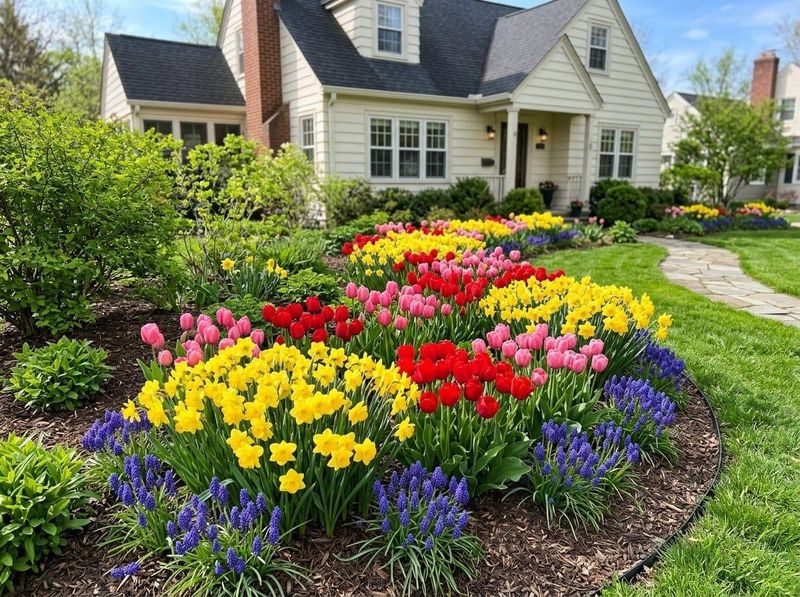
Few things feel as cheerful as the first daffodils after a gray Indiana winter. They are tough, reliable, and planted almost everywhere.
The trouble lives underground. Daffodil bulbs look a bit like onions, and eating one can cause vomiting, drooling, and stomach pain, while dogs who dig them up may get quite sick.
Store spare bulbs out of reach and label them clearly. Even the water in a vase of cut daffodils can bother pets that sneak a drink.
9. Rhubarb
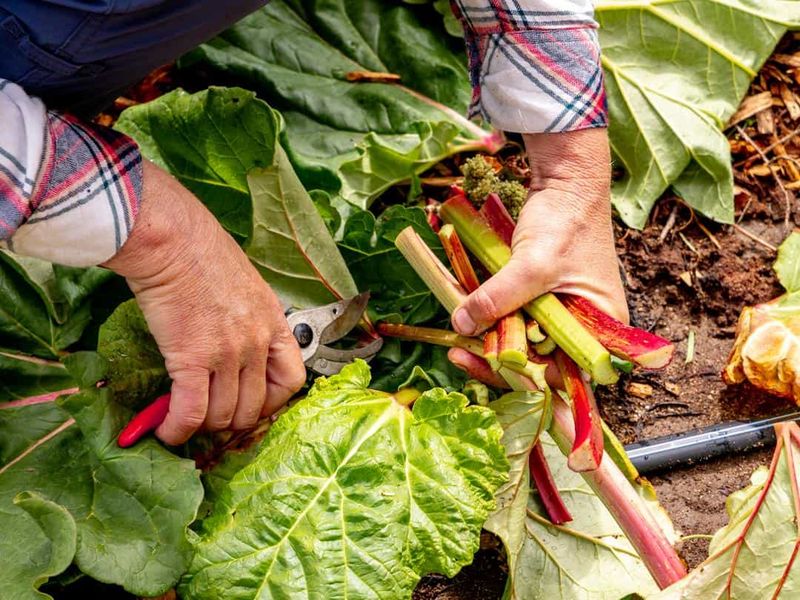
Grandma’s strawberry rhubarb pie is a summer treasure in many Indiana kitchens. The red stalks are safe and tasty, but the giant leaves are another story.
Rhubarb leaves are full of oxalic acid, which can cause mouth burning, nausea, and kidney problems if eaten in large amounts. Pets that chew on them can get sick quickly.
Cut leaves off right in the garden and toss them in the compost or trash. Keep the stalks, skip the greens, and the pie stays a happy tradition.
10. White Snakeroot
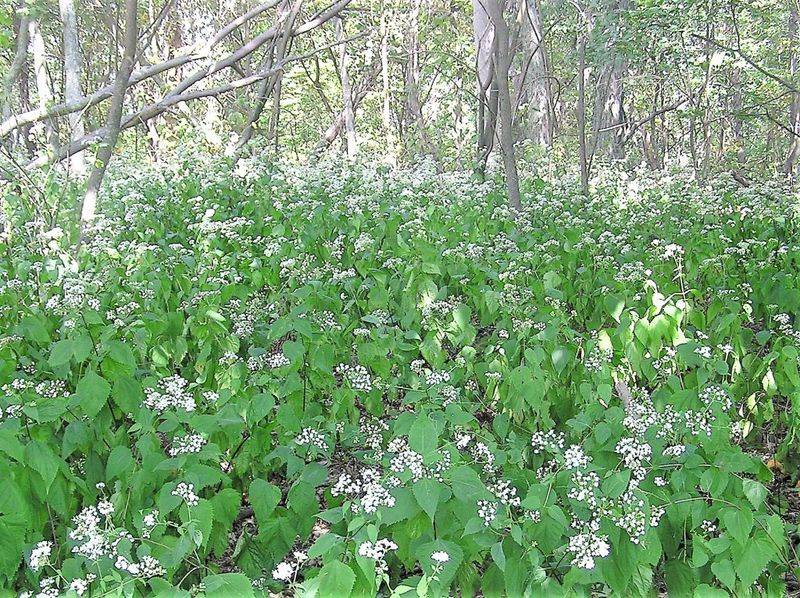
Here is a wild piece of Indiana history. In the 1800s, a mysterious illness called milk sickness killed many settlers, including Nancy Hanks Lincoln, Abraham Lincoln’s mother, in southern Indiana.
The cause turned out to be white snakeroot. Cows ate the plant, and its toxin passed into their milk and meat.
Today it still grows in shady woodland edges and backyards, blooming with fuzzy white clusters in late summer and fall. It is toxic to horses, goats, and other animals, so pull it if you keep livestock or have pets that graze.
Share this story