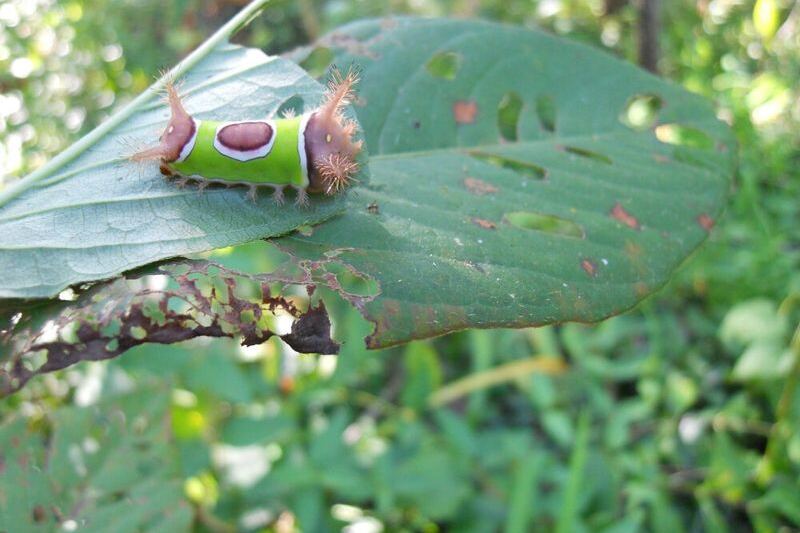
In Maryland, you can generally cut a neighbor’s vine back to the actual property line, and you pay for the work yourself. That sounds simple, but the details matter a lot.
A fence may not sit on the real boundary, and stepping onto the other side can cause trouble. Here is how to handle that creeping vine without starting a feud.
Maryland generally expects the affected landowner to act

Maryland generally uses a practice called self-help when a neighbor’s plants grow across the line. That means the person whose yard is affected is usually the one who acts.
You should not assume your neighbor has to remove the vine or pay for ordinary plant growth.
The leading case is Melnick v. C.S.X.
Corp., decided by Maryland’s highest court in 1988. The full opinion talks about vines directly.
It supports cutting encroaching growth back to the property line, and the landowner who does the cutting covers the cost.
A summary from University of Maryland Extension explains the same idea in plain terms for homeowners. If a neighbor’s plant crosses over, the usual path is to trim what is on your side rather than demand that the neighbor fix it.
Notice the word generally. The court described self-help as the rule in almost all circumstances, which is not the same as a promise that it settles every dispute.
Easements, local codes, and special safety problems can call for a separate look. The next sections cover how to check your boundary and where your right to cut ends, so you can act with confidence and stay out of trouble.
Check the actual boundary before you cut
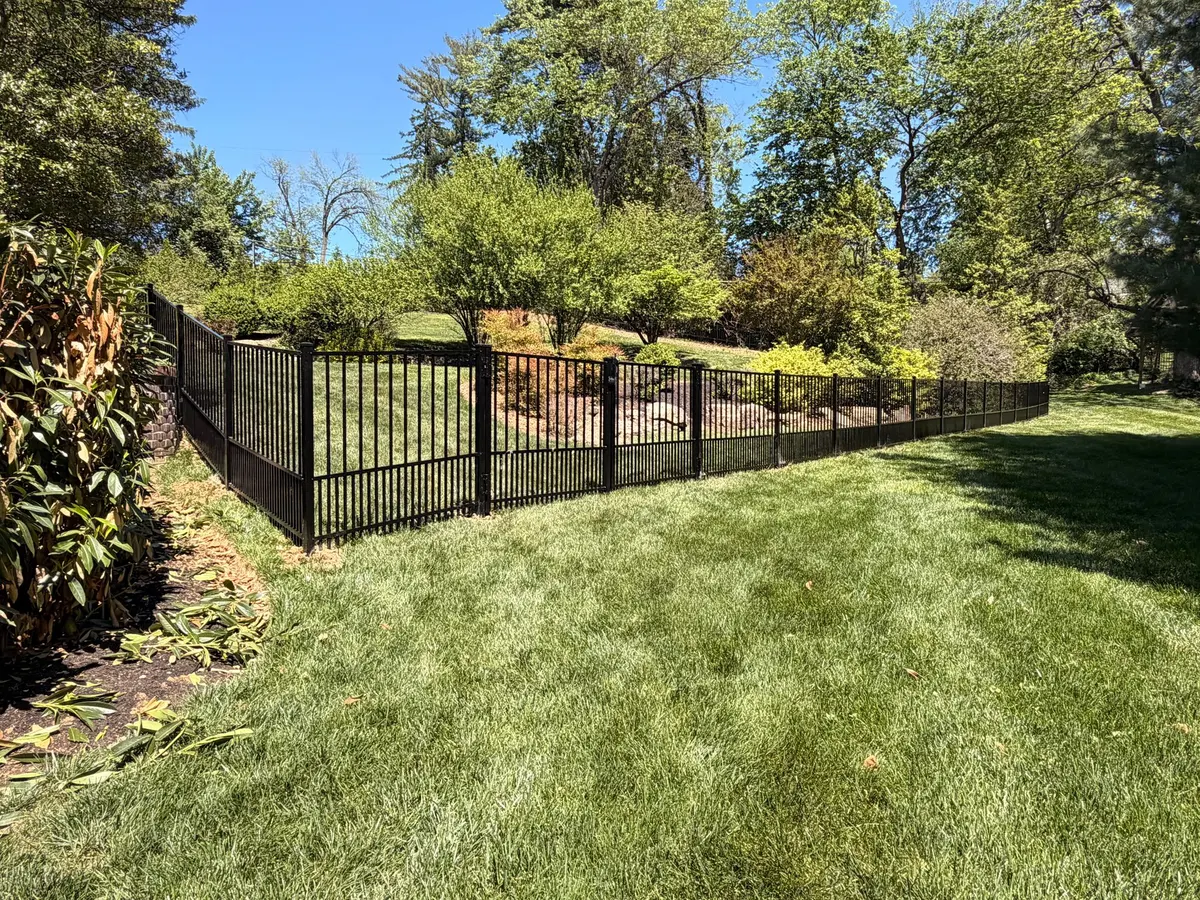
Many people treat a fence as the edge of their yard. In reality, fences are often built a little inside or outside the true line.
A fence by itself cannot prove where your property ends.
This matters because the general cutback rule stops at the actual line, not necessarily at the fence. If you trim at the fence and the real boundary is farther over, you may have cut on land that is not yours.
The reverse can happen too, and you might leave growth that you were free to remove.
Start with your property records, such as your deed and any survey or plat you received at closing. If the line is still unclear, consider hiring a licensed surveyor to mark it.
A City of Takoma Park guide makes a similar point, noting that a surveyor is needed to determine a property line.
Keep in mind that a city guide gives general advice. It cannot tell you where your own boundary runs.
Only your records or a survey can do that, so settle the question before the first cut.
Stay on your side and stop at the line
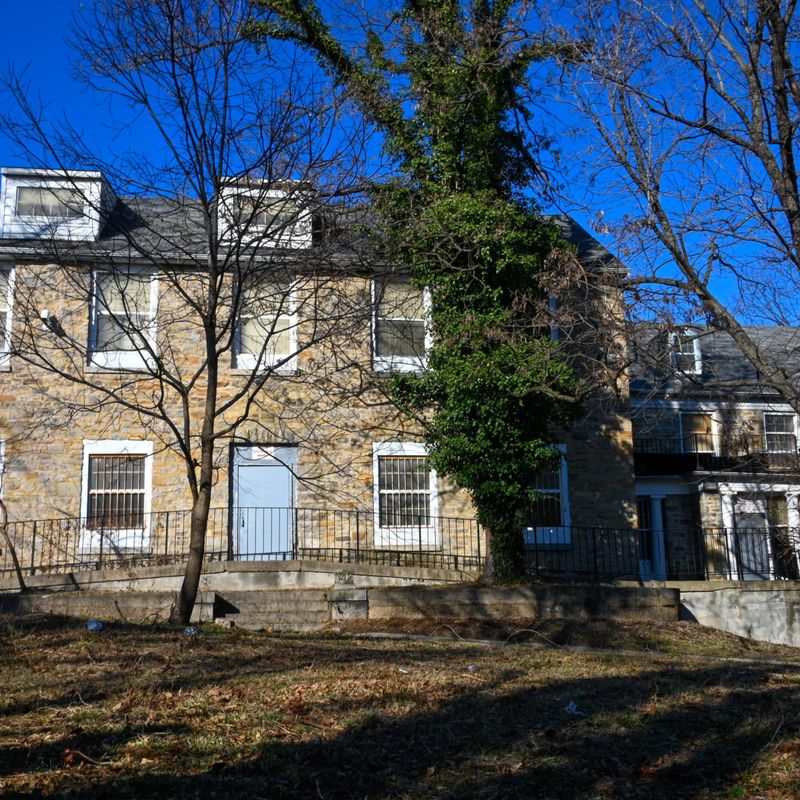
The right to trim is narrow. You may cut the growth that reaches onto your own parcel, and you stop at the actual boundary.
According to the Maryland Department of Natural Resources study guide, the rule allows cutback to the property line but not entry onto the neighbor’s land.
That limit has real consequences. Seeing a vine cross the fence does not give you the right to cut the whole plant.
Reaching over to pull growth from the neighbor’s side, digging up the vine where it is rooted, or cutting down the tree it climbs all go beyond a limited cutback. Those steps need the neighbor’s permission or some other legal authority.
The Melnick opinion also makes clear that the cutback should not destroy the neighbor’s plant or tree. Trimming back to the line is one thing.
Damaging or killing the plant is another, and it could leave you answering for the harm.
If the best fix requires getting onto the other side, simply ask. A friendly conversation, ideally with a quick written note or text, can save a lot of trouble.
Identify the vine before deciding what it does to a tree
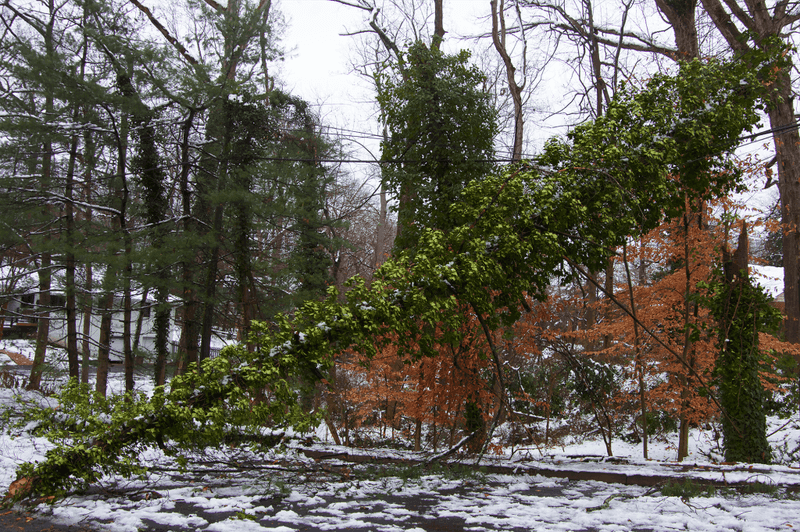
Not every vine is a tree killer, so figure out what you have before you make claims or pick a removal plan. A wrong guess could lead to a tense talk with your neighbor or an unnecessary job.
University of Maryland Extension says poison ivy does not harm the tree it climbs. It is a problem for your skin, not for the host tree.
English ivy is a different story, since UMD Extension notes that it can damage trees when it climbs their trunks.
Those two findings apply to those two plants. They do not mean every vine is harmless or that every vine is destructive.
If you are unsure, take clear photos of the leaves and stems and ask your county extension office for help identifying it.
Knowing the plant helps you explain your concern fairly and choose safe steps. It does not widen your legal rights, though.
Even a harmful vine on the neighbor’s side stays off limits unless the neighbor agrees to the work.
Know when to stop and call a professional
Some vine jobs are bigger than they look. If the plant might be poison ivy, cover up first.
UMD Extension advises long sleeves, long pants, gloves, and boots so the plant’s oil never touches bare skin.
Wash your work clothes separately from the rest of your laundry afterward. Tools and gloves can carry the oil too, so handle them with care.
Never burn suspected poison ivy. The toxins can travel in smoke and cause serious breathing problems if inhaled.
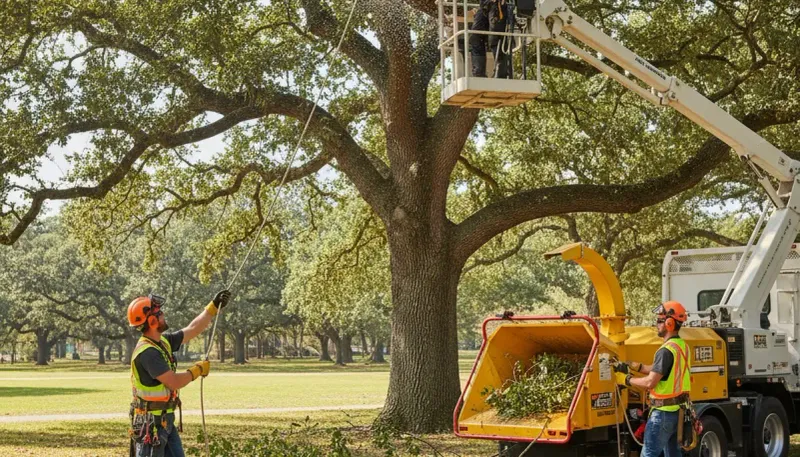
Know your limits with height and size as well. UMD Extension warns that work involving climbing, large trees, or overhead wires is dangerous.
Hire a licensed tree expert or certified arborist for those jobs rather than trying them yourself.
A ladder, a chainsaw, and a tangled vine near a power line are a poor mix. Paying a professional costs far less than an injury, and a pro can also help you keep the cutback within your own property line.
Local rules and special property interests may matter
State-level guidance is only part of the picture. Easements, such as those for utilities, can limit what anyone may do with plants along a boundary.
Public rights-of-way, like land beside a road, may also call for a separate review before you cut anything.
Local governments add their own rules. Takoma Park, for example, has a tree-impact assessment requirement for certain pruning, as shown on its tree ownership and right-to-prune page.
That is a local example, not a statewide law, so check what your own city or county requires.
For trees in a public road right-of-way, Maryland DNR’s Roadside Tree Program requires a permit for tree work.
You may also hear about a state tree-damage law. Natural Resources Article section 5-409 is narrow.
It covers specified wrongful entry involving merchantable trees or timber, and it is not a rule about cutting any vine or plant.
If an easement, a public strip, or a local code might apply, pause and get that answered first.
Make a measured plan before trimming
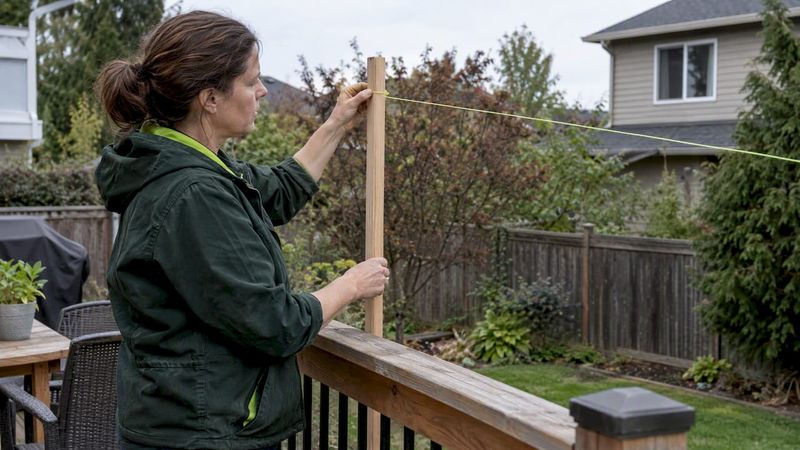
Start by confirming where the actual boundary runs, using your records or a surveyor. Next, identify the vine so you know what hazards come with it.
Then limit any cutback to the growth on your side of the line, as described in the DNR study guide and the Melnick opinion.
Ask your neighbor before crossing the line for any reason. If the boundary, the hazards, or a local requirement feels uncertain, stop and sort it out first.
A vine that took years to cross the fence will wait a few days for good information.
Share this story