Winter changes what red foxes do, and that can matter to anyone in Louisiana who lives near fields, woods, or ditches. Foxes stay active through the cold months, and their travel, meals, and mating habits can shift.
A yard with the right cover or food nearby may sit inside the bigger area a fox roams. Here is what that means, and what to do if one trots past your fence.
Where red foxes fit in Louisiana
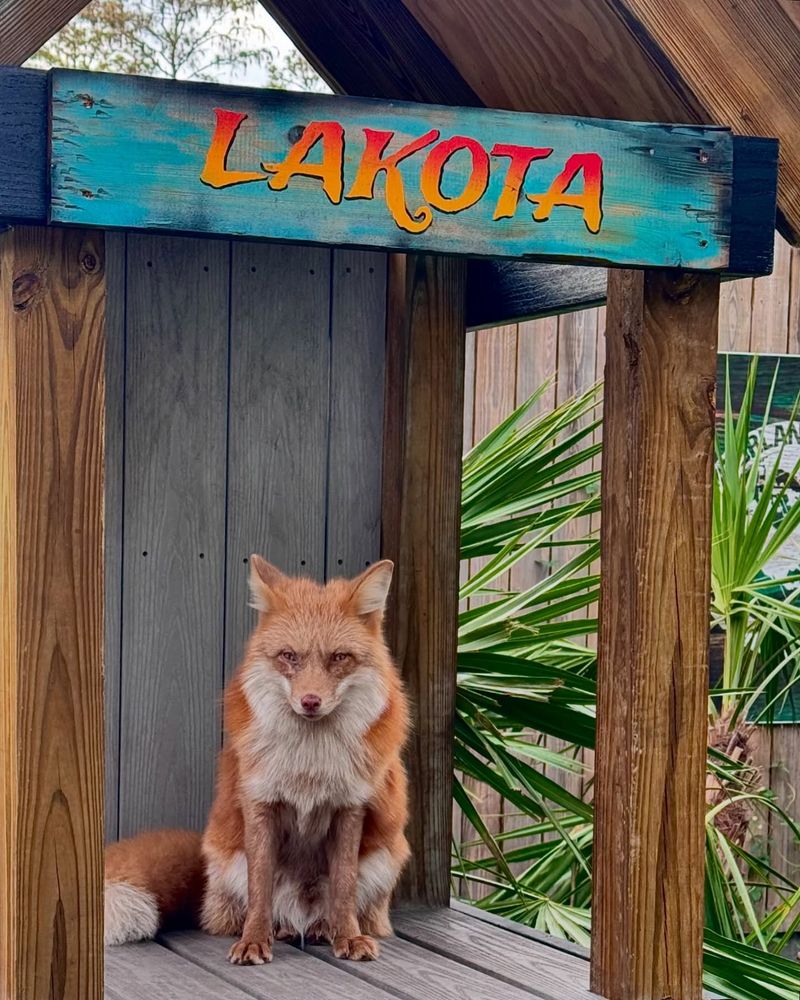
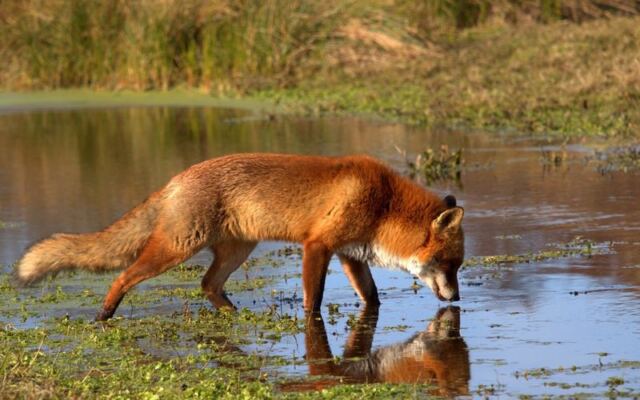
Louisiana is home to two fox species, the red fox and the gray fox. State material describes red foxes using Louisiana wildlife educational material that pictures them as reddish-orange animals with dark lower legs and a bushy tail.
Their habitat includes wooded areas, open farmland, fence rows, and ditch banks.
A 2008 LSU AgCenter profile reported that red foxes are absent from the extreme southern parishes. That report is old, and the sources used for this article do not establish where red foxes live there today.
Treat it as a historical note, not a current map.
The same profile compared how common the two species were, but those comparisons come from 2008 and are not a current survey. Nobody should read them as a count of today’s foxes.
Color can fool you. A gray fox can have reddish fur, so a rusty-looking animal is not enough to say you saw a red fox.
Look at the whole picture, including the leg color, the tail, and the setting, and be comfortable saying simply that you saw a fox.
Knowing which foxes live in your part of the state, and how much is still unsettled, gives you a sensible starting point before thinking about seasons.
What winter can change for a fox
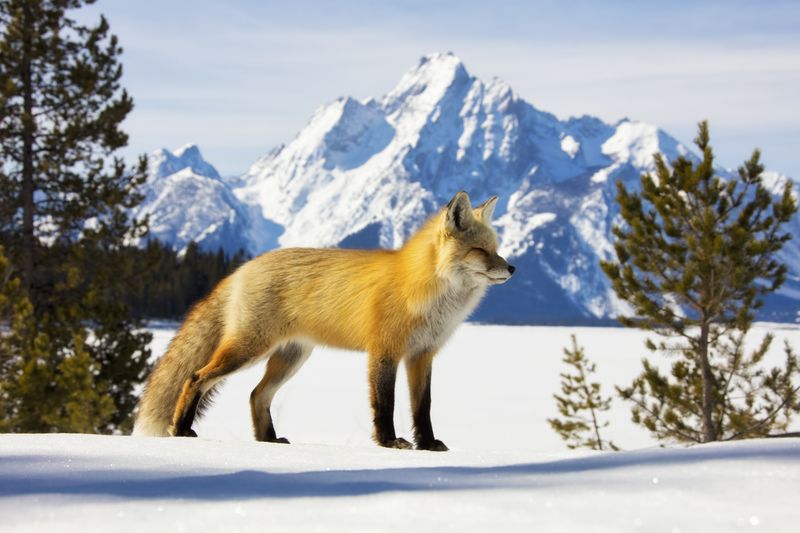
Red foxes do not hibernate. The U.S.
Forest Service review of red foxes says they stay active in winter and that their home ranges tend to be larger then. That is a general red fox pattern, not a change every Louisiana fox makes.
Meals can shift too. The same review describes a diet that is generally more animal-based in winter than in summer and fall.
In Louisiana, the AgCenter profile lists rabbits, rats, and mice among their main prey, so a fox may spend more time hunting small mammals along field edges.
Breeding adds another layer. According to the LSU AgCenter profile, Louisiana foxes breed in fall or early winter.
The Forest Service describes a broader season that starts earlier in the south than farther north.
Because of that, there is no single calendar date when every fox in the state starts courting. Timing varies from place to place and animal to animal, and so does movement.
A fox might roam farther, hunt differently, or be busy with mating. Another one nearby may keep the same routine it had in October.
The safest takeaway is that winter can nudge fox behavior, not that it flips a switch.
How a yard can overlap with fox habitat

Think of a fox’s range as a patchwork of woods, fields, ditches, and edges. Foxes use varied landscapes, and the Forest Service review notes they can live in a wide mix of settings.
A yard beside brush, a drainage ditch, or a field with plenty of mice could fall inside part of that patchwork.
Research on foxes in towns comes mostly from outside Louisiana. The University of Wisconsin-Madison offers extension guidance on fox and coyote ecology showing that foxes may use suburban areas.
Treat it as general guidance, not proof of what happens in a Louisiana neighborhood.
The sources used here do not establish that foxes visit Louisiana yards more often in winter. They also cannot say that any particular yard lies in a fox’s path.
What they support is a possibility: a yard near cover or prey may be part of a fox’s wider travels.
If you want to gauge your own chances, look around. Is there thick brush, a quiet ditch bank, or a field close by?
Do rodents or rabbits turn up often?
Those clues say more about your property than the season does. A single sighting tells you a fox passed through, and little more.
What a daytime sighting can tell you
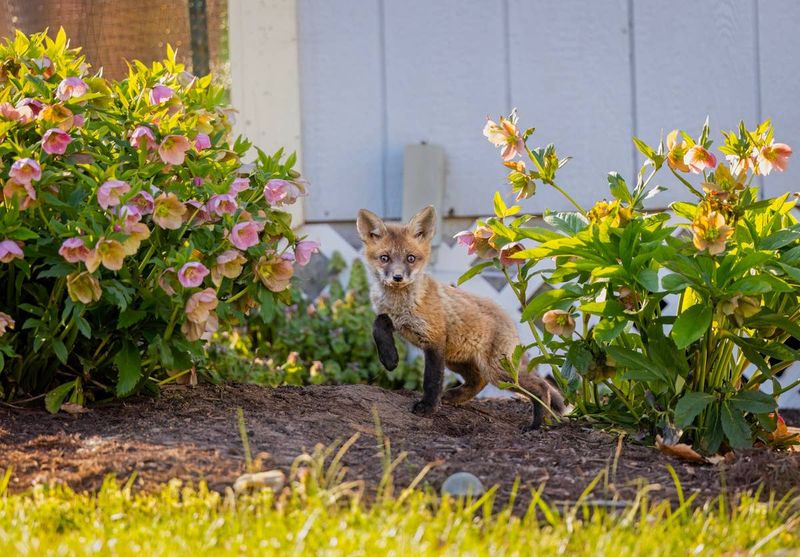
Seeing a fox at noon can feel strange, but the clock alone does not tell you much. Foxes are often most active around dusk, night, and dawn, according to the University of Wisconsin-Madison extension.
Still, a healthy fox may be out in daylight, especially when hunting or moving between spots.
Daytime activity by itself does not establish illness or rabies. Plenty of ordinary foxes are spotted in the daytime and go about their business.
A fox in your yard also does not show that it is hunting pets or is an immediate danger. Rutgers Cooperative Extension says a fox or den on a property generally poses no risk and is usually best left alone.
If you have specific worries, such as small pets that stay outside, ask local wildlife officials for advice.
What matters more is how the animal acts. Watch from a window or a safe distance.
A fox that trots off when it notices you is behaving normally.
Call local animal control or wildlife authorities if the fox seems disoriented, is unusually aggressive, or looks seriously abnormal. Keep away from it while you wait, and do not try to approach or help it.
Make food harder for foxes to find
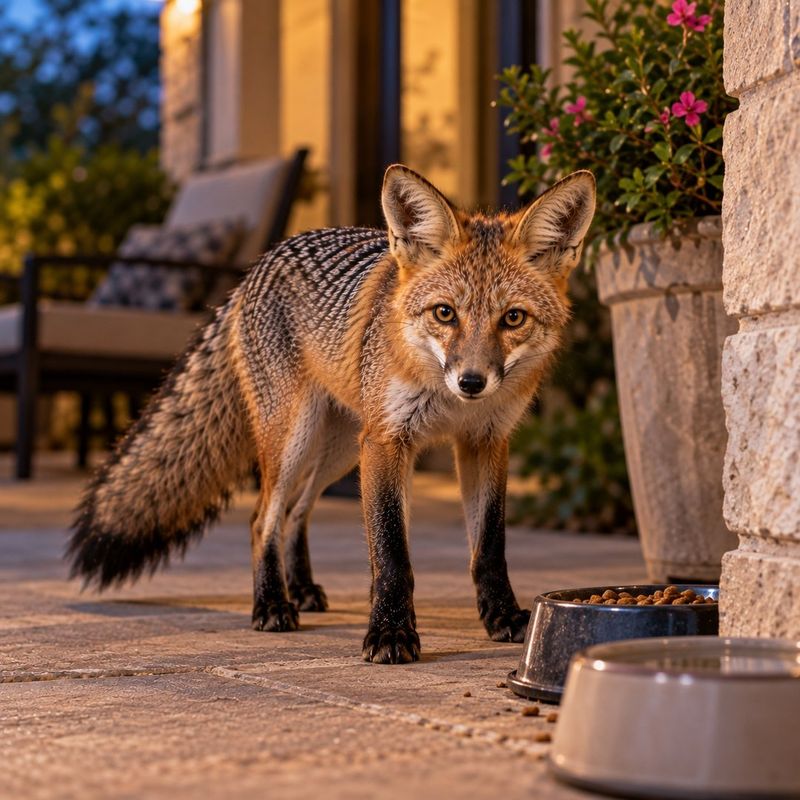
Foxes follow food. If your yard offers easy meals, a passing fox has more reason to linger, so the best step is to remove the rewards.
Advice from Rutgers Cooperative Extension includes not feeding foxes and securing other attractants.
Start with trash. Use cans with tight lids, and set them out close to pickup time instead of the night before.
Store bird seed in a sealed container, and sweep up seed that spills below feeders.
Bring pet food indoors, and feed pets inside when you can. Pick up fallen fruit, and keep compost covered or enclosed.
Even a bowl of water and kibble left on the porch overnight can draw wildlife.
Utah State University Extension offers similar tips on not feeding foxes. Both sources are from outside Louisiana, so treat these steps as general wildlife-management recommendations, not results from Louisiana trials.
There is also no promise that a fox will leave. These steps simply cut down on easy food.
Never toss food to a fox, and do not try to corner, catch, or move one yourself.
Keep your distance and get help after contact
Most fox sightings are calm and end with the fox wandering away. The simple rule is to enjoy it from a distance.
Do not approach, handle, feed, or try to capture a fox, because it is a wild mammal that can carry rabies.
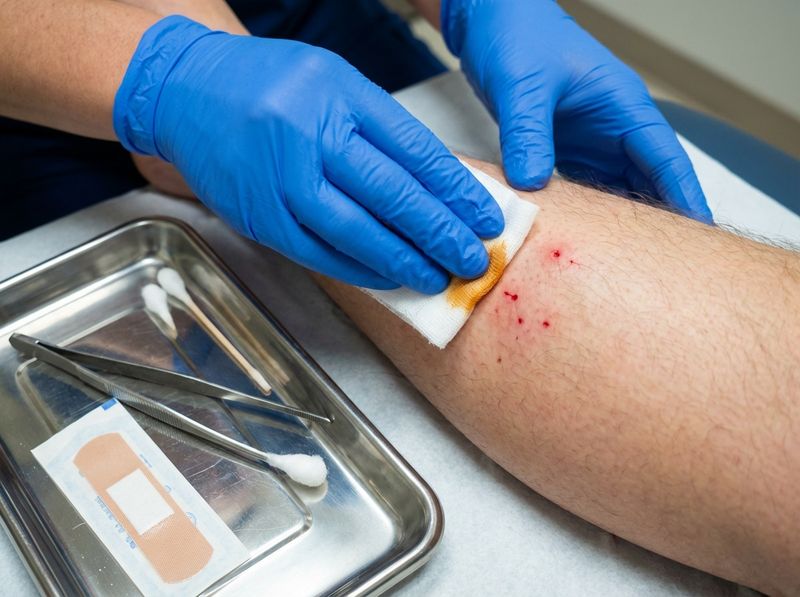
If you are bitten or scratched, act quickly. The CDC guidance on when to seek care says to wash the wound with soap and water for 15 minutes.
Then promptly contact a health professional or your local health department for advice about exposure.
That step is separate from reporting a strange animal. If a fox appears disoriented, unusually aggressive, or seriously abnormal, stay away and contact local animal control or wildlife authorities.
Calling them does not require anyone to be hurt.
Keep children and pets inside while you wait, and watch from a safe spot. If a pet has had contact with a fox, call your veterinarian for guidance.
Rutgers Cooperative Extension also notes that a fox or den on a property generally poses no risk. For most households, a calm approach is enough.
A fox on the lawn is usually just a neighbor passing through.
Share this story