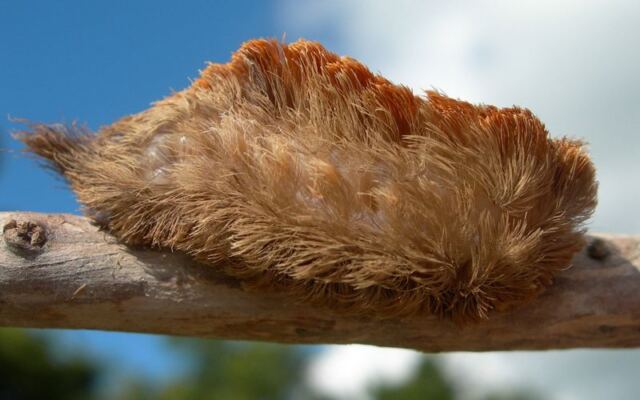
If an asp caterpillar stings you, step away from it, press sticky tape on the spot, lift the tape off, wash the skin, and cool it with a wrapped cold pack. Louisiana gardeners can brush against this fuzzy caterpillar while pruning, raking, or trimming.
The sting hurts far more than its small size suggests. Knowing the steps ahead of time can make a bad moment easier to handle.
What to do right after skin contact
Step back from the caterpillar first, and keep your bare hands off it. Grabbing it or swatting it can push more hairs into your skin.
If it is still on you, flick it off with a stick, a folded paper, or a gloved hand.
Next, take sticky tape, such as packing tape or cellophane tape, and gently press it onto the exposed skin. Lift it straight away, and repeat with a fresh piece if you see more hairs or spines.
Poison Control advises this tape method for sting spots.
The tape is meant to lift off remaining hairs or spines. It does not pull out all the venom, it cannot promise relief, and it will not prevent a strong reaction in every person.
Still, getting those hairs off the skin is a sensible first move.
The asp is the local name for the puss caterpillar. The LSU AgCenter explains that its soft-looking hair hides venomous spines.
That is why a gentle approach works better than rubbing or scratching the area.
Wash the skin and cool the area
Once the tape is done, wash the area gently with soap and water. Skip hard scrubbing, since that can irritate skin that is already sore.
Pat it dry with a clean towel.
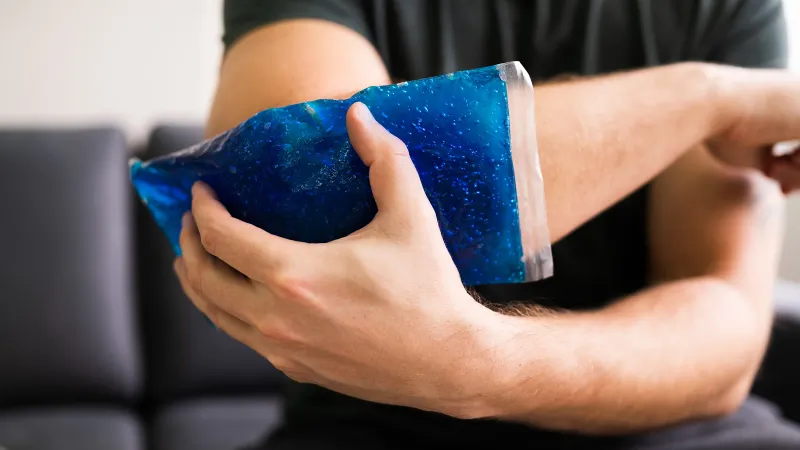
After washing, apply a cold pack or ice wrapped in a cloth. Never place ice straight on the skin.
MedlinePlus suggests using ice for 10 minutes on and then 10 minutes off.
Think of these steps as ways to ease the discomfort, not as a cure. Poison Control describes washing and cold as basic care for a sting.
The sources do not show that any special home remedy works as an antidote.
So there is no need to hunt through the kitchen cabinet. Soap, water, tape, and a wrapped cold pack cover the basics.
Keep an eye on how you feel over the next few hours.
A sting can cause pain, redness, and a rash
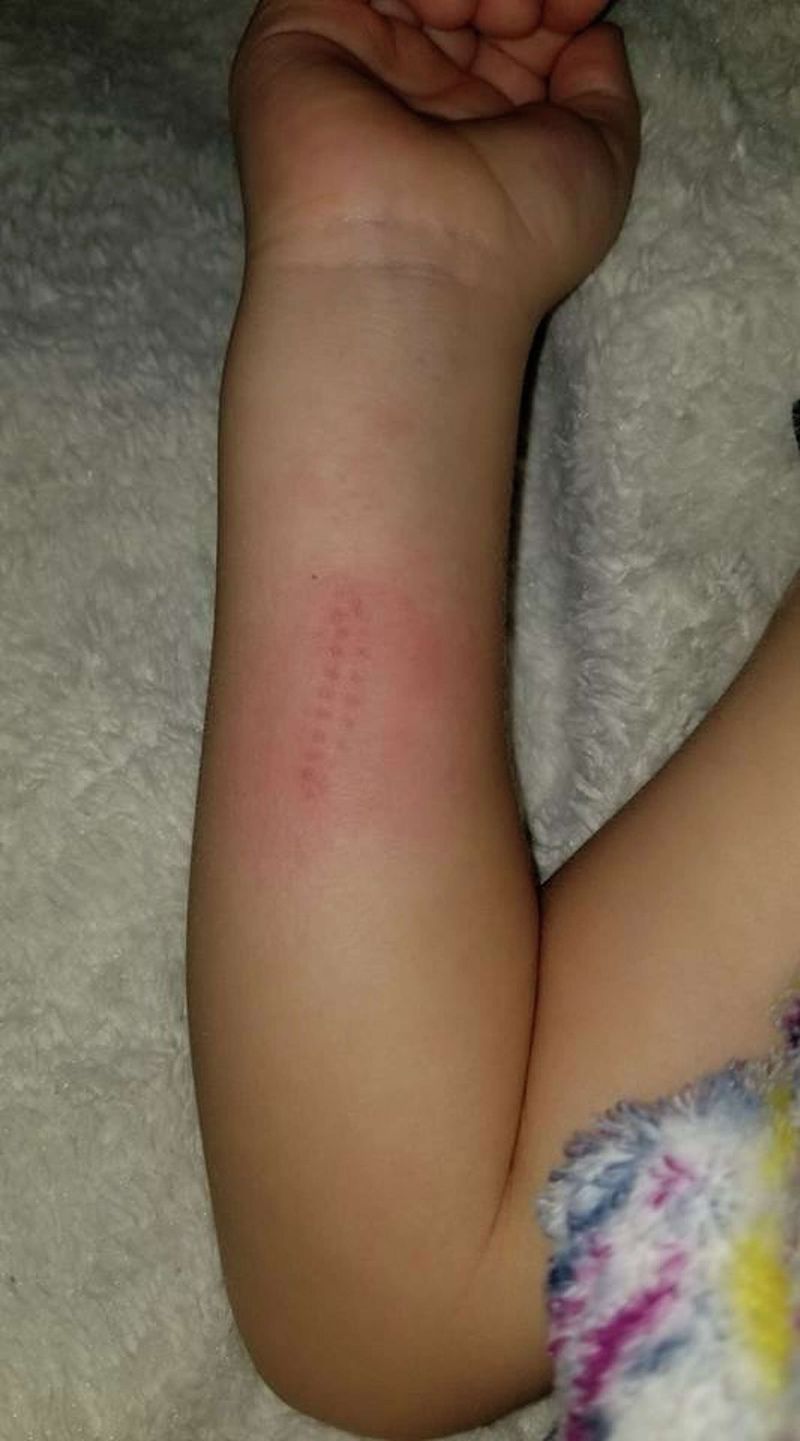
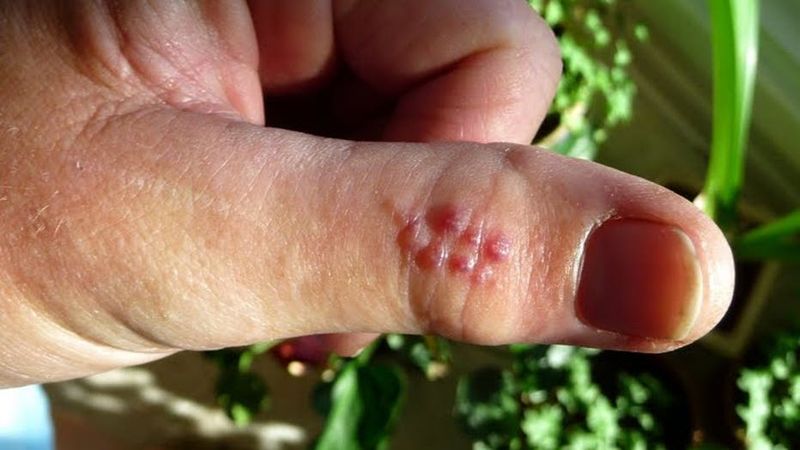
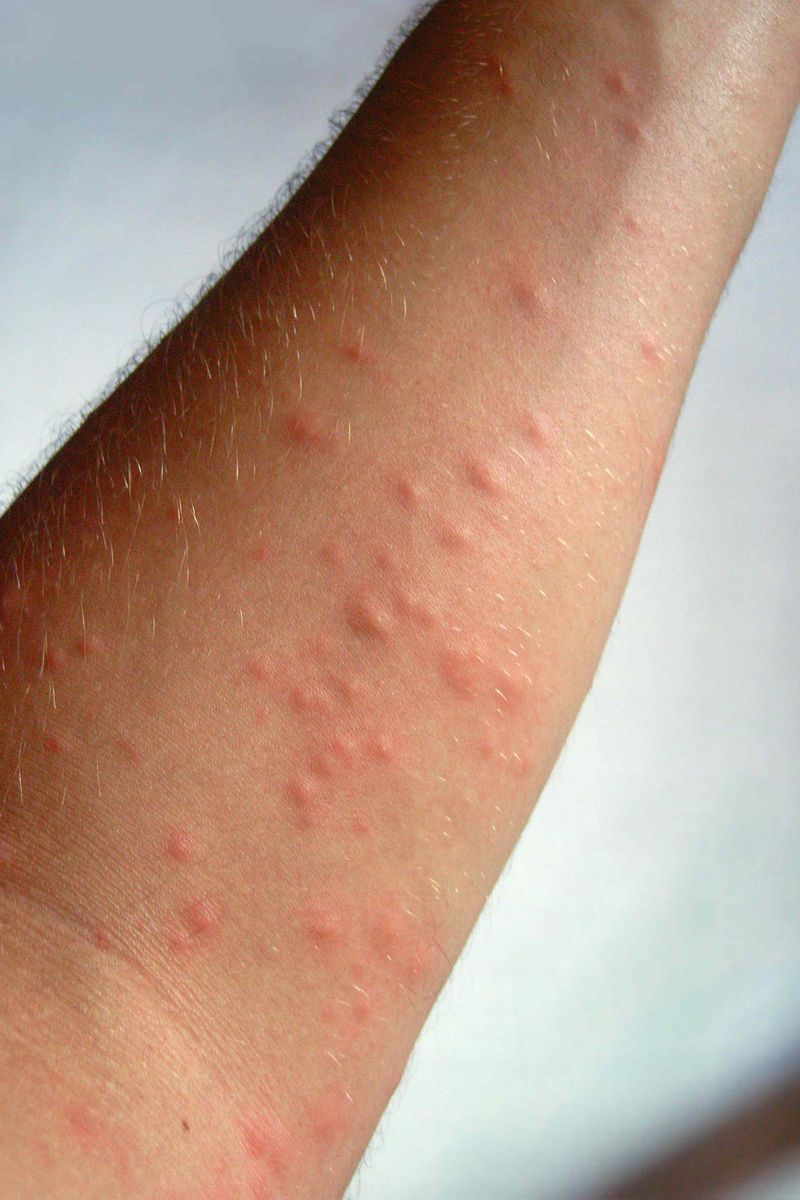
Most people feel the sting right away as intense burning pain. The skin around it often turns red and swells.
Some people also see a blistering rash, and it can form a pattern that matches the shape of the caterpillar’s body.
These local signs are the usual picture, and they can look dramatic without meaning something dangerous. The spot may throb or ache and feel tender to the touch.
Seeing redness and swelling right at the contact site is common.
How long it hurts varies a lot from person to person. The MSD Manual says the pain usually fades in about an hour.
LSU AgCenter reports that it can last more than 24 hours.
Because the sources differ, plan for the longer end. Do not assume the pain will be gone in an hour.
If the pain drags on, keep using the cold pack in cycles and rest the area.
Know when to get emergency help
Serious reactions are uncommon, but they need fast action. Call 911 for difficulty breathing, fainting, swelling of the lips, face, or tongue, or difficulty swallowing.
Poison Control notes that a severe allergic reaction is possible but rare.
Other effects beyond the skin are also uncommon. LSU AgCenter documents symptoms such as nausea, vomiting, and muscle spasms.
If you notice these after a sting, get medical advice rather than waiting it out.
Eye, mouth, and inhalation exposures are different from a skin sting. If hairs get in an eye, flush it promptly with water and seek medical advice.
Never put tape in the eye.
For hairs that reach the mouth or are breathed in, get prompt medical advice, and do not try to treat it at home. MedlinePlus advises medical care for these situations.
For exposure guidance in the United States, Poison Help is available at 1-800-222-1222. It does not replace 911 when symptoms are serious.
Season and host plants can offer clues
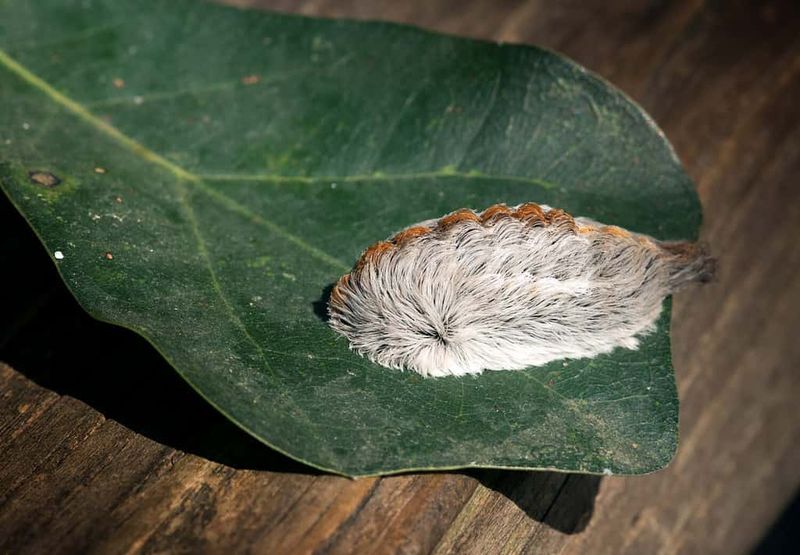
Asp activity in Louisiana is not limited to one time of year. LSU AgCenter reports two generations, with caterpillars showing up in May through July and again from late July through October.
So a yard chore in early summer carries the same chance of contact as one in October.
The same LSU source lists plants where the species has been collected: oak, hackberry, elm, sycamore, plum, and rose. Checking these plants with gloves on is a smart habit.
Fences are not listed as a typical spot, so do not rely on them as a clue.
Fall does bring plenty of caterpillars, and LSU AgCenter’s fall caterpillar guide says activity continues into the season. That does not mean every fall caterpillar is an asp.
Other caterpillars can sting too. LSU AgCenter describes buck moth caterpillars as a common oak-related concern in South Louisiana in spring.
Season, location, and fuzziness alone cannot tell you what you met. If you are unsure, treat any sting with the same careful steps.
Photograph the caterpillar from a distance if you want help naming it.
Keep the first-aid steps simple
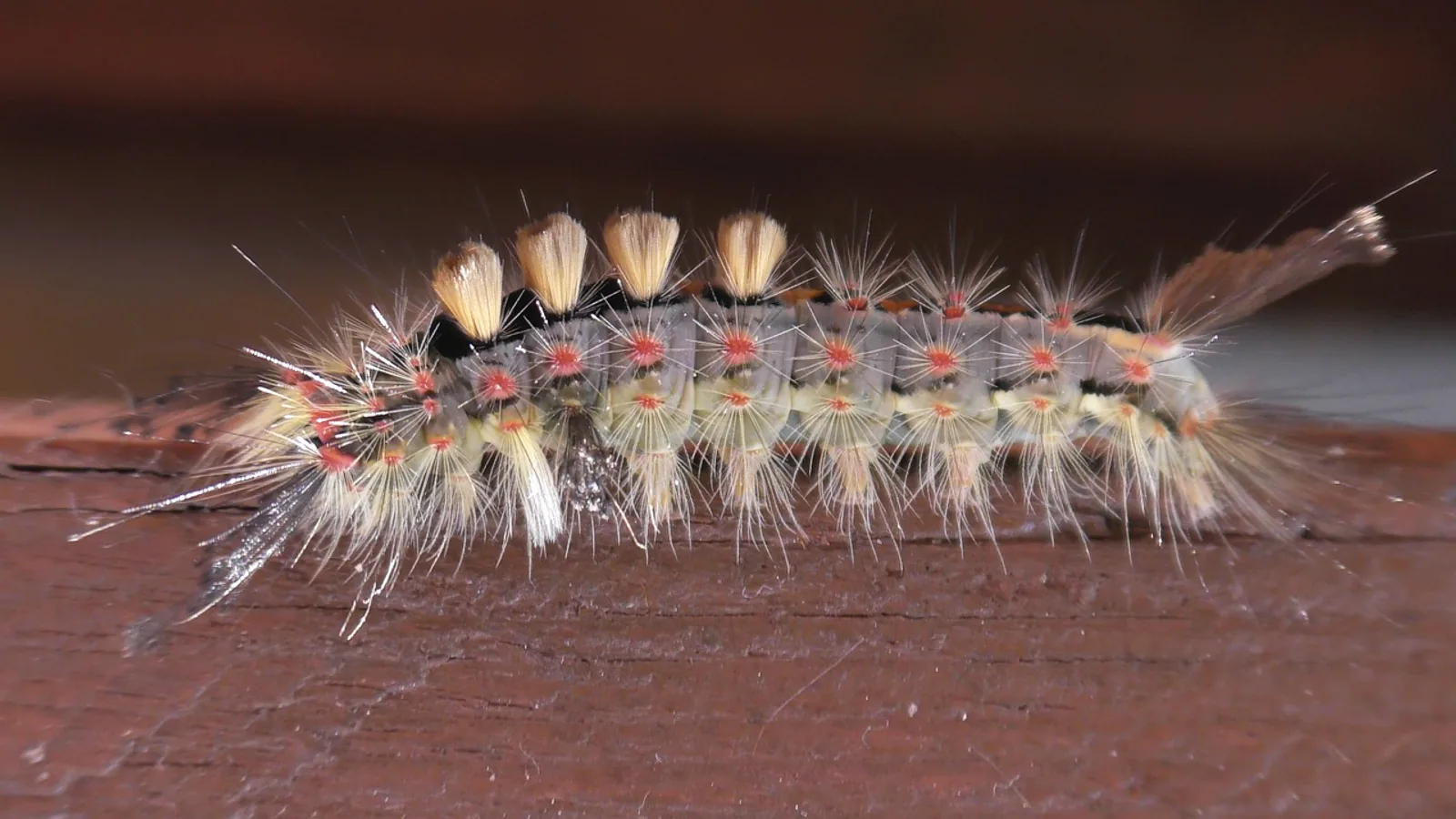
Keep bare hands off the caterpillar, lift hairs or spines with tape, wash gently, and cool the spot with a wrapped cold pack. Poison Control’s guidance backs this order.
Act fast on any emergency warning sign, and seek advice for eye, mouth, or inhalation exposure, as MedlinePlus recommends.
A roll of tape in the garden bucket costs almost nothing and saves a scramble later.
Share this story