Get the latest garden guides in your inbox →
Gardening Latest
  • General Gardening
  • Lawn Care
  • Plant Care
  • Composting
  • Soil Health
  • Backyard
  • Garden Muse Magazine
  • General Gardening
  • Lawn Care
  • Plant Care
  • Composting
  • Soil Health
  • Backyard
  • Garden Muse Magazine
  • News
  • Gardening Calendar
  • Garden Structures
  • Vegetable Garden
  • Vertical Garden
  • Raised Beds
  • Hydroponics
  • General Equipment
  • Community Gardens
Garden Themes
  • Spiritual Garden
  • Hydroseeding
  • Seeding and Laying Sod
  • Artificial Grass
  • Lawn Care Equipment
  • Plants
  • Trees
  • Planting Tools
  • Composting Basics
  • Fertilizer
  • Alternative Growing Mediums
  • Front Yard
  • Backyard Activities
  • Landscaping
Gardening Latest

Explore by state

Which state is your garden in?

Currently viewing Louisiana

All states

Northeast

  • Connecticut —
  • Delaware 27
  • Maine —
  • Maryland 13
  • Massachusetts 29
  • New Hampshire —
  • New Jersey 13
  • New York 22
  • Pennsylvania 22
  • Rhode Island —
  • Vermont —

Southeast

  • Alabama 12
  • Arkansas —
  • Florida 13
  • Georgia 13
  • Kentucky 27
  • Louisiana 12
  • Mississippi —
  • North Carolina 11
  • South Carolina 26
  • Tennessee 9
  • Virginia 12
  • West Virginia —

Midwest

  • Illinois 12
  • Indiana 14
  • Iowa 26
  • Kansas —
  • Michigan 13
  • Minnesota 12
  • Missouri 11
  • Nebraska —
  • North Dakota —
  • Ohio 13
  • South Dakota —
  • Wisconsin 27

Southwest

  • Arizona 12
  • Colorado —
  • Nevada —
  • New Mexico —
  • Oklahoma —
  • Texas 11
  • Utah —

West

  • Alaska —
  • California 12
  • Hawaii —
  • Idaho —
  • Montana —
  • Oregon —
  • Washington —
  • Wyoming —

No state matches that search.

Site menu

Gardening Latest
  • General Gardening
    • News
    • Gardening Calendar
    • Garden Structures
    • Vegetable Garden
    • Vertical Garden
    • Raised Beds
    • Hydroponics
    • General Equipment
    • Community Gardens
    Garden Themes
    • Spiritual Garden
  • Lawn Care
    • Hydroseeding
    • Seeding and Laying Sod
    • Artificial Grass
    • Lawn Care Equipment
  • Plant Care
    • Plants
    • Trees
    • Planting Tools
  • Composting
    • Composting Basics
  • Soil Health
    • Fertilizer
    • Alternative Growing Mediums
  • Backyard
    • Front Yard
    • Backyard Activities
    • Landscaping
  • Garden Muse Magazine

Explore

  • About GardeningLatest.com
  • Contact Us

Get the latest from the garden

New guides on lawn care, plants and backyard projects, sent when they go up.

Subscribe →

Follow

  • Facebook
  • X
  • Pinterest
  • YouTube
Louisiana Gardening

As Louisiana Finally Cools Down, These Venomous Critters Start Turning Up In Your Yard

When the brutal Louisiana summer finally breaks, everybody heads back outside to rake leaves, stack firewood, and enjoy…

CB

By Celeste Boudreaux

November 24, 2026 · 5 min read

As Louisiana Finally Cools Down, These Venomous Critters Start Turning Up In Your Yard

When the brutal Louisiana summer finally breaks, everybody heads back outside to rake leaves, stack firewood, and enjoy the porch again. The trouble is, a lot of wild critters have the same idea.

Cooler nights push snakes, spiders, and stinging bugs toward warm hiding spots, and those spots are often right next to your house. Knowing who might be lurking under that woodpile can keep your family and pets safe all fall long.

At a glance

Where
Louisiana Gardening
Hardiness zone
9 20 to 30°F
Read
5 minutes
Published
November 24, 2026

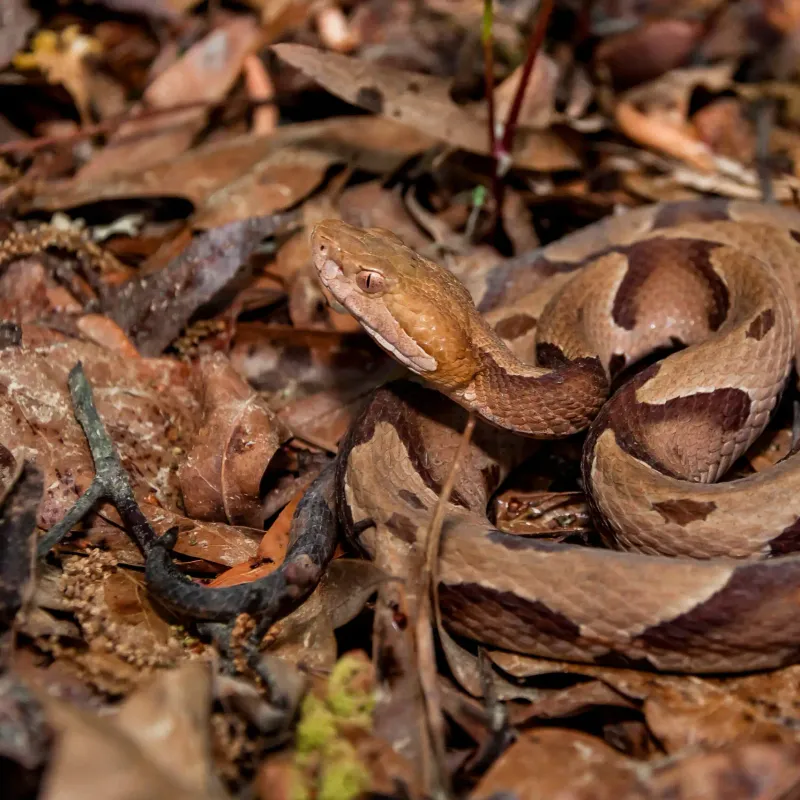
1. Southern Copperhead

Southern Copperhead
© Fox Sports Radio Charlotte

Picture yourself scooping up a pile of brown leaves, only to realize one of those leaves has eyes. Copperheads are masters of disguise, and their hourglass pattern blends almost perfectly with fall leaf litter.

As temperatures drop, these snakes get busy. Fall is a feeding and travel season for them, and they often move toward rock piles, woodpiles, and old stumps where they will later spend the winter.

Most bites happen when someone steps on or grabs one by accident. Wear gloves and sturdy shoes when doing yard work, and use a rake instead of bare hands to move debris.

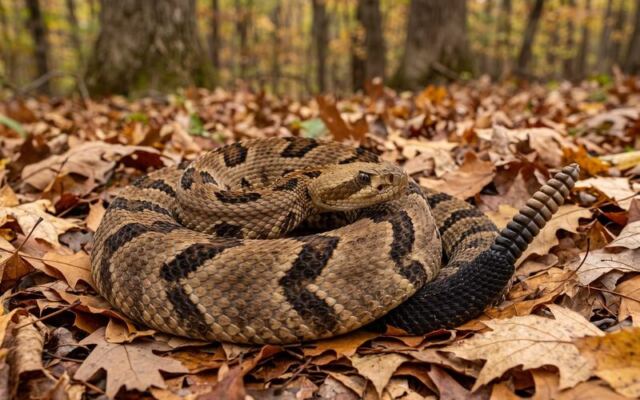
2. Timber Rattlesnake (Canebrake)
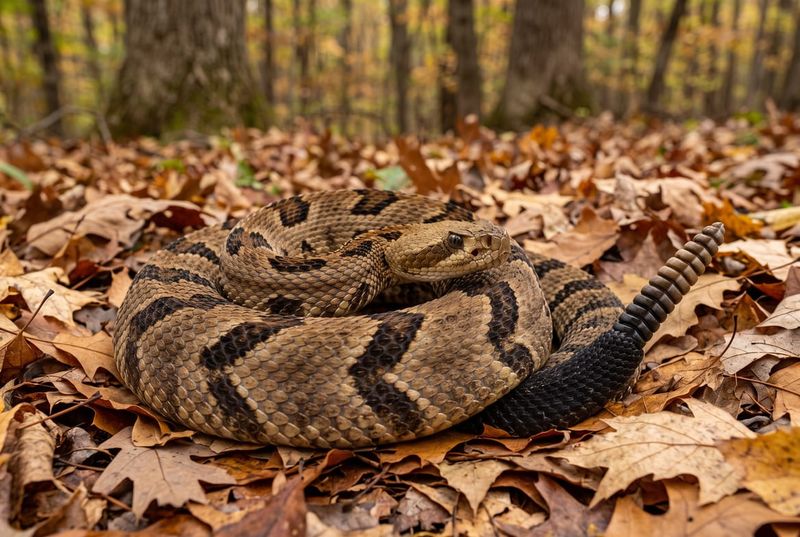
Timber Rattlesnake (Canebrake)
© Beastly Facts

Folks in Louisiana call it the canebrake rattler, and it is one of the biggest venomous snakes in the state. Adults can stretch past five feet, with a pinkish body, dark zigzag bands, and a rusty stripe down the back.

Autumn sends these snakes on a long trip back to their winter dens. Homes that border woods or creek bottoms may see one crossing the yard in October.

Here is the good news: canebrakes are usually calm and would rather stay still than strike. If you hear that buzzing tail, back away slowly and give it plenty of room.

3. Cottonmouth
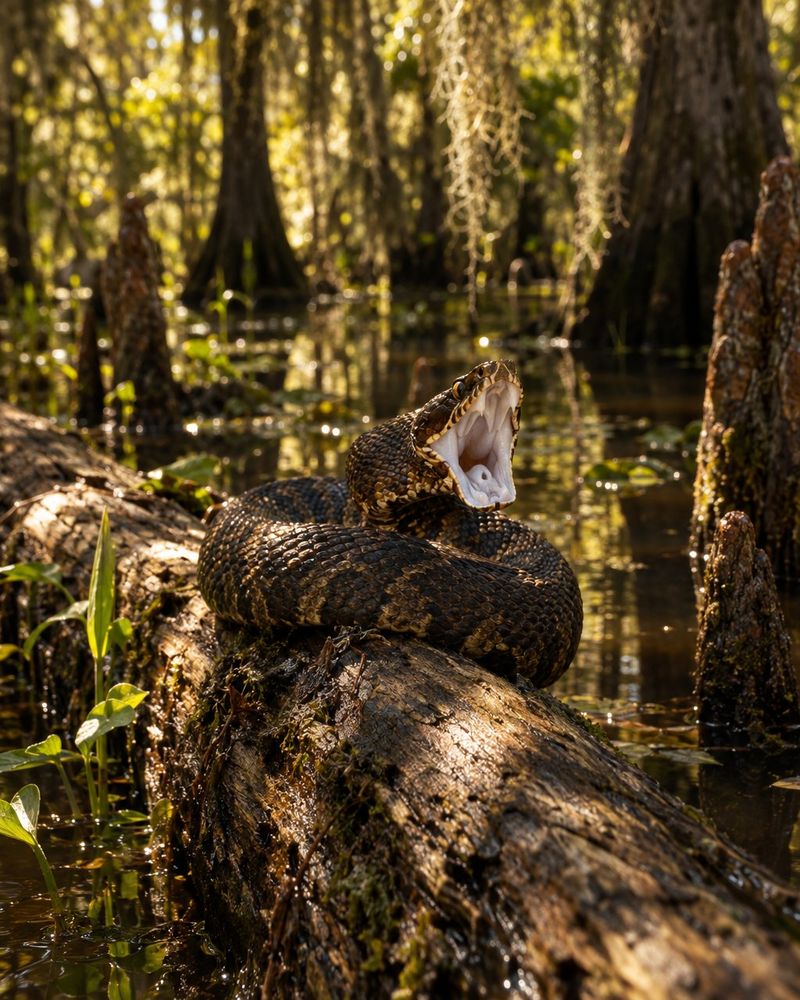
Cottonmouth
© louisianaunmasked

“Don’t go near the water” might be the best advice for anyone living by a bayou. The cottonmouth, also called the water moccasin, is famous for flashing the bright white inside of its mouth when it feels threatened.

Cooler weather often pulls cottonmouths away from the water and up onto higher ground. That can mean drainage ditches, flower beds near ponds, or even the space under a raised house.

Step on the wrong mound, and dozens of fire ants race up your leg and sting at the same time.

Many harmless water snakes get mistaken for cottonmouths, so do not try to catch one to check. A thick body, blocky head, and a habit of floating high on the water are clues worth noting from a safe distance.

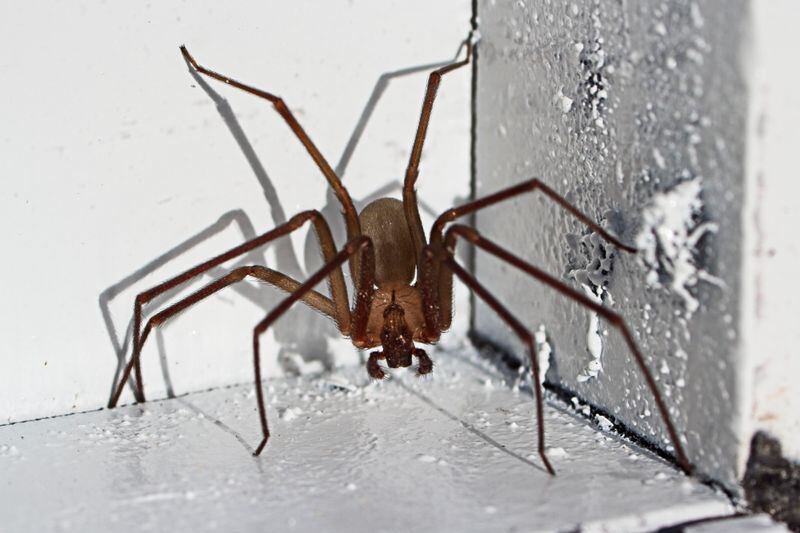
4. Brown Recluse Spider
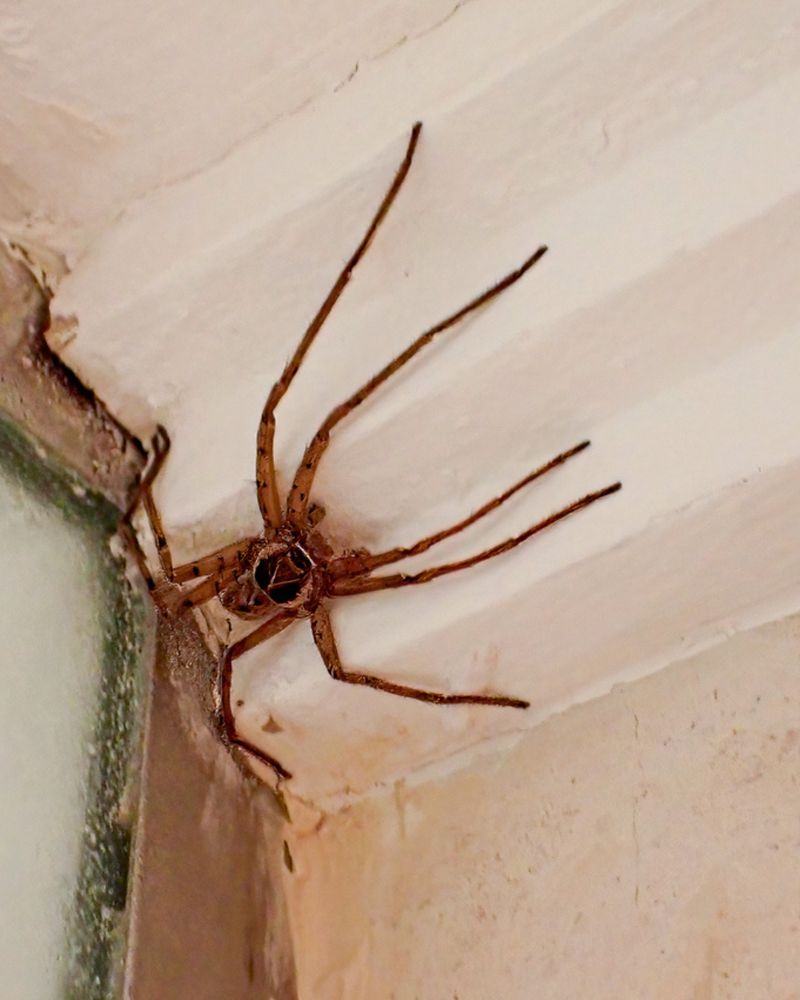
Brown Recluse Spider
© extermatrim

Shy might be the best word for the brown recluse. It hides in quiet, dark corners and only bites when it gets trapped against skin.

When the air turns crisp, these spiders slip indoors and into garages, closets, and storage boxes. Look for a light brown body with a darker violin shape behind the head.

Shake out shoes, gloves, and blankets that have been stored for the summer. A few sticky traps along baseboards can also show you whether recluses have moved in.

Fun fact: recluses have six eyes instead of the usual eight, arranged in three pairs.

5. Southern Black Widow
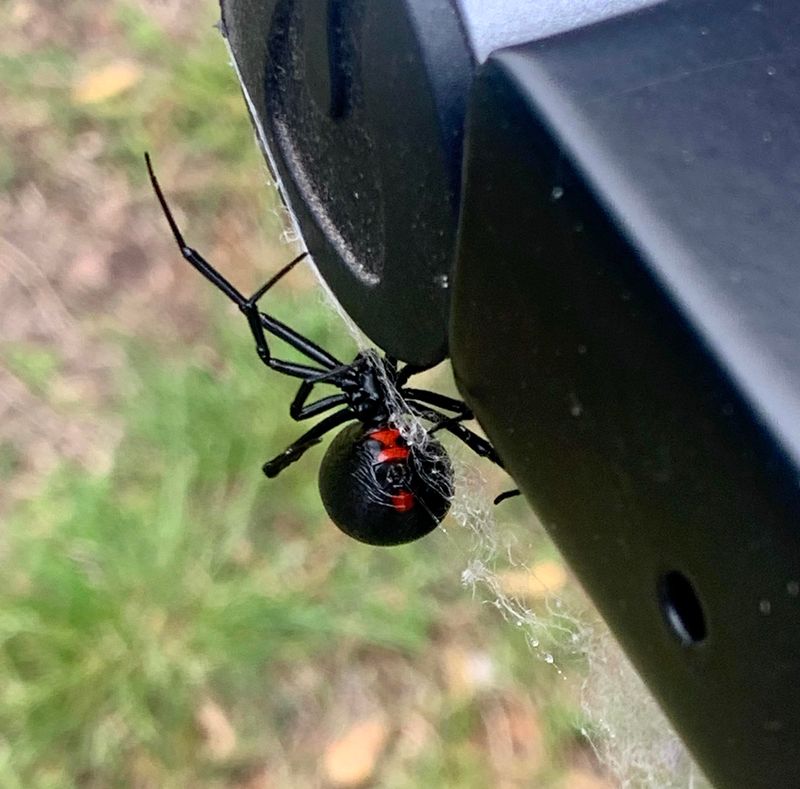
Southern Black Widow
© Reddit

Shiny, jet black, and wearing a red hourglass like a warning sign, the southern black widow is hard to forget once you have seen one.

Their webs look messy and tangled, and they love tight spaces like meter boxes, outdoor toys, flower pots, and the underside of patio furniture. As fall chores start up, hands end up in exactly those places.

A widow bite can cause painful cramps and needs medical attention, especially for kids and older adults. Use a flashlight before reaching into dark corners, and you will avoid most surprises.

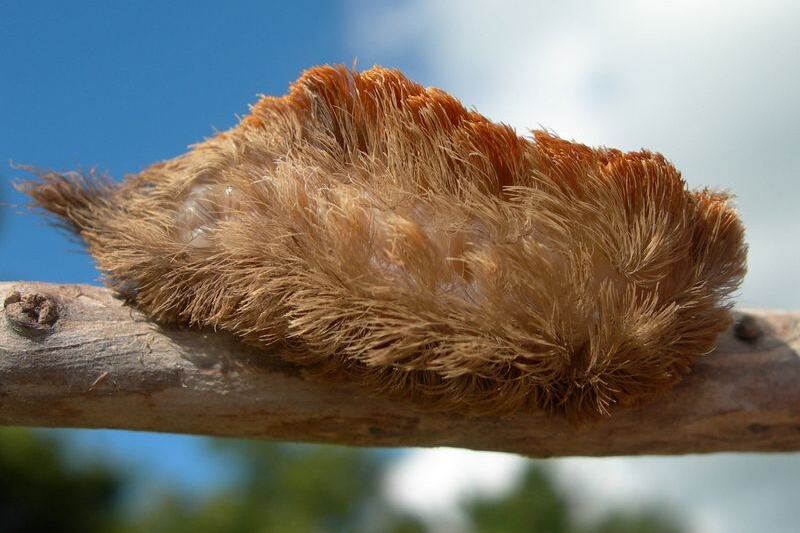
6. Southern Flannel Moth Caterpillar (Puss Caterpillar)
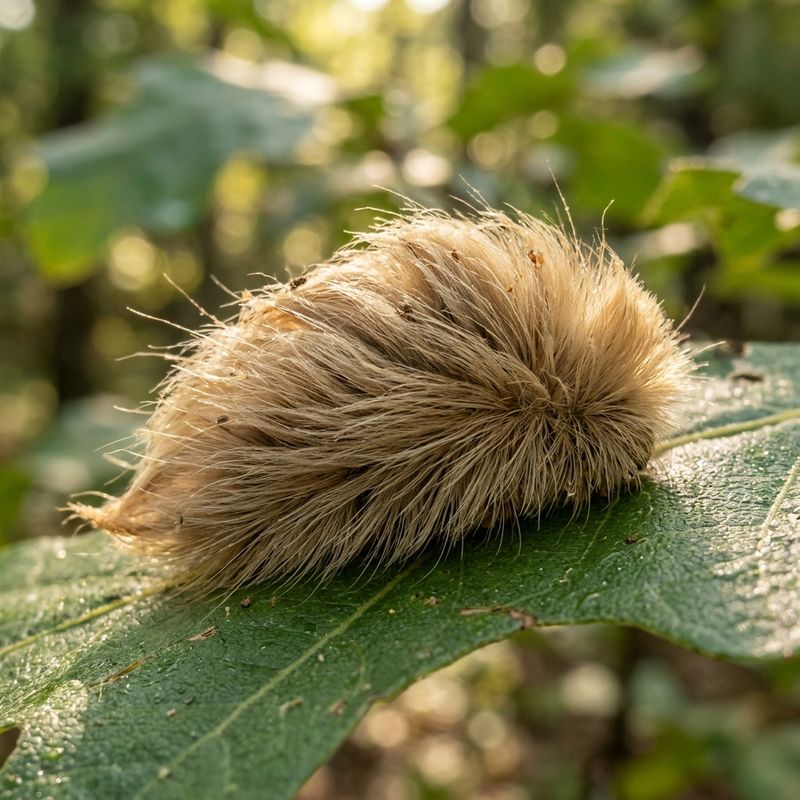
Southern Flannel Moth Caterpillar (Puss Caterpillar)
© 8billiontrees

Honestly, it looks like a tiny wig that crawled off a doll. The puss caterpillar is fuzzy, soft-looking, and practically begs to be petted, which is exactly the problem.

Hidden under that fluff are venomous spines that can cause burning pain, swelling, and even nausea. Louisiana often sees a second wave of these caterpillars in early fall, especially on oak trees, hackberry, and shrubs near playgrounds.

Teach kids the simple rule of never touching fuzzy caterpillars. If someone does get stung, pressing tape on the area can pull out broken spines before you call a doctor.

7. Red Imported Fire Ants
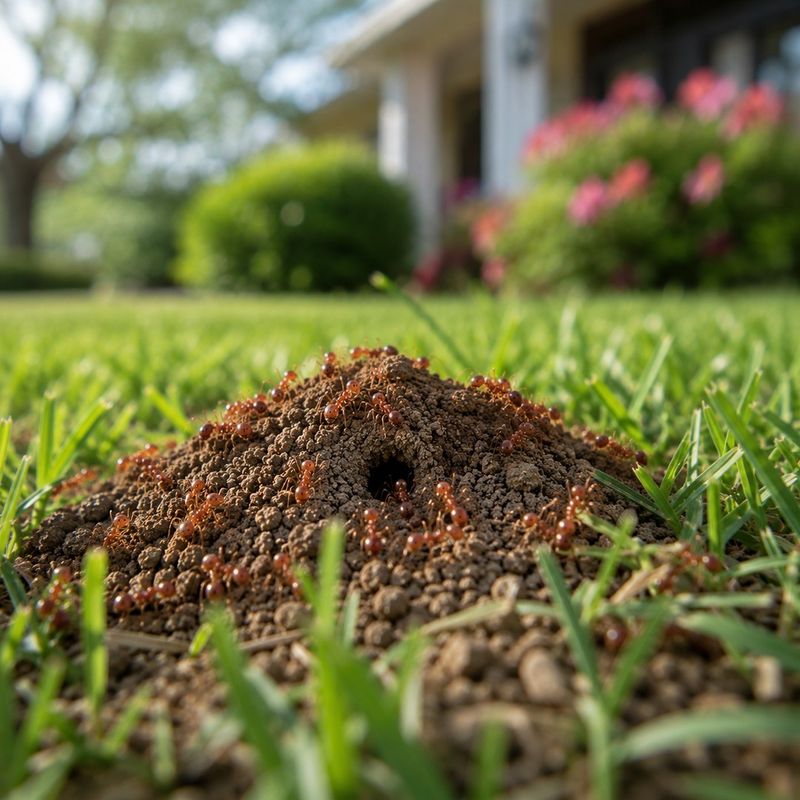
Red Imported Fire Ants
© ecoprotx

Every Louisiana kid learns this lesson the hard way at least once. Step on the wrong mound, and dozens of fire ants race up your leg and sting at the same time.

Fall rains and milder temperatures make the colonies very active, and new mounds can pop up overnight. Each sting leaves a small pimple-like bump that itches for days.

Autumn is actually one of the best times to treat your yard. Bait products spread in the fall get carried deep into the colony, knocking out queens before spring.

8. Yellowjackets
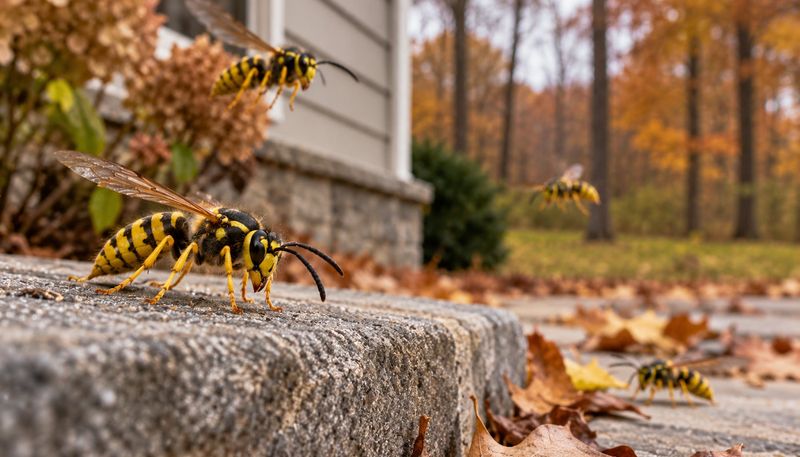
Yellowjackets
© Pest Control

Ever notice how wasps seem crankier in October? You are not imagining it.

Yellowjacket colonies hit their largest size in the fall, and their natural food supply starts running low. That sends hungry workers straight to your trash cans, sweet drinks, and outdoor parties.

Many build nests underground, so a mower rolling over the entrance can trigger a swarm. Keep lids on drinks, cover garbage, and mark any suspicious holes in the lawn so nobody runs them over by mistake.

9. Eastern Coral Snake
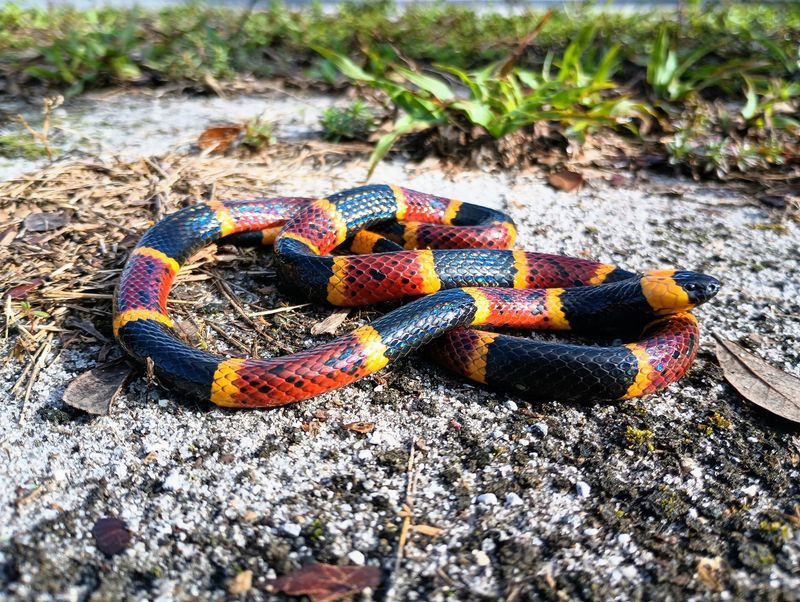
Eastern Coral Snake
© Wikipedia

“Red touches yellow, kills a fellow.” That old rhyme exists for one snake, the eastern coral snake, and it still helps people tell it apart from harmless lookalikes in the United States.

Coral snakes are secretive and spend most of their time under leaf piles, pine straw, and garden mulch. Fall cleanup can uncover one, especially in parts of Louisiana near pine forests.

Their venom is powerful, though bites are rare because they are not aggressive. Never pick up a brightly banded snake, no matter how small or pretty it looks.

10. Scorpions
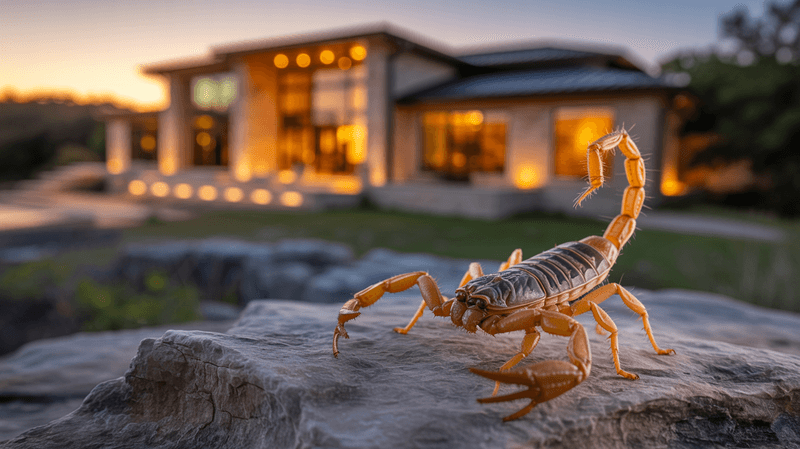
Scorpions
© Romex Pest Control

Most people do not expect scorpions in Louisiana, yet striped bark scorpions and small southern species are found in parts of the state.

Firewood season is when they show up most. They tuck into stacked logs and loose bark, then ride right into the house when you carry the wood inside.

Their stings hurt like a bad bee sting but are rarely dangerous to healthy adults. Keep firewood stacked off the ground and away from your walls, and only bring in what you plan to burn that night.

Bonus trick: scorpions glow under a blacklight, so a quick nighttime check can reveal hiding spots.

Share this story
CB

Written by

Celeste Boudreaux

More from Celeste Boudreaux →

About Gardening Latest

Gardening Latest provides in-depth guides to maintaining and enhancing your garden and backyard. Learn how to make the most of the space you have and create a beautiful garden.

More about us →

Latest stories

  • Minnesota GardeningThe Venomous Rattlesnake Minnesota Still Protects Even Though Almost Nobody Has Seen One in Years

    The Venomous Rattlesnake Minnesota Still Protects Even Though Almost Nobody Has Seen One in Years

    2 min ago
  • Illinois GardeningThe Red Fox in Your Illinois Yard This Winter Isn’t Just Passing Through

    The Red Fox in Your Illinois Yard This Winter Isn’t Just Passing Through

    8 min ago
  • Delaware GardeningSpotted New Ant Mounds After a Delaware Downpour? Here’s What Your Lawn Is Telling You

    Spotted New Ant Mounds After a Delaware Downpour? Here’s What Your Lawn Is Telling You

    20 min ago
  • South Carolina GardeningFall Yard Work in South Carolina Means Saddleback Caterpillar Stings, and Here’s What to Do Right Away

    Fall Yard Work in South Carolina Means Saddleback Caterpillar Stings, and Here’s What to Do Right Away

    28 min ago
  • Kentucky GardeningKentucky Yards Hide More Venomous Critters Than You’d Guess, And Late Fall Is When They Turn Up

    Kentucky Yards Hide More Venomous Critters Than You’d Guess, And Late Fall Is When They Turn Up

    34 min ago

Gardening by state

Stories for your state, and the hardiness zone most of it gardens in.

Keep exploring

Read next

All Louisiana Gardening →
Louisiana GardeningIf an Asp Caterpillar Stings You in Your Louisiana Garden, Here’s What to Do Right Away
Louisiana Gardening

If an Asp Caterpillar Stings You in Your Louisiana Garden, Here’s What to Do Right Away

3 hr ago
Louisiana GardeningFrom Cottonmouths To Brown Recluses, Here’s How To Identify The Venomous Creatures In Louisiana Yards
Louisiana Gardening

From Cottonmouths To Brown Recluses, Here’s How To Identify The Venomous Creatures In Louisiana Yards

18 hr ago
Louisiana GardeningThose Coyote Howls Echoing Across Your Louisiana Yard at Night Have a Seasonal Explanation
Louisiana Gardening

Those Coyote Howls Echoing Across Your Louisiana Yard at Night Have a Seasonal Explanation

20 hr ago

More from Louisiana Gardening

  • Something Digs Through Louisiana Lawns Every Night, And By Morning You See The Damage

    Nov 22
  • Is Something Odd Growing Beneath Your Louisiana Pecan Tree? What It Could Be

    Nov 22
Back to top

Leave a response Cancel

Your email address stays private. Required fields are marked with an asterisk.

Gardening Latest

In-depth guides to maintaining and enhancing your garden and backyard: how to make the most of the space you have, and how to make it beautiful.

  • Facebook
  • X
  • Pinterest
  • YouTube

We may earn a portion of sales from products or services that are purchased through our site as part of our affiliate partnerships with retailers.

Explore

  • About GardeningLatest.com
  • Contact Us
  • Terms and Conditions
  • Privacy
  • Editorial Note:
  • FTC Disclosure

Newsletter

New garden guides and seasonal tips, straight to your inbox.

We’ll email you a link to confirm. Unsubscribe any time.

Almost there! Check your inbox and tap the link to confirm.

© 2026 Gardening Latest. All rights reserved.

Back to top