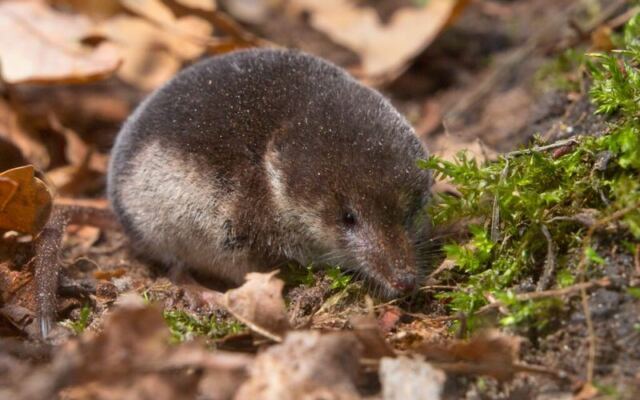
A small gray animal that scurries through leaf litter and tunnels in Wisconsin carries a surprise in its mouth. The northern short-tailed shrew makes toxic saliva, a trait most people link only with snakes and spiders.
Here is what scientists know about how it works, what it means for people, and how to stay safe if you ever meet one.
Meet Wisconsin’s northern short-tailed shrew
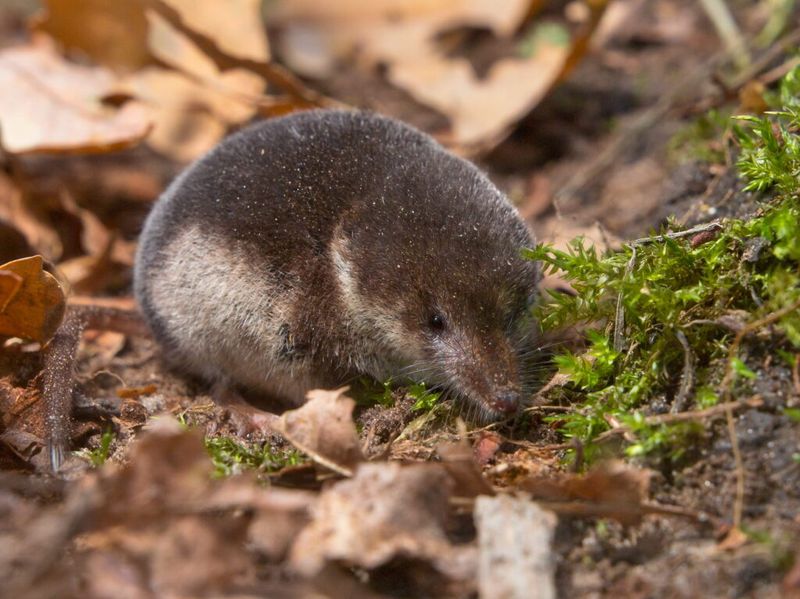
Picture a small, dark gray animal with velvety fur, a pointed snout, tiny eyes, and a tail that looks stubby for its body. That is the northern short-tailed shrew, and University of Wisconsin-Madison Extension puts its length at about 4 to 6 inches.
That is closer to the length of a hand than the size of a thumb.
Shrews are not rodents, even though they look like mice at a quick glance. They belong to a different group of mammals, and they spend most of their time hunting for insects, worms, snails, and other small prey.
Much of that hunting happens under leaves, in loose soil, and along tunnels that you rarely see.
Extension says the species is found throughout Wisconsin, and the American Society of Mammalogists lists the state in its range. A University of Wisconsin-Stevens Point thesis reports it across several natural community types.
Living statewide is not the same as turning up often in a backyard, though. None of these sources show that shrews are common in residential yards or gardens, so a sighting at home would be a lucky glimpse rather than something to expect.
How its toxic saliva makes the shrew venomous
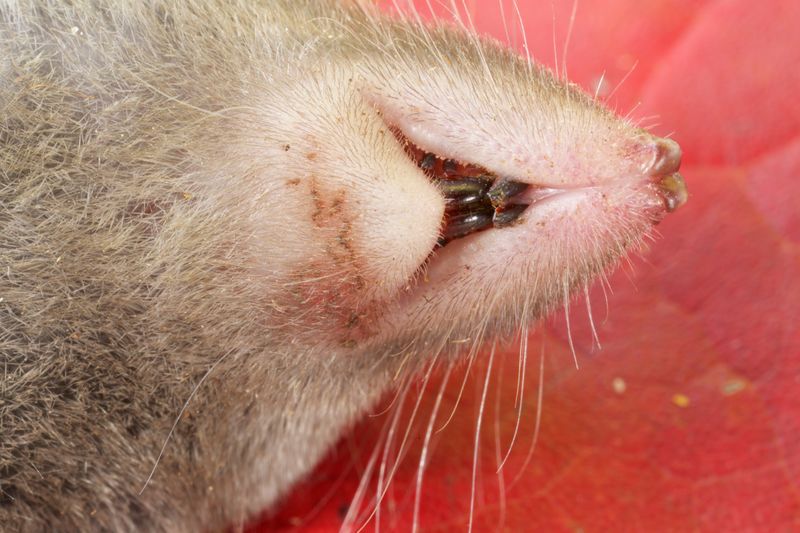
Venom is a toxin that an animal delivers through a bite or sting, and the northern short-tailed shrew fits that description. Its saliva contains toxins, and the shrew can pass them into prey when it bites.
Many people are surprised to learn that a mammal can do this.
Researchers have studied one saliva-associated toxin in particular, called blarina toxin, or BLTX. A peer-reviewed paper from Kita and colleagues isolated and characterized it, which means the team separated it out and described what it is and how it behaves.
A later study used several lab methods to look closely at the shrew’s venom system and saliva. The authors of that 2020 multi-omic study described the venom as relatively simple for an animal that eats such a wide range of foods.
The key word here is bite. The toxin travels in saliva, so the shrew has to bite something to deliver it.
Simply being near a shrew, or seeing one cross a path, does not expose anyone to its venom.
This article sticks to what the research shows. Scientists have identified the toxin and confirmed that saliva carries it, but there is no need to guess at extra details about how it works beyond that.
The strongest effects are documented in animals
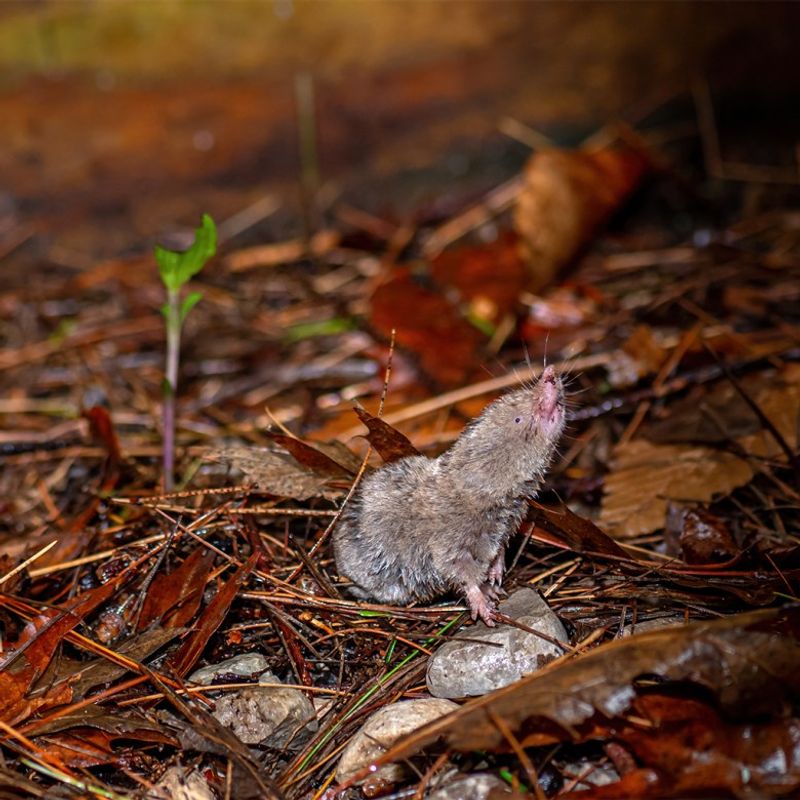
Mice are on the menu, and venom helps the shrew handle prey that can be nearly as big as it is. Wisconsin Extension explains that the animal uses venomous saliva to subdue prey, including mice.
A bite that slows a victim down makes the hunt much easier.
Laboratory work backs this up. In experiments with mice, the isolated toxin caused serious effects, including irregular breathing and paralysis, as described in the 2004 blarina toxin paper.
Those findings come from prey and experimental animals. They do not show that a bite would paralyze a person, and they should not be read as proof that shrew venom works on humans the way snake venom does.
The shrew is also not the only mammal with venom. The same research places it among a small group of venom-producing mammals, and the American Society of Mammalogists describes its saliva as venomous.
Calling it one of the few is fair, while calling it the only one is not.
What the evidence says about bites to people
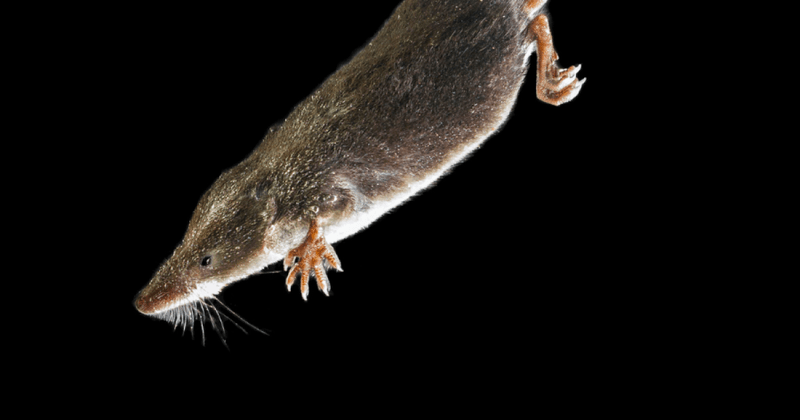
Human bites from this shrew are poorly documented. The 2004 paper on the toxin cites accounts of localized burning and swelling in people.
That is a description of a local reaction, not paralysis.
Wisconsin Extension adds that a bite may cause painful swelling but is not life-threatening. That is reassuring, and it fits with the local reactions described in the research.
Still, neither source is a systematic clinical assessment. Nobody has tracked a large group of bitten people and recorded what happened to them.
The mouse experiments cannot fill that gap, since they show effects in lab animals rather than in human patients.
So the fair reading is modest. A bite can hurt and swell, and serious problems seem unlikely based on what has been reported.
But it would be wrong to call a bite harmless or to assume no medical advice is ever needed.
Avoid handling shrews and clean any bite
Leave wild shrews alone. They are tiny and quick, and a frightened animal that is picked up is the one most likely to bite.
If one turns up in a garage, shed, or window well, give it space and let it find its own way out, or ask a local wildlife professional for help.
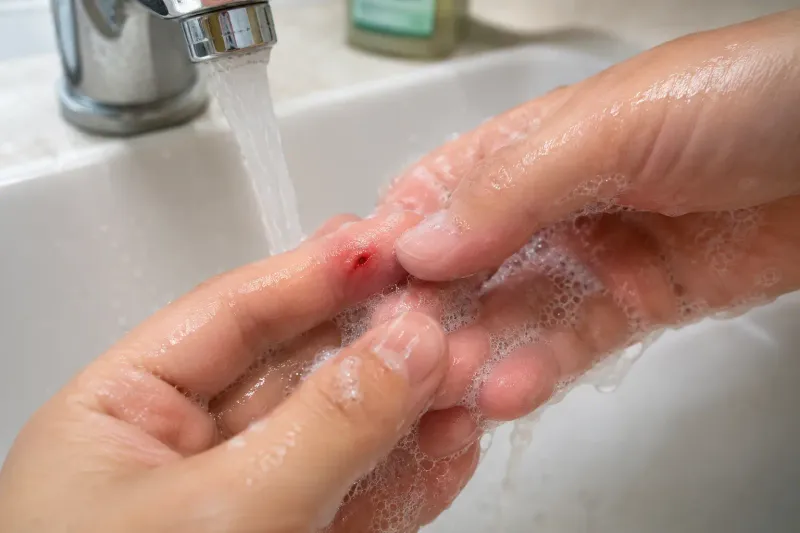
If a bite does happen, wash the wound right away with soap and water. Then contact a medical or public-health professional to talk about the bite and what care makes sense.
That call is a practical next step, not a sign of panic.
The reason is rabies. CDC guidance advises contacting a healthcare or public-health professional about possible rabies exposure after a bite from wildlife, and the agency’s wildlife safety page recommends washing wounds after contact.
None of this means every bite carries rabies. A professional can weigh the details of what happened.
The animal’s species name alone does not tell anyone how risky a particular bite is, so let the expert make that call.
A remarkable adaptation, not proof of a yard threat
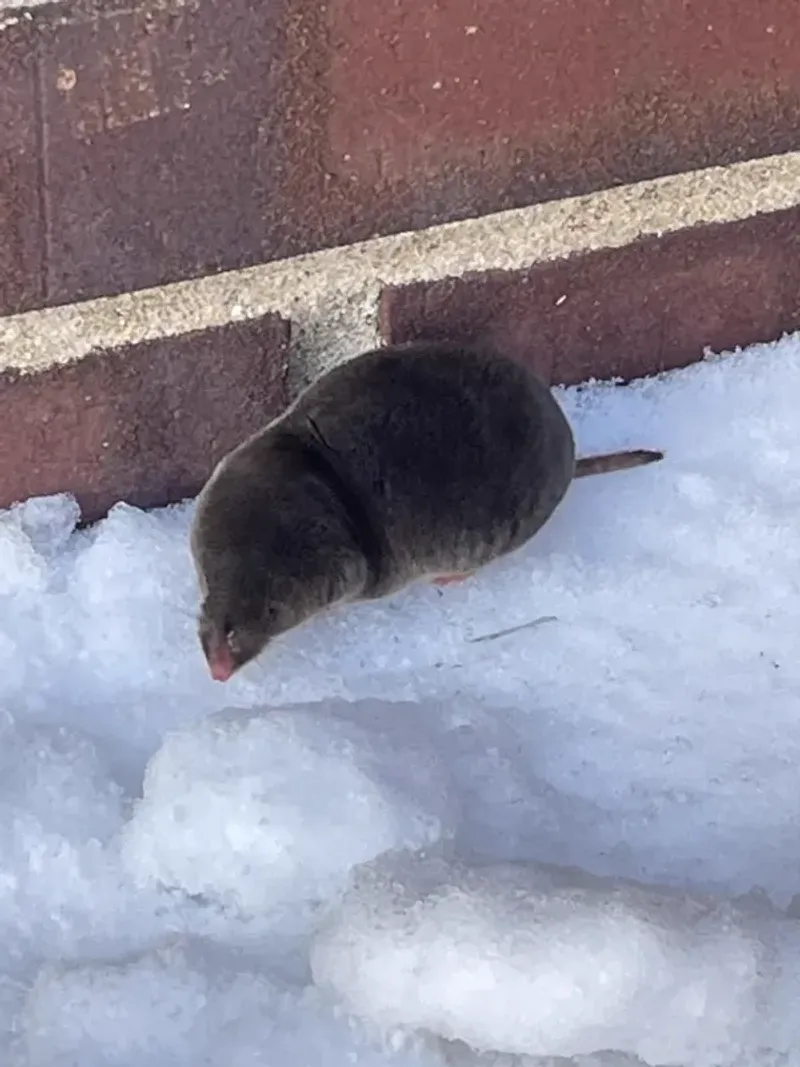
The shrew’s toxic saliva is real, and it is a clever tool for a small hunter. The strongest evidence for severe effects, such as irregular breathing and paralysis, comes from experiments on animals, not from people.
Wisconsin Extension notes the species lives throughout the state, but that does not mean frequent yard encounters. Treat any shrew with calm respect and distance.
Most of the time, it is simply a small hunter doing its job beneath the leaves.
Share this story