Get the latest garden guides in your inbox →
Gardening Latest
  • General Gardening
  • Lawn Care
  • Plant Care
  • Composting
  • Soil Health
  • Backyard
  • Garden Muse Magazine
  • General Gardening
  • Lawn Care
  • Plant Care
  • Composting
  • Soil Health
  • Backyard
  • Garden Muse Magazine
  • News
  • Gardening Calendar
  • Garden Structures
  • Vegetable Garden
  • Vertical Garden
  • Raised Beds
  • Hydroponics
  • General Equipment
  • Community Gardens
Garden Themes
  • Spiritual Garden
  • Hydroseeding
  • Seeding and Laying Sod
  • Artificial Grass
  • Lawn Care Equipment
  • Plants
  • Trees
  • Planting Tools
  • Composting Basics
  • Fertilizer
  • Alternative Growing Mediums
  • Front Yard
  • Backyard Activities
  • Landscaping
Gardening Latest

Explore by state

Which state is your garden in?

Currently viewing New York

All states

Northeast

  • Connecticut —
  • Delaware 40
  • Maine —
  • Maryland 26
  • Massachusetts 43
  • New Hampshire —
  • New Jersey 26
  • New York 36
  • Pennsylvania 36
  • Rhode Island —
  • Vermont —

Southeast

  • Alabama 26
  • Arkansas —
  • Florida 26
  • Georgia 27
  • Kentucky 40
  • Louisiana 25
  • Mississippi —
  • North Carolina 24
  • South Carolina 39
  • Tennessee 23
  • Virginia 25
  • West Virginia —

Midwest

  • Illinois 25
  • Indiana 28
  • Iowa 39
  • Kansas —
  • Michigan 26
  • Minnesota 25
  • Missouri 25
  • Nebraska —
  • North Dakota —
  • Ohio 27
  • South Dakota —
  • Wisconsin 41

Southwest

  • Arizona 26
  • Colorado —
  • Nevada —
  • New Mexico —
  • Oklahoma —
  • Texas 25
  • Utah —

West

  • Alaska —
  • California 26
  • Hawaii —
  • Idaho —
  • Montana —
  • Oregon —
  • Washington —
  • Wyoming —

No state matches that search.

Site menu

Gardening Latest
  • General Gardening
    • News
    • Gardening Calendar
    • Garden Structures
    • Vegetable Garden
    • Vertical Garden
    • Raised Beds
    • Hydroponics
    • General Equipment
    • Community Gardens
    Garden Themes
    • Spiritual Garden
  • Lawn Care
    • Hydroseeding
    • Seeding and Laying Sod
    • Artificial Grass
    • Lawn Care Equipment
  • Plant Care
    • Plants
    • Trees
    • Planting Tools
  • Composting
    • Composting Basics
  • Soil Health
    • Fertilizer
    • Alternative Growing Mediums
  • Backyard
    • Front Yard
    • Backyard Activities
    • Landscaping
  • Garden Muse Magazine

Explore

  • About GardeningLatest.com
  • Contact Us

Get the latest from the garden

New guides on lawn care, plants and backyard projects, sent when they go up.

Subscribe →

Follow

  • Facebook
  • X
  • Pinterest
  • YouTube
New York Gardening

Yes, New York Has Venomous Snakes And Spiders, And Here’s How To Spot Each One

Most people picture skyscrapers and subway rats when they think of New York, not rattlesnakes.

E

By Elyanna

November 27, 2026 · 5 min read

Yes, New York Has Venomous Snakes And Spiders, And Here’s How To Spot Each One
Yes, New York Has Venomous Snakes And Spiders, And Here's How To Spot Each One

Most people picture skyscrapers and subway rats when they think of New York, not rattlesnakes. But the state’s forests, rocky ridges, and wetlands are home to a small group of venomous snakes and spiders.

Bites are rare, and deaths are almost unheard of, yet knowing what to look for can keep a hike, a camping trip, or a garage cleanup safe. Here are seven creatures worth recognizing, plus the clues that set each one apart.

At a glance

Where
New York Gardening
Hardiness zone
7 0 to 10°F
Read
5 minutes
Published
November 27, 2026

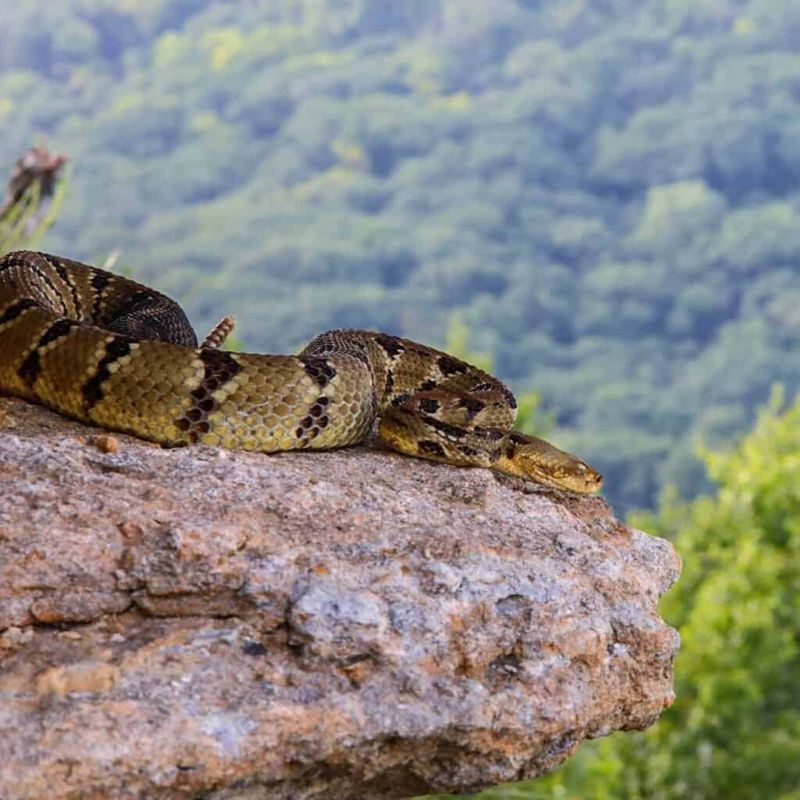
1. Timber Rattlesnake

Timber Rattlesnake
© A-Z Animals

Picture a sunny rock ledge in the Catskills on a June morning. Stretched across it, perfectly still, might be the largest venomous snake in New York.

Timber rattlesnakes can grow four to five feet long, and they are listed as a threatened species in the state.

Spotting one comes down to three clues. Look for dark, jagged crossbands shaped like a V or a zigzag along the body.

Next, check the tail, which is solid black and ends in a rattle.

Body color varies a lot. Some are yellowish with brown bands, while others are so dark they look almost black.

Their heads are wide and triangular, much broader than the neck.

Timbers are famously patient and would much rather hide than fight. Many hikers walk right past one without ever knowing it.

If you hear a buzzing rattle, freeze, find the snake, and slowly back away.

Fun fact: these snakes return to the same winter dens year after year, sometimes for decades.

2. Eastern Massasauga
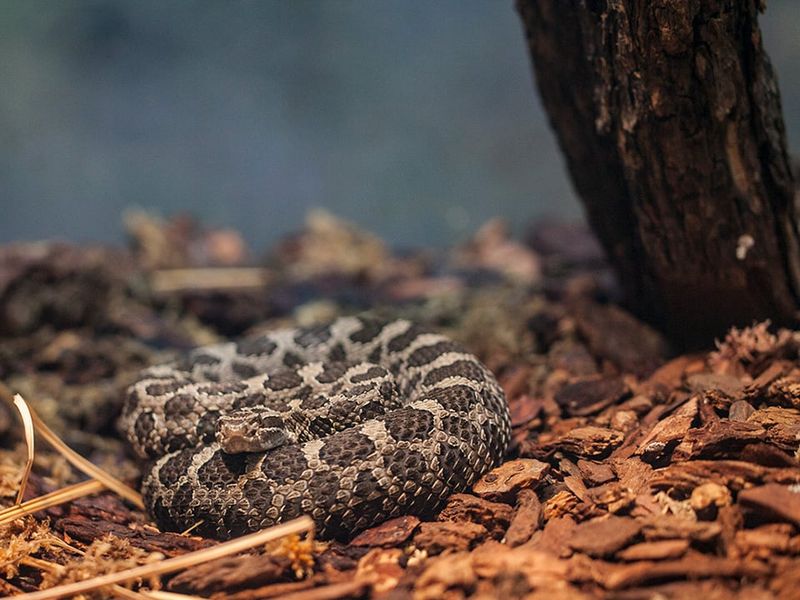
Eastern Massasauga
© AZA.org

Only two places in the whole state are known to shelter this tiny rattlesnake, both of them wetlands in central and western New York. That makes the eastern massasauga one of the rarest reptiles you could ever stumble upon here.

It is listed as endangered, so seeing one is a true privilege.

Most sightings come from spiders that hitched a ride in moving boxes, furniture, or shipments from southern and midwestern states.

Size is your first hint. Adults usually stay between 18 and 30 inches, short and stocky compared to a timber rattler.

The body is gray or tan with rows of rounded dark brown blotches running down the back.

The rattle is small, and its warning sounds more like a dry insect buzz than a loud shake. Massasaugas love soggy fens and sedge meadows, often basking on clumps of grass.

Their venom is potent, but they are shy and rarely bite. Stick to boardwalks and trails in their habitat, and you will likely never cause a problem.

3. Northern Copperhead
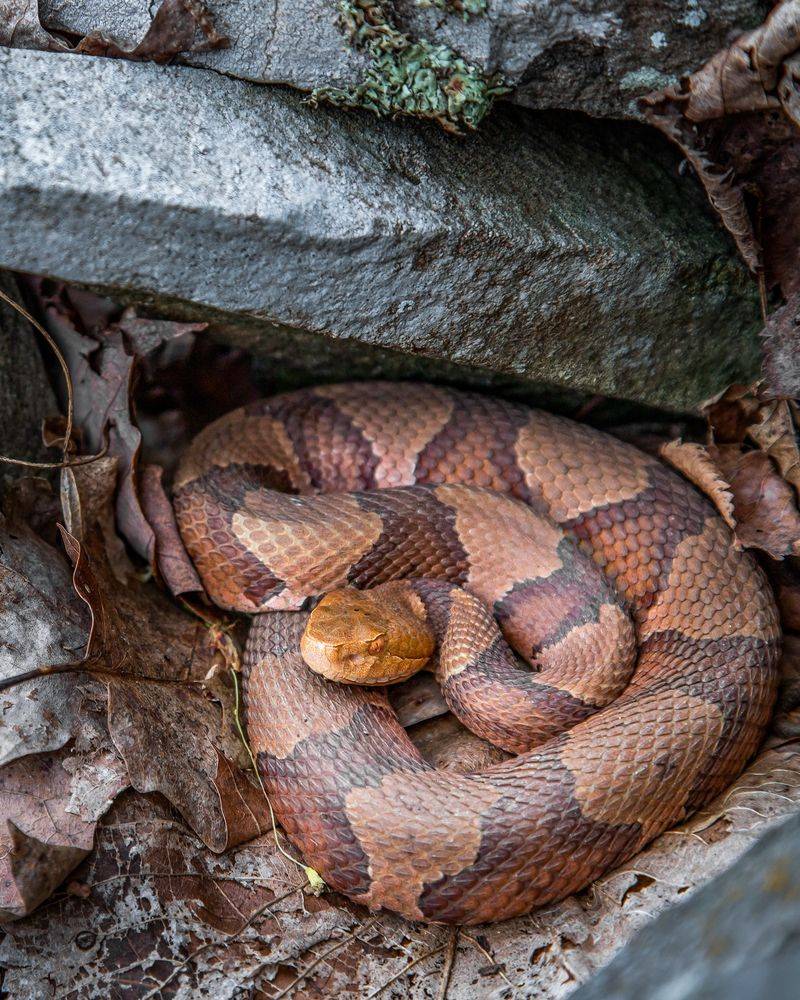
Northern Copperhead
© mlotterhand

Hidden in plain sight. That is the copperhead’s whole strategy, and it works shockingly well among fall leaves.

Found mostly in the lower Hudson Valley and southeastern counties, this snake wears a pattern that looks like a row of hourglasses. The bands are wide on the sides and pinch narrow across the back.

Its head has a coppery, almost polished color, which is where the name comes from.

Baby copperheads have a bright yellow or greenish tail tip. They wiggle it like a worm to lure frogs and lizards close.

Many New Yorkers confuse harmless milk snakes and water snakes with copperheads. Milk snakes have blotches that are wide on top instead of narrow, so that hourglass shape is the giveaway.

Copperhead bites hurt and cause swelling, but they are seldom life threatening with medical care. Wear boots and watch where you put your hands when moving logs or rocks.

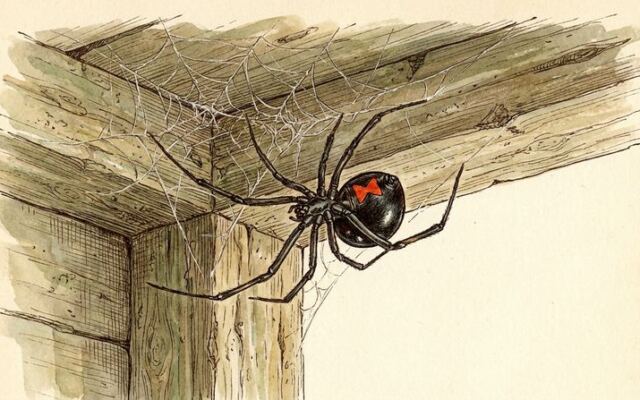
4. Northern Black Widow
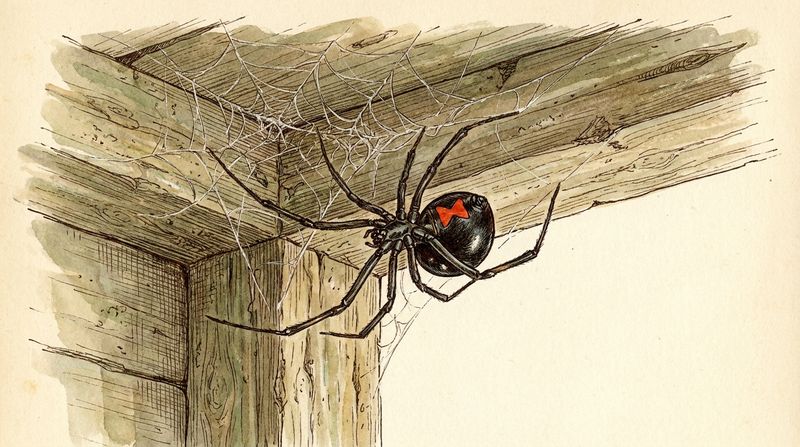
Northern Black Widow
© Advanced Pest Management

Ask anyone to name a scary spider, and the black widow usually comes up first. New York does have its own version, the northern black widow, and it lives across much of the state.

Females are glossy black with round bellies about the size of a pea. Underneath, look for a red hourglass that is often split into two separate pieces.

Some also have red spots running down the top of the abdomen.

Their webs are tangled and messy rather than neat circles. Check woodpiles, stone walls, outdoor sheds, and the undersides of patio furniture.

Bites are uncommon because these spiders are timid. When they happen, they can cause muscle cramps and pain that deserve a trip to the doctor.

A simple habit of wearing gloves while stacking firewood goes a long way.

5. Brown Recluse
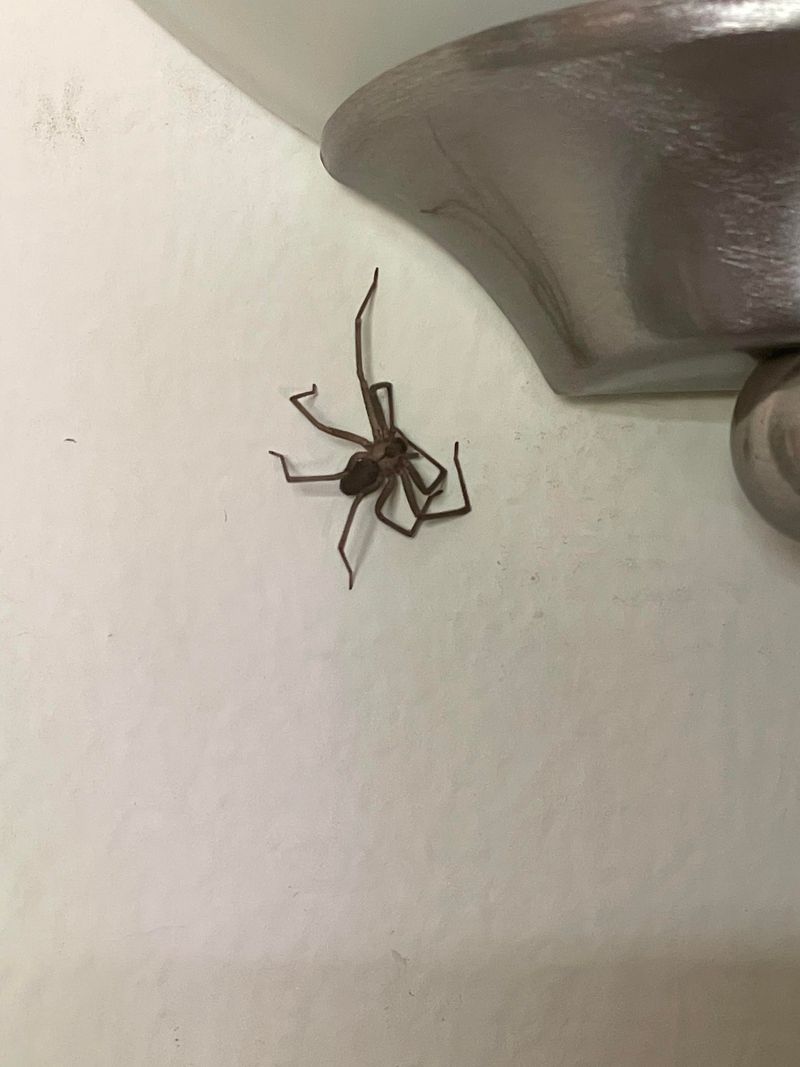
Brown Recluse
© Reddit

Here is a twist: the brown recluse is not actually native to New York. Most sightings come from spiders that hitched a ride in moving boxes, furniture, or shipments from southern and midwestern states.

Still, it helps to know the look. A recluse is light tan to brown with a darker violin shape on its back, with the neck of the violin pointing toward the rear.

It has six eyes instead of eight, arranged in three pairs, though you need a magnifier to see that.

The legs are long and plain, with no stripes or bands. Spiders with striped legs are not recluses.

Bites can cause a slow healing sore, so see a doctor if one is suspected. Shake out stored clothing and boxes, especially after a move from another state.

6. Yellow Sac Spider
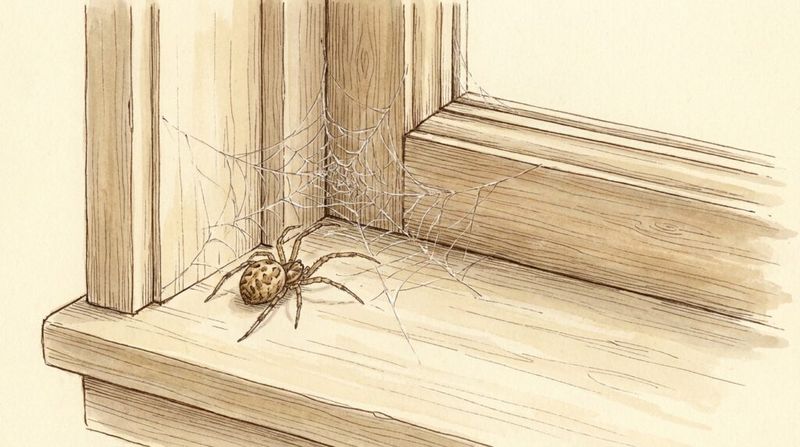
Yellow Sac Spider
© Advanced Pest Management

If you have ever woken up with a small, itchy red bump and blamed a mystery bug, a yellow sac spider might be the culprit. These little hunters are some of the most common spiders found indoors in New York.

They are pale yellow, beige, or light green, with darker tips on their legs and jaws. Their bodies are only about a quarter of an inch long.

Instead of spinning webs, they build small silk pouches in corners, ceilings, and window frames.

At night they wander around searching for prey, which is why they sometimes end up in beds. Bites feel like a pinprick and may turn red and swollen for a few days.

The venom is mild and not dangerous for most people. Sealing gaps around windows and keeping beds away from walls helps keep them out.

7. Black Purse-Web Spider
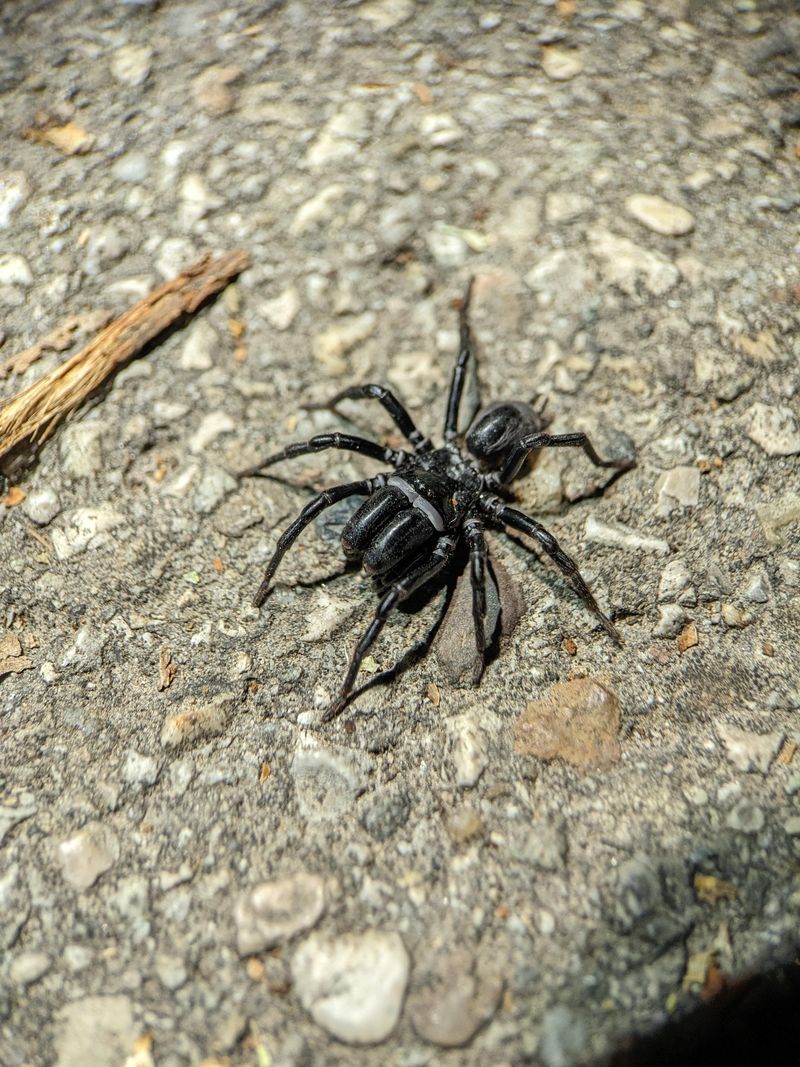
Black Purse-Web Spider
© Reddit

Few New Yorkers have heard of it, yet this chunky relative of the tarantula lives in parts of the southern and western state. The purse-web spider spends most of its life inside a silk tube stuck to the base of a tree.

When an insect walks across the tube, the spider stabs right through the silk with huge fangs and drags dinner inside. Pretty clever for something smaller than a quarter.

Look for a glossy black body and, in males, reddish or orange legs. Those big, forward pointing jaws are hard to miss.

You are most likely to see males in summer, wandering on sidewalks or patios while hunting for mates.

Its bite can be painful because of those fangs, but the venom is not considered dangerous. Simply let it go on its way.

Share this story
E

Written by

Elyanna

More from Elyanna →

A passion for lavender! From a young age, Elyanna has had a passion for lavender. It began at the age of two when her mother walked her through fields of lavender in Norfolk England. This ignited her interest; she has grown harvested and learned about this beautiful herb.

About Gardening Latest

Gardening Latest provides in-depth guides to maintaining and enhancing your garden and backyard. Learn how to make the most of the space you have and create a beautiful garden.

More about us →

Latest stories

  • Massachusetts GardeningA Porcupine Gnawing on Your Massachusetts Trees This Winter Leaves Damage You Can Still Save

    A Porcupine Gnawing on Your Massachusetts Trees This Winter Leaves Damage You Can Still Save

    2 min ago
  • California GardeningCalifornia Gardeners Back Away From These 7 Critters That Look Venomous but Pose No Real Threat

    California Gardeners Back Away From These 7 Critters That Look Venomous but Pose No Real Threat

    7 min ago
  • New York GardeningThe Late Fall Chill Gives Away The Venomous Critters Living In Your New York Yard

    The Late Fall Chill Gives Away The Venomous Critters Living In Your New York Yard

    12 min ago
  • Ohio GardeningNeighbor’s Branches Hanging Over Your Ohio Yard? You’re Allowed to Trim Them Back to the Property Line

    Neighbor’s Branches Hanging Over Your Ohio Yard? You’re Allowed to Trim Them Back to the Property Line

    18 min ago
  • Indiana GardeningIndiana Gardeners Keep Jumping Back From These 7 Critters, but They’re Completely Harmless

    Indiana Gardeners Keep Jumping Back From These 7 Critters, but They’re Completely Harmless

    24 min ago

Gardening by state

Stories for your state, and the hardiness zone most of it gardens in.

Keep exploring

Read next

All New York Gardening →
New York GardeningThe Late Fall Chill Gives Away The Venomous Critters Living In Your New York Yard
New York Gardening

The Late Fall Chill Gives Away The Venomous Critters Living In Your New York Yard

12 min ago
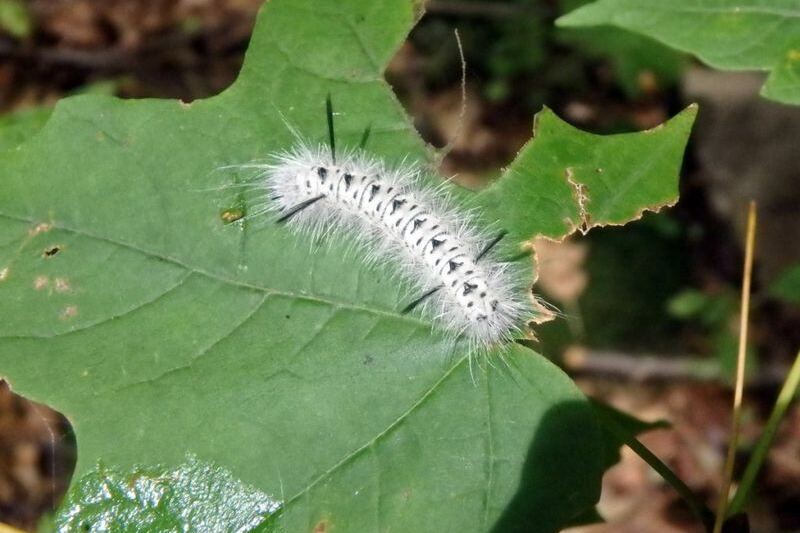
New York GardeningPicked Up a Hickory Tussock Caterpillar While Raking Leaves in New York? Here’s What to Do Right Away
New York Gardening

Picked Up a Hickory Tussock Caterpillar While Raking Leaves in New York? Here’s What to Do Right Away

6 hr ago
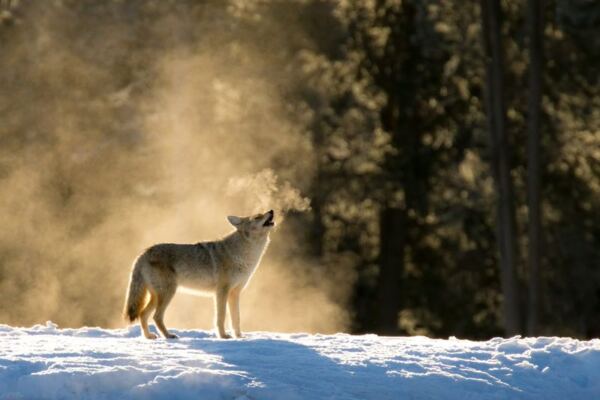
New York GardeningCoyotes Howling Late at Night Near Your New York Home Have a Seasonal Message for You
New York Gardening

Coyotes Howling Late at Night Near Your New York Home Have a Seasonal Message for You

9 hr ago

More from New York Gardening

  • 8 Things In New York Backyards That Towns Are Starting To Crack Down On

    Nov 26
  • This Tiny Shrew In New York Yards Has A Venomous Bite, And It’s Active All Winter

    Nov 25
Back to top

Leave a response Cancel

Your email address stays private. Required fields are marked with an asterisk.

Gardening Latest

In-depth guides to maintaining and enhancing your garden and backyard: how to make the most of the space you have, and how to make it beautiful.

  • Facebook
  • X
  • Pinterest
  • YouTube

We may earn a portion of sales from products or services that are purchased through our site as part of our affiliate partnerships with retailers.

Explore

  • About GardeningLatest.com
  • Contact Us
  • Terms and Conditions
  • Privacy
  • Editorial Note:
  • FTC Disclosure

Newsletter

New garden guides and seasonal tips, straight to your inbox.

We’ll email you a link to confirm. Unsubscribe any time.

Almost there! Check your inbox and tap the link to confirm.

© 2026 Gardening Latest. All rights reserved.

Back to top