You reach for a weed, and something with too many legs or a bright warning color scuttles out from under the leaves. Most California gardeners have jumped back at least once.
The good news is that many of the scariest-looking garden visitors are totally harmless to people, and a lot of them are actually helping your plants. Here are seven critters that deserve a second look instead of a shovel.
1. Jerusalem Cricket
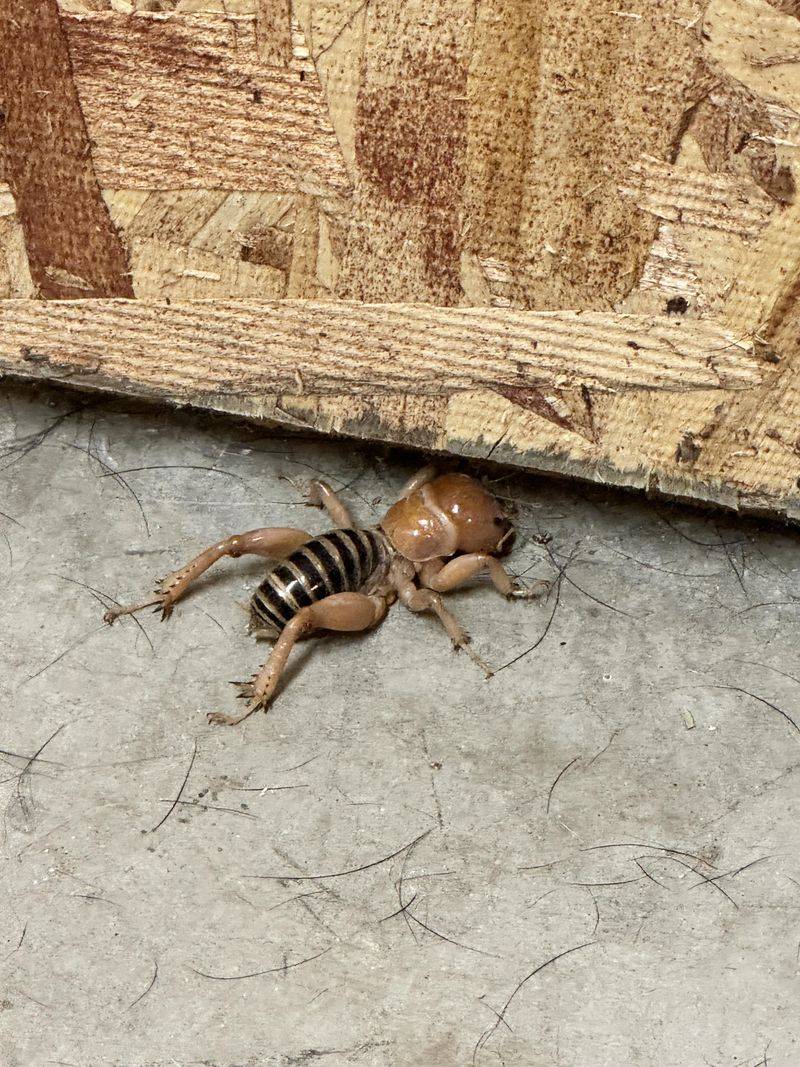
Picture a giant bug with a bald, almost human head and a striped belly, and you have the Jerusalem cricket. Old Spanish speakers in California called it niño de la tierra, or child of the earth.
Spotting one under a flowerpot can make anyone yelp.
Despite rumors, these insects carry no venom at all. They can give a pinch with their strong jaws if you grab them, but that is about it.
Leave them alone and they will simply dig back into the dirt.
Underground, they snack on dead plant matter and roots, and they help turn over soil. Most of their life happens at night, so seeing one is a lucky glimpse of a secret world below your tomatoes.
2. Gopher Snake
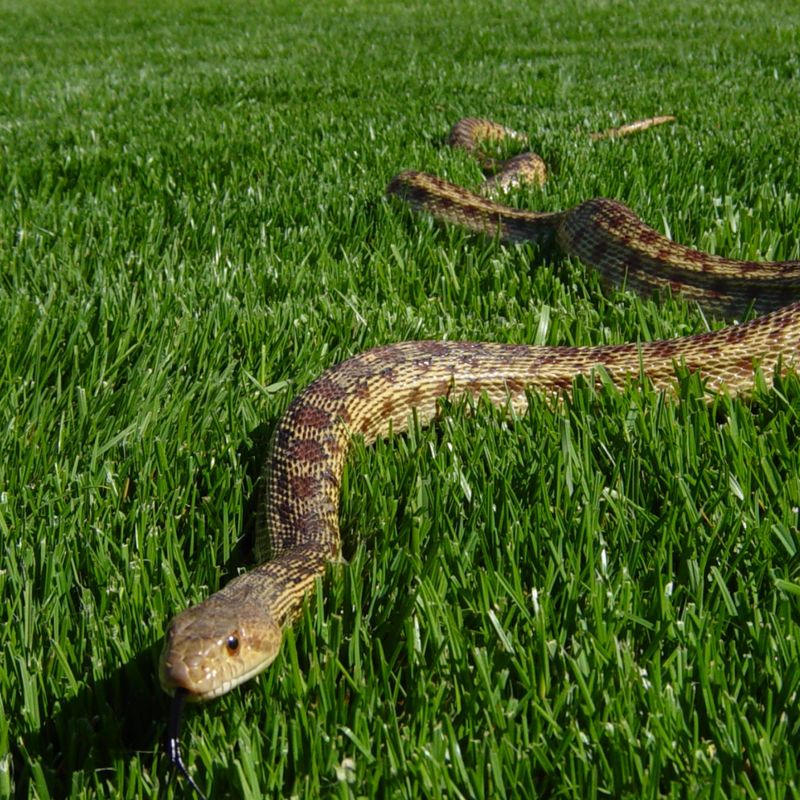
Hiss, puff, rattle. A gopher snake puts on one of the best acting shows in the reptile world, flattening its head and shaking its tail in dry leaves so it sounds like a rattlesnake.
Here is the twist: it has no venom and no rattle. The blotchy brown pattern adds to the costume, which fools plenty of hikers and gardeners every summer.
Look for a narrow head and round pupils to tell it apart from the real thing. Once you know, you might start cheering when one shows up.
A single gopher snake can eat lots of gophers and mice that would otherwise chew through your veggie roots.
3. Tarantula Hawk Lookalike: Velvet Ant
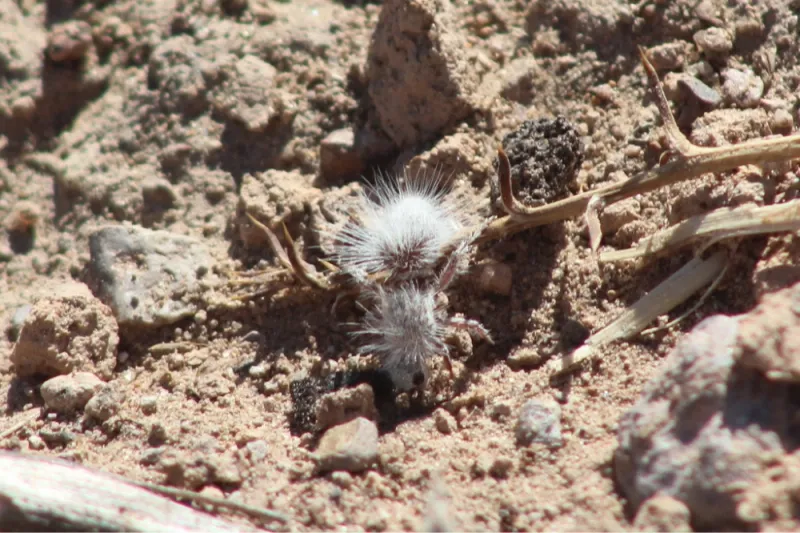
Fuzzy, fiery red, and racing across the sand like a tiny wind-up toy, the velvet ant looks like trouble. It is actually a wingless female wasp, not an ant at all.
Fair warning: she can sting if you pick her up barehanded, and it smarts. But she is not aggressive, carries no dangerous toxin for people, and would much rather scurry away.
Some folks call her a cow killer, a nickname that is pure exaggeration.
Fun detail: velvet ants squeak when bothered, making a little chirp to warn you off. Watch her from a respectful distance and admire one of the boldest outfits in the insect world.
4. Alligator Lizard
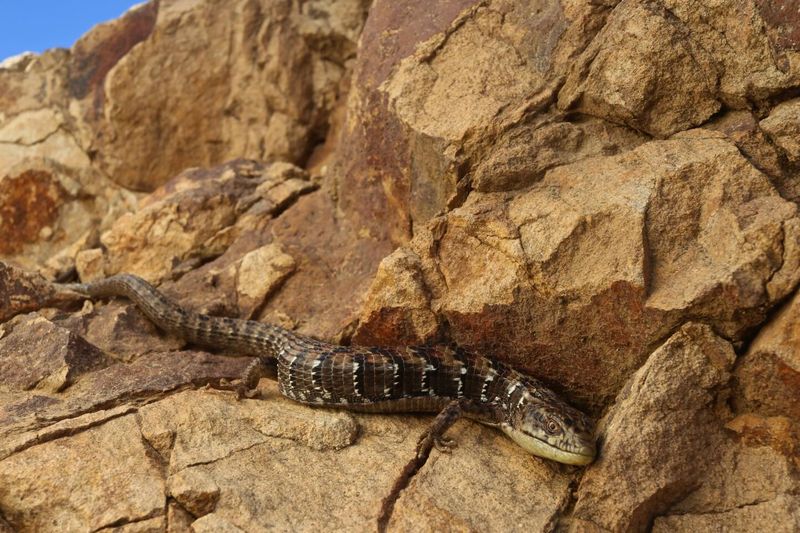
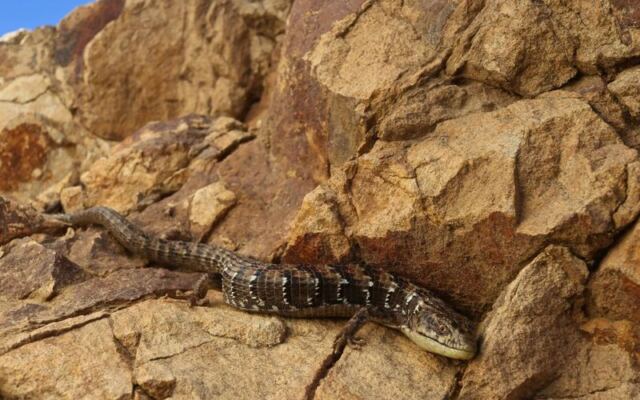
Ever flipped a garden board and found a long, stiff-scaled lizard glaring back with yellow eyes? Meet the alligator lizard, a common resident from San Diego to the Oregon border.
Its tough armor and snappy attitude give it a dangerous vibe. It may bite and even smear you with smelly poop when handled, which is rude, but not harmful.
There is zero venom involved.
Gardeners actually get a pest patrol for free. These lizards eat snails, slugs, spiders, and beetles.
Their tails can break off to escape predators and later regrow, so please never grab one by the tail.
5. Crane Fly
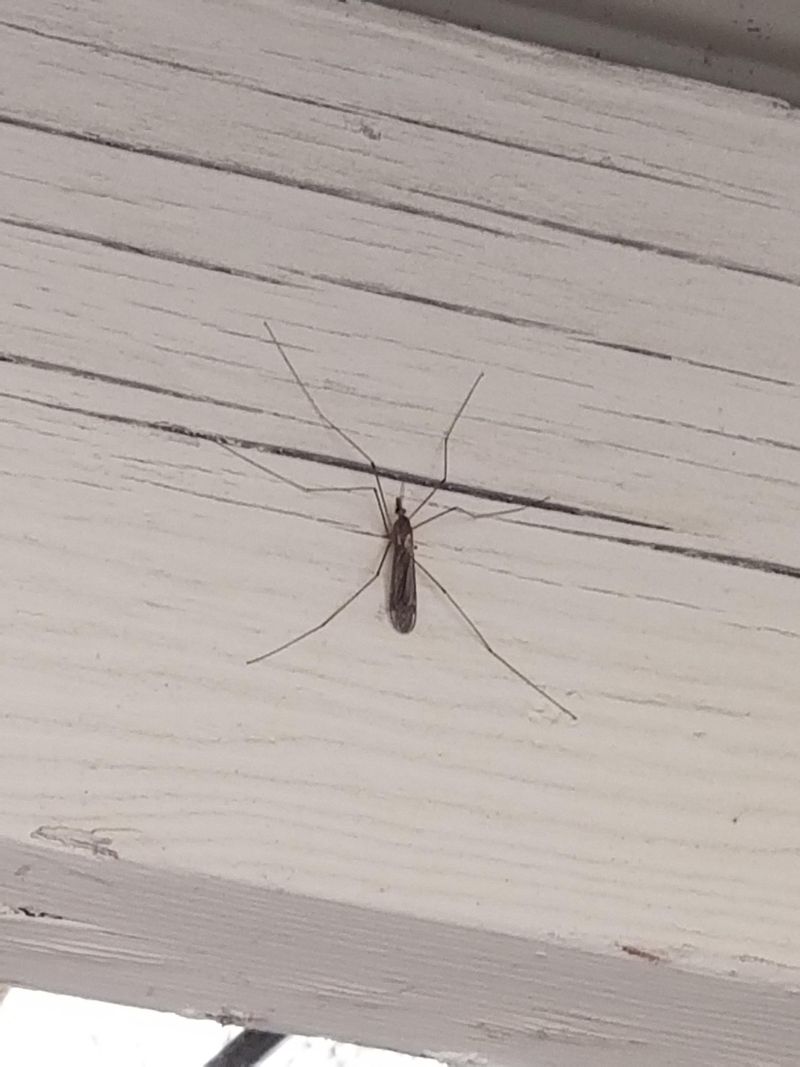
Spring arrives, and so do the giant mosquitoes. At least, that is what many people call crane flies when they bump against porch lights.
In truth, crane flies cannot bite or sting. Adults barely eat at all during their short lives, which may last only a few days.
Those spindly legs snap off easily, so they are more fragile than frightening.
Another myth claims they are deadly venomous but have mouths too small to bite. That story is completely false.
They are clumsy, harmless fliers just looking for a mate.
6. Ring-Necked Snake
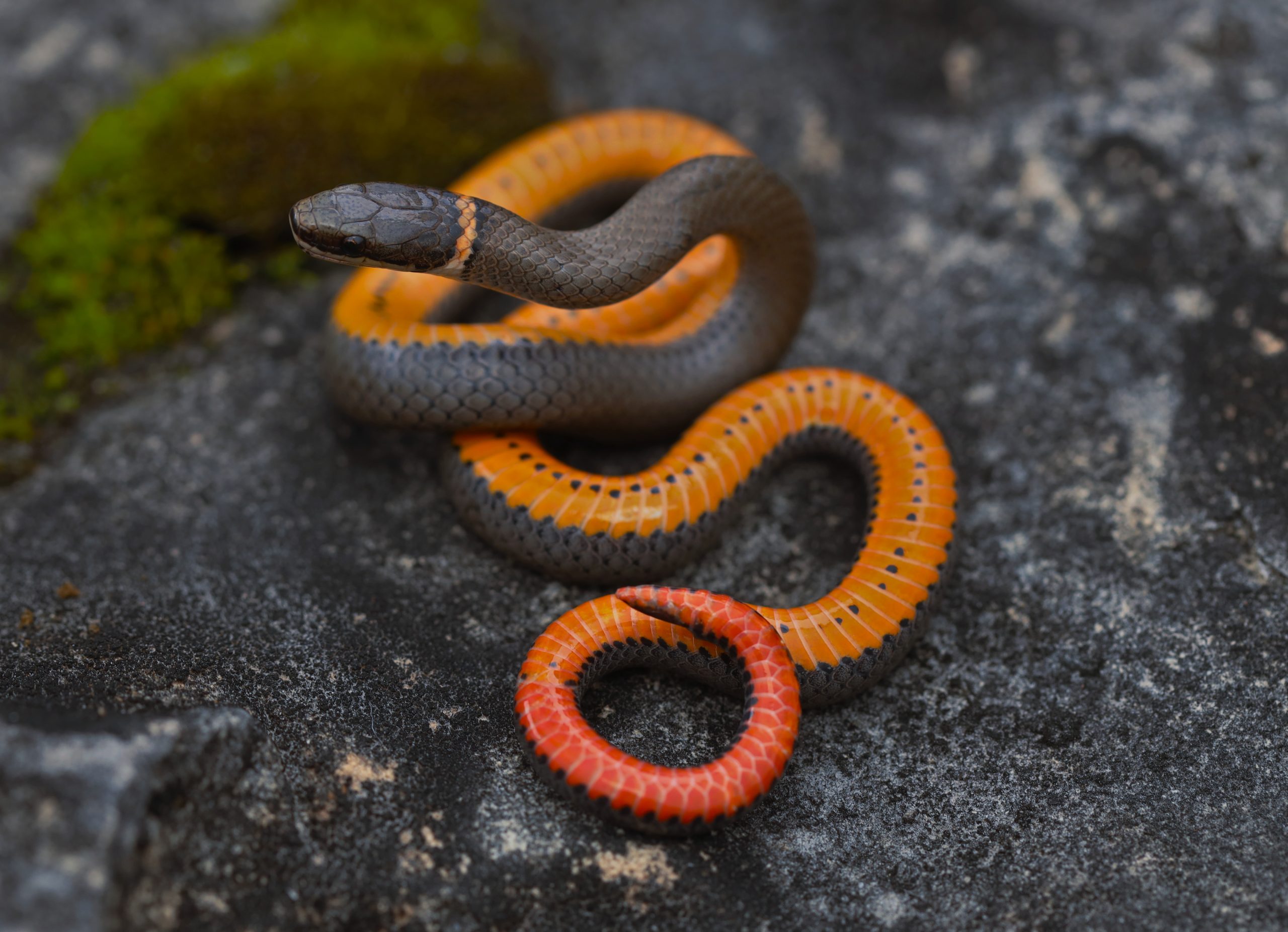
Flip a rock in a shady corner and you might see a flash of fire orange. The ring-necked snake curls its tail like a corkscrew to show off a bright red-orange underside, a classic warning signal.
All that color is mostly a bluff aimed at birds and other predators. These pencil-thin snakes are shy, rarely longer than a ruler, and almost never bite people.
Their saliva works only on tiny prey like slugs and worms.
If you find one, consider it a sign of a healthy garden with moist soil and plenty of life. Gently set the rock back and let it carry on.
7. Wolf Spider
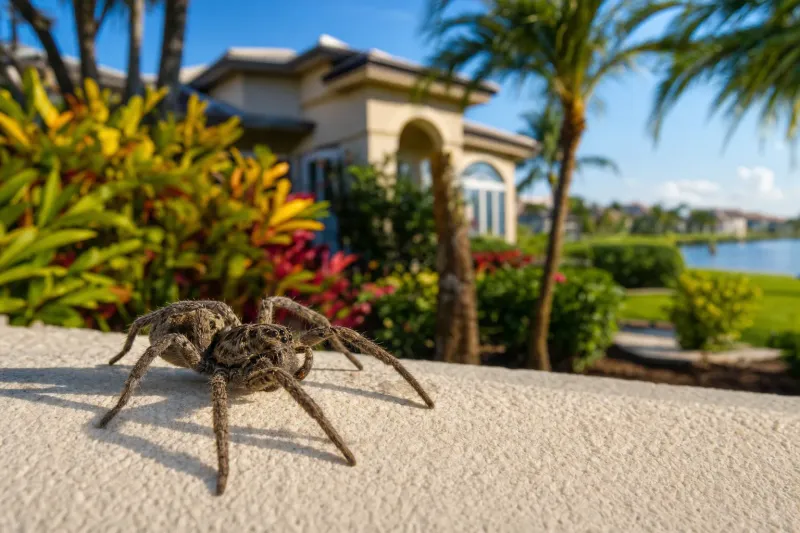
Few sights make gardeners drop the hose faster than a big, hairy spider sprinting across the mulch. Wolf spiders hunt on foot instead of using webs, so they move fast and look bold.
Their bite is rare and usually feels like a bee sting at worst, with no serious danger to healthy people. They are not out to get you and will run for cover first.
Moms are surprisingly devoted. A female carries her egg sac and then rides around with dozens of babies on her back.
Meanwhile, she gobbles up crickets, beetles, and other garden pests, making her a hardworking ally hiding in plain sight.
Share this story