Get the latest garden guides in your inbox →
Gardening Latest
  • General Gardening
  • Lawn Care
  • Plant Care
  • Composting
  • Soil Health
  • Backyard
  • Garden Muse Magazine
  • General Gardening
  • Lawn Care
  • Plant Care
  • Composting
  • Soil Health
  • Backyard
  • Garden Muse Magazine
  • News
  • Gardening Calendar
  • Garden Structures
  • Vegetable Garden
  • Vertical Garden
  • Raised Beds
  • Hydroponics
  • General Equipment
  • Community Gardens
Garden Themes
  • Spiritual Garden
  • Hydroseeding
  • Seeding and Laying Sod
  • Artificial Grass
  • Lawn Care Equipment
  • Plants
  • Trees
  • Planting Tools
  • Composting Basics
  • Fertilizer
  • Alternative Growing Mediums
  • Front Yard
  • Backyard Activities
  • Landscaping
Gardening Latest

Explore by state

Which state is your garden in?

Currently viewing New York

All states

Northeast

  • Connecticut —
  • Delaware 40
  • Maine —
  • Maryland 26
  • Massachusetts 42
  • New Hampshire —
  • New Jersey 26
  • New York 36
  • Pennsylvania 36
  • Rhode Island —
  • Vermont —

Southeast

  • Alabama 26
  • Arkansas —
  • Florida 26
  • Georgia 27
  • Kentucky 40
  • Louisiana 25
  • Mississippi —
  • North Carolina 24
  • South Carolina 39
  • Tennessee 23
  • Virginia 25
  • West Virginia —

Midwest

  • Illinois 25
  • Indiana 28
  • Iowa 39
  • Kansas —
  • Michigan 26
  • Minnesota 25
  • Missouri 25
  • Nebraska —
  • North Dakota —
  • Ohio 27
  • South Dakota —
  • Wisconsin 41

Southwest

  • Arizona 26
  • Colorado —
  • Nevada —
  • New Mexico —
  • Oklahoma —
  • Texas 25
  • Utah —

West

  • Alaska —
  • California 25
  • Hawaii —
  • Idaho —
  • Montana —
  • Oregon —
  • Washington —
  • Wyoming —

No state matches that search.

Site menu

Gardening Latest
  • General Gardening
    • News
    • Gardening Calendar
    • Garden Structures
    • Vegetable Garden
    • Vertical Garden
    • Raised Beds
    • Hydroponics
    • General Equipment
    • Community Gardens
    Garden Themes
    • Spiritual Garden
  • Lawn Care
    • Hydroseeding
    • Seeding and Laying Sod
    • Artificial Grass
    • Lawn Care Equipment
  • Plant Care
    • Plants
    • Trees
    • Planting Tools
  • Composting
    • Composting Basics
  • Soil Health
    • Fertilizer
    • Alternative Growing Mediums
  • Backyard
    • Front Yard
    • Backyard Activities
    • Landscaping
  • Garden Muse Magazine

Explore

  • About GardeningLatest.com
  • Contact Us

Get the latest from the garden

New guides on lawn care, plants and backyard projects, sent when they go up.

Subscribe →

Follow

  • Facebook
  • X
  • Pinterest
  • YouTube
New York Gardening

The Late Fall Chill Gives Away The Venomous Critters Living In Your New York Yard

When the first cold nights of November roll into New York, the creatures that hid all summer suddenly start showing…

E

By Elyanna

November 28, 2026 · 6 min read

The Late Fall Chill Gives Away The Venomous Critters Living In Your New York Yard

When the first cold nights of November roll into New York, the creatures that hid all summer suddenly start showing themselves. Spiders creep toward warm basements, snakes stretch out on sunny rocks, and stinging insects get cranky as their colonies wind down.

Knowing who is out there helps you keep kids, pets, and your own hands safe during fall cleanup. Here are ten venomous neighbors the chill tends to reveal, plus how to spot each one.

At a glance

Where
New York Gardening
Hardiness zone
7 0 to 10°F
Read
6 minutes
Published
November 28, 2026

1. Timber Rattlesnake

Timber Rattlesnake
© mlotterhand

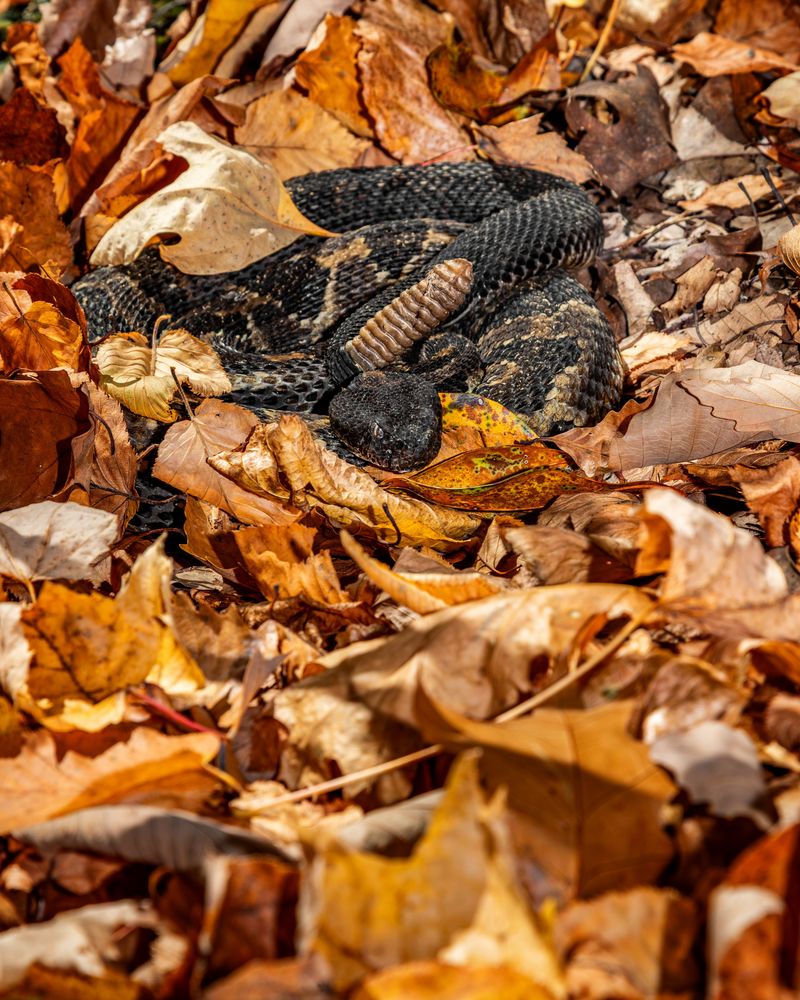
On a crisp late October afternoon, a flat rock warmed by the sun is the best real estate in the Hudson Highlands. Timber rattlesnakes know it, and they gather near their winter dens to soak up the last heat before months underground.

Fall is when homeowners near the Catskills, the Adirondack edges, and the Southern Tier are most likely to see one. The snakes move slowly in cool weather, so they may stay put when you walk by instead of slipping away.

Look for a chunky body with dark crossbands and a black tail tipped with a rattle.

Give them plenty of space and never try to move one yourself. Timber rattlers are a threatened species in New York, and harming one is illegal.

If one shows up near your home, call your local DEC office for help.

2. Eastern Massasauga
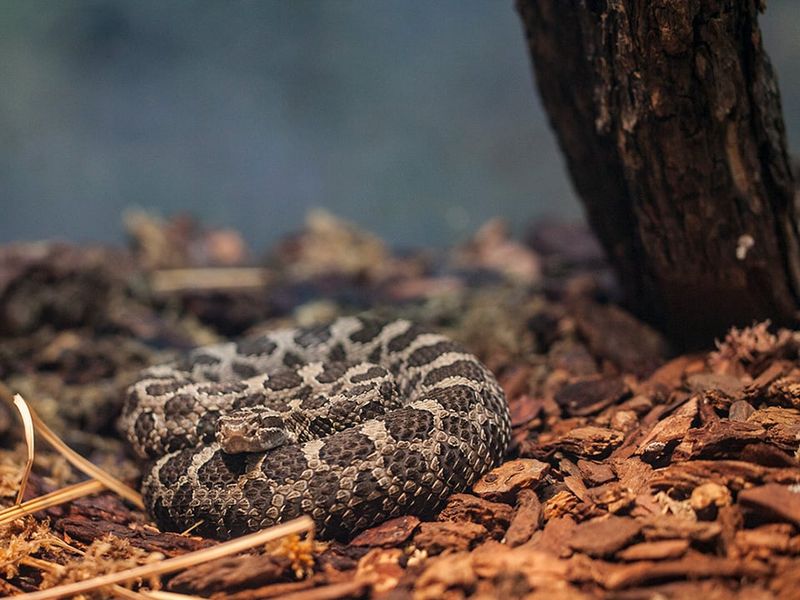
Eastern Massasauga
© AZA.org

Few New Yorkers have ever seen one, and that rarity is what makes the eastern massasauga so special. Only two known populations survive in the state, both tucked into wetlands near Syracuse and in western New York.

As temperatures drop, these little rattlers head toward crayfish burrows and soggy spots where they spend the winter. Folks living beside fens and swamps might notice one crossing a damp path in late fall.

They are shorter than timber rattlers, usually under three feet, with dark blotches on a gray-brown body.

Massasaugas are endangered and shy. A bite is rare and only happens when someone steps on or grabs one, so wear boots near marshy ground and watch where you put your feet.

3. Northern Copperhead
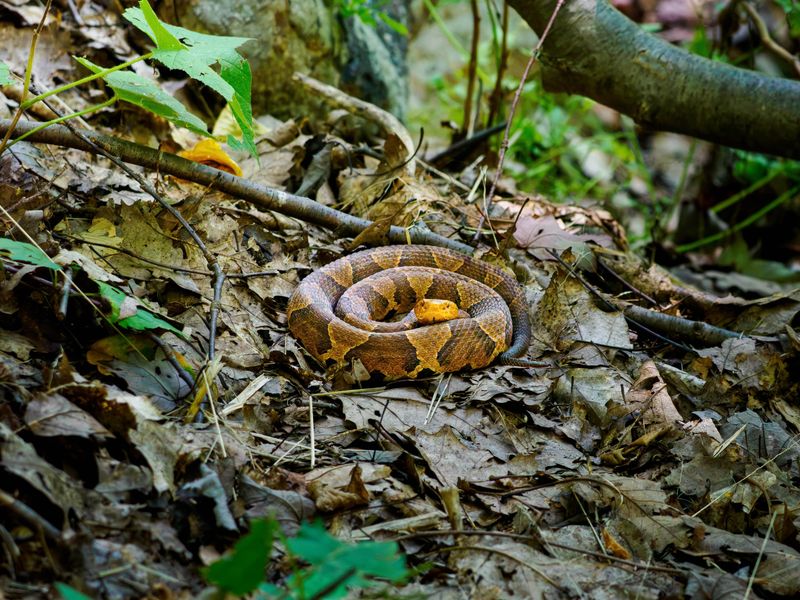
Northern Copperhead
© saratogabirder

Here is a fun challenge: drop a copperhead into a pile of autumn leaves and try to find it again. Its copper and tan hourglass bands blend so perfectly with fall foliage that it practically disappears.

That camouflage is exactly why late fall is tricky. Copperheads live in rocky, wooded areas in the lower Hudson Valley and parts of Orange, Rockland, and Putnam counties.

Sunny side of the house, late afternoon, and a dozen wasps are crawling around the window trim.

In October they travel back toward communal dens, sometimes crossing yards, stone walls, and woodpiles along the way.

Wear gloves and use a rake, not bare hands, when clearing leaf piles. Bites are painful but seldom deadly, though anyone bitten should get medical care right away.

4. Black Widow Spider
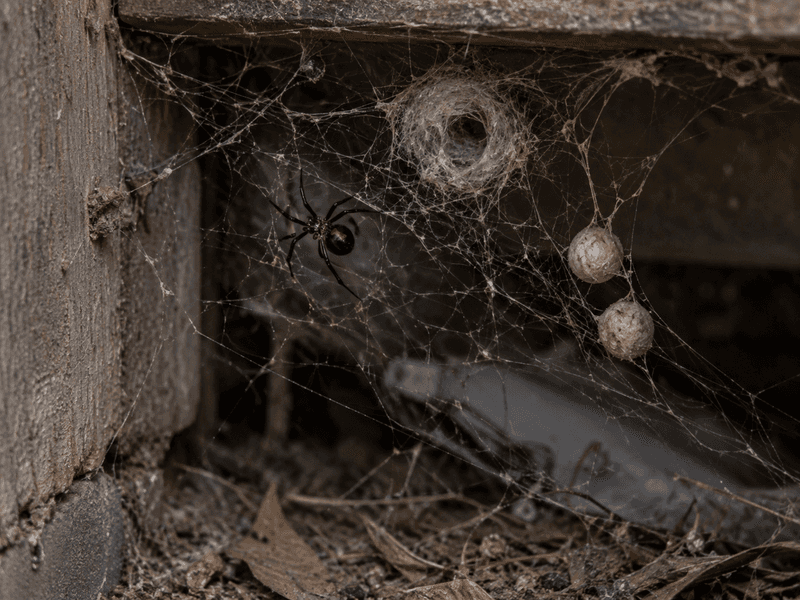
Black Widow Spider
© Pest Control in Bedford – Euless – Irving – Grapevine – Southlake – Keller – Colleyville – Dallas – Fort Worth | The Bug Dude | Our Pest Control Information

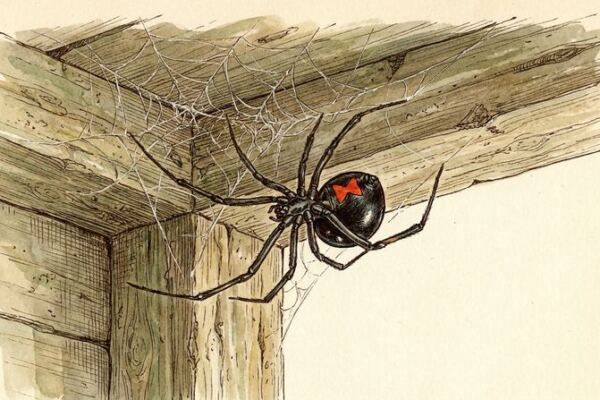
Glossy, round, and dressed in black with a red hourglass, the black widow is the spider with the scariest reputation. In New York, you are most likely dealing with the northern black widow, whose red mark often looks like two separate triangles.

Cool weather nudges them into quiet, sheltered places. Garages, sheds, firewood stacks, and the inside of stored flower pots are favorite hiding spots.

You might also spot their messy, tangled webs low to the ground as you pack away summer gear.

Their venom affects the nerves and can cause strong muscle cramps. Shake out gloves and boots stored outdoors, and wear gloves when reaching into dark corners.

5. Yellow Jacket
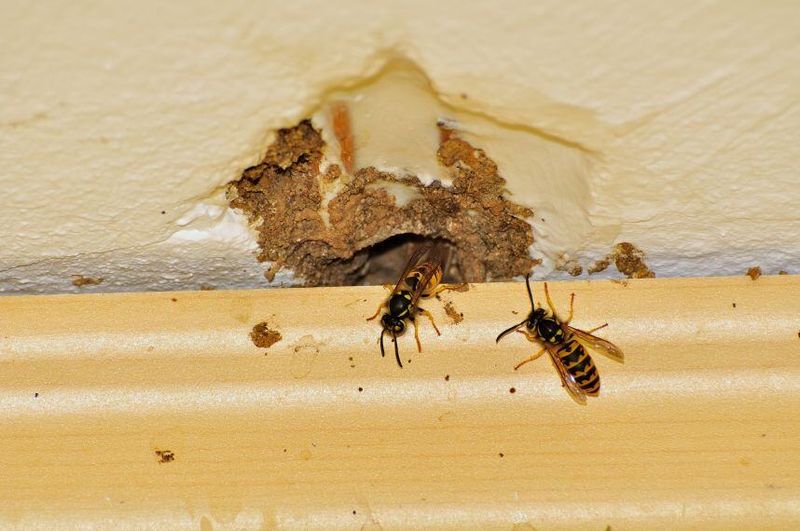
Yellow Jacket
© Viking Pest Control

Ever notice how yellow jackets seem extra grumpy in October? You are not imagining it.

Their colonies are collapsing, the queen has stopped laying eggs, and hungry workers go looking for sugar wherever they can find it.

Fallen apples, open soda cans, and trash bins become magnets. Many New Yorkers get stung during fall yard work when a mower or rake disturbs an underground nest.

Watch for a steady stream of wasps flying in and out of a small hole in the lawn.

Unlike honeybees, yellow jackets can sting more than once. Keep drinks covered outdoors, and if you find a ground nest, mark the spot and wait for a hard frost to finish the colony off.

6. Bald-Faced Hornet
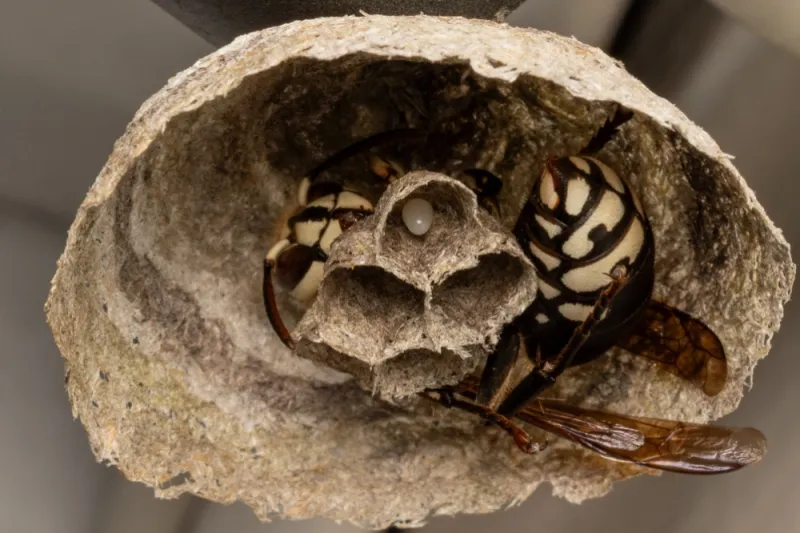
Bald-Faced Hornet
© Insectio

Every year, the same surprise happens. The leaves drop, and suddenly a gray paper nest the size of a football is hanging right above the driveway, where it has been all summer.

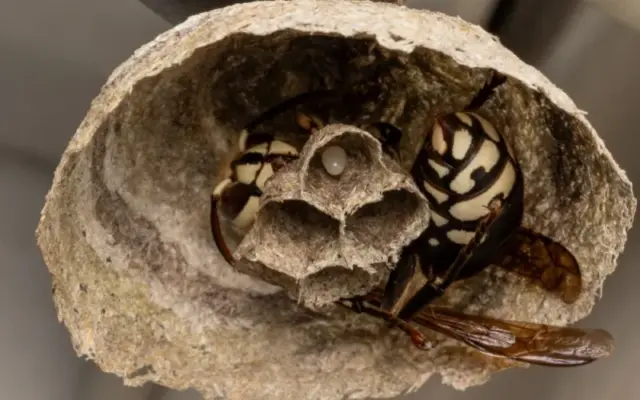
Bald-faced hornets build these nests high in trees and shrubs, and leafy cover keeps them hidden until fall strips the branches bare. The black-and-white insects are actually a kind of yellow jacket, and they defend their home fiercely.

Good news, though. After a few hard frosts, the workers die and the nest is abandoned for good.

Only new queens survive, hiding elsewhere, so a nest spotted in late November is usually safe to admire from below. Wait until it is truly quiet before taking it down.

7. European Paper Wasp
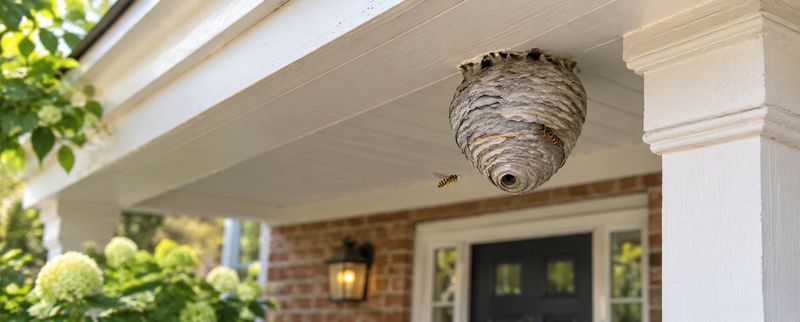
European Paper Wasp
© Skedaddle Humane Wildlife Control

Sunny side of the house, late afternoon, and a dozen wasps are crawling around the window trim. That scene plays out across New York every fall, and the European paper wasp is often behind it.

These wasps look a lot like yellow jackets, but they have longer dangling legs when they fly. As nights turn cold, mated queens search for winter shelter in attics, wall gaps, and behind shutters.

A few may sneak inside and wander around on warm winter days.

They usually sting only when pressed or trapped. Sealing cracks around windows and siding in early fall is the easiest way to keep them out of your living room.

8. Yellow Sac Spider
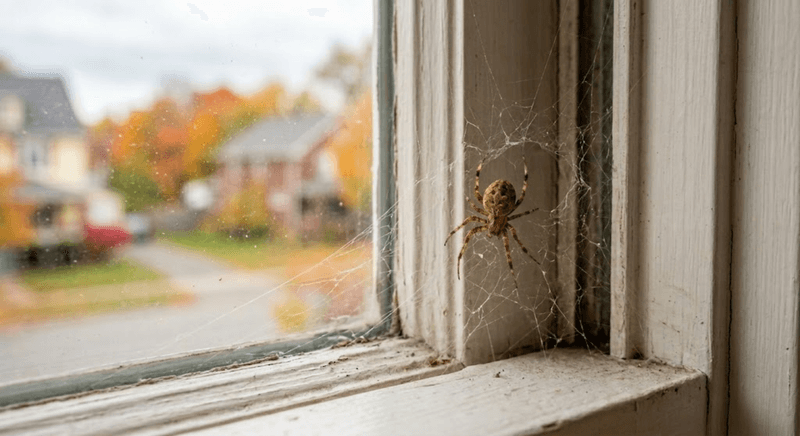
Yellow Sac Spider
© Eco Serve Pest Services

Pale, small, and fast, the yellow sac spider is the one you might find crawling across your ceiling at night once the weather cools. It does not spin big webs.

Instead, it hunts on foot and rests in tiny silk pouches.

Many people blame mystery bites on spiders that are innocent, but yellow sac spiders really do bite now and then. Their venom can leave a red, itchy, slightly painful spot that heals on its own in most cases.

They move indoors in fall looking for warmth and prey. Shake out clothes left on the floor, vacuum ceiling corners, and keep beds pulled away from walls to lower the chance of a run-in.

9. Northern Short-Tailed Shrew
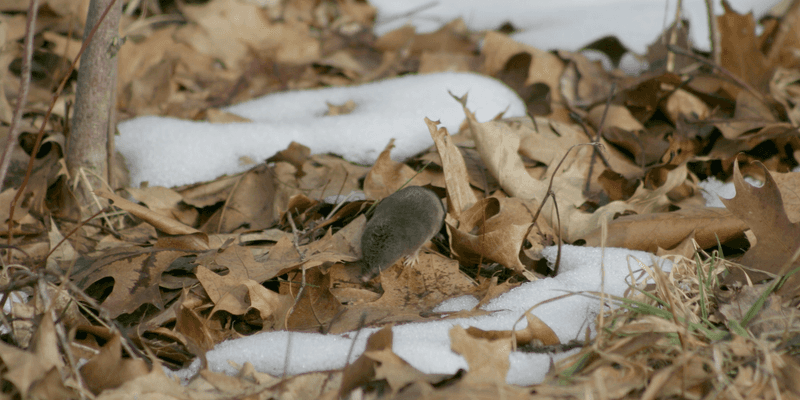
Northern Short-Tailed Shrew
© Commonwealth of Pennsylvania

Did you know New York has a venomous mammal? The northern short-tailed shrew, a mouse-sized critter with velvety gray fur, has toxic saliva that helps it subdue worms, insects, and even small mice.

Shrews burn energy so fast that they must eat almost constantly, and fall is a busy feeding time. You might see one darting through leaf litter, under bird feeders, or along garden edges.

Cats sometimes bring them home as gifts.

A shrew bite on a person causes burning pain and swelling but is not dangerous. Just let them be, since they gobble up slugs and grubs that harm your garden.

10. Saddleback Caterpillar
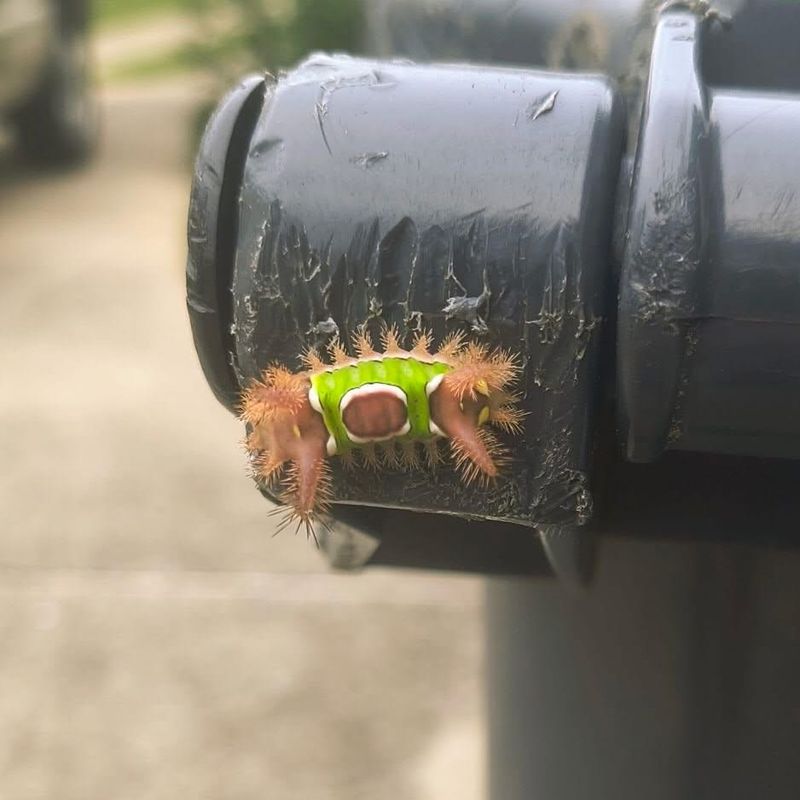
Saddleback Caterpillar
© spannwx

Looking almost like a cartoon character, the saddleback caterpillar wears a bright green blanket with a brown spot on its back. Cute, yes, but those spiky horns are packed with venom.

In southern New York, these caterpillars hang out on shrubs and garden plants until the first cold snaps. When you trim bushes or pull plants in early fall, it is easy to brush one by accident.

A sting feels like a sharp burn and can swell for hours. Press tape against the spot to lift out loose spines, then wash and ice it.

Teach kids to look but never touch any fuzzy or spiny caterpillar.

Share this story
E

Written by

Elyanna

More from Elyanna →

A passion for lavender! From a young age, Elyanna has had a passion for lavender. It began at the age of two when her mother walked her through fields of lavender in Norfolk England. This ignited her interest; she has grown harvested and learned about this beautiful herb.

About Gardening Latest

Gardening Latest provides in-depth guides to maintaining and enhancing your garden and backyard. Learn how to make the most of the space you have and create a beautiful garden.

More about us →

Latest stories

  • Ohio GardeningNeighbor’s Branches Hanging Over Your Ohio Yard? You’re Allowed to Trim Them Back to the Property Line

    Neighbor’s Branches Hanging Over Your Ohio Yard? You’re Allowed to Trim Them Back to the Property Line

    9 min ago
  • Indiana GardeningIndiana Gardeners Keep Jumping Back From These 7 Critters, but They’re Completely Harmless

    Indiana Gardeners Keep Jumping Back From These 7 Critters, but They’re Completely Harmless

    15 min ago
  • Pennsylvania GardeningThe Fresh Ant Hills You Find After a Pennsylvania Rain Reveal More About Your Lawn Than You’d Think

    The Fresh Ant Hills You Find After a Pennsylvania Rain Reveal More About Your Lawn Than You’d Think

    20 min ago
  • Arizona GardeningThis Invasive Tree Keeps Outrunning the Arizona Homeowners Trying to Pull It

    This Invasive Tree Keeps Outrunning the Arizona Homeowners Trying to Pull It

    25 min ago
  • Texas GardeningA Texas Storm Just Put Your Neighbor’s Tree in Your Yard, and Here’s Who Really Pays

    A Texas Storm Just Put Your Neighbor’s Tree in Your Yard, and Here’s Who Really Pays

    30 min ago

Gardening by state

Stories for your state, and the hardiness zone most of it gardens in.

Keep exploring

Read next

All New York Gardening →
New York GardeningYes, New York Has Venomous Snakes And Spiders, And Here’s How To Spot Each One
New York Gardening

Yes, New York Has Venomous Snakes And Spiders, And Here’s How To Spot Each One

2 hr ago
New York GardeningPicked Up a Hickory Tussock Caterpillar While Raking Leaves in New York? Here’s What to Do Right Away
New York Gardening

Picked Up a Hickory Tussock Caterpillar While Raking Leaves in New York? Here’s What to Do Right Away

6 hr ago
New York GardeningCoyotes Howling Late at Night Near Your New York Home Have a Seasonal Message for You
New York Gardening

Coyotes Howling Late at Night Near Your New York Home Have a Seasonal Message for You

9 hr ago

More from New York Gardening

  • 8 Things In New York Backyards That Towns Are Starting To Crack Down On

    Nov 26
  • This Tiny Shrew In New York Yards Has A Venomous Bite, And It’s Active All Winter

    Nov 25
Back to top

Leave a response Cancel

Your email address stays private. Required fields are marked with an asterisk.

Gardening Latest

In-depth guides to maintaining and enhancing your garden and backyard: how to make the most of the space you have, and how to make it beautiful.

  • Facebook
  • X
  • Pinterest
  • YouTube

We may earn a portion of sales from products or services that are purchased through our site as part of our affiliate partnerships with retailers.

Explore

  • About GardeningLatest.com
  • Contact Us
  • Terms and Conditions
  • Privacy
  • Editorial Note:
  • FTC Disclosure

Newsletter

New garden guides and seasonal tips, straight to your inbox.

We’ll email you a link to confirm. Unsubscribe any time.

Almost there! Check your inbox and tap the link to confirm.

© 2026 Gardening Latest. All rights reserved.

Back to top