South Carolina really does have a mammal with a venomous reputation, and it is a tiny shrew that spends its life under leaves and soil. The southern short-tailed shrew is reported by some authoritative sources to have venomous saliva, which surprises people who think only snakes and spiders pack a toxic punch.
Scientists have studied the venom most closely in a northern cousin, so the story has some details worth knowing. Here is what we know, where you might cross paths with one, and what to do if you do.
What we know about South Carolina’s short-tailed shrews
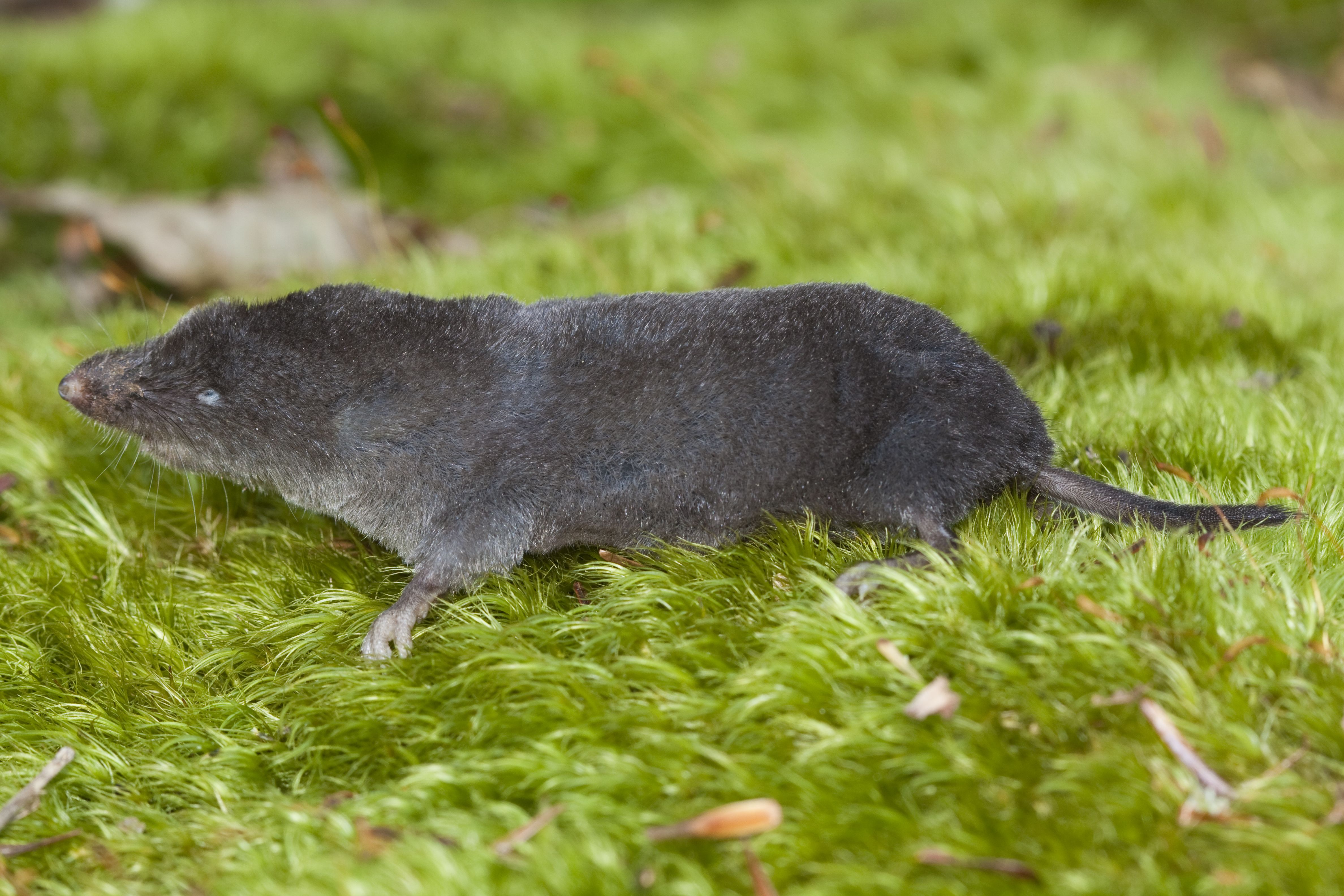
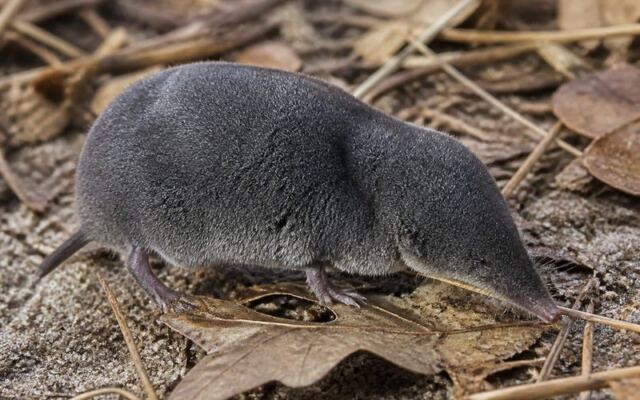
South Carolina is home to the southern short-tailed shrew, a small, dark gray mammal with velvety fur, tiny eyes, and a short tail. It is a lot smaller than most people picture.
The U.S. Forest Service mammal guide lists the species at 79 to 123 mm in total length, tail included, and 8 to 15 g in weight.
That is roughly 3 to 5 inches long and about the weight of a few coins.
You may hear this animal called thumb-sized, but that is only a rough comparison. Some individuals will be smaller and some larger, so the measurements above are the better guide.
Either way, this is a very small animal with a very big appetite.
Now for the headline claim. Some authoritative accounts describe the southern short-tailed shrew (Blarina carolinensis) as having venomous saliva or a venomous bite.
The Forest Service guide is one of them, and a Texas Tech species account is another.
There is one catch worth keeping in mind. The University of Michigan’s Animal Diversity Web says venom has not been experimentally confirmed in this particular species.
So we have trusted descriptions on one side and lab confirmation on the other, and the next sections show how those fit together.
Where a shrew might turn up
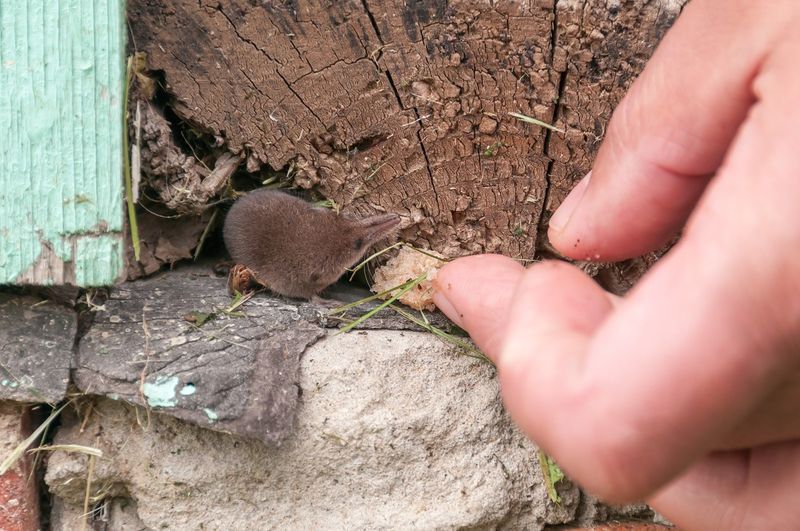
According to a 2025 Clemson Extension forestry newsletter, the southern short-tailed shrew lives across South Carolina except in the mountains. Short-tailed shrews there measure about 2 to 4 inches and spend much of their time underground or beneath leaf litter.
They use soft soil and leaf litter for burrowing.
Picture the places that match that description. A thick layer of oak leaves, a mulched garden bed, or a damp corner near a woodlot all offer soft ground and cover.
That is why a yard can be a possible place to meet one, especially if it sits next to woods or an overgrown field.
The Forest Service guide lists a wide mix of homes for the species, including old fields, pine stands, hardwood forests, and forested wetlands. It describes the animal as common in much of the lower Piedmont and Coastal Plain.
Its density numbers for South Carolina come from a 1974 study of natural areas.
That adds up to a reasonable guess, not a promise. A statewide range and suitable cover do not mean shrews are common in residential yards across the state.
Whether one lives near you depends on the leaf litter, the soil, and what grows next door.
Because shrews stay hidden and move quickly, most people never see one. A rustle in the leaves is far more likely to be a lizard or a beetle.
What sources say about the southern shrew’s venom
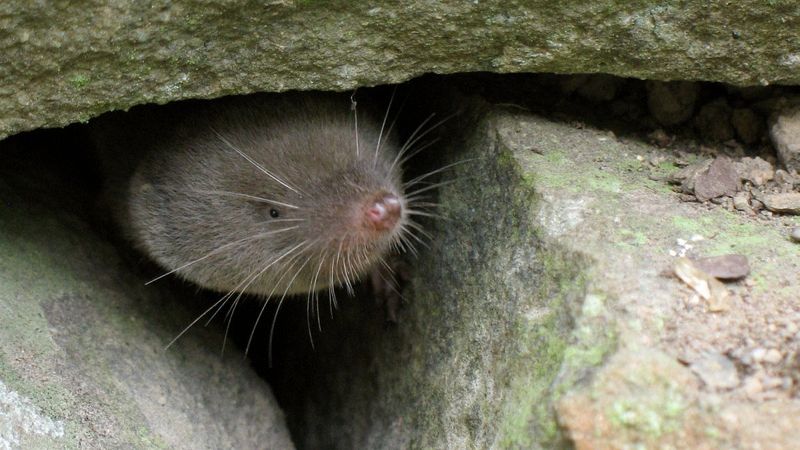
Sources that describe this species do not all say the same thing, and that is the useful part. The Forest Service guide describes the southern short-tailed shrew as having venomous saliva or a venomous bite.
The Texas Tech species account, linked earlier, also describes a venomous bite.
These are respected, well-known references, so the claim is not made up. It shows up in mammal guides written by wildlife scientists.
That is why the headline is a fair way to start the conversation.
The Animal Diversity Web account adds a careful note. It says venom has not been experimentally confirmed in Blarina carolinensis.
In other words, nobody appears to have tested this exact species in a lab and published the result.
Here is how to hold both ideas at once. A species account can describe a bite as venomous based on its close relatives and on observations.
An experiment, by contrast, isolates the toxin and tests what it does. For the southern species, we have the first kind of information but not the second.
That gap does not prove the animal lacks venom, and it does not prove it has it. It simply means the wording matters.
When you read a claim about this shrew, check whether it says the species is described as venomous or whether it says venom was confirmed by testing. Those are two different statements, and only the first one currently fits the southern shrew.
The strongest experiments studied a northern relative
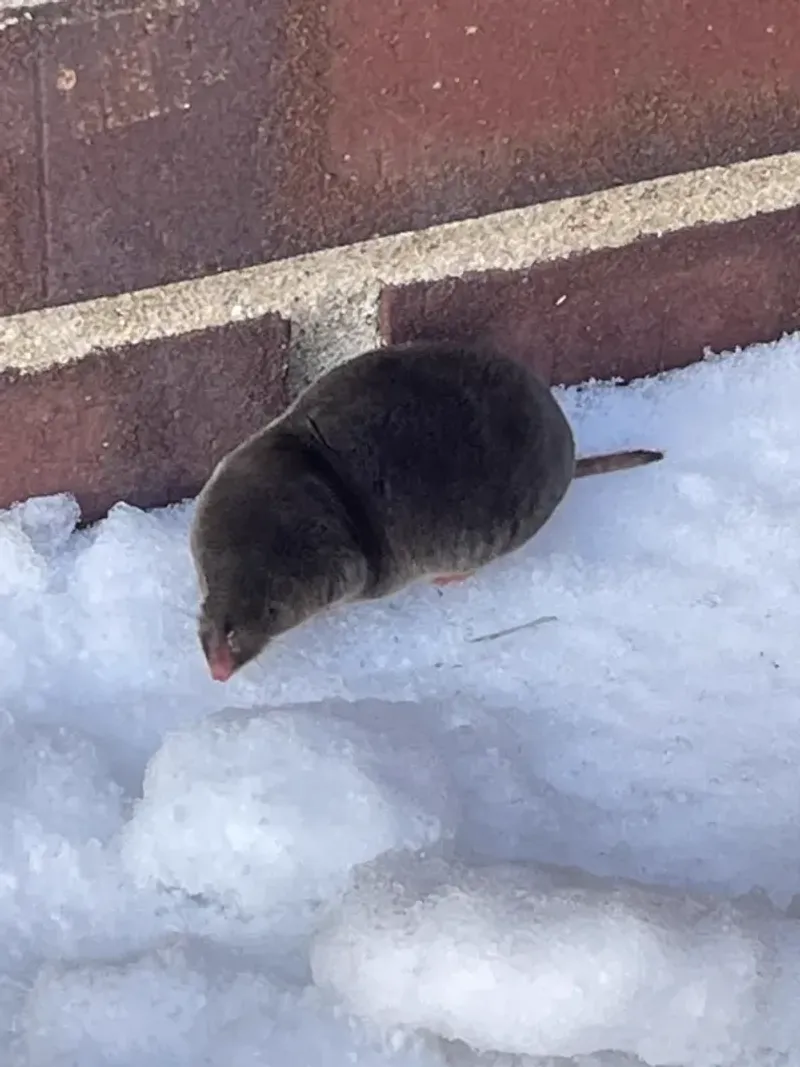
The best laboratory evidence belongs to a close relative, the northern short-tailed shrew (Blarina brevicauda). A peer-reviewed 2004 study in PNAS isolated and characterized a toxin from that species.
The researchers named it blarina toxin and described it as a lethal mammalian venom.
That is a big deal, because venomous mammals are rare. It shows that at least one short-tailed shrew species makes a true venom, not just irritating saliva.
The same study also describes published human bite accounts involving the northern species. Those reports mention local burning and swelling.
They are stories about B. brevicauda, not tested results from southern shrews.
So it would be a mistake to take those findings and pin them on the shrews in your Carolina garden. The two animals are close cousins and look alike, which makes it tempting to treat them as one.
Still, the experiment was done on one species, and the results belong to that species until someone tests the other.
For a homeowner, the practical meaning is simple. There is real science showing that a short-tailed shrew can be venomous, and it is reasonable to be careful around any of them.
But nobody can tell you exactly what a southern short-tailed shrew bite will do to a person.
A sighting may not identify the species

Spotting a shrew in South Carolina does not tell you which kind you saw. The state has both northern and southern short-tailed shrews.
According to the Clemson Extension newsletter, the northern species lives in the foothills and mountains. The southern species is found statewide except in the mountains.
The ranges overlap in the foothills, but they do not split the state neatly. Location gives you a clue, not an answer.
A shrew in the Upper Piedmont could be either one, while one on the coast is far more likely to be the southern species.
Looks will not settle it either. The two are very similar, and telling them apart can require examining the skull and teeth, or using DNA.
That is work for a lab or a trained biologist, not something you can do from the patio.
This matters for the venom question. Because you cannot name the species from a quick look, you cannot know whether a bite came from the one with experimentally studied venom or the one with described but unconfirmed venom.
It is better to treat any short-tailed shrew the same way.
A handy habit is to say “short-tailed shrew” when you describe what you saw. If you want a firm identification, a wildlife biologist or your county Extension office can point you toward the right expert.
Give a shrew space and get advice after a bite

If you see a shrew, let it go about its business. Do not handle or corner a wild shrew, and do not try to catch one to get a closer look.
A frightened animal with nowhere to run is the one most likely to bite.
A few easy habits help in the garden. Wear sturdy gloves when you move leaf piles, mulch, or boards, and shake out debris instead of reaching in bare-handed.
Keep pets from digging at or chasing small animals.
If a bite does happen, wash the wound promptly with soap and water. Then contact a medical professional or public-health authority for advice.
Do not assume it will be minor. The Clemson newsletter mentions bruising, but it talks about shrews as a group, and other sources describe burning or swelling after bites from short-tailed shrews, so a bite should not be brushed off.
CDC guidance on wildlife says to seek medical attention for a serious wound, or one that becomes red, painful, warm, or swollen. It also recommends talking about rabies risk after any contact with wildlife.
Which species of shrew it was does not answer either question, so mention the contact to your provider no matter what.
Small, secretive, and quick, the shrew mostly wants to be left alone. Leave it the leaf litter and it will likely leave you the garden.
Share this story