That big cactus in your new backyard might look like it belongs to you, but in Arizona the law sees it a little differently. The state protects many native plants under the Arizona Native Plant Law, and the Arizona Department of Agriculture decides who can dig them up, move them, or sell them.
Breaking these rules can mean steep fines, even if the plant is on your own land. Here are seven common desert plants that need a permit or tag before you grab a shovel.
1. Saguaro Cactus
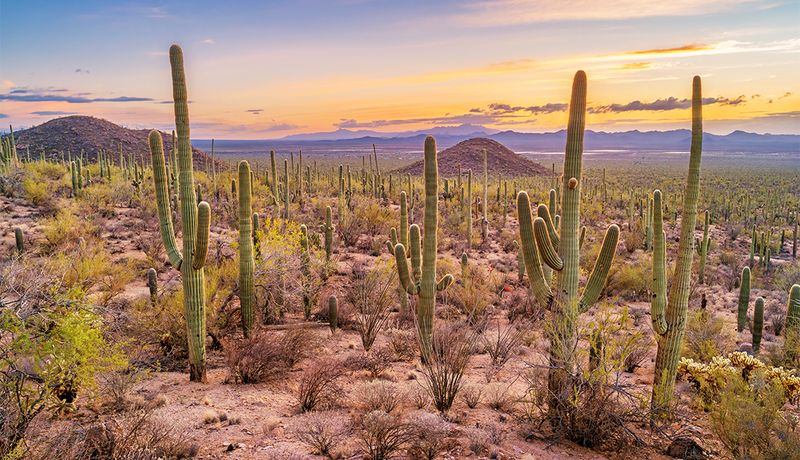
Picture a cactus that can live over 150 years and weigh more than a small car. The saguaro is the king of the Sonoran Desert, and Arizona guards it closely.
It falls under the state’s highly safeguarded category, which carries the strongest protection.
Moving one legally means getting a permit from the Arizona Department of Agriculture plus a special tag attached to the plant. Landowners clearing property for building must give notice before removal, so salvagers have a chance to rescue the cactus.
Cutting one down without approval can lead to criminal charges and heavy fines.
Fun fact: a saguaro may not grow its first arm until it is around 50 to 75 years old. That slow growth is exactly why the state treats each one like a treasure.
2. Ocotillo
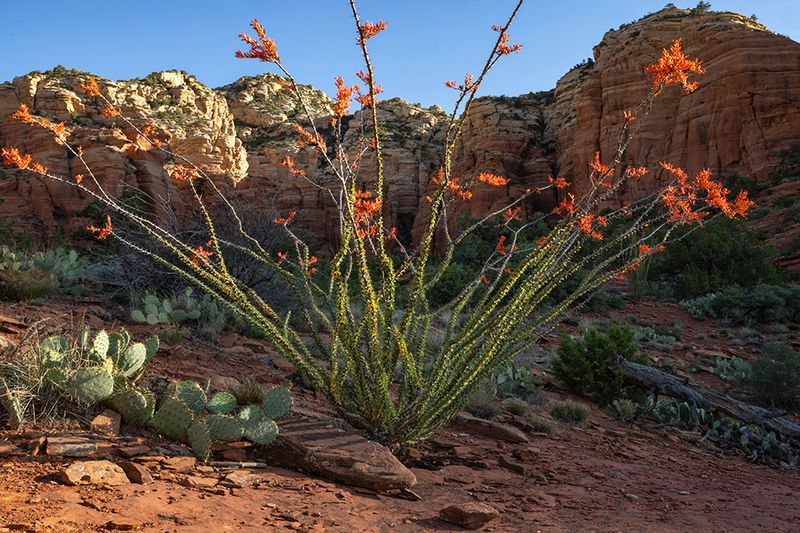
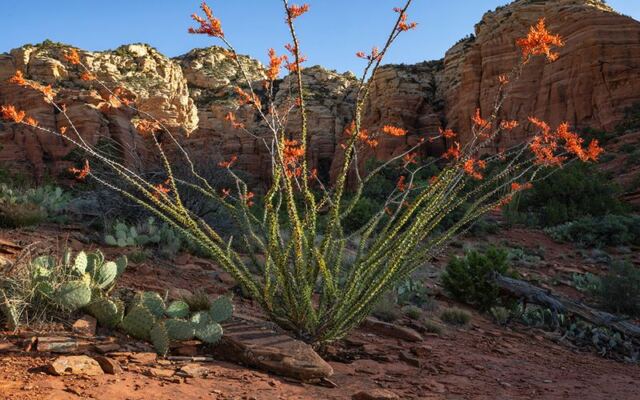
Ever seen a bundle of spiky sticks suddenly burst into red flame-like blossoms after rain? That’s the ocotillo showing off.
People love it for fences and landscaping, which is part of why it’s protected.
Ocotillo is listed as salvage restricted under Arizona law. You need a permit and a state tag to remove, transport, or sell it, even when using the stems for a living fence.
When buying one at a nursery, ask to see the tag. A legal ocotillo should always come with paperwork, and buying an untagged one could land you in trouble too.
3. Barrel Cactus
Old cowboy stories claim you can chop open a barrel cactus for a drink of water. Please don’t.
The pulp can upset your stomach, and harming the plant breaks state rules.
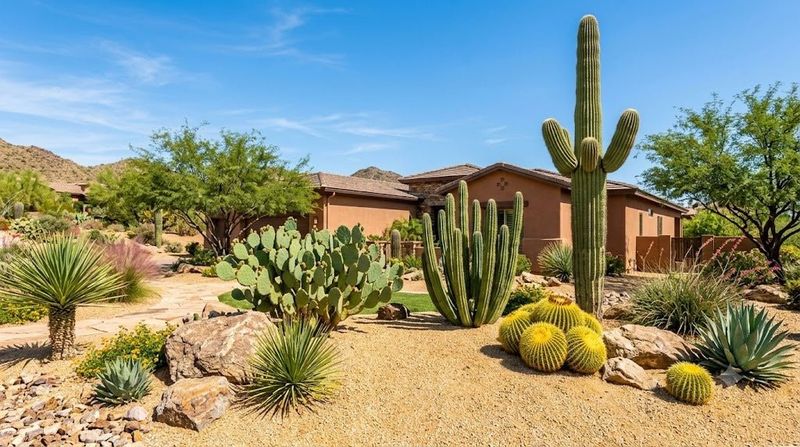
Barrel cacti, including the fishhook barrel, are salvage restricted in Arizona. Their round, chunky shape makes them popular in yards, so poachers often target them.
A permit and tag are required before digging one up. Here’s a quirky detail: many barrel cacti lean toward the south, earning them the nickname compass cactus.
4. Ironwood Tree

Think of the desert ironwood as a babysitter for the whole desert. Young saguaros, birds, and small animals often grow up or take shelter beneath its shady branches.
Its wood is so dense it sinks in water.
Arizona classifies ironwood as harvest restricted and salvage assessed. That means you need permits to remove the tree or even gather its wood for firewood or carving.
Some of these trees may live for centuries. Losing one can affect an entire neighborhood of desert life, which explains the extra care.
5. Agave
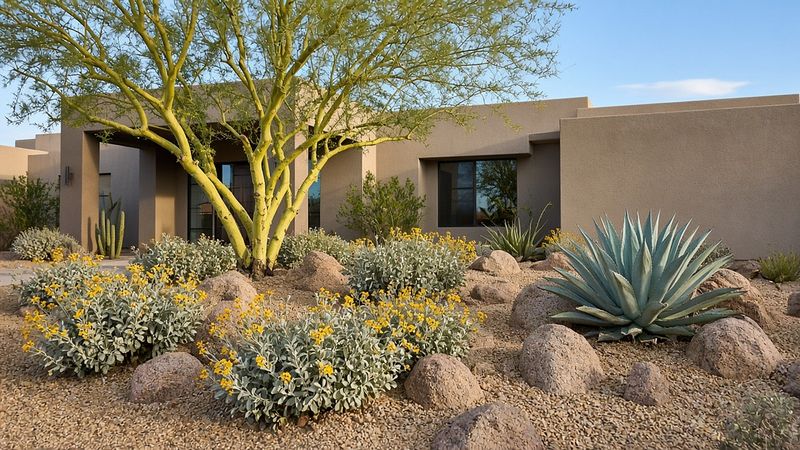
Here’s a plant that saves all its energy for one grand finale. Many agaves grow for decades, send up a towering flower stalk, and then die.
It’s dramatic, beautiful, and a little sad.
Most native agave species in Arizona are salvage restricted. Collectors prize rare kinds, so the state requires permits and tags for removal and sale.
Native peoples once roasted agave hearts in pits as an important food. Today, the best way to honor that history is leaving wild plants where they grow.
6. Palo Verde
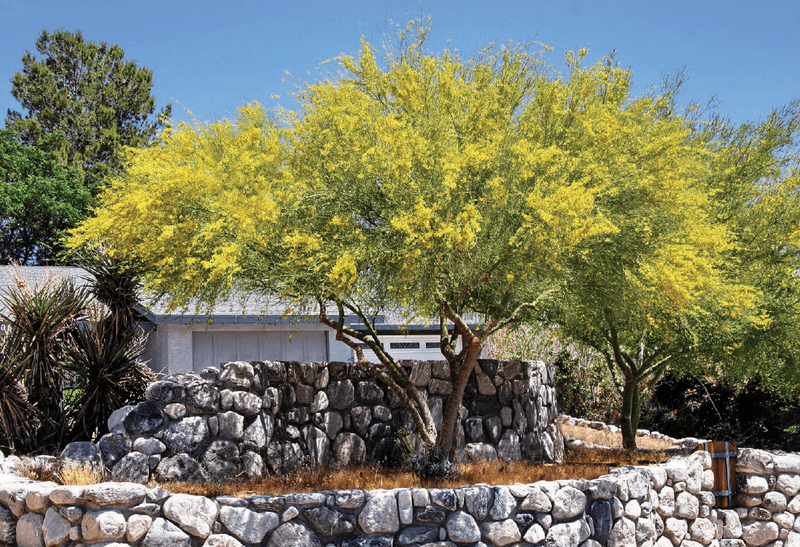
Every spring, palo verde trees turn whole desert hillsides bright yellow. The name means green stick in Spanish, thanks to its green bark that can make food from sunlight.
Palo verde is salvage assessed under Arizona law. Landowners usually need to notify the state and get permits before removing or selling these trees from the wild.
It also happens to be Arizona’s official state tree. Treat it with the respect any state symbol deserves.
7. Cholla Cactus
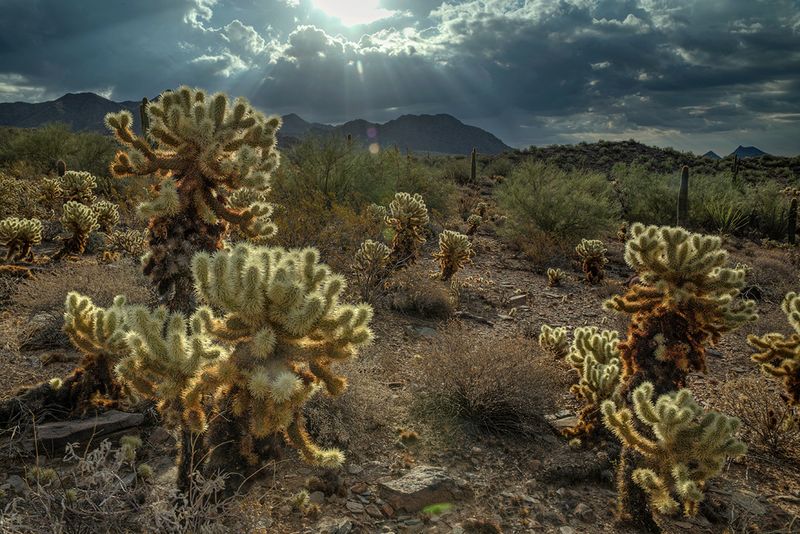
Don’t let the cute nickname fool you. The teddy bear cholla looks fuzzy but its spines latch onto skin so easily that people swear it jumps.
Many cholla species are salvage restricted, so digging them out requires state approval and tags. Some homeowners assume chollas are weeds because they spread fast, but the law still applies.
Cactus wrens love building nests inside cholla, safe from predators. Before removing one, check the rules and look for birds calling it home.
Share this story