A small greenhouse can become overcrowded long before it becomes productive. A few bargain tomato plants arrive, the seed trays multiply and suddenly you’re watering at arm’s length through a wall of leaves. The building hasn’t shrunk. Your plans have grown.
Better results begin with leaving enough room to care for what’s inside. These small greenhouse tips cover the familiar jobs, including ventilation and watering, alongside two useful experiments: mapping warm and cool spots and learning what a thirsty pot feels like. Most suit an ordinary backyard greenhouse. Adjust planting dates and crop choices to your local climate, especially where summers are very hot or winters bring hard frost.
Put Light First in Your Small Greenhouse Setup
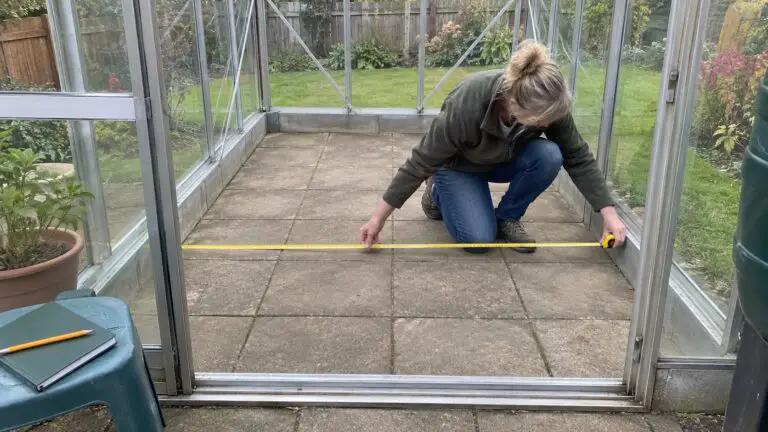
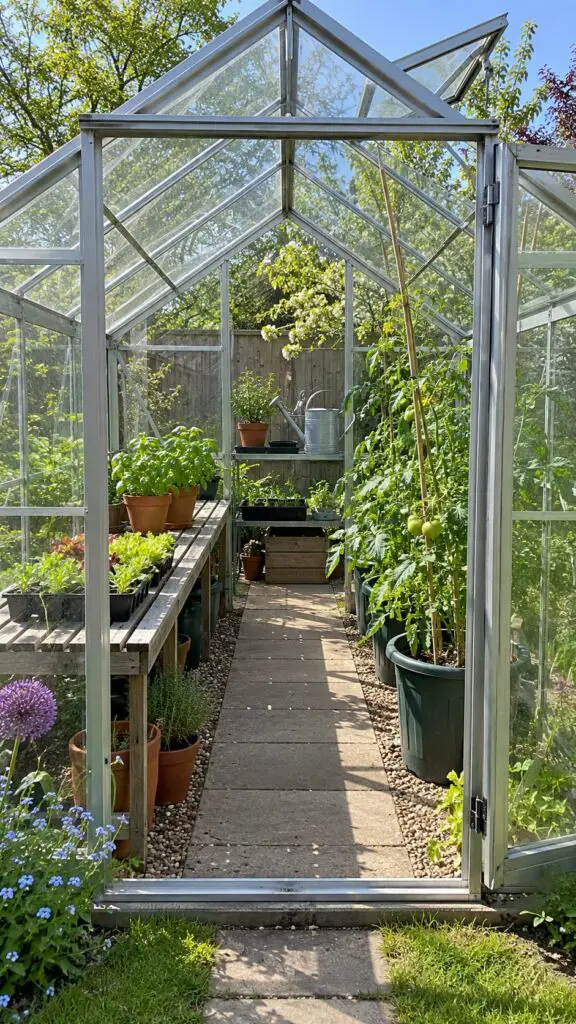
Before buying another shelf, watch where the sunshine falls. A greenhouse beside a hedge might look bright at breakfast yet spend most of the afternoon in shade. Check it at several times of day. Think about the lower winter sun too, when a nearby fence can cast a surprisingly long shadow. If you’re choosing a site, favour good light, firm level ground and access you can manage with a full watering can. 1
For an existing greenhouse, work with the light you have. Wash dirty glazing, clear fallen leaves from the roof and move stored bags away from the glass. Those small jobs can help without a shopping trip. Avoid sacrificing useful growing space to things that could live in the shed. An empty compost sack has no need for a sunny windowsill. Your seedlings do. 2
Leave Room to Move in Your Small Greenhouse Layout
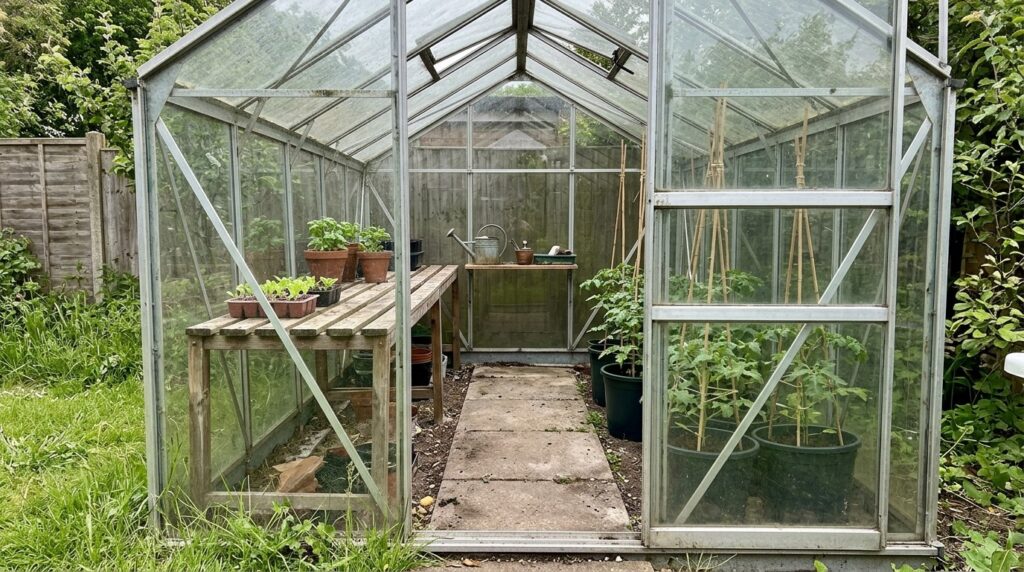
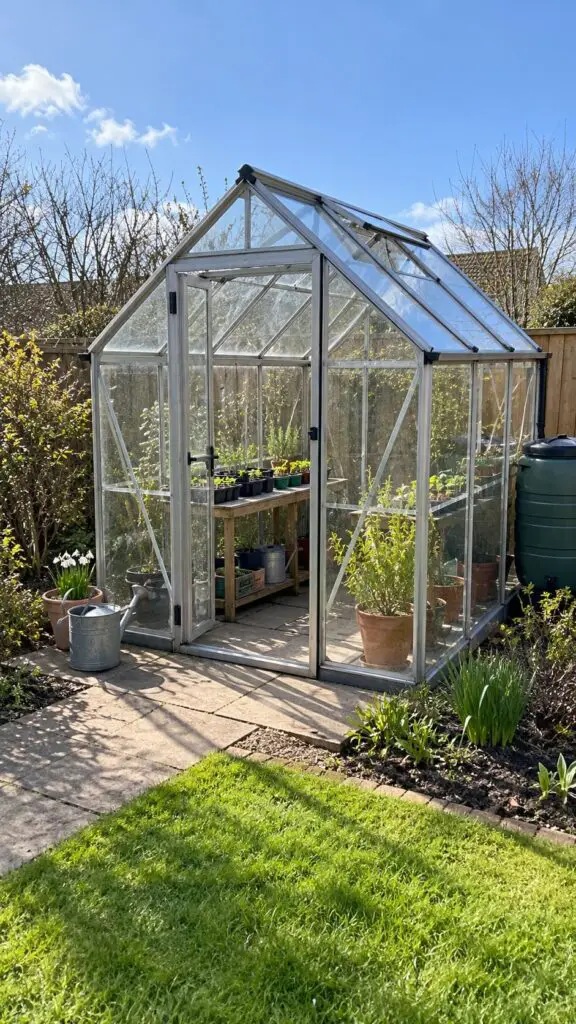
A clear path earns its space every day. You need to turn around, reach the back plants and carry a tray without brushing against leaves. Place empty pots and staging before planting anything, then walk through with your watering can. If you’re already turning sideways, the layout needs another look. Mature foliage will make that squeeze worse.
Bench depth should suit your reach. A plant at the back still needs checking, even when the front row is full. Keep taller crops where they cast the least troublesome shade on shorter plants. Follow the actual movement of sunlight through your greenhouse rather than assuming one side will always be best.
Make Small Greenhouse Shelving Removable
Here’s a less familiar space-saving habit: give one bench a leaving date. A freestanding section can hold spring seedlings, then move out when summer tomatoes need floor space and headroom. Keep the unit stable and within its stated load limit. A shelf packed with wet pots is heavy. Avoid hanging improvised shelves from glazing bars unless the greenhouse maker approves the fitting and load.
Get Ahead of Heat With Small Greenhouse Ventilation
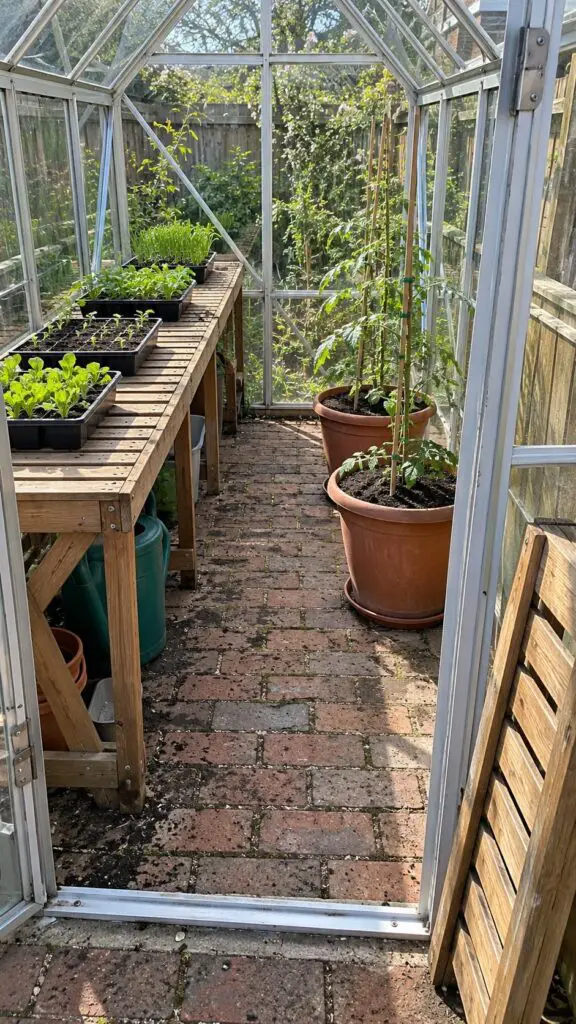
A cool morning can become a hot greenhouse before lunch. Open vents early when sunshine is forecast and use the door for extra airflow when conditions allow. Secure it against gusts. Roof vents let rising warm air escape, while lower openings allow replacement air in. A door alone can leave the back of the greenhouse uncomfortable. 3
Automatic vent openers are useful when you’re out, but check how yours behaves. Wax-cylinder models take time to respond and may need extra ventilation alongside them. Watch a maximum-minimum thermometer, which records the hottest and coldest readings between resets. Crop needs differ, but readings pushing beyond roughly 27°C are a prompt to review cooling for many common greenhouse plants. 3
Use shade when ventilation cannot control the heat. External shading intercepts sunlight before it passes through the glazing. Apply only as much as the plants need, leave vents clear and remove unnecessary shade as conditions cool. Permanent heavy shade can reduce the light available for growth. 3
Map the Warm Spots for Small Greenhouse Temperature Control
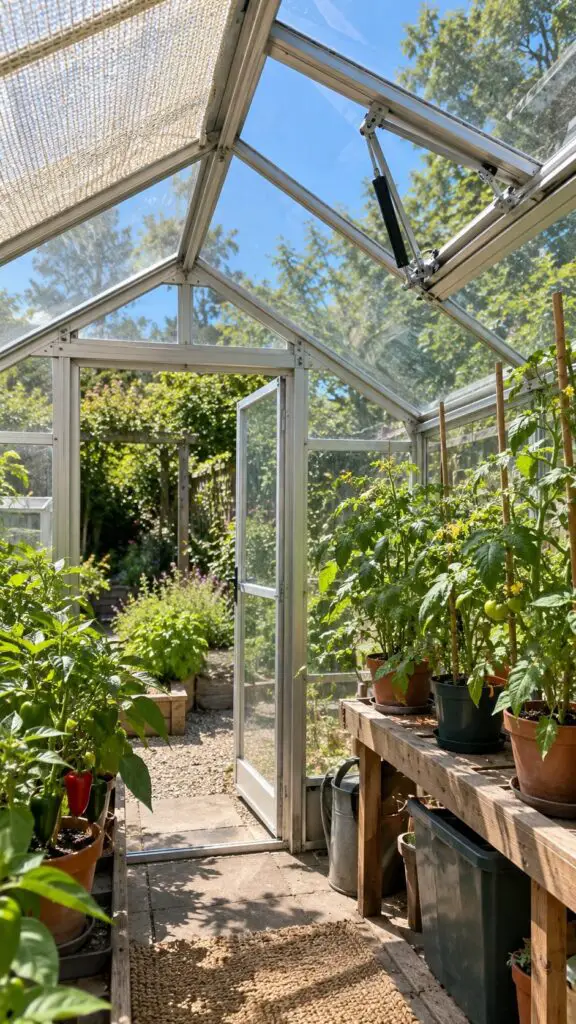
One thermometer tells you about one position. Your seed tray near the door may experience different conditions from a pepper plant at the back. Try a small experiment before settling your final layout. Place two maximum-minimum thermometers at the heights where plants are growing. Shield the sensors from direct sunshine with suitable ventilated shields and keep them away from hot surfaces and glazing.
Read and reset them at the same time each day for several days. Include both sunny and cloudy weather. Swap their positions halfway through to check whether a difference follows the location or the instrument. Note where temperatures climb highest and where nights are coldest. Use the readings to compare positions and decide where to try different crops.
Move a few portable pots in response, then observe them. Don’t assume a cooler corner also has enough light. The useful discovery might be that a low shelf is too shaded for seedlings, or that a bright rear position needs better airflow. Repeat the check after taller plants fill out.
Choose Small Greenhouse Crops by Their Adult Size
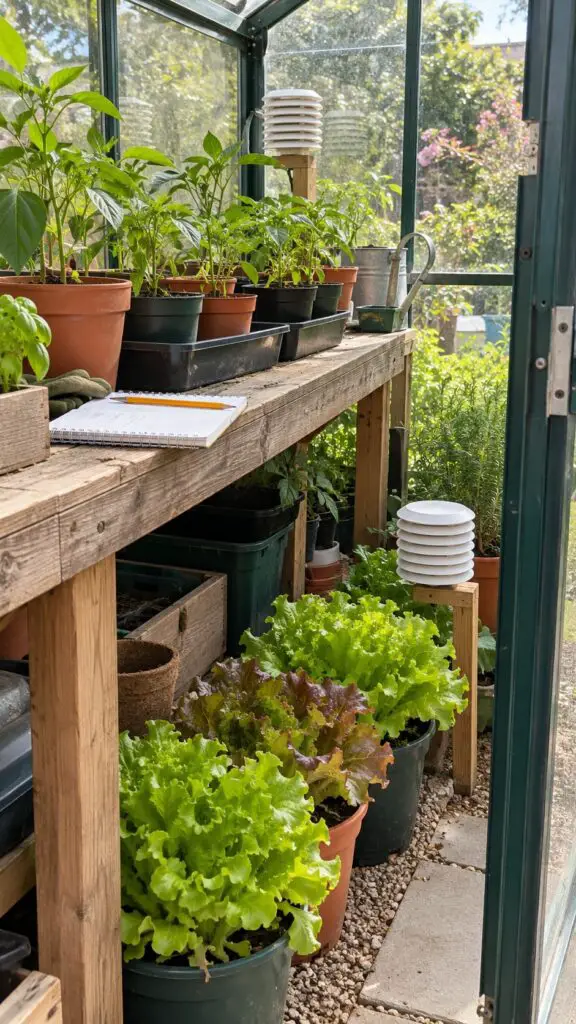
The most useful small greenhouse tips for beginners start with restraint. Pick one main summer crop and a few supporting plants you’ll use. Two well-spaced tomatoes can be a more manageable project than a mixed collection you cannot reach. Check the variety’s mature size and recommended spacing before deciding how many plants will fit. A small fruit doesn’t necessarily mean a small plant.
Cordon tomatoes grow upright with training and regular attention. Bush tomatoes spread differently and shouldn’t receive the same pruning routine. Compact peppers can suit containers, while basil is useful where warmth and light are adequate. Give every plant a pot suited to its eventual root system, with drainage holes and suitable potting compost. Restricting a large plant to a tiny pot creates more watering work. 4, 9
Leave ordinary outdoor crops outside when the weather suits them. Greenhouse room is valuable during the season when tomatoes or peppers benefit from shelter. A pot of hardy chives can often spend that period elsewhere. Let your household’s eating habits guide the crop list too. Growing six plants of something nobody enjoys is an expensive way to fill a bench.
Take the Guesswork Out of Small Greenhouse Watering
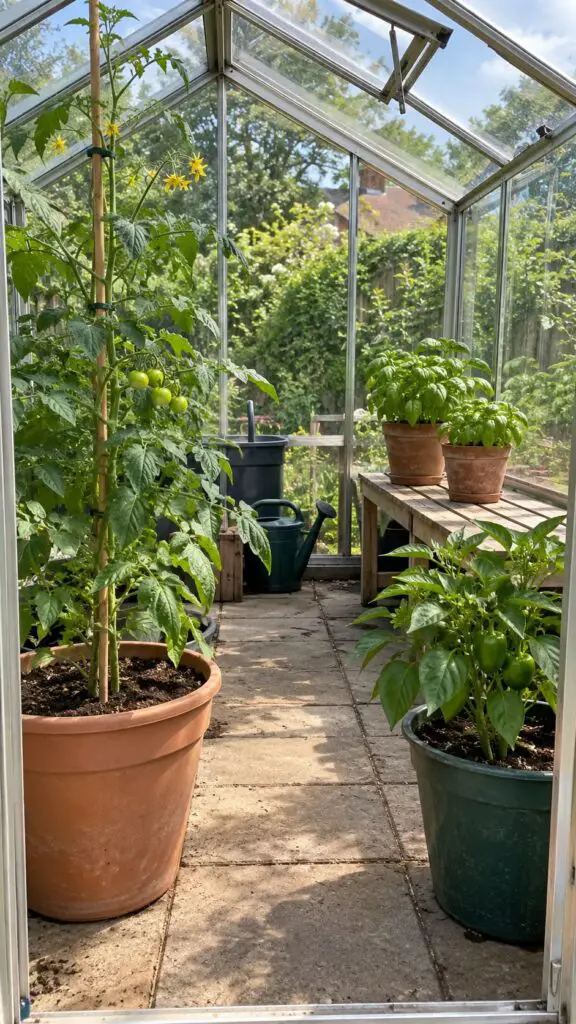
Water according to the compost and plant, rather than a fixed daily amount. A small pot in sunshine may dry much faster than a large container behind it. Check below the surface, since the top can look dry while the root area remains moist. Aim water at the compost and apply it slowly enough to soak in. Morning watering is convenient because you can check plants again as the day warms. 5
Group pots with similar watering needs, but check individuals. Keep drainage holes clear and avoid leaving ordinary vegetable pots sitting in stagnant water. If a plant wilts while its compost is wet, investigate heat or root trouble before adding more. For fruiting tomatoes, large swings between dry and wet compost can contribute to split fruit. 6
Use a Reference Pot for Small Greenhouse Watering
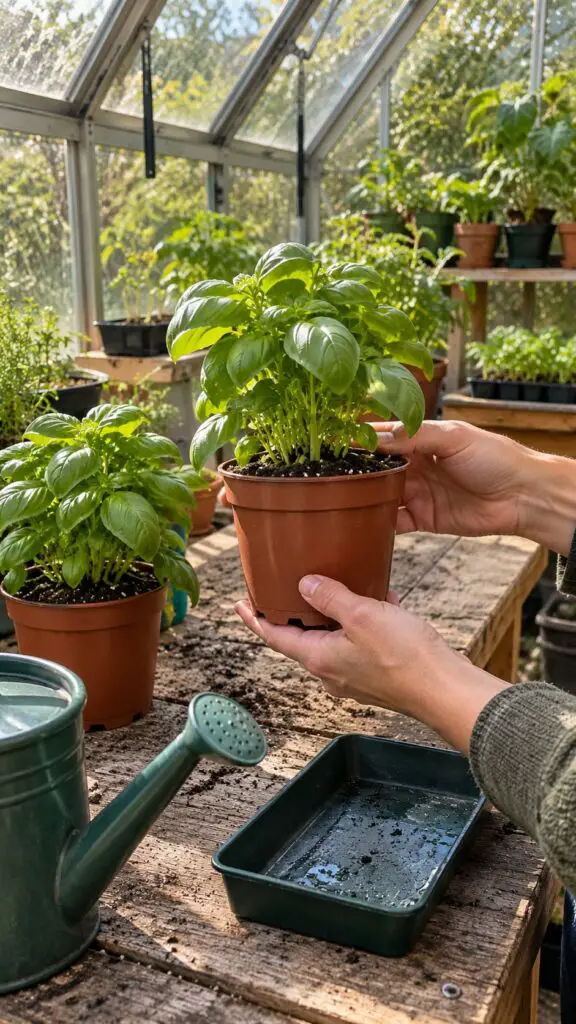
Choose one small, manageable pot from a group of similar plants. After watering it thoroughly and allowing surplus water to drain, lift it with support beneath the base. Learn that weight. Check again as it dries, alongside the compost moisture, before the plant wilts. The contrast gives your hands a useful reference. University extension guidance also recommends pot weight as a clue to water needs. 7
Compare only similar pots, compost and plant sizes. A terracotta pot and a thin plastic pot won’t feel alike. Relearn the weight after repotting or substantial growth. Treat this as another clue, alongside the moisture check, and leave heavy containers on the ground.
Keep Small Greenhouse Growing Going With Repeat Sowings
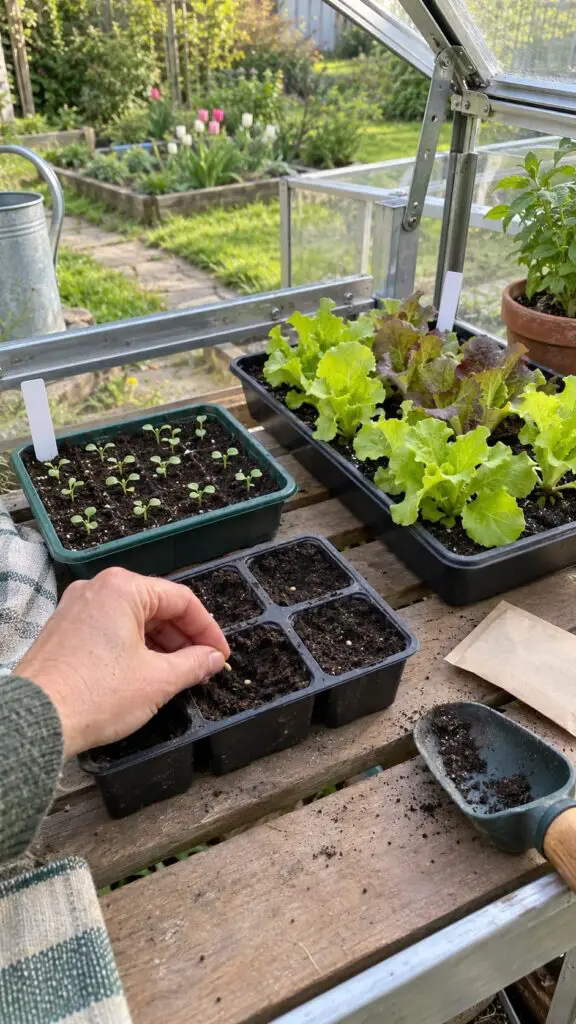
A whole packet of lettuce seed can produce a whole bench of trouble. Sow a small batch you can house, then prepare another when the first is developing well. During suitable growing weather, an interval around two or three weeks can work for salad crops. Adjust it to growth and what you’re eating. A calendar reminder helps, but the plants provide better timing clues. 8
Keep a note of the variety and sowing date. Before sowing the next batch, decide where those plants will go. Spring salads can use space earmarked for later summer crops, provided you harvest them before the newcomers need it. In hot weather, a cooler outdoor position may suit lettuce better than the greenhouse. Check each crop’s sowing guidance rather than treating shelter as an advantage in every month. 4
Feeding needs similar attention. Fresh potting compost may contain a starter supply of nutrients, but that supply runs down. Follow the compost guidance and use a feed appropriate to the crop at its stated dilution. Fruiting crops need regular feeding according to their growing instructions. Extra-strong feed is a poor shortcut. 9
Build Leaf Checks Into Small Greenhouse Maintenance
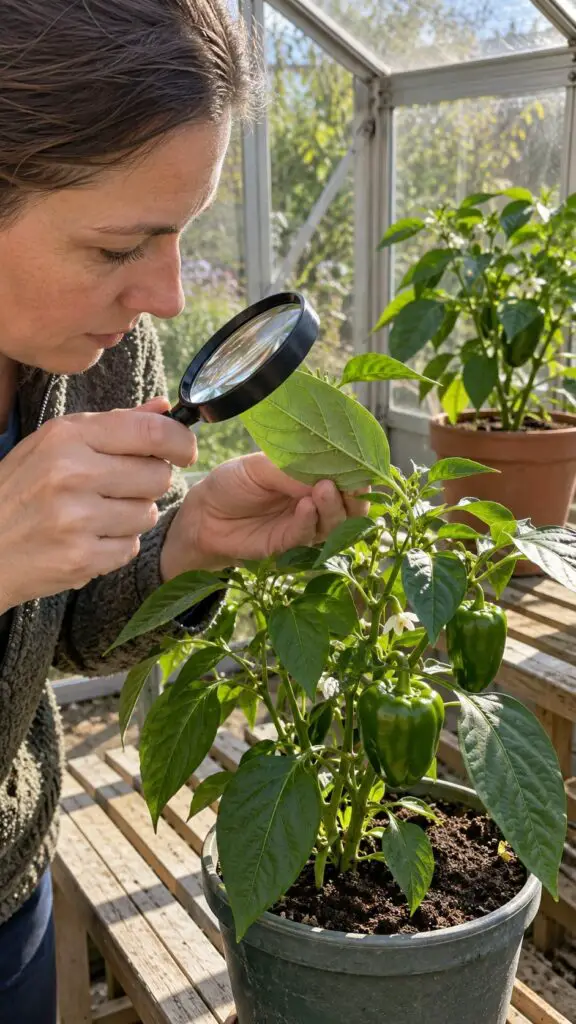
Look underneath leaves while watering. Aphids can gather on tender growth, and other pests can remain unnoticed until several plants are affected. Check new plants before bringing them inside. Keep anything suspicious apart while you identify the problem. Close planting makes it harder to inspect leaves and respond early. 10
A weekly tidy helps you see what’s happening. Remove fallen foliage, clear weeds beneath staging and clean up spilled compost. Wash reused pots and trays before the next sowing. Keep tools clean, particularly after working on an unhealthy plant. A greenhouse can look orderly at bench height while harbouring a damp mess underneath. Kneel down occasionally and have a look. 2, 11
If you find a problem, identify it before choosing treatment. Distorted leaves don’t automatically mean insects, and a yellow leaf doesn’t automatically demand feed. Check moisture, temperature and roots as well as the leaf itself. Choose any pest treatment for the identified pest and edible crop, following the product instructions. Spraying everything because one leaf looks odd wastes time and can cause further trouble. 10
Give Small Greenhouse Tomatoes a Hand With Pollination
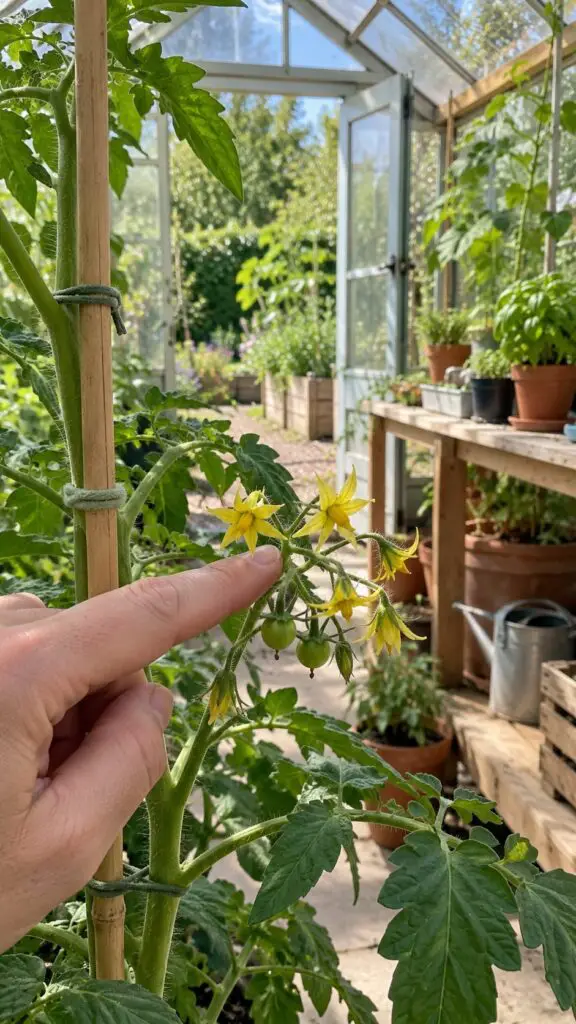
Tomato flowers can pollinate themselves, but their pollen still needs to move. Outside, wind and visiting insects help. In a sheltered greenhouse, gently tapping or vibrating the flower cluster can assist pollen release. Touch the cluster’s stalk without bruising the flowers. Repeat while fresh flowers are opening, especially when air movement is limited. 12
Keep your expectations sensible. Tapping cannot correct prolonged excessive heat, unsuitable humidity or poor growing conditions. If flowers keep dropping, check the greenhouse conditions too. And avoid applying tomato advice to every crop. Some greenhouse cucumber varieties produce fruit without pollination, so follow the variety instructions before reaching for a brush. 12, 13
Tie new tomato growth to its support with soft ties and room for the stem to thicken. Check supports before the fruit becomes heavy. With cordon varieties, follow the usual side-shoot removal routine. Bush varieties need different handling, which makes keeping the variety name surprisingly useful long after the seed packet disappears. 9
Change Your Small Greenhouse Care With the Season
A greenhouse calendar should follow local conditions. In spring, young plants need sufficient warmth as well as light. Harden off seedlings before moving them outdoors permanently by exposing them to outside conditions gradually. Summer shifts the work towards watering, ventilation and harvests. Clear exhausted crops promptly so the next planting has room, rather than leaving a tired plant to occupy its pot indefinitely. 4, 14
Set Realistic Goals for an Unheated Small Greenhouse
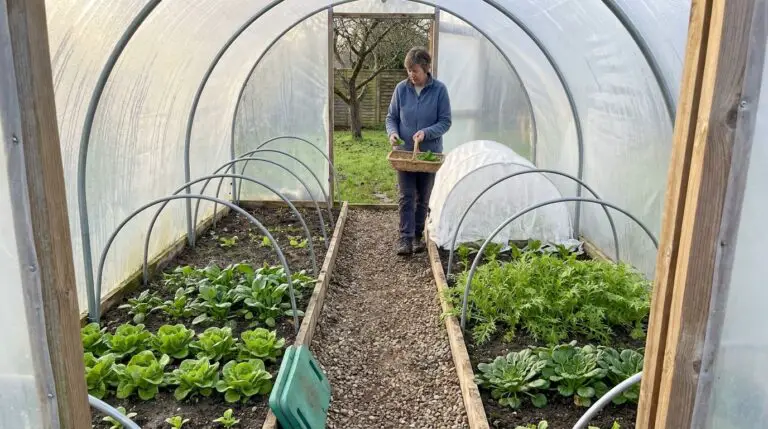
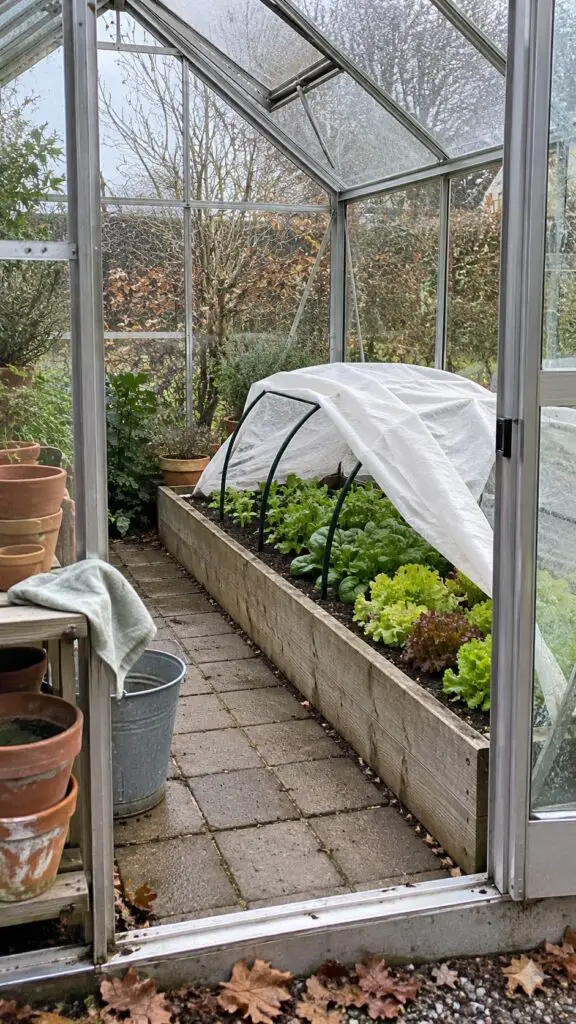
In cool temperate gardens, suitable winter lettuce, spinach and other hardy leaves can make useful crops under cover. Establish them while there’s enough light and warmth for growth. Winter harvests often come from plants already grown, with slow replacement of picked leaves. An unheated greenhouse can still freeze, so choose crops for the temperatures you actually record. 15
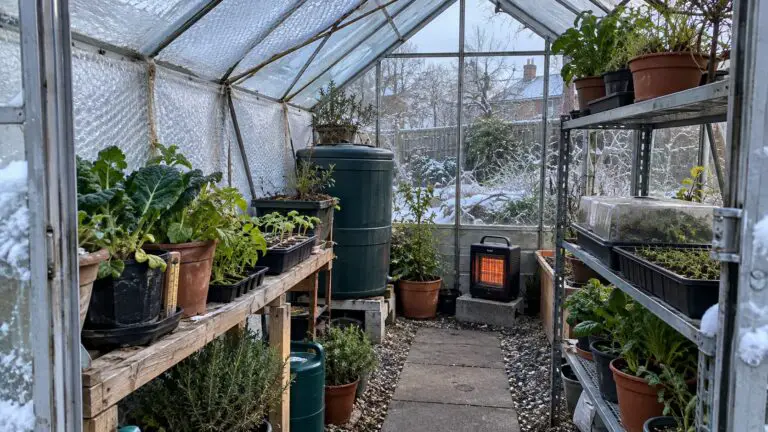
Horticultural fleece over suitable crops offers limited extra protection. Lift or remove it when conditions allow, and ventilate on mild days to reduce dampness. Clean the glazing and take off unnecessary shade as daylight falls. Tender summer crops need more warmth than the structure alone can promise through a cold winter. 2, 16
Start this week with one change you can check: clear the path, record the temperature extremes or learn the weight of a small pot. Watch what happens before adding another change. A greenhouse that’s easy to enter and pleasant to work in gives you more chances to notice trouble early. And when there’s room to reach the ripe tomatoes without soaking your sleeve, the whole business feels rather more rewarding.
Notes
- RHS: Greenhouses: choosing. Siting, light and access.
- RHS: How to clean your greenhouse. Glazing, hygiene and seasonal cleaning.
- RHS: Greenhouse: ventilation and shading. Vents, automatic openers, overheating and shade. The temperature figure is a general warning point, not a universal crop setpoint.
- RHS: Vegetables in greenhouses. Seasonal crop use and greenhouse plant care.
- RHS: How to water containers. Check moisture below the surface and water the compost slowly.
- RHS: Tomato splitting and cracking. Steady moisture supply for container tomatoes.
- Iowa State University Extension: Watering Plants in Containers and Plug Trays. Container weight is an additional clue. Growing plants change weight, so the reference needs revisiting.
- RHS: Successional sowing. Small repeated sowings, with timing adjusted to plant development.
- RHS: How to grow tomatoes. Growth habits, feeding, support and cordon side-shoot care.
- RHS: Preventing pest and disease problems. Inspection, hygiene and matching responses to the problem.
- University of Connecticut Extension: Start Clean and Stay Clean. Weeds, clutter and greenhouse hygiene.
- University of Alaska Fairbanks: Pollination & Fruit Development in Tomatoes. Flower-cluster tapping and environmental limits to fruit set.
- University of Minnesota Extension: Fruits and vegetables that require pollination. Some greenhouse cucumber varieties set fruit without pollination.
- RHS: Hardening off tender plants. Gradual exposure before moving tender plants outdoors.
- RHS: Vegetables: growing for winter. Establishing hardy leafy crops ahead of winter. Also see RHS salad-leaf guidance: https://www.rhs.org.uk/vegetables/salad-leaves/grow-your-own
- RHS: How to heat a greenhouse efficiently. Winter damp, plant-level temperature monitoring and limits of unheated shelter.
Share this story