Get the latest garden guides in your inbox →
Gardening Latest
  • General Gardening
  • Lawn Care
  • Plant Care
  • Composting
  • Soil Health
  • Backyard
  • Garden Muse Magazine
  • General Gardening
  • Lawn Care
  • Plant Care
  • Composting
  • Soil Health
  • Backyard
  • Garden Muse Magazine
  • News
  • Gardening Calendar
  • Garden Structures
  • Vegetable Garden
  • Vertical Garden
  • Raised Beds
  • Hydroponics
  • General Equipment
  • Community Gardens
Garden Themes
  • Spiritual Garden
  • Hydroseeding
  • Seeding and Laying Sod
  • Artificial Grass
  • Lawn Care Equipment
  • Plants
  • Trees
  • Planting Tools
  • Composting Basics
  • Fertilizer
  • Alternative Growing Mediums
  • Front Yard
  • Backyard Activities
  • Landscaping
Gardening Latest

Explore by state

Which state is your garden in?

Currently viewing Kentucky

All states

Northeast

  • Connecticut —
  • Delaware 5
  • Maine —
  • Maryland 3
  • Massachusetts 7
  • New Hampshire —
  • New Jersey 3
  • New York 2
  • Pennsylvania 2
  • Rhode Island —
  • Vermont —

Southeast

  • Alabama 3
  • Arkansas —
  • Florida 3
  • Georgia 3
  • Kentucky 6
  • Louisiana 2
  • Mississippi —
  • North Carolina 1
  • South Carolina 5
  • Tennessee —
  • Virginia 2
  • West Virginia —

Midwest

  • Illinois 2
  • Indiana 4
  • Iowa 5
  • Kansas —
  • Michigan 3
  • Minnesota 2
  • Missouri 2
  • Nebraska —
  • North Dakota —
  • Ohio 3
  • South Dakota —
  • Wisconsin 6

Southwest

  • Arizona 3
  • Colorado —
  • Nevada —
  • New Mexico —
  • Oklahoma —
  • Texas 2
  • Utah —

West

  • Alaska —
  • California 3
  • Hawaii —
  • Idaho —
  • Montana —
  • Oregon —
  • Washington —
  • Wyoming —

No state matches that search.

Site menu

Gardening Latest
  • General Gardening
    • News
    • Gardening Calendar
    • Garden Structures
    • Vegetable Garden
    • Vertical Garden
    • Raised Beds
    • Hydroponics
    • General Equipment
    • Community Gardens
    Garden Themes
    • Spiritual Garden
  • Lawn Care
    • Hydroseeding
    • Seeding and Laying Sod
    • Artificial Grass
    • Lawn Care Equipment
  • Plant Care
    • Plants
    • Trees
    • Planting Tools
  • Composting
    • Composting Basics
  • Soil Health
    • Fertilizer
    • Alternative Growing Mediums
  • Backyard
    • Front Yard
    • Backyard Activities
    • Landscaping
  • Garden Muse Magazine

Explore

  • About GardeningLatest.com
  • Contact Us

Get the latest from the garden

New guides on lawn care, plants and backyard projects, sent when they go up.

Subscribe →

Follow

  • Facebook
  • X
  • Pinterest
  • YouTube
Kentucky Gardening

7 Harmless Kentucky Critters That Send People Running Because They Look Venomous

Kentucky woods, creeks, and backyards are full of creatures that look a lot scarier than they really are.

HC

By Hattie Combs

November 17, 2026 · 4 min read

7 Harmless Kentucky Critters That Send People Running Because They Look Venomous

Kentucky woods, creeks, and backyards are full of creatures that look a lot scarier than they really are. Many people grab a shovel or run screaming when they spot a striped snake or a huge spider, but most of these animals pose no real threat.

Knowing which critters are harmless can keep you calm outdoors and help protect animals that actually do good work, like eating pests. Here are seven Kentucky look-alikes that get a bad reputation they never earned.

At a glance

Where
Kentucky Gardening
Hardiness zone
7 0 to 10°F
Read
4 minutes
Published
November 17, 2026

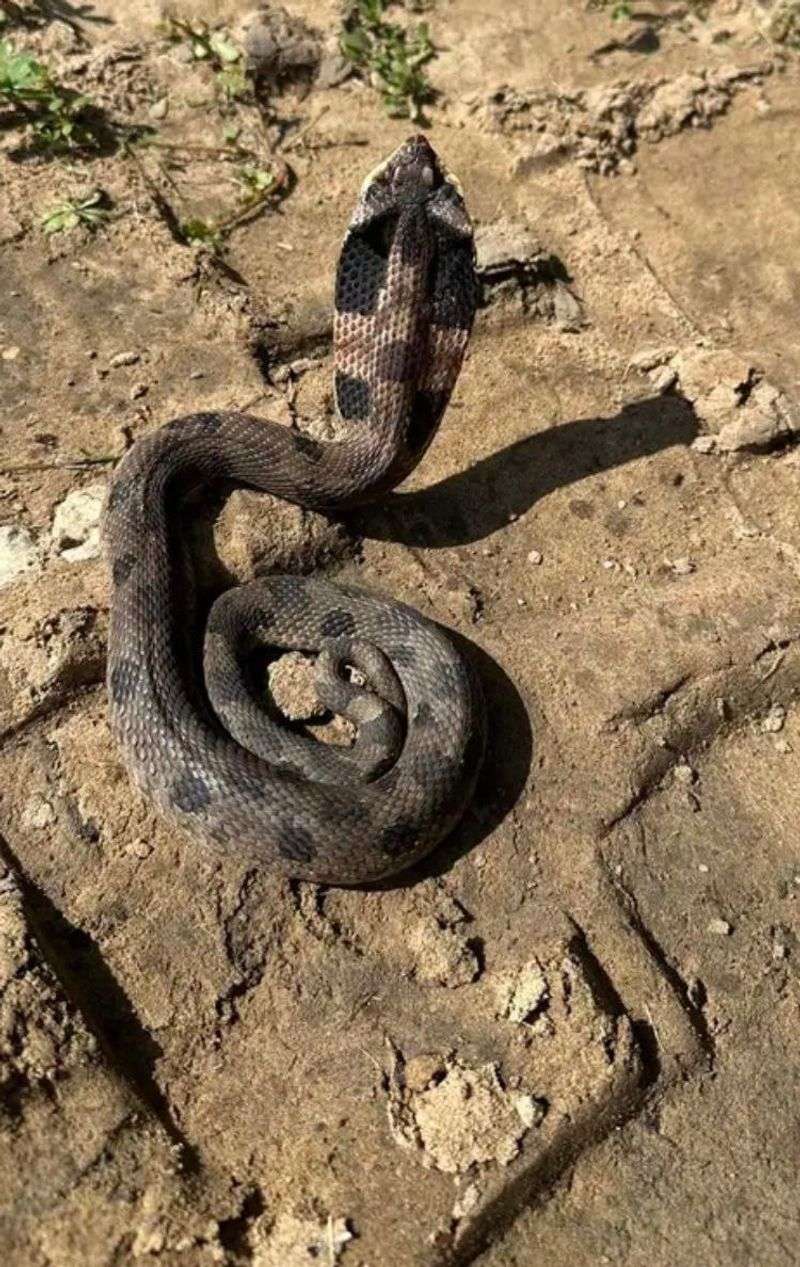
1. Eastern Hognose Snake

Eastern Hognose Snake
© Reddit

Picture a snake that hisses, flattens its neck like a cobra, and then, if you keep bugging it, rolls over and plays dead with its tongue hanging out. Kentuckians call it a puff adder or spreading adder, and the show is pure bluff.

The eastern hognose is one of the best actors in the state.

Its thick body and wide head make people think of copperheads or rattlesnakes. Even so, hognose snakes almost never bite people, and their main diet is toads.

Fun fact: if you flip a fake-dead hognose right side up, it often rolls back onto its belly, as if to insist it is truly dead. Leave it alone, and it will slither off once the drama is over.

2. Northern Water Snake
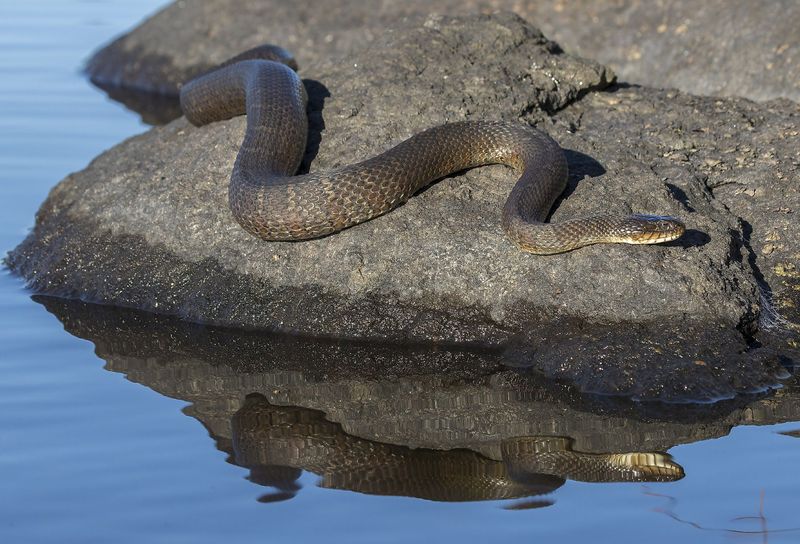
Northern Water Snake
© World Atlas

Ask almost any fisherman on a Kentucky lake, and they will swear they saw a cottonmouth. Most of the time, the snake was a northern water snake.

These dark, banded swimmers are everywhere near creeks, ponds, and rivers.

Blotchy, reddish, and often found near barns, the milksnake gets mistaken for a copperhead more than almost any other snake.

Here is the honest truth: they can be grumpy when grabbed and may bite or release a smelly musk. That bite is not venomous, though, just a few scratches.

Cottonmouths live mostly in far western Kentucky, while water snakes live across the whole state.

A quick clue helps. Water snakes usually dive and swim away fast, while a cottonmouth tends to float high on the water and stand its ground.

3. Fishing Spider
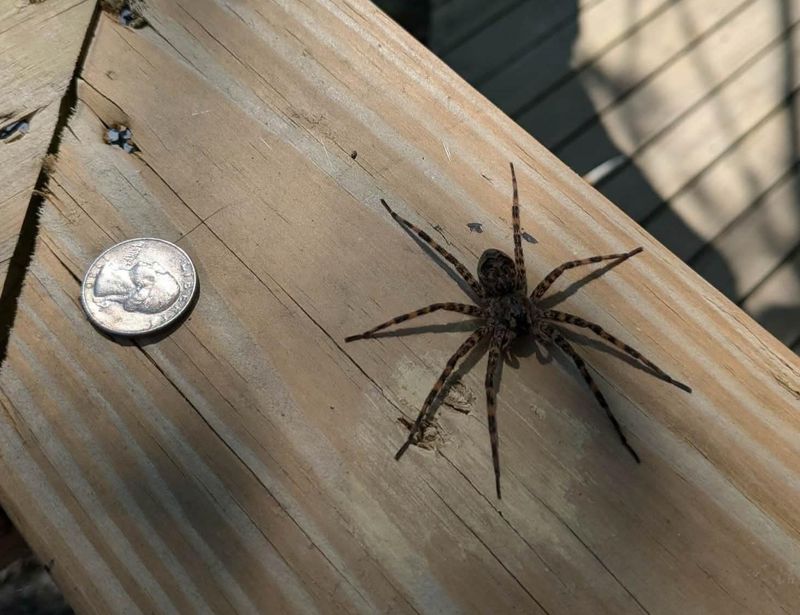
Fishing Spider
© Reddit

Few things make a grown adult jump off a boat dock quite like a spider the size of a hand. Dark fishing spiders can stretch nearly four inches across their legs, and they love docks, sheds, and basements near water.

Size is their whole scary act. Their bite is about like a bee sting at worst, and they would much rather run than fight.

Did you know? These spiders can walk on top of water and even dive under it to catch tiny fish and tadpoles.

That is a pretty cool trick for an animal people mostly scream at.

4. Five-Lined Skink
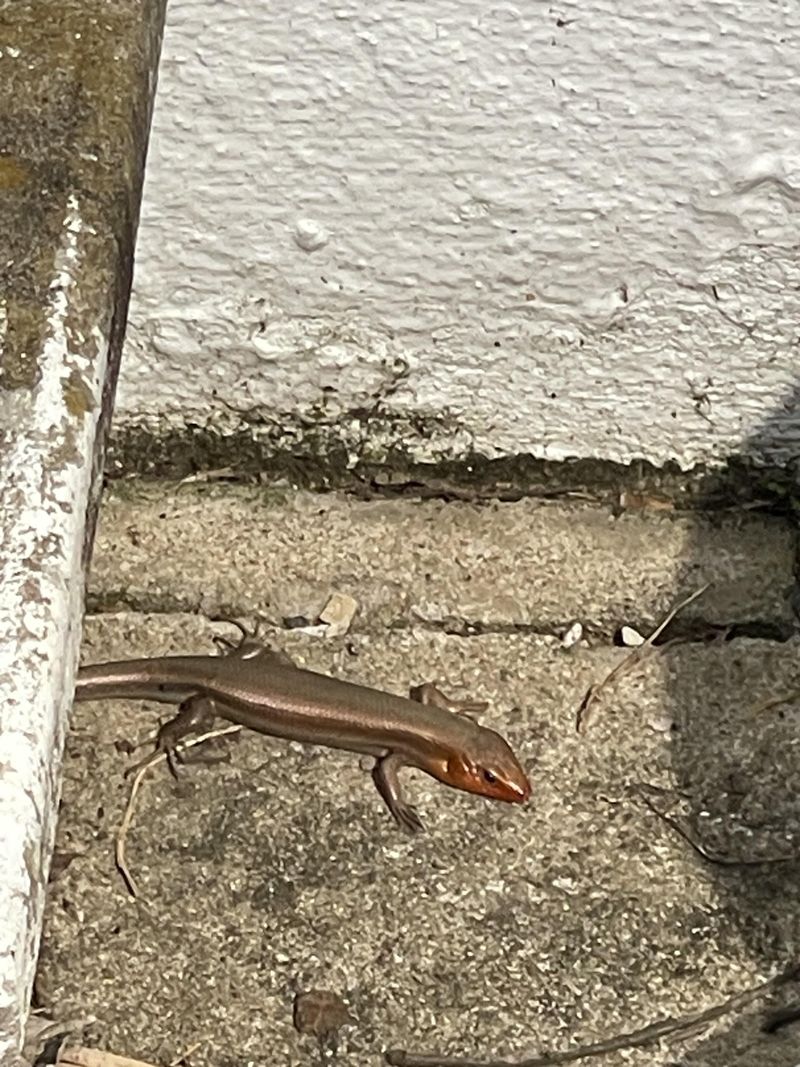
Five-Lined Skink

Old-timers in Kentucky called them scorpions, and some folks still believe a blue-tailed lizard can sting or poison you. It cannot.

The five-lined skink is a small, shiny lizard that does nothing worse than wiggle away.

Young skinks have black bodies, yellow stripes, and an electric blue tail. That flashy color is a decoy.

If a bird grabs the tail, it snaps off and keeps twitching while the skink escapes.

The tail grows back over time. Adult males even turn reddish around the head in spring, which only adds to the myth that they are dangerous.

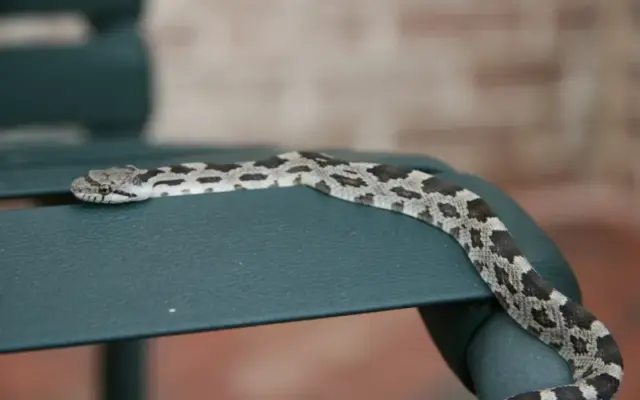
5. Eastern Milksnake
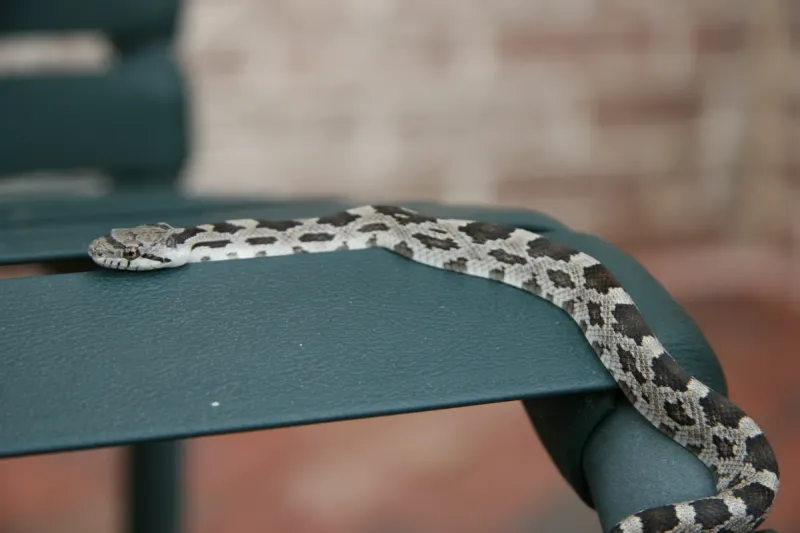
Eastern Milksnake
© BuzzSkito

Blotchy, reddish, and often found near barns, the milksnake gets mistaken for a copperhead more than almost any other snake. Plenty of them lose their lives over that mix-up every summer.

Look closely and the difference shows. Milksnakes have smooth, glossy scales and blotches outlined in black, while copperheads have hourglass bands and a chunkier, plain head.

The name comes from an old farm legend that these snakes drank milk from cows. They actually visit barns for mice, which makes them a farmer’s free pest control.

6. Cicada Killer Wasp
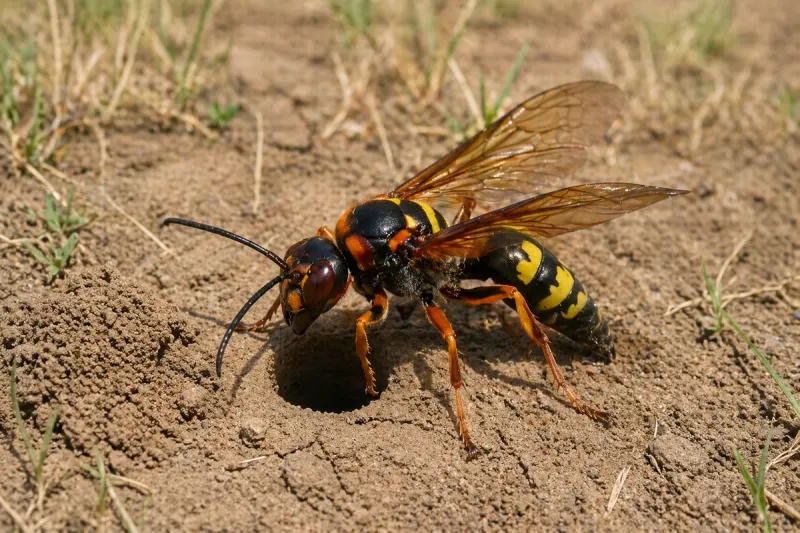
Cicada Killer Wasp
© Pest Me Off

Two inches long, buzzing loud, and dive-bombing your lawn in July. No wonder people panic.

Cicada killers look like hornets that hit the gym, but they are surprisingly calm.

Males do the zooming around, and they cannot sting at all. Females can, but they save it for cicadas, which they drag back to burrows for their young.

Unless you step on one barefoot or grab it, you are almost never stung. Think of them as noisy neighbors who keep the cicada population in check.

7. Hellbender
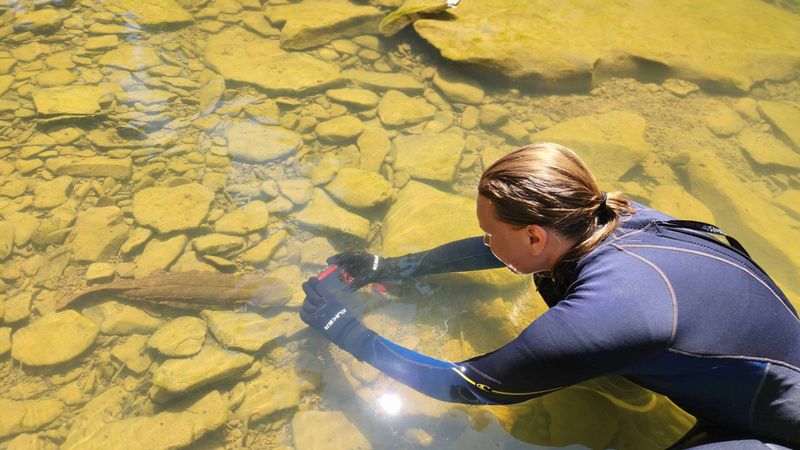
Hellbender
© The Wildlife Society

Snot otter. Devil dog.

Mud cat. A creature with that many nicknames has clearly freaked people out for generations.

The hellbender is a giant salamander that can reach over two feet long, with wrinkly skin and a flat, slimy body.

Fishermen who hook one sometimes cut the line in horror, thinking it is poisonous. It is not.

Hellbenders eat crayfish and breathe mostly through those wrinkles in their skin.

Sadly, these ancient animals are in trouble in Kentucky streams. If you see one, snap a photo, admire it, and let it be.

Share this story
HC

Written by

Hattie Combs

More from Hattie Combs →

About Gardening Latest

Gardening Latest provides in-depth guides to maintaining and enhancing your garden and backyard. Learn how to make the most of the space you have and create a beautiful garden.

More about us →

Latest stories

  • Wisconsin GardeningWhat Happens To Your Body When You Eat Celery Every Day In Wisconsin

    What Happens To Your Body When You Eat Celery Every Day In Wisconsin

    9 hr ago
  • Iowa GardeningIowa Yards Hide These Venomous Creatures, And Here’s How To Tell Each One Apart

    Iowa Yards Hide These Venomous Creatures, And Here’s How To Tell Each One Apart

    9 hr ago
  • Massachusetts GardeningWhat Does a Dead Mouse on a Massachusetts Doorstep After Frost Really Tell You?

    What Does a Dead Mouse on a Massachusetts Doorstep After Frost Really Tell You?

    10 hr ago
  • Delaware GardeningProtecting Delaware Bigleaf Hydrangeas From Winter Cold: When a Leaf-Filled Cage Can Help Save Next Summer’s Blooms

    Protecting Delaware Bigleaf Hydrangeas From Winter Cold: When a Leaf-Filled Cage Can Help Save Next Summer’s Blooms

    10 hr ago
  • South Carolina GardeningWhy You May Hear Coyotes Howling After Dark in South Carolina

    Why You May Hear Coyotes Howling After Dark in South Carolina

    11 hr ago

Gardening by state

Stories for your state, and the hardiness zone most of it gardens in.

Keep exploring

Read next

All Kentucky Gardening →
Kentucky GardeningWhy Kentucky Yuccas Shoot Up Those Giant Flower Stalks and Whether You Should Cut Them Off
Kentucky Gardening

Why Kentucky Yuccas Shoot Up Those Giant Flower Stalks and Whether You Should Cut Them Off

15 hr ago
Kentucky GardeningKentucky, This Is What Eating Celery Every Day Really Does To Your Body
Kentucky Gardening

Kentucky, This Is What Eating Celery Every Day Really Does To Your Body

20 hr ago
Kentucky GardeningKentucky’s Venomous Shrew Can Live in Suitable, Covered Yards, and It Weighs Under an Ounce
Kentucky Gardening

Kentucky’s Venomous Shrew Can Live in Suitable, Covered Yards, and It Weighs Under an Ounce

Yesterday

More from Kentucky Gardening

  • What Does a Dead Mouse on a Massachusetts Doorstep After Frost Really Tell You?

    10 hr ago
  • Protecting Delaware Bigleaf Hydrangeas From Winter Cold: When a Leaf-Filled Cage Can Help Save Next Summer’s Blooms

    10 hr ago
Back to top

Leave a response Cancel

Your email address stays private. Required fields are marked with an asterisk.

Gardening Latest

In-depth guides to maintaining and enhancing your garden and backyard: how to make the most of the space you have, and how to make it beautiful.

  • Facebook
  • X
  • Pinterest
  • YouTube

We may earn a portion of sales from products or services that are purchased through our site as part of our affiliate partnerships with retailers.

Explore

  • About GardeningLatest.com
  • Contact Us
  • Terms and Conditions
  • Privacy
  • Editorial Note:
  • FTC Disclosure

Newsletter

New garden guides and seasonal tips, straight to your inbox.

We’ll email you a link to confirm. Unsubscribe any time.

Almost there! Check your inbox and tap the link to confirm.

© 2026 Gardening Latest. All rights reserved.

Back to top