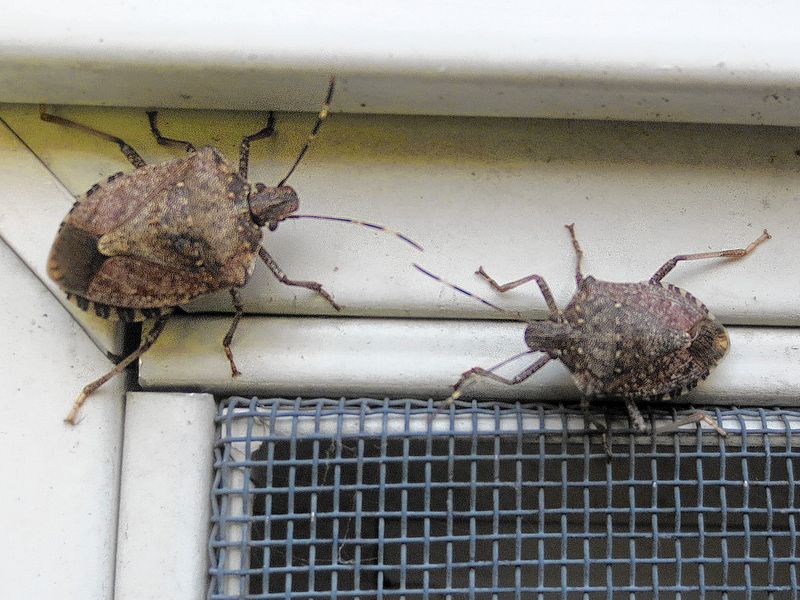
Finding stink bugs crawling across a window in the middle of winter is annoying, and it makes you want to fix the problem fast. The bug you are most likely seeing is the brown marmorated stink bug, and what you do now is different from what works best later.
Some steps help today, while others only pay off before next fall. Here is a calm plan for each.
A winter sighting does not prove a statewide invasion
Seeing a stink bug on the curtains in January is irritating, especially when it is the third one this week. It is easy to assume the whole state is being overrun.
That claim is not verified, though, and a few bugs in your house do not prove it.
Penn State reports that, across the Mid-Atlantic, brown marmorated stink bug numbers have dropped from earlier highs. The same source says some local populations can still be abundant.
So your street or farm neighborhood might have plenty of bugs even if the region overall has fewer.
That is why your own house is the best evidence for your own plan. A trend for the whole region cannot tell you what is happening next door or in every Pennsylvania town.
Treat what you see indoors as a local problem to handle, not proof of a statewide event.
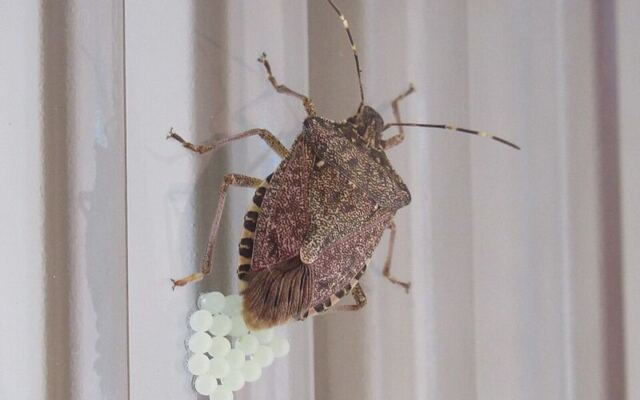
The advice here is for the brown marmorated stink bug, often shortened to BMSB, because it is the most likely culprit in homes. Not every insect called a stink bug is this species, so a quick check helps.
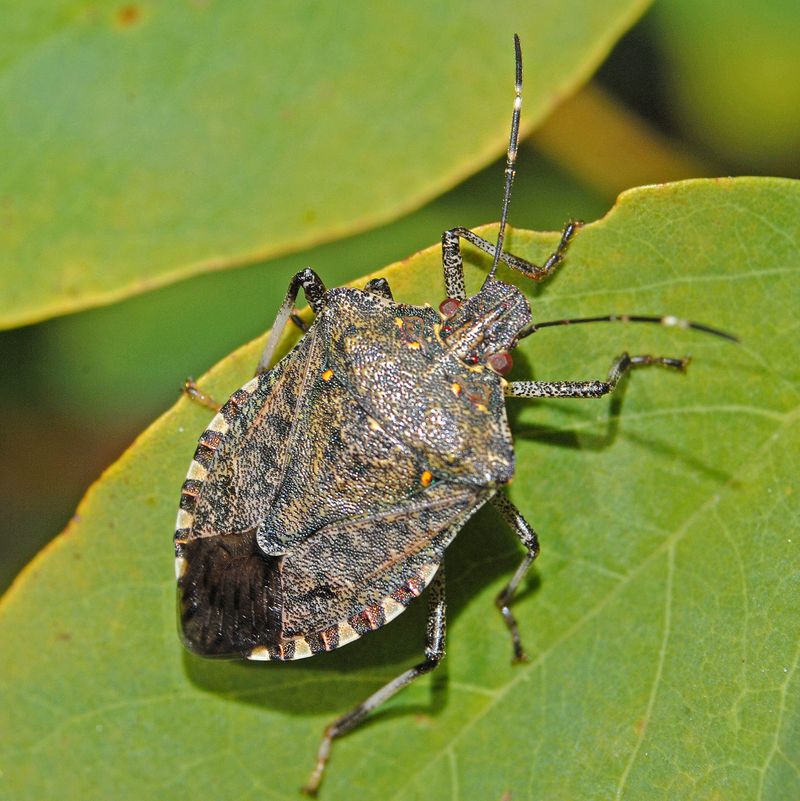
Penn State describes it as having a brown, shield-shaped body and light bands on the antennae. If your visitor matches that look, the steps below fit.
Why BMSBs shelter in buildings
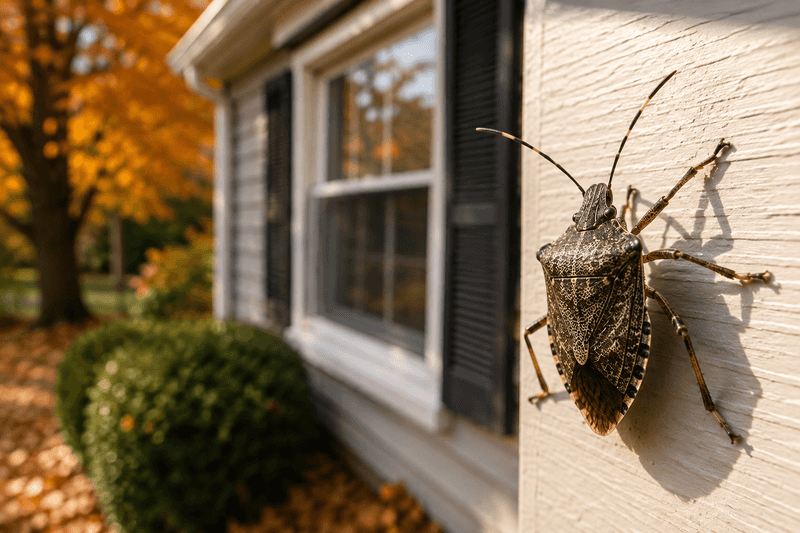
Cold weather sends adult BMSBs looking for a protected place to wait out winter. In early autumn they head for buildings, and a house can look a lot like a rocky crevice to them.
The EPA notes that they can slip in through cracks and crevices.
Penn State describes this shelter-seeking as starting around September and October in Pennsylvania. Adults settle into hidden spots such as wall voids, attics, and spaces behind trim.
Then they sit quietly until warmth wakes them up.
That explains the winter surprise. On a warm sunny day, or when a heating system warms a wall, a few bugs wander out of hiding and show up in living areas.
They are confused by the heat, not starting something new.
It helps to know what they are not doing. The EPA says BMSBs do not damage buildings, reproduce inside homes, bite people or pets, or transmit known disease.
Some people may be sensitive to allergens linked to them, so you may want to keep your hands clean after handling them.
So a stink bug on the ceiling is a nuisance, not a structural threat. Knowing it is simply seeking seasonal shelter keeps the response proportionate and keeps worry in check.
Seal entry points before the next fall migration
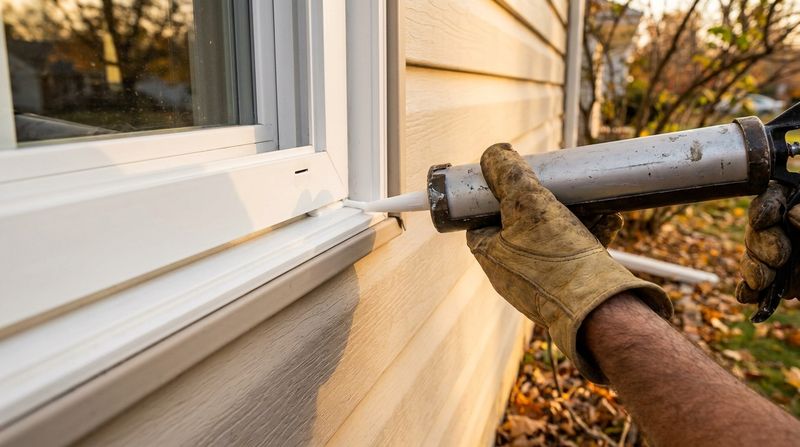
Sealing is prevention work, and the best time for it is before bugs go looking for shelter. Mark a weekend in late summer for a slow walk around the outside of your home.
Bring a flashlight, a caulk gun, and a notepad.
Start with windows and doors, where gaps are most common. Look at the edges of frames, the bottom of doors, and the spots where trim meets siding.
The EPA points to openings like these as routes in, so they deserve the most attention.
Next, check the screens for tears and loose edges. Then look for holes around utility lines, such as pipes, cables, and wiring, where they enter the house.
Siding, vents, and chimneys can have gaps too, as can small cracks in the foundation.
Match each repair to the opening. University of Maryland Extension suggests suitable caulk, weatherstripping, screens, or other appropriate materials.
Caulk suits small cracks, weatherstripping suits moving parts like doors, and screens suit vents and openings that need airflow.
Keep expectations realistic. Good sealing may reduce how many bugs get in, but it will not guarantee that none do.
And doing it in the middle of winter is not a fix for bugs that are already inside, as the next section explains.
Do not seal blindly in winter
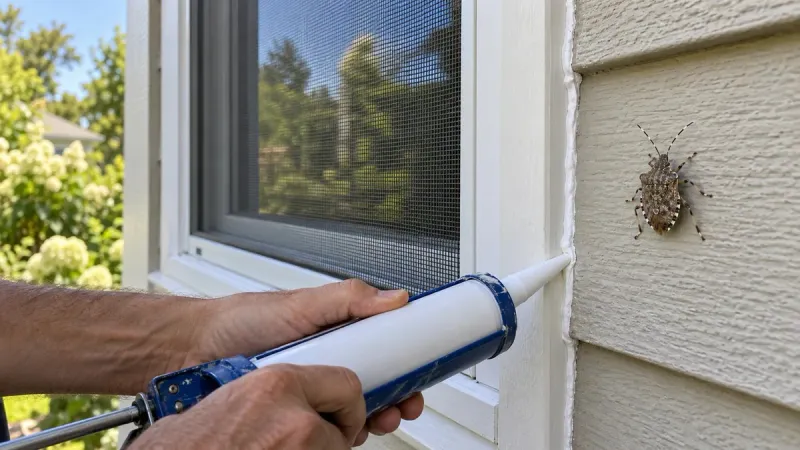
Timing matters more than most people expect. If you caulk every outside gap in January, you might feel productive, but the bugs that are already inside the walls stay there.
North Carolina State Extension advises inspecting and sealing before bugs return in late summer. It also warns that bug-proofing in fall, winter, or early spring can trap them inside.
Picture a stink bug resting in a wall void. Seal the outside crack it used and it cannot leave, so it may wander toward the light fixtures and rooms instead.
Closing an exterior gap does nothing about insects already sheltering in the wall or attic.
There is a useful exception. If you can see exactly where bugs come into your living space, such as a gap around a light fixture, a baseboard, or a window trim edge, closing that one opening makes sense.
Penn State advises sealing the particular openings where bugs emerge into living spaces.
The difference is scope. Broad bug-proofing of the whole exterior in cold months can backfire, while a targeted fix at an indoor emergence point is a reasonable move.
Even then, do not expect it to end the problem, since other bugs may still be hidden elsewhere.
Remove visible bugs without crushing them
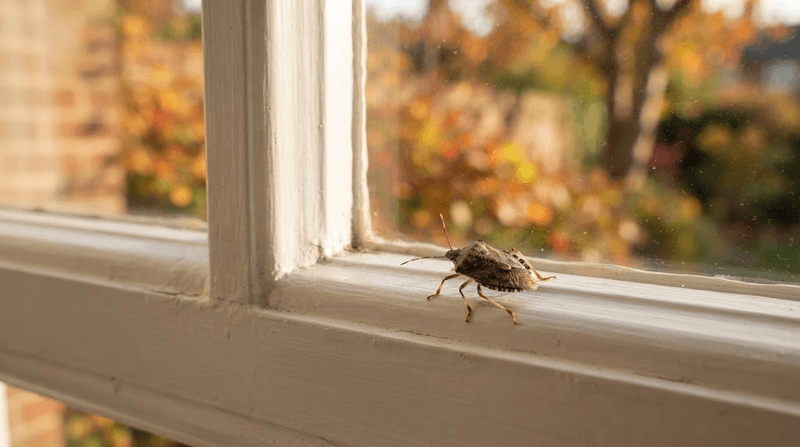
For bugs you can see right now, hands-on removal is the practical choice. The main rule is to avoid crushing them, because the smell that gives them their name comes out when they are squashed.
A gentle approach keeps your room smelling normal.
One option is a vacuum. Penn State lists vacuuming as a way to remove them.
The drawback is that the machine may hold their odor for a while, so some people use an older vacuum or a handheld unit they do not mind smelling a bit.
Another option is sweeping them into soapy water. Hold a cup or small tub of water with dish soap under the bug and brush it in with a piece of paper or a soft brush.
University of Maryland Extension also describes this soapy water method, and it avoids any vacuum smell.
Check spots where they like to gather, such as sunny windows, curtains, and light fixtures. A quick daily sweep keeps numbers down and stops you from stepping on one barefoot.
Keep the goal clear. Removal handles the bugs in front of you.
It does not reach insects hidden in wall or attic voids, so more may appear on the next warm day.
Traps and pesticides are not a complete fix
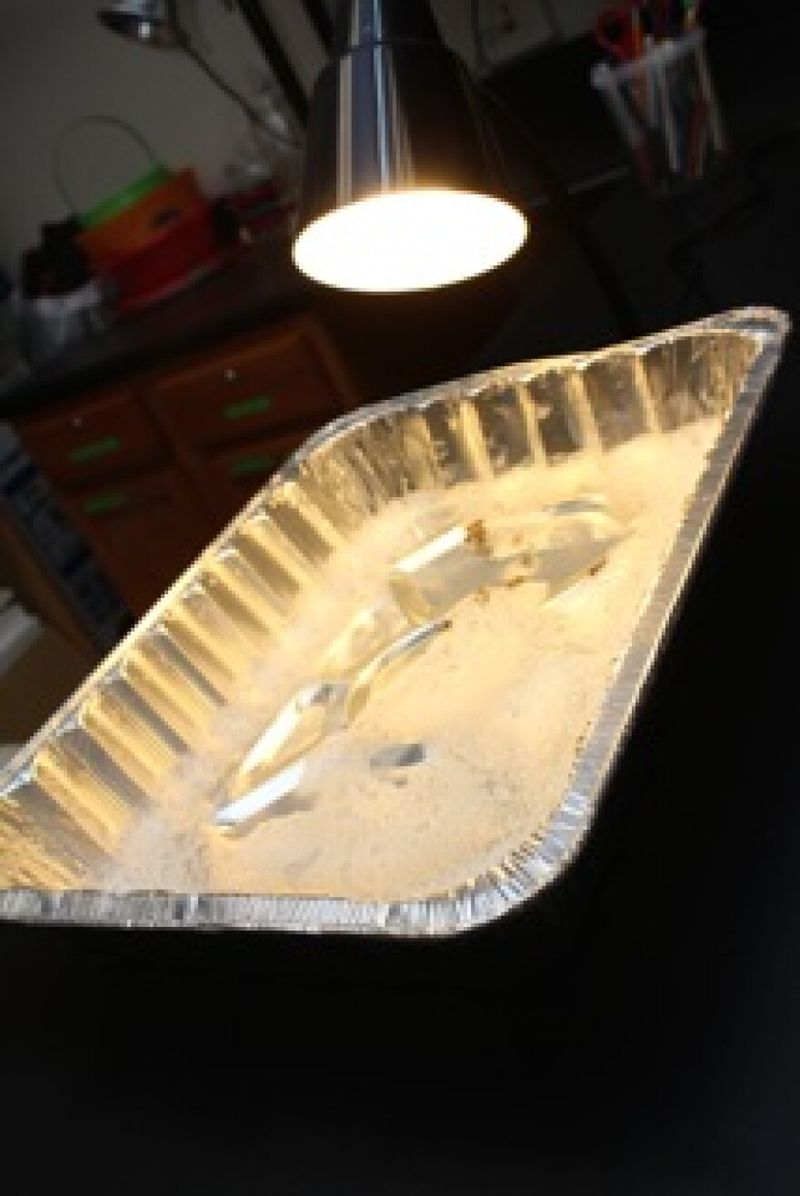
Plenty of homemade tips promise an easy end to stink bugs. One is a lamp set over a pan of soapy water.
Bugs drawn to the light can fall in, so it may catch some, but the EPA cautions that traps are not complete control by themselves.
Think of it as a helper that thins out a few bugs, not a solution. It will not reach the ones tucked in the walls, and new ones can keep coming out.
Chemical products deserve extra caution. The EPA says indoor foggers do not provide long-term management.
University of Maryland Extension does not recommend foggers and says pesticides are generally ineffective or not recommended for home control of this nuisance pest.
That same source cautions against spraying foundations or mulch, so skip those. No pesticide is safe for every household use, especially around children, pets, and food areas.
If you do consider any product, follow its label directions exactly.
For most households, steady physical removal now and sealing later is a better use of time and money than a shelf of sprays.
Remove bugs now; prepare before next fall
Your plan comes down to two jobs on two calendars. Right now, pick up visible bugs with a vacuum or soapy water and skip the crushing.
Later, inspect and seal the outside of your home before the sheltering season, which Penn State places around September and October.
Expect sealing to lower future entry, not wipe it out, since NC State advises acting before bugs return in late summer and some may still hide inside.
A few stragglers in winter are a chore, and next summer’s caulk gun is the real head start.
Share this story