Get the latest garden guides in your inbox →
Gardening Latest
  • General Gardening
  • Lawn Care
  • Plant Care
  • Composting
  • Soil Health
  • Backyard
  • Garden Muse Magazine
  • General Gardening
  • Lawn Care
  • Plant Care
  • Composting
  • Soil Health
  • Backyard
  • Garden Muse Magazine
  • News
  • Gardening Calendar
  • Garden Structures
  • Vegetable Garden
  • Vertical Garden
  • Raised Beds
  • Hydroponics
  • General Equipment
  • Community Gardens
Garden Themes
  • Spiritual Garden
  • Hydroseeding
  • Seeding and Laying Sod
  • Artificial Grass
  • Lawn Care Equipment
  • Plants
  • Trees
  • Planting Tools
  • Composting Basics
  • Fertilizer
  • Alternative Growing Mediums
  • Front Yard
  • Backyard Activities
  • Landscaping
Gardening Latest

Explore by state

Which state is your garden in?

Currently viewing South Carolina

All states

Northeast

  • Connecticut —
  • Delaware 10
  • Maine —
  • Maryland 3
  • Massachusetts 12
  • New Hampshire —
  • New Jersey 3
  • New York 6
  • Pennsylvania 6
  • Rhode Island —
  • Vermont —

Southeast

  • Alabama 3
  • Arkansas —
  • Florida 3
  • Georgia 3
  • Kentucky 11
  • Louisiana 2
  • Mississippi —
  • North Carolina 1
  • South Carolina 10
  • Tennessee —
  • Virginia 2
  • West Virginia —

Midwest

  • Illinois 2
  • Indiana 4
  • Iowa 10
  • Kansas —
  • Michigan 3
  • Minnesota 2
  • Missouri 2
  • Nebraska —
  • North Dakota —
  • Ohio 3
  • South Dakota —
  • Wisconsin 11

Southwest

  • Arizona 3
  • Colorado —
  • Nevada —
  • New Mexico —
  • Oklahoma —
  • Texas 2
  • Utah —

West

  • Alaska —
  • California 3
  • Hawaii —
  • Idaho —
  • Montana —
  • Oregon —
  • Washington —
  • Wyoming —

No state matches that search.

Site menu

Gardening Latest
  • General Gardening
    • News
    • Gardening Calendar
    • Garden Structures
    • Vegetable Garden
    • Vertical Garden
    • Raised Beds
    • Hydroponics
    • General Equipment
    • Community Gardens
    Garden Themes
    • Spiritual Garden
  • Lawn Care
    • Hydroseeding
    • Seeding and Laying Sod
    • Artificial Grass
    • Lawn Care Equipment
  • Plant Care
    • Plants
    • Trees
    • Planting Tools
  • Composting
    • Composting Basics
  • Soil Health
    • Fertilizer
    • Alternative Growing Mediums
  • Backyard
    • Front Yard
    • Backyard Activities
    • Landscaping
  • Garden Muse Magazine

Explore

  • About GardeningLatest.com
  • Contact Us

Get the latest from the garden

New guides on lawn care, plants and backyard projects, sent when they go up.

Subscribe →

Follow

  • Facebook
  • X
  • Pinterest
  • YouTube
South Carolina Gardening

South Carolina Yards Hide These Venomous Creatures, And Here’s How To Tell Each One Apart

Your backyard in South Carolina might look calm, but some of its smallest and quietest residents can deliver a painful…

BR

By Beau Rutledge

November 19, 2026 · 6 min read

South Carolina Yards Hide These Venomous Creatures, And Here’s How To Tell Each One Apart

Your backyard in South Carolina might look calm, but some of its smallest and quietest residents can deliver a painful or even dangerous bite or sting. Snakes, spiders, insects, and even fuzzy caterpillars share space with your garden, woodpile, and shed.

Knowing which ones are harmful, and how to spot the differences, helps you stay safe without panicking at every critter you see. Here are ten venomous creatures to watch for and the clues that set each one apart.

At a glance

Where
South Carolina Gardening
Hardiness zone
8 10 to 20°F
Read
6 minutes
Published
November 19, 2026

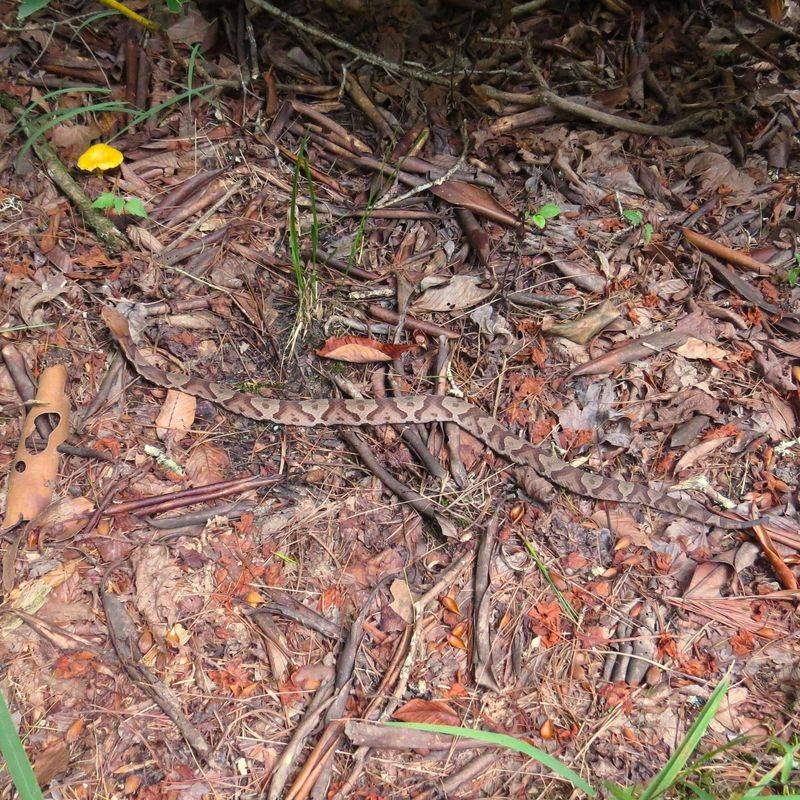
1. Eastern Copperhead

Eastern Copperhead
© greatsmokynps

Gardeners in the Palmetto State bump into this snake more than any other venomous species. Its camouflage is so good that people often step right beside one while raking leaves.

That hidden quality is exactly why it tops this list.

Look for a coppery or tan body with darker bands shaped like hourglasses or Hershey’s Kisses when viewed from the side. The bands are wide on the sides and skinny along the spine.

Young copperheads have bright yellow or green tail tips they wiggle to lure frogs.

Bites are rarely deadly, but they hurt badly and need medical care. Keep leaf piles, mulch beds, and stacked wood tidy to give them fewer hiding spots.

Wearing gloves and boots during yard work is a simple habit that pays off.

2. Timber Rattlesnake
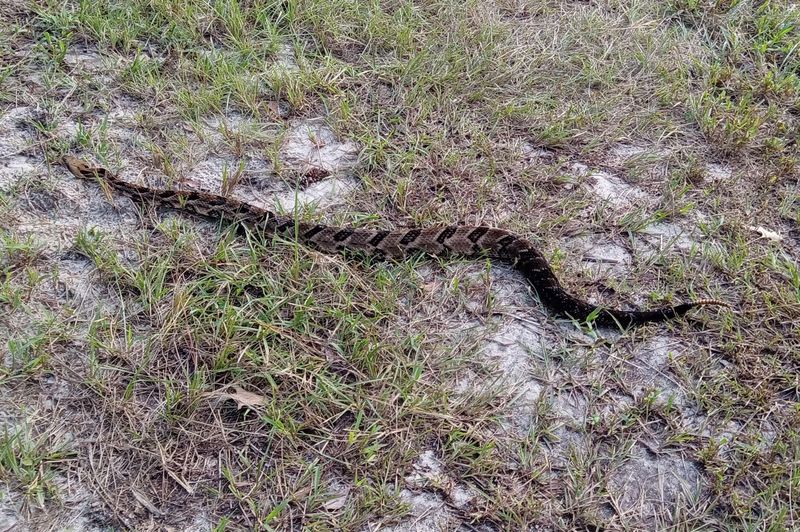
Timber Rattlesnake
© Clemson HGIC – Clemson University

Folks in the Lowcountry call it the canebrake rattlesnake, and it carries some of the strongest venom of any snake in the state. Thankfully, it tends to stay still and hope you walk past.

Patience is its main defense.

Spot it by the dark, zigzag chevrons crossing a grayish, pinkish, or tan body. Many South Carolina individuals show a rusty orange stripe down the back.

The tail is solid black and ends in a rattle.

Homes bordering woods or swampy edges are most likely to see one. If you hear that dry buzzing sound, back away slowly.

Never try to move or kill it yourself, since that is when most bites happen.

3. Eastern Diamondback Rattlesnake
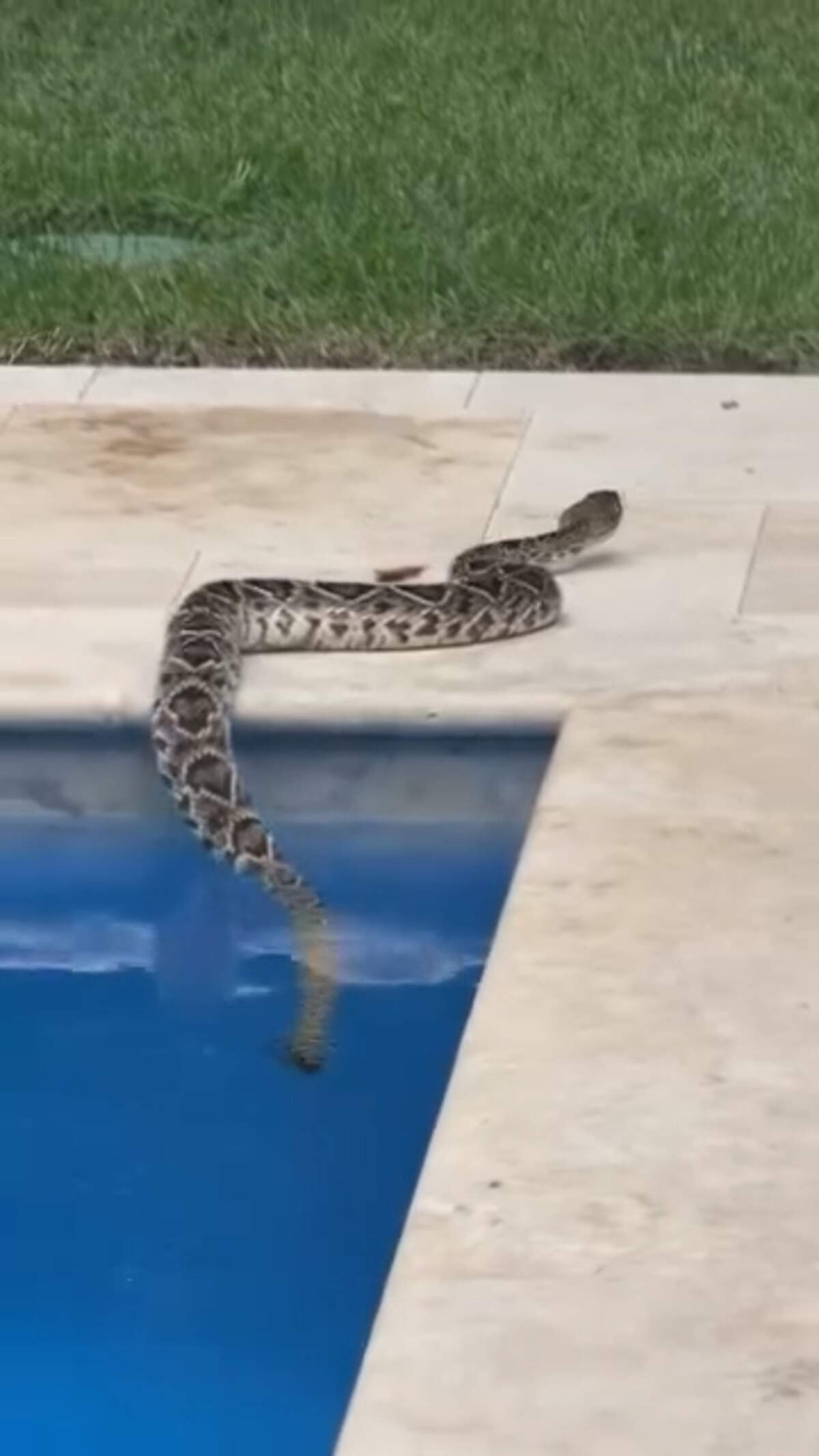
Eastern Diamondback Rattlesnake
© Hilton Head Island Packet

Picture a snake that can stretch past six feet and weigh as much as a small dog. Meet the largest venomous snake in North America.

In South Carolina it lives mostly in the sandy coastal plain.

Look for a tan spider with a dark violin shape on its back, the neck of the violin pointing toward the rear.

Bold, dark diamonds outlined in cream or yellow run down its back. Two light stripes frame each eye like a mask.

The thick body and loud rattle make it hard to confuse with anything else once you get a good look.

Sightings in yards are uncommon, but homes near pine forests and palmetto thickets do get visitors. Fun fact: this species was featured on early American flags with the words Don’t Tread on Me.

Give it plenty of room and call wildlife professionals if one settles in.

4. Pygmy Rattlesnake

Pygmy Rattlesnake
© Reptiles of North Carolina

Small does not mean harmless. Pygmy rattlesnakes usually reach only 12 to 20 inches, and their rattle sounds more like a buzzing insect than a warning.

Their gray or reddish bodies are covered with dark round blotches, and many have a reddish stripe along the spine. Check the head for large plate-like scales on top, a clue that separates them from harmless lookalikes such as hognose snakes.

They love pine straw and flower beds, which puts them close to gardeners’ hands. A bite is painful but rarely serious for adults.

Still, any bite deserves a trip to the doctor.

5. Cottonmouth
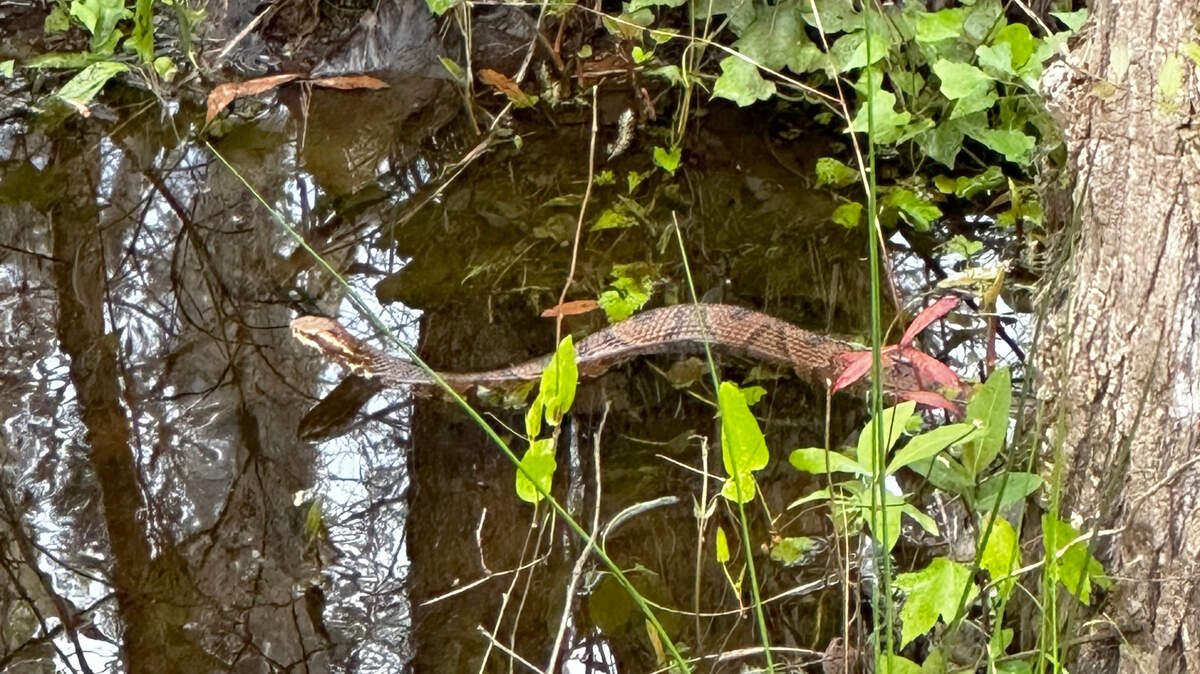
Cottonmouth
© Hilton Head Island Packet

If you live near a pond, ditch, or marsh, this is the snake people warn you about. Plenty of harmless water snakes get mistaken for it.

Learning the real signs saves a lot of innocent snakes.

Cottonmouths are heavy-bodied and dark olive, brown, or almost black. When threatened, they open wide to flash a cotton-white mouth.

They also swim with their whole body floating high on the water, while harmless water snakes swim with mostly just the head showing.

Another clue is a dark stripe running through the eye and a blocky head. Keep pets leashed near water edges.

Don’t reach into thick vegetation along banks without a stick first.

6. Eastern Coral Snake
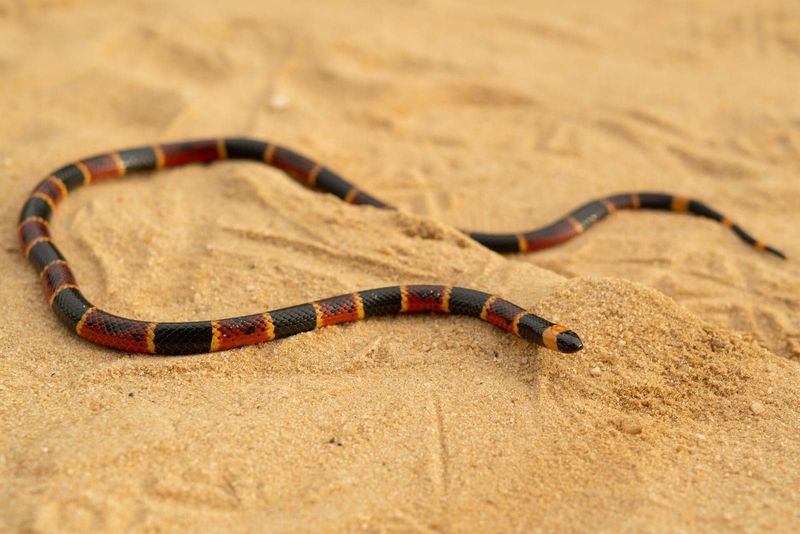
Eastern Coral Snake
© MyWild

Red touches yellow, kills a fellow. Red touches black, friend of Jack.

That old rhyme exists because of this brightly colored snake.

The coral snake has wide red and black bands separated by narrow yellow rings, and its nose is black. Harmless scarlet kingsnakes have red touching black instead.

Keep in mind the rhyme only works reliably in the United States.

Coral snakes are shy and spend most of their time hidden under leaves or logs. Their venom attacks the nervous system, and symptoms can be delayed for hours.

Anyone bitten should get emergency care right away, even if they feel fine.

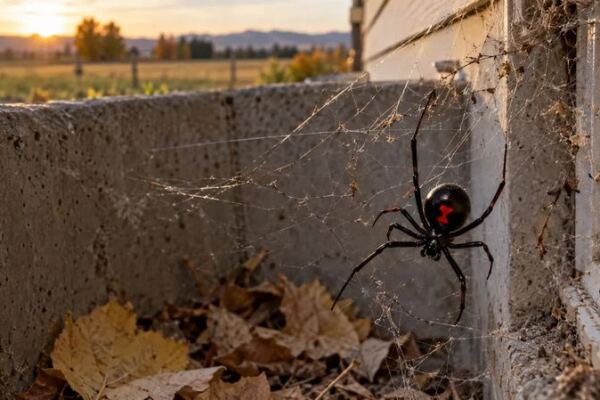
7. Southern Black Widow
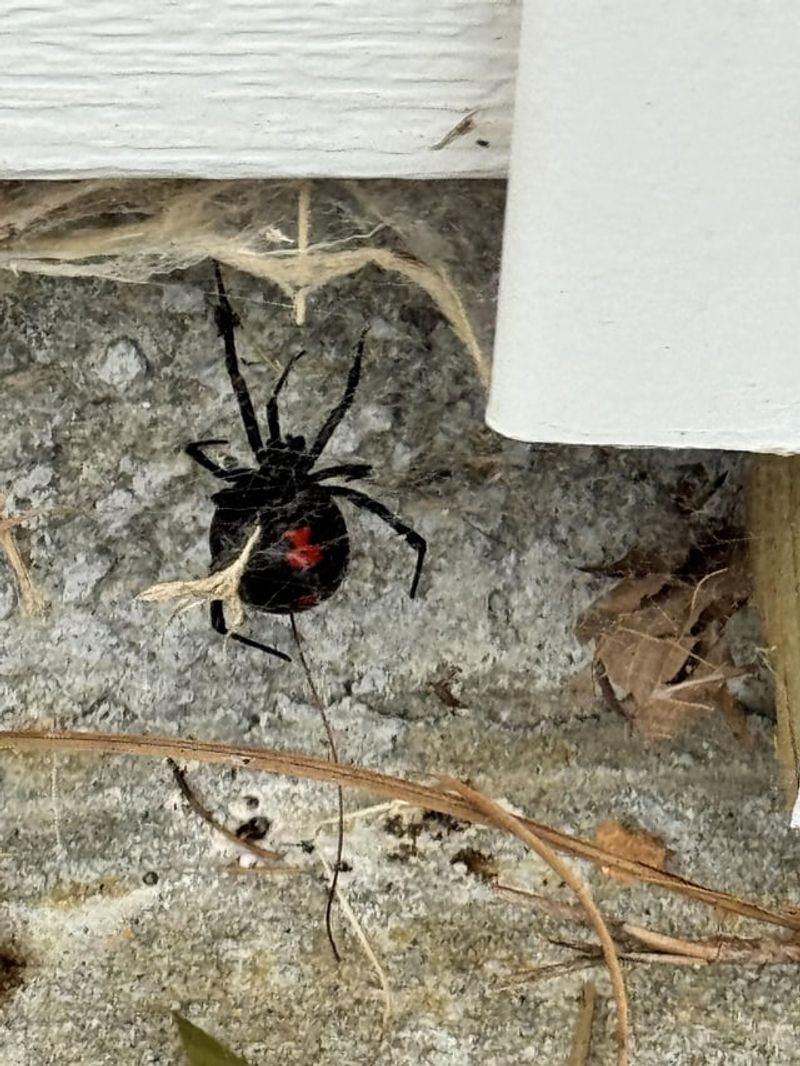
Southern Black Widow
© Reddit

Ever reached under a patio chair or into a dark meter box? Those are prime real estate for the southern black widow.

Females are glossy black with a red hourglass on the belly. Their webs look messy and tangled rather than neat spirals.

Males are smaller, paler, and pretty much harmless.

Bites can cause muscle cramps, sweating, and stomach pain. Wear gloves when handling firewood, flower pots, and outdoor toys.

A quick shake of shoes left outside is a smart habit.

8. Brown Recluse
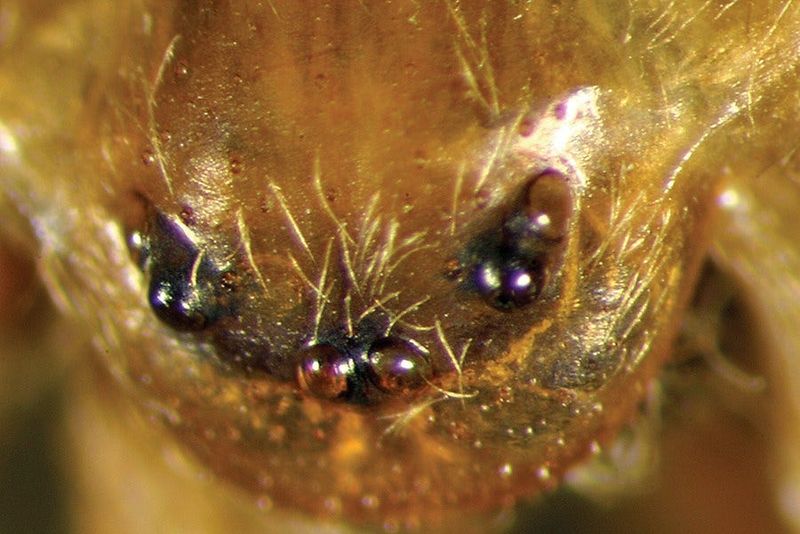
Brown Recluse
© Penn State Extension

Here is a surprise: brown recluses are actually rare in South Carolina. Many reported bites turn out to be infections or other problems.

Still, a few do show up, often in boxes moved from other states.

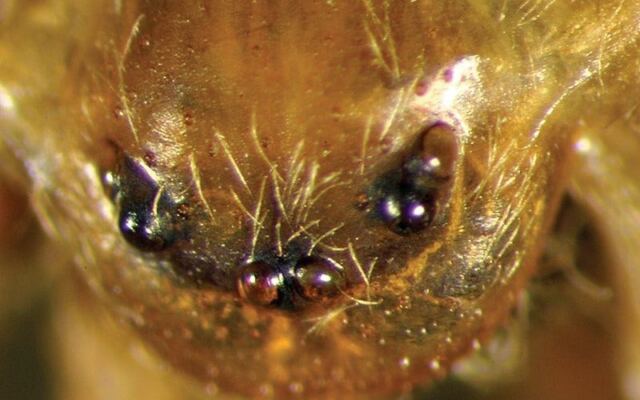
Look for a tan spider with a dark violin shape on its back, the neck of the violin pointing toward the rear. The real giveaway is its eyes.

Recluses have six eyes in three pairs, while most spiders have eight.

They hide in garages, sheds, and stored clothing. Bites can cause slow-healing skin wounds in some people.

Sealing boxes and shaking out stored items keeps risk low.

9. Red Imported Fire Ant
Red Imported Fire Ant
© redlablawncare

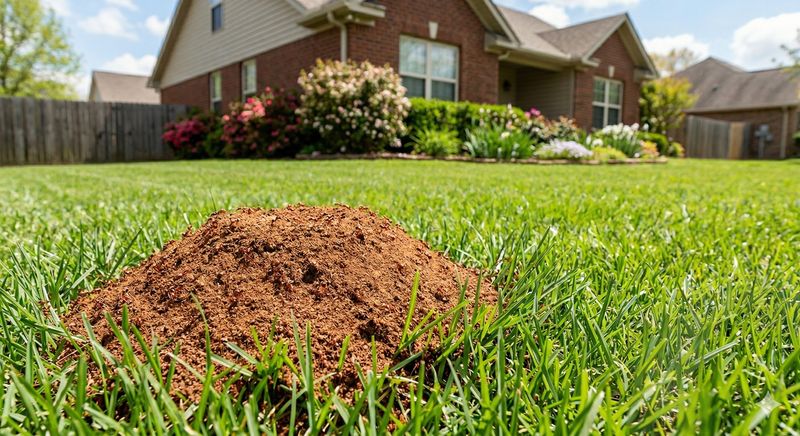
One wrong step on a fluffy dirt mound and suddenly dozens of angry ants are climbing your ankle. Fire ants are probably the venomous creature South Carolinians meet most often.

Mounds have no center opening and look like loose, crumbly soil, especially after rain. The ants are reddish brown and vary in size within one colony.

They sting repeatedly, leaving white pus-filled bumps the next day.

Arrived from South America in the 1930s, they have spread across the South. People with allergies can react severely, so watch for swelling or trouble breathing.

Bait treatments work well for lawn control.

10. Saddleback Caterpillar
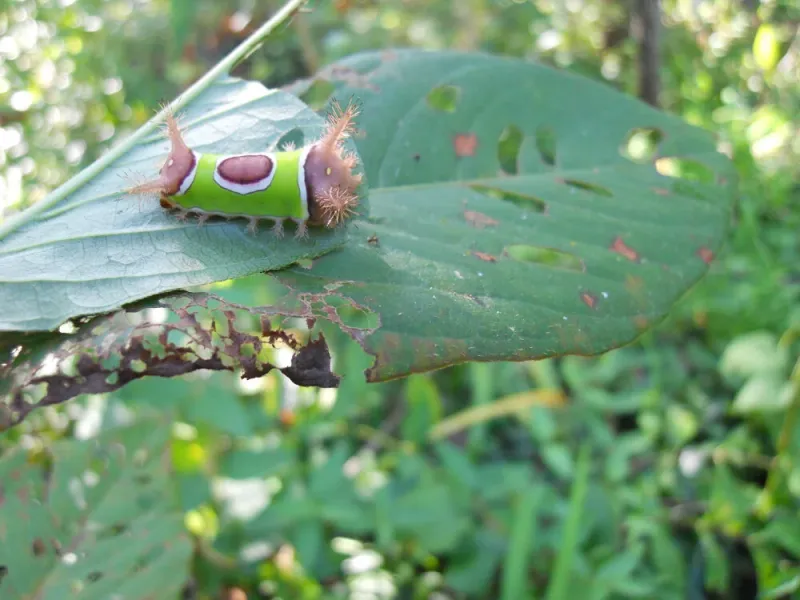
Saddleback Caterpillar
© Gardening Charlotte

Cute and colorful, right? Not so fast.

The saddleback caterpillar looks like a tiny cartoon, but its spines pack venom.

Its body is brown with a bright green patch in the middle and a brown spot like a saddle. Fleshy horns covered in stinging hairs stick out from each end.

Brushing against one causes burning pain, swelling, and sometimes nausea.

Find them on shrubs, corn, and ornamental plants in late summer. Teach kids to look but never touch.

Pressing tape on the skin helps pull out leftover spines after a sting.

Share this story
BR

Written by

Beau Rutledge

More from Beau Rutledge →

About Gardening Latest

Gardening Latest provides in-depth guides to maintaining and enhancing your garden and backyard. Learn how to make the most of the space you have and create a beautiful garden.

More about us →

Latest stories

  • Wisconsin GardeningWisconsin Bars All Fertilizer on Frozen Turf, While Phosphorus Lawn Fertilizer Faces a Separate Restriction

    Wisconsin Bars All Fertilizer on Frozen Turf, While Phosphorus Lawn Fertilizer Faces a Separate Restriction

    30 min ago
  • Iowa GardeningHere’s What It Means When Iowa Rhubarb Shoots Up a Giant Flower Stalk, and Whether to Cut It Off

    Here’s What It Means When Iowa Rhubarb Shoots Up a Giant Flower Stalk, and Whether to Cut It Off

    31 min ago
  • Massachusetts GardeningWhat Winter Owl Hoots in Massachusetts Can and Cannot Tell You

    What Winter Owl Hoots in Massachusetts Can and Cannot Tell You

    1 hr ago
  • Delaware GardeningHow Delaware Gardeners Can Winterize a Rain Barrel Before Freezing Weather

    How Delaware Gardeners Can Winterize a Rain Barrel Before Freezing Weather

    1 hr ago
  • Kentucky GardeningDo This To Your Outdoor Faucets Before A Hard Kentucky Freeze Splits The Pipe Inside Your Wall

    Do This To Your Outdoor Faucets Before A Hard Kentucky Freeze Splits The Pipe Inside Your Wall

    1 hr ago

Gardening by state

Stories for your state, and the hardiness zone most of it gardens in.

Keep exploring

Read next

All South Carolina Gardening →
South Carolina GardeningWhat Those Giant Flower Stalks on South Carolina Palmettos Mean and Whether You Should Cut Them Off
South Carolina Gardening

What Those Giant Flower Stalks on South Carolina Palmettos Mean and Whether You Should Cut Them Off

6 hr ago
South Carolina GardeningHearing Coyotes Howl Near Your South Carolina Home at Night? What Their Calls Can and Cannot Tell You
South Carolina Gardening

Hearing Coyotes Howl Near Your South Carolina Home at Night? What Their Calls Can and Cannot Tell You

20 hr ago
South Carolina GardeningFall Is When You’ll Spot The Venomous Critters Living In South Carolina Yards
South Carolina Gardening

Fall Is When You’ll Spot The Venomous Critters Living In South Carolina Yards

Yesterday

More from South Carolina Gardening

  • What Eating Celery Every Day Actually Does To Your Body, South Carolina

    Nov 16
  • 8 Venomous Creatures Hiding in South Carolina Yards That Every Gardener Should Recognize

    Nov 15
Back to top

Leave a response Cancel

Your email address stays private. Required fields are marked with an asterisk.

Gardening Latest

In-depth guides to maintaining and enhancing your garden and backyard: how to make the most of the space you have, and how to make it beautiful.

  • Facebook
  • X
  • Pinterest
  • YouTube

We may earn a portion of sales from products or services that are purchased through our site as part of our affiliate partnerships with retailers.

Explore

  • About GardeningLatest.com
  • Contact Us
  • Terms and Conditions
  • Privacy
  • Editorial Note:
  • FTC Disclosure

Newsletter

New garden guides and seasonal tips, straight to your inbox.

We’ll email you a link to confirm. Unsubscribe any time.

Almost there! Check your inbox and tap the link to confirm.

© 2026 Gardening Latest. All rights reserved.

Back to top