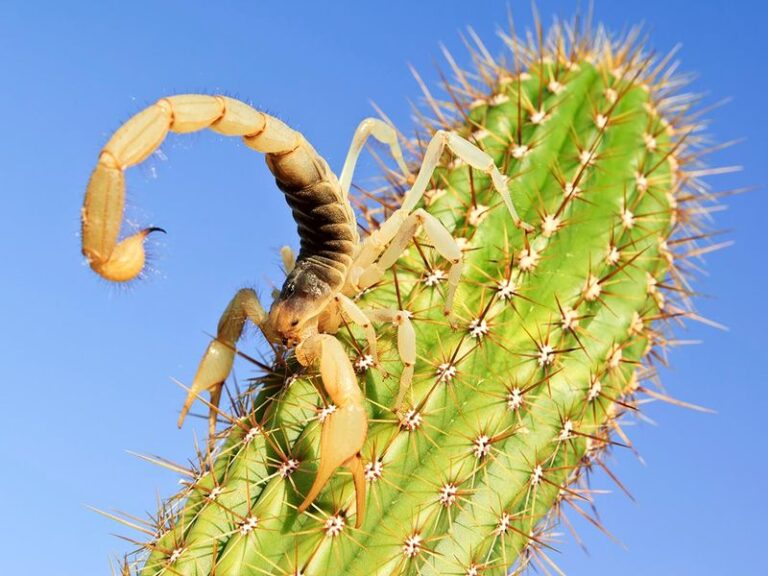
Finding a bark scorpion on your bathroom floor at midnight is a very Arizona kind of surprise. These small, tan scorpions are the most venomous kind in North America, and they are excellent climbers that slip through cracks thinner than a credit card.
The good news is that they usually come inside for simple reasons, like water, shelter, or an easy meal. Once you know what quietly invites them in, you can make your home a lot less welcoming.
1. Leaky Outdoor Faucets and Drippy Hoses
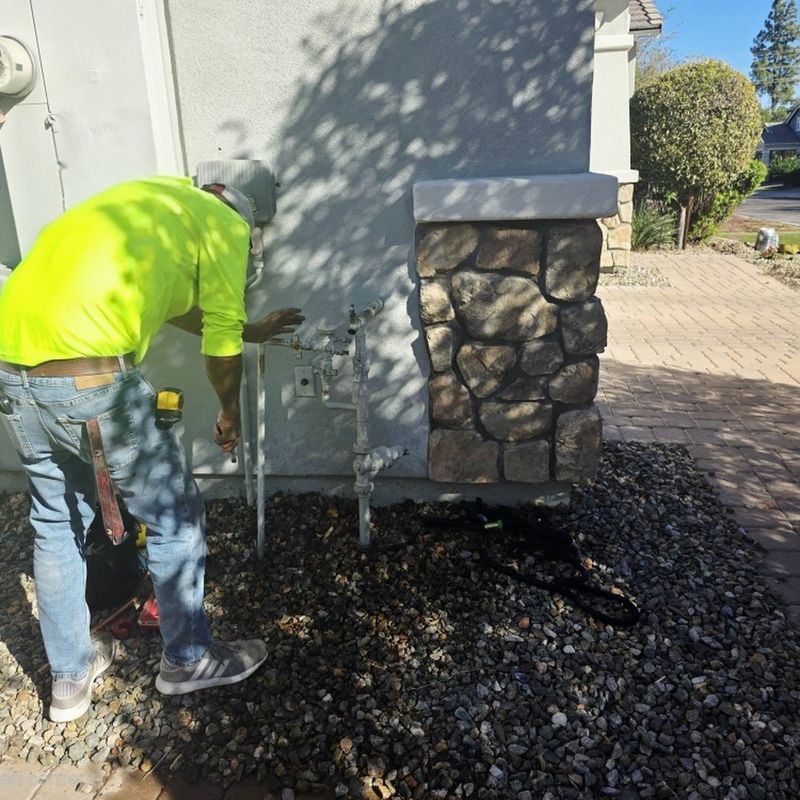
A slow drip by the back wall might seem harmless. To a bark scorpion, though, it is a tiny desert oasis that never runs dry.
Scorpions can survive a long time without food, but moisture matters to them, especially in the brutal summer months. Damp soil under a faucet also draws crickets and roaches, which means dinner shows up right next to the water.
Once scorpions settle near that wet spot, your foundation and the gaps around the pipe are only inches away. Fix worn washers, add a hose reel so hoses are not lying in puddles, and keep the ground around spigots as dry as you can.
2. Stacked Firewood Against the House
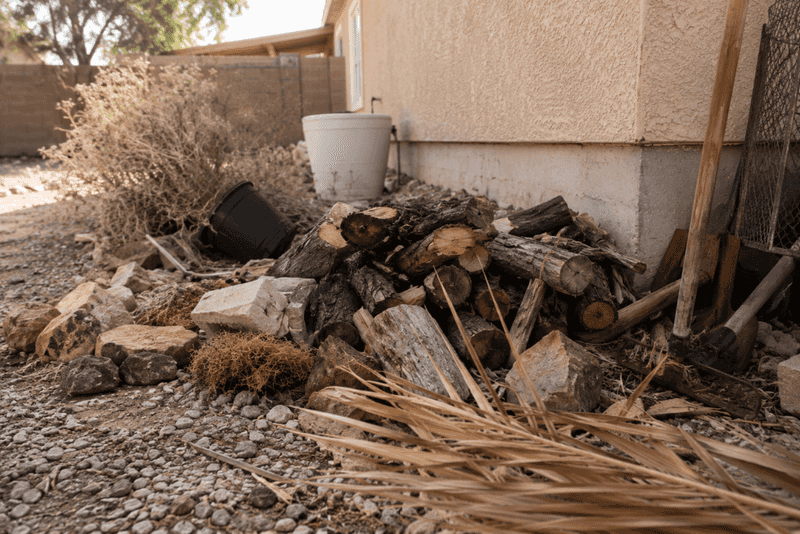
Picture a scorpion apartment complex with hundreds of dark, cozy units. That is basically what a woodpile becomes after a few weeks in the Arizona heat.
Bark scorpions earned their name because they love hiding under loose bark and in narrow crevices. A stack of logs gives them shade during the day and a hunting ground at night.
The real problem starts when that pile touches your house. Store firewood at least 20 feet from walls, lift it off the ground on a rack, and wear thick gloves when you grab a log.
Bring in only what you plan to burn right away.
3. Porch Lights That Attract Bugs
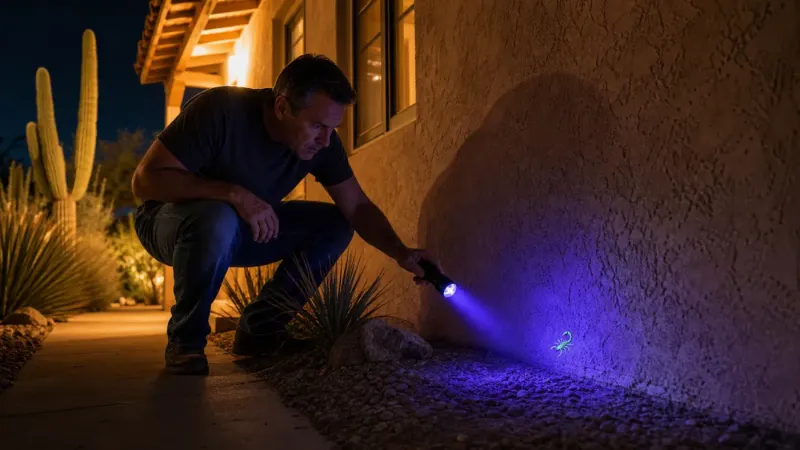
Here is a fun irony: scorpions do not care about your porch light at all. The bugs do, and scorpions definitely care about the bugs.
Moths, beetles, and crickets swarm bright white lights after dark. Bark scorpions follow the buffet, often climbing walls and waiting near doors and window frames to snatch an easy meal.
Did you know scorpions glow a bright blue-green under ultraviolet light? Many Arizonans use a blacklight flashlight at night to spot them.
For prevention, switch to yellow or warm LED bulbs that attract fewer insects, or use motion-sensor lights so the glow is not on all night.
4. Gaps Under Doors and Worn Weatherstripping
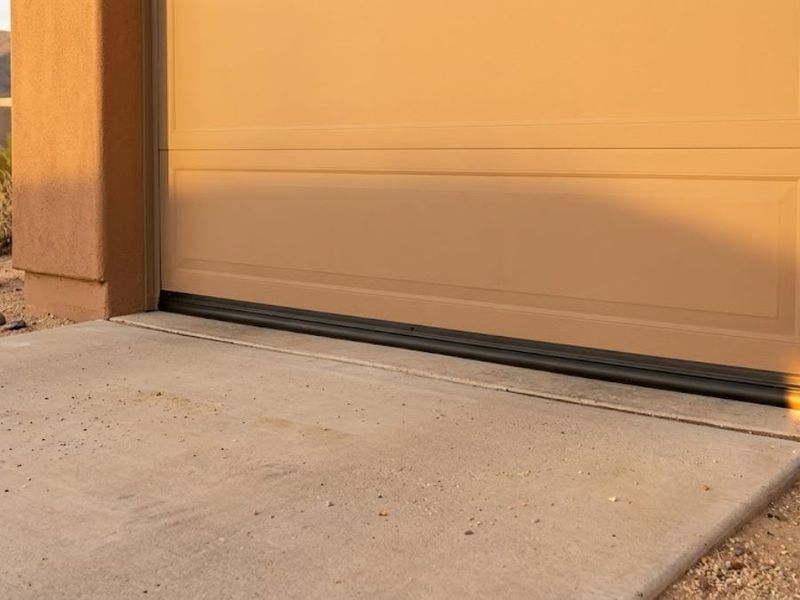
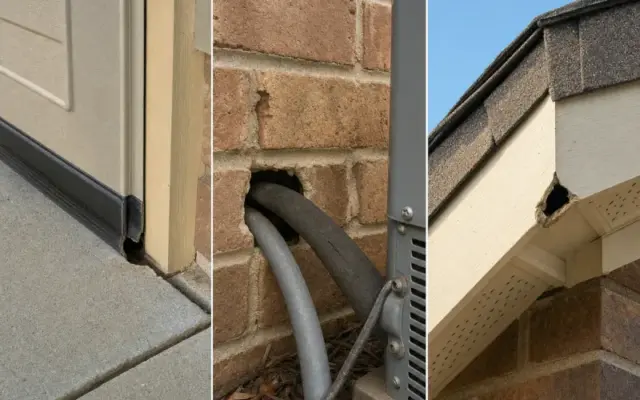
If you can slide a pencil under your door, a bark scorpion can walk right through. Adults are flat and slim, and young ones are even smaller.
Door sweeps crack, peel, and shrink in Arizona’s dry heat faster than most people expect. Weatherstripping around the frame can also pull away, leaving thin slivers of space that look tiny to you but wide open to a scorpion.
Check every exterior door, including the one leading from the garage. Replace old sweeps, add fresh weatherstripping, and look at the gap at night with a flashlight shining from outside.
If light leaks through, so can a scorpion.
5. Overgrown Shrubs and Climbing Vines

Bougainvillea spilling over a wall is gorgeous. It can also work like a ladder.
Bark scorpions are the only Arizona scorpions that climb well, and they happily use branches and vines to reach roofs, eaves, and attic vents. Thick plants against walls also keep the ground shady and moist, which makes a perfect daytime hideout.
Trim shrubs so they sit at least a foot or two away from the house, and keep tree limbs off the roof. Your landscaping will still look lovely, and scorpions lose their easy bridge inside.
6. Clutter in Garages and Storage Areas
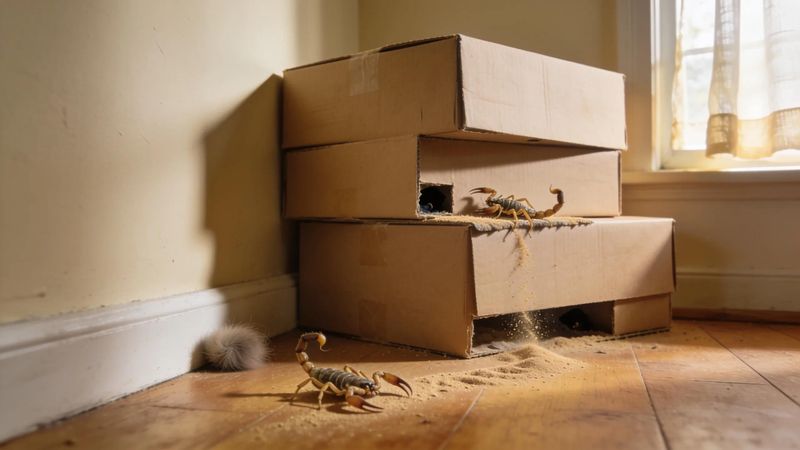
Ask any longtime Phoenix resident where they found their last scorpion, and the garage comes up a lot. It is no mystery why.
Cardboard boxes, piles of shoes, old blankets, and stacks of pots create dark corners that rarely get disturbed. Scorpions love tight spaces where they can press their bodies against surfaces on both sides.
Swap cardboard for sealed plastic bins, keep items off the floor on shelves, and shake out gloves and shoes before using them. A tidy garage gives scorpions far fewer places to hide on their way into the house.
7. Pet Food and Water Bowls Left Outside
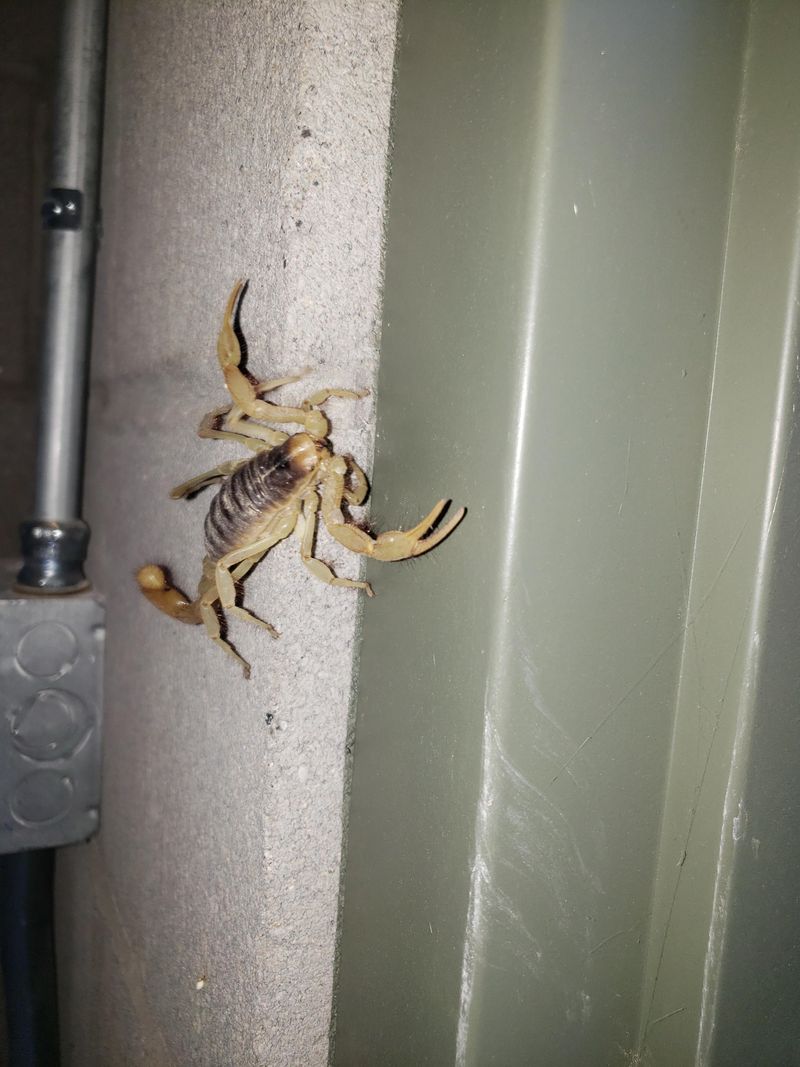
Scorpions will not eat kibble. Still, a bowl of pet food on the patio can kick off a whole chain reaction.
Leftover food draws roaches, ants, and crickets, while a water dish adds the moisture everyone in the desert wants. Bark scorpions then show up to hunt those insects, right beside your sliding glass door.
Feed pets indoors when possible, or pick up bowls each evening. Wipe up spills, store food in sealed containers, and keep outdoor water dishes refreshed during the day rather than left out overnight.
8. Rock Landscaping and Block Walls
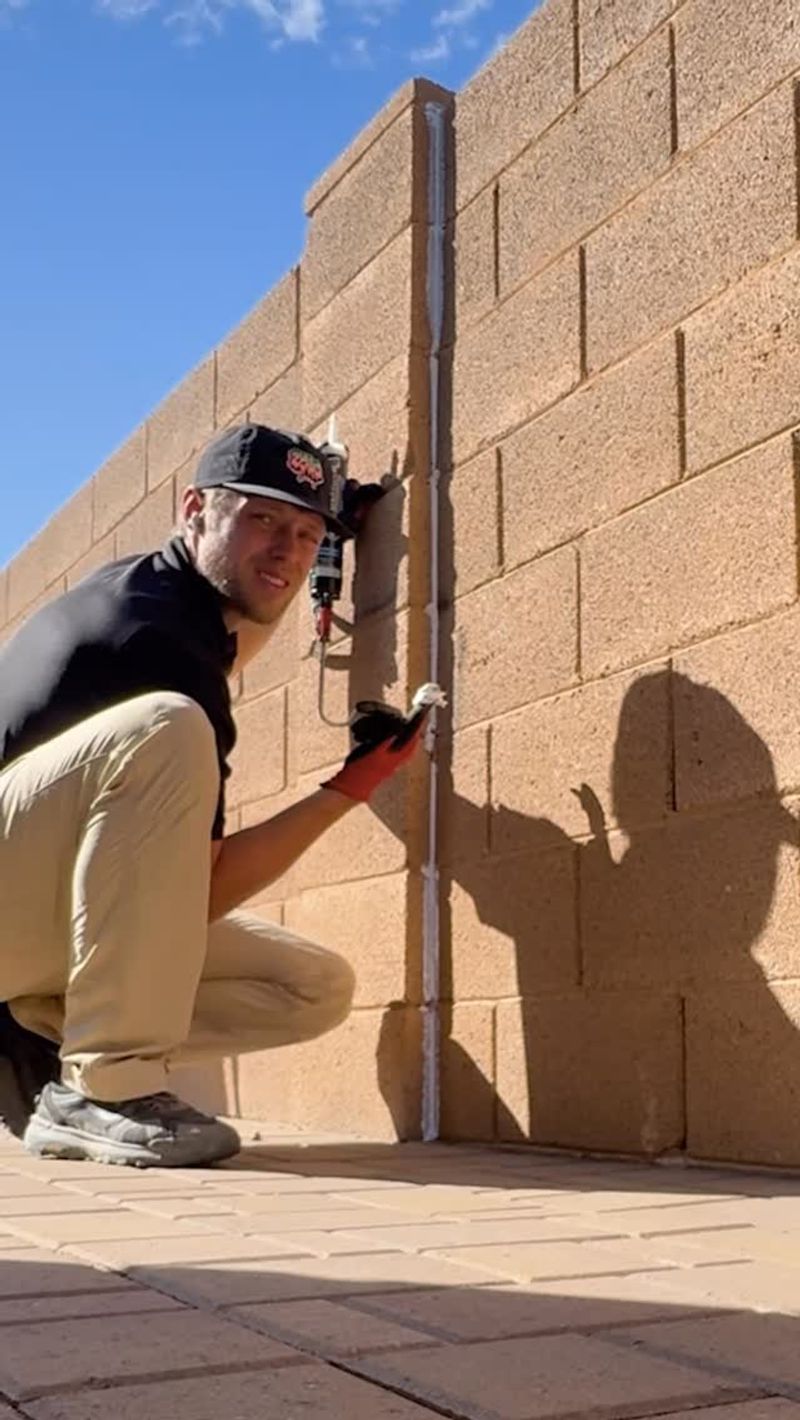
Desert landscaping saves water, but it comes with a catch. All those decorative boulders and stacked stones offer endless cool, shaded hiding spots.
Block walls, common in Arizona neighborhoods, are another favorite. Bark scorpions tuck into the hollow cores and gaps along the top, then travel along walls from yard to yard.
You do not have to rip everything out. Keep large rocks away from your foundation, fill gaps in block walls, and consider smooth caps on top of walls.
Some homeowners even add scorpion barrier strips that scorpions cannot grip.
9. Unsealed Cracks, Vents, and Plumbing Openings
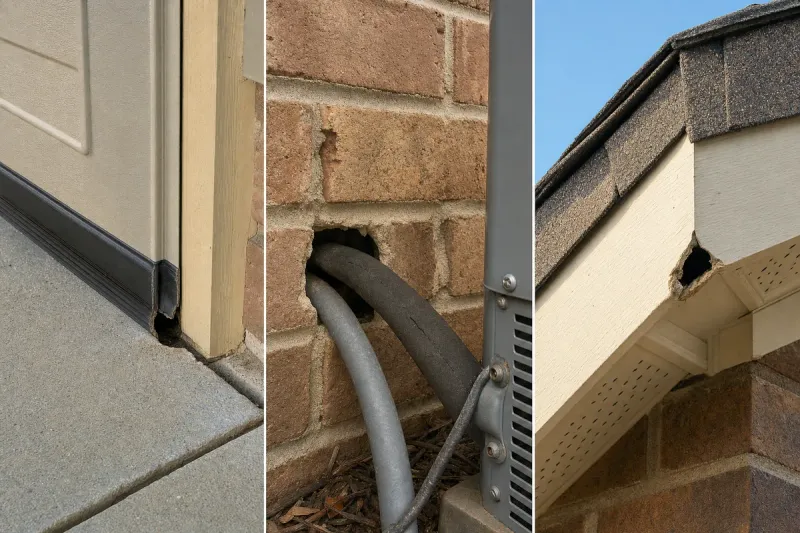
Think of your house as a sieve. Every pipe, wire, cable, and vent that enters it leaves a possible doorway behind.
Bark scorpions often enter through gaps around plumbing under sinks, cracks in stucco, and torn screens on attic or weep vents. Many people find them in bathtubs and sinks, not because they came up the drain, but because they wandered in and could not climb back out of the slick surface.
Go around your home with a tube of caulk and some fine mesh. Seal cracks, fill pipe gaps with sealant, and cover vents with tight screening.
It is a weekend project that can pay off for years.
Small fixes like these, added together, turn your home from a scorpion hotel into a place they would rather skip.
Share this story