Get the latest garden guides in your inbox →
Gardening Latest
  • General Gardening
  • Lawn Care
  • Plant Care
  • Composting
  • Soil Health
  • Backyard
  • Garden Muse Magazine
  • General Gardening
  • Lawn Care
  • Plant Care
  • Composting
  • Soil Health
  • Backyard
  • Garden Muse Magazine
  • News
  • Gardening Calendar
  • Garden Structures
  • Vegetable Garden
  • Vertical Garden
  • Raised Beds
  • Hydroponics
  • General Equipment
  • Community Gardens
Garden Themes
  • Spiritual Garden
  • Hydroseeding
  • Seeding and Laying Sod
  • Artificial Grass
  • Lawn Care Equipment
  • Plants
  • Trees
  • Planting Tools
  • Composting Basics
  • Fertilizer
  • Alternative Growing Mediums
  • Front Yard
  • Backyard Activities
  • Landscaping
Gardening Latest

Explore by state

Which state is your garden in?

Currently viewing South Carolina

All states

Northeast

  • Connecticut —
  • Delaware 19
  • Maine —
  • Maryland 5
  • Massachusetts 21
  • New Hampshire —
  • New Jersey 5
  • New York 14
  • Pennsylvania 14
  • Rhode Island —
  • Vermont —

Southeast

  • Alabama 4
  • Arkansas —
  • Florida 5
  • Georgia 5
  • Kentucky 19
  • Louisiana 4
  • Mississippi —
  • North Carolina 3
  • South Carolina 18
  • Tennessee 1
  • Virginia 4
  • West Virginia —

Midwest

  • Illinois 3
  • Indiana 6
  • Iowa 18
  • Kansas —
  • Michigan 5
  • Minnesota 3
  • Missouri 3
  • Nebraska —
  • North Dakota —
  • Ohio 5
  • South Dakota —
  • Wisconsin 19

Southwest

  • Arizona 4
  • Colorado —
  • Nevada —
  • New Mexico —
  • Oklahoma —
  • Texas 3
  • Utah —

West

  • Alaska —
  • California 4
  • Hawaii —
  • Idaho —
  • Montana —
  • Oregon —
  • Washington —
  • Wyoming —

No state matches that search.

Site menu

Gardening Latest
  • General Gardening
    • News
    • Gardening Calendar
    • Garden Structures
    • Vegetable Garden
    • Vertical Garden
    • Raised Beds
    • Hydroponics
    • General Equipment
    • Community Gardens
    Garden Themes
    • Spiritual Garden
  • Lawn Care
    • Hydroseeding
    • Seeding and Laying Sod
    • Artificial Grass
    • Lawn Care Equipment
  • Plant Care
    • Plants
    • Trees
    • Planting Tools
  • Composting
    • Composting Basics
  • Soil Health
    • Fertilizer
    • Alternative Growing Mediums
  • Backyard
    • Front Yard
    • Backyard Activities
    • Landscaping
  • Garden Muse Magazine

Explore

  • About GardeningLatest.com
  • Contact Us

Get the latest from the garden

New guides on lawn care, plants and backyard projects, sent when they go up.

Subscribe →

Follow

  • Facebook
  • X
  • Pinterest
  • YouTube
South Carolina Gardening

That Spider in Your South Carolina Closet Is Probably Not a Brown Recluse, Here’s What It Really Is

You open the closet, grab a shoe, and a brown spider scurries across the floor.

BR

By Beau Rutledge

November 22, 2026 · 6 min read

That Spider in Your South Carolina Closet Is Probably Not a Brown Recluse, Here’s What It Really Is
That Spider in Your South Carolina Closet Is Probably Not a Brown Recluse, Here's What It Really Is

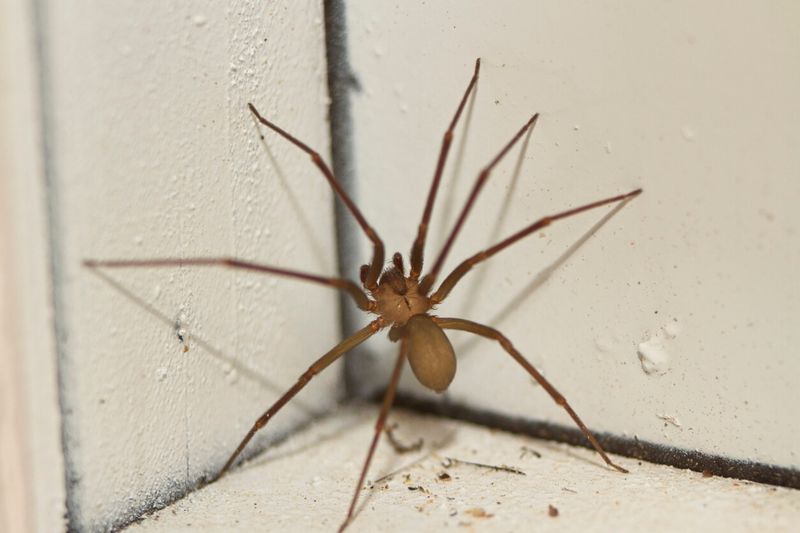
You open the closet, grab a shoe, and a brown spider scurries across the floor. Your heart jumps, and your first thought is brown recluse.

Here is the good news: brown recluses are very rare in South Carolina, and the spider you saw is almost always something far less scary. Knowing what you are really looking at can save you a lot of worry and help you decide what to do next.

At a glance

Where
South Carolina Gardening
Hardiness zone
8 10 to 20°F
Read
6 minutes
Published
November 22, 2026

1. Southern House Spider

Southern House Spider
© StyleBlueprint

Ask any pest control worker in Columbia or Charleston which spider gets mistaken for a brown recluse most often, and you will likely hear one answer. The male Southern house spider is long-legged, tan to brown, and wanders around at night looking for a mate.

That nighttime roaming is exactly why people bump into it in closets and bathrooms.

Females look very different. They are dark, velvety, and stay tucked inside messy, lint-like webs around window frames and cracks.

Males, however, are lanky and pale, and they look a lot like the recluse pictures people see online.

The easy giveaway is the eyes. Southern house spiders have eight eyes clustered tightly in a bump on the front of the head, while a brown recluse has six eyes in pairs.

They also lack the clear violin-shaped mark. Bites are rare and mild, so this guy is more of a startling roommate than a real threat.

2. Wolf Spider
Wolf Spider
© The Washington Post

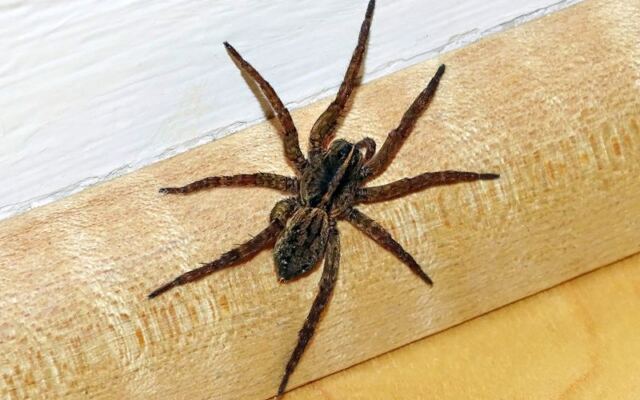
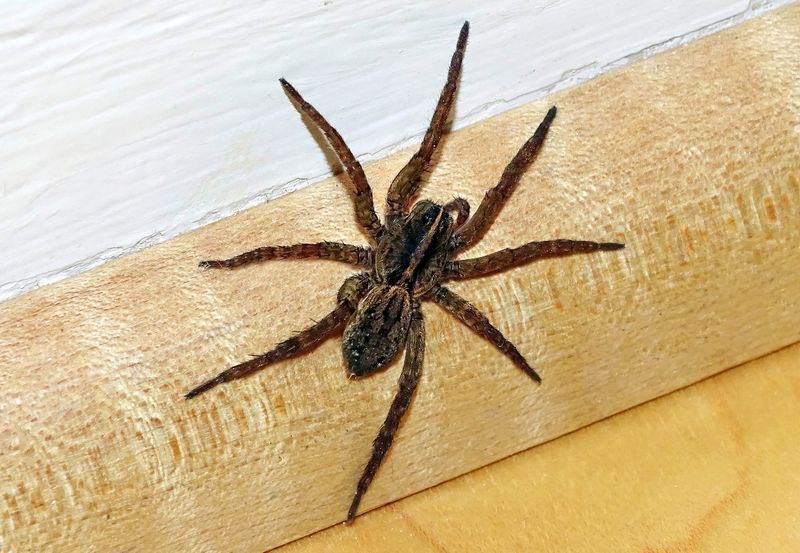
Picture a spider that does not bother with webs at all. Instead, it chases its food down like a tiny lion, and it can be surprisingly large.

Wolf spiders are some of the most common hunters wandering into South Carolina homes, especially in fall when the weather cools.

Their bodies are hairy, chunky, and usually striped with brown, gray, and tan. A brown recluse, by contrast, is smooth and fairly plain.

If the spider in your closet looks fuzzy and sturdy, you can relax a bit.

Here is a fun fact: shine a flashlight across your yard at night and you may see tiny green sparkles. Those are wolf spider eyes reflecting the light.

Mother wolf spiders even carry their babies on their backs, which is equal parts creepy and sweet.

3. Cellar Spider
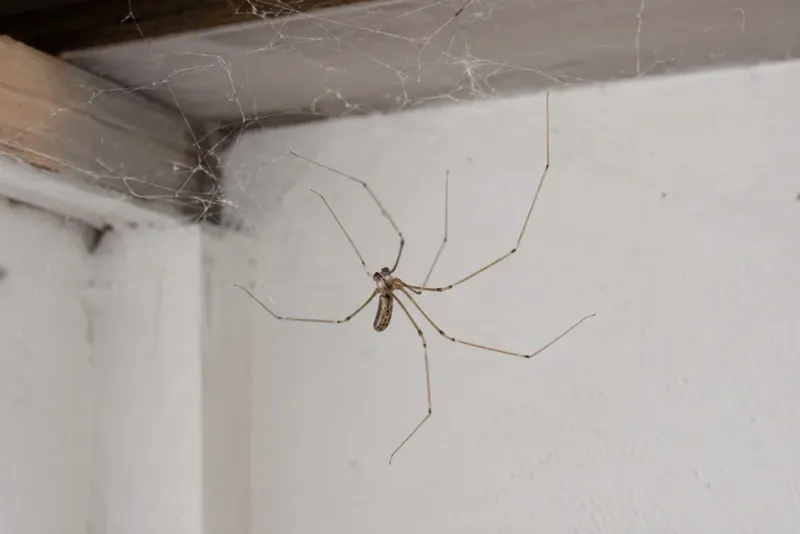
Cellar Spider
© Northwest Exterminating

Those wispy webs in the top corner of your closet? Blame the cellar spider.

Many people call it a daddy longlegs, and its legs are so thin they look like strands of hair.

Folks who find a pale spider hiding in the folds of a jacket might be meeting a yellow sac spider.

Cellar spiders are pale tan with small, peanut-shaped bodies. When bothered, they shake their webs fast, almost like a blur, to confuse anything trying to grab them.

Some even have a faint darker mark on the body, which leads to recluse confusion.

Honestly, these spiders are pretty helpful. They hunt other spiders, including more unwanted ones, and their fangs rarely cause any problem for people.

If you can stand a few cobwebs, they are working for free.

4. Common House Spider
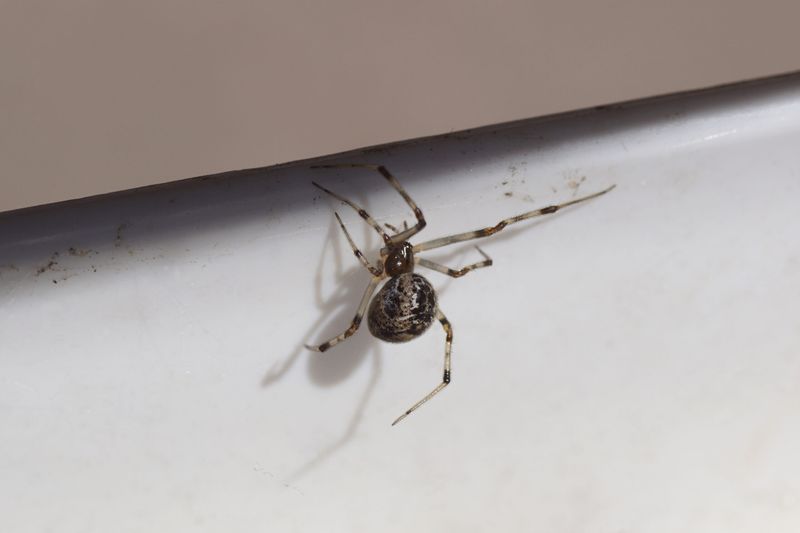
Common House Spider
© Pisgah Pest Control

Small, round, and a little mottled, the common house spider is the quiet tenant you probably never noticed. It builds tangled cobwebs behind boxes, under shelves, and in the forgotten back corners of closets.

Its body is brownish gray with darker spots and a rounded belly, a lot like a tiny marble with legs. A brown recluse has a slimmer oval body and even coloring, so the shape alone is a strong clue.

These spiders are related to black widows, but they are nowhere near as dangerous. Bites are uncommon and usually feel like a mosquito at worst.

Clearing out old cardboard and clutter is the simplest way to send them packing.

5. Yellow Sac Spider
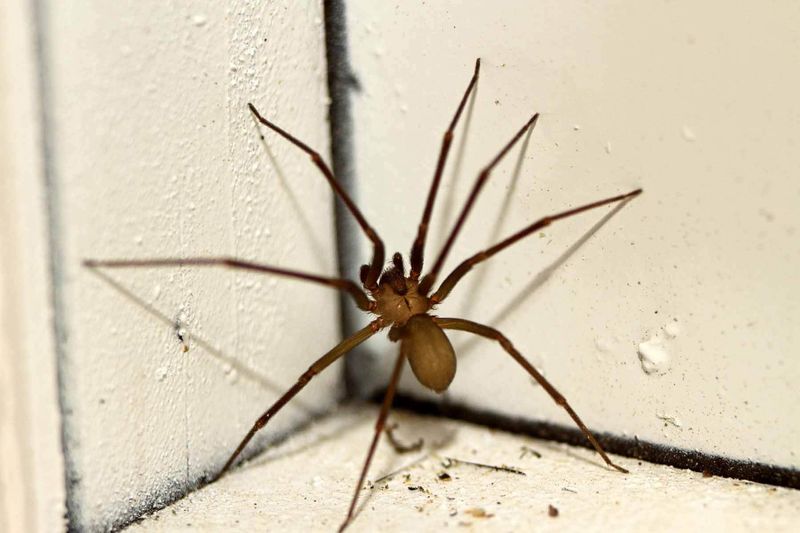
Yellow Sac Spider
© StyleBlueprint

Folks who find a pale spider hiding in the folds of a jacket might be meeting a yellow sac spider. Unlike most spiders here, this one deserves a little respect.

It is a hunter that builds small silk pouches to rest in during the day, often in clothing or ceiling corners.

Its body is light yellow or greenish tan, with darker tips on the jaws and feet. It has no violin mark and has eight eyes in two rows.

Yellow sac spider bites can be mildly painful and may get red and itchy. Doctors once blamed many recluse-like wounds on this spider, though that idea has been questioned.

Shaking out clothes before wearing them is a smart habit.

6. Fishing Spider
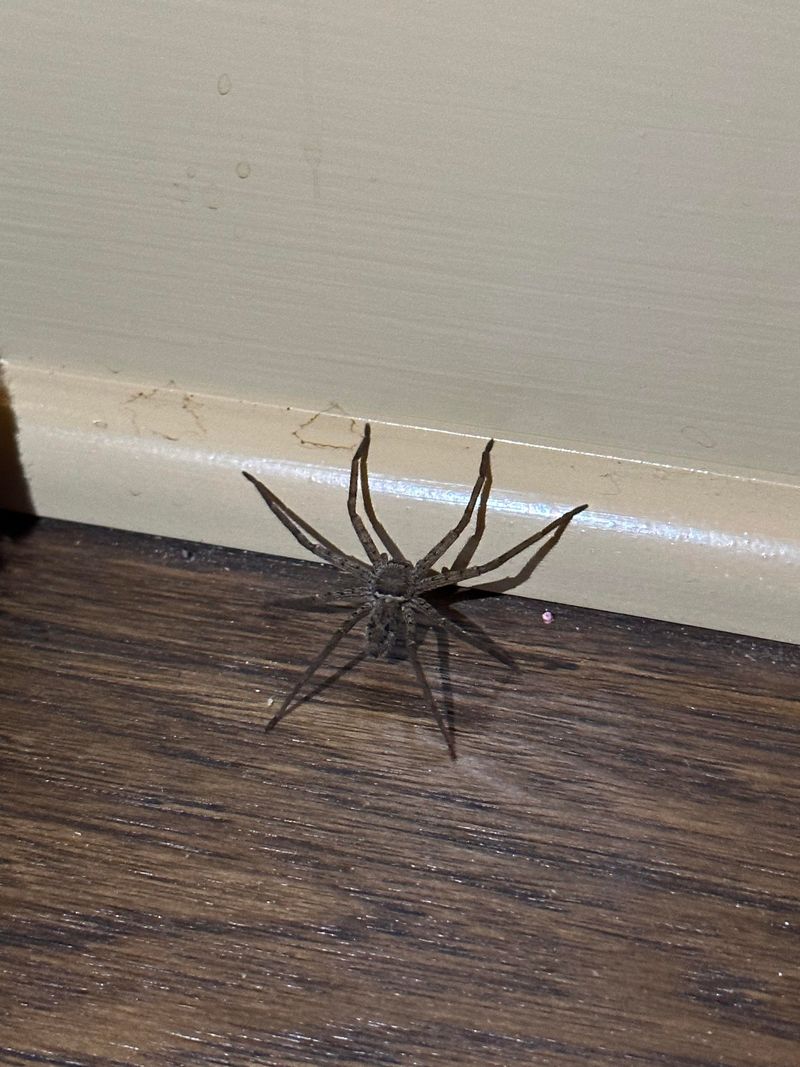
Fishing Spider
© Reddit

Few things will make you shriek louder than a palm-sized spider on the wall near your laundry room. In the Lowcountry, that giant is often a fishing spider, sometimes called a dock spider.

Fishing spiders usually live near ponds, creeks, and marshes, and some kinds can actually walk on water to catch insects and tiny fish. Every so often, one wanders indoors, especially into damp spots.

They are big, brown, and banded, with stripes on the legs and chevron-like patterns on the body. That busy pattern rules out a brown recluse right away.

Despite their size, they are shy and much prefer running to fighting.

7. The Real Brown Recluse
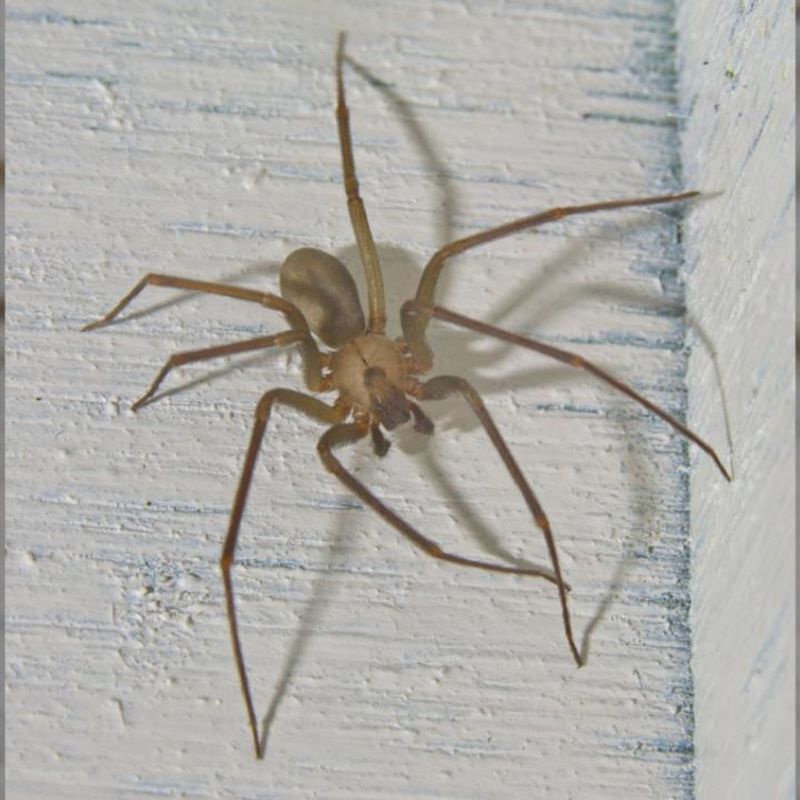
The Real Brown Recluse
© WPDE

Okay, so what does the real thing look like? A true brown recluse is plain tan to brown with a smooth body, no stripes, no spots, and no hairy look.

Its legs are evenly colored all the way down.

The famous mark is a dark violin shape on the front body section, with the neck of the violin pointing toward the rear. The best test, though, is the eyes.

It has six eyes arranged in three pairs, which you may need a magnifying glass to see.

In South Carolina, confirmed brown recluse finds are uncommon and mostly tied to items moved from states like Tennessee or Missouri. Researchers who asked people to mail in suspected recluses found that most were other spiders entirely.

Many skin wounds blamed on recluses turn out to be infections, so see a doctor rather than guessing.

8. How to Keep Spiders Out of Your Closet

How to Keep Spiders Out of Your Closet
© Western Exterminator

Spiders move in for two simple reasons: food and hiding places. Take away both, and your closet gets a lot less appealing.

Start by swapping cardboard boxes for sealed plastic bins, since cardboard gives spiders and bugs plenty of cozy gaps. Vacuum corners and baseboards every few weeks to pull up webs and egg sacs.

Keep shoes and clothes off the floor when you can.

Sticky glue traps along the walls are a cheap way to catch wanderers and see what kinds you actually have. Seal cracks around doors and windows, and use yellow outdoor bulbs that attract fewer insects.

If you ever catch a spider you truly think is a recluse, put it in a jar and bring it to your local Clemson Extension office for a free identification.

Share this story
BR

Written by

Beau Rutledge

More from Beau Rutledge →

About Gardening Latest

Gardening Latest provides in-depth guides to maintaining and enhancing your garden and backyard. Learn how to make the most of the space you have and create a beautiful garden.

More about us →

Latest stories

  • Louisiana GardeningSomething Digs Through Louisiana Lawns Every Night, And By Morning You See The Damage

    Something Digs Through Louisiana Lawns Every Night, And By Morning You See The Damage

    1 min ago
  • Delaware GardeningStung by a Saddleback Caterpillar While Weeding in Delaware? Do These Things Right Away

    Stung by a Saddleback Caterpillar While Weeding in Delaware? Do These Things Right Away

    7 min ago
  • Kentucky GardeningSpot a Bobcat Slipping Along Your Kentucky Fence Line This Winter? Here’s What It Wants

    Spot a Bobcat Slipping Along Your Kentucky Fence Line This Winter? Here’s What It Wants

    21 min ago
  • Florida GardeningThe Florida Yard Cleanup That Keeps Black Racers From Hanging Around Your Back Door

    The Florida Yard Cleanup That Keeps Black Racers From Hanging Around Your Back Door

    27 min ago
  • Maryland GardeningThose Tiny Brown Pouches Dangling From Maryland Junipers Are Packed With Hidden Eggs

    Those Tiny Brown Pouches Dangling From Maryland Junipers Are Packed With Hidden Eggs

    34 min ago

Gardening by state

Stories for your state, and the hardiness zone most of it gardens in.

Keep exploring

Read next

All South Carolina Gardening →
South Carolina GardeningSpotted a Large Yellow Spider with a Golden Web? It Could Be a Golden Silk Orb-Weaver or a Jorō
South Carolina Gardening

Spotted a Large Yellow Spider with a Golden Web? It Could Be a Golden Silk Orb-Weaver or a Jorō

3 hr ago
South Carolina GardeningThose Mud Towers Popping Up in Your South Carolina Yard Are Likely Built by Crawfish
South Carolina Gardening

Those Mud Towers Popping Up in Your South Carolina Yard Are Likely Built by Crawfish

20 hr ago
South Carolina GardeningSpotted A Yellow Jacket Nest Around Your South Carolina Home? Here’s Exactly What To Do
South Carolina Gardening

Spotted A Yellow Jacket Nest Around Your South Carolina Home? Here’s Exactly What To Do

Yesterday

More from South Carolina Gardening

  • South Carolina Yards Hide These Venomous Creatures, And Here’s How To Tell Each One Apart

    Nov 19
  • What Those Giant Flower Stalks on South Carolina Palmettos Mean and Whether You Should Cut Them Off

    Nov 19
Back to top

Leave a response Cancel

Your email address stays private. Required fields are marked with an asterisk.

Gardening Latest

In-depth guides to maintaining and enhancing your garden and backyard: how to make the most of the space you have, and how to make it beautiful.

  • Facebook
  • X
  • Pinterest
  • YouTube

We may earn a portion of sales from products or services that are purchased through our site as part of our affiliate partnerships with retailers.

Explore

  • About GardeningLatest.com
  • Contact Us
  • Terms and Conditions
  • Privacy
  • Editorial Note:
  • FTC Disclosure

Newsletter

New garden guides and seasonal tips, straight to your inbox.

We’ll email you a link to confirm. Unsubscribe any time.

Almost there! Check your inbox and tap the link to confirm.

© 2026 Gardening Latest. All rights reserved.

Back to top