Some of the prettiest plants at the edge of your yard might be breaking Pennsylvania law. The state keeps a Noxious Weed Control List, and plants on it cannot be sold, moved, or knowingly grown without risking fines.
Many of these plants were once sold as garden favorites, so plenty of homeowners have no idea they are hosting trouble. Here are ten to watch for, how to spot them, and why the state wants them gone.
1. Japanese Barberry
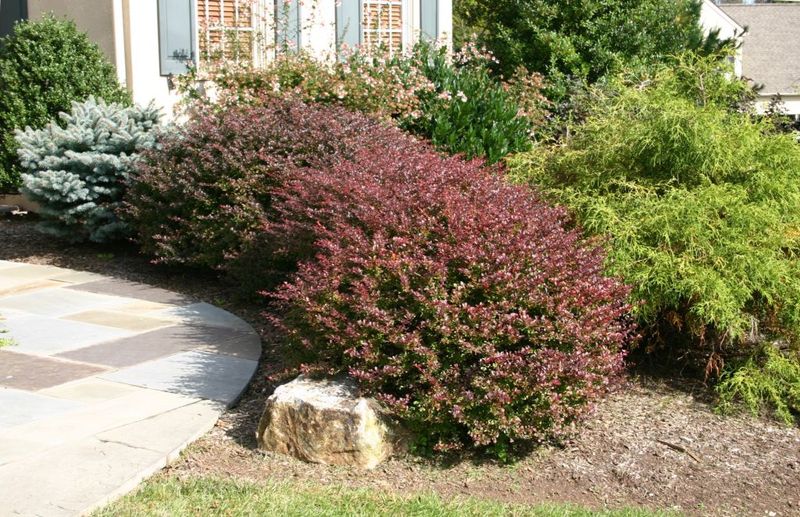
Picture a neat little hedge with burgundy leaves and glossy red berries. For decades, Japanese barberry was a landscaper’s go-to shrub across Pennsylvania.
Then researchers noticed something creepy about it.
Dense barberry thickets hold moisture and shelter mice, which carry ticks. Studies have found far more Lyme-carrying ticks in barberry patches than in nearby open woods.
Birds also spread the berries deep into forests, where the shrub crowds out native plants.
Pennsylvania added Japanese barberry to its noxious weed list, with a phase-out period for nurseries that ended in recent years. If you have it, pulling it out with gloves on is a smart move.
Native options like winterberry holly give similar red color without the tick party.
2. Purple Loosestrife
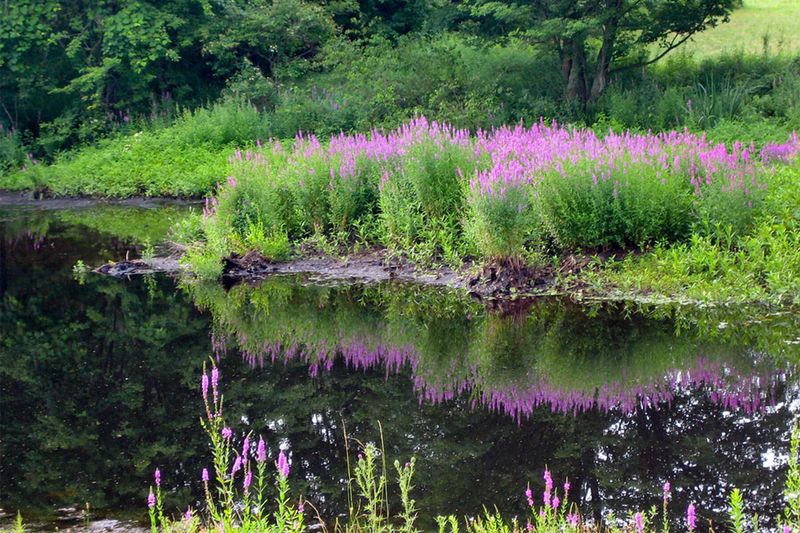
One single plant can release more than two million seeds in a year. That jaw-dropping number explains why purple loosestrife is such a headache.
Gardeners loved its tall magenta spikes for sunny, wet spots. Once it escapes, though, it chokes marshes and pond edges, pushing out cattails and the birds, frogs, and turtles that depend on them.
Wetlands can turn into a solid purple wall with little food value for wildlife.
Selling or planting it in Pennsylvania is against the rules. If it shows up near your backyard pond, cut the flower heads before they go to seed and bag them.
Blue flag iris or swamp milkweed make lovely, legal swaps.
3. Mile-a-Minute Vine
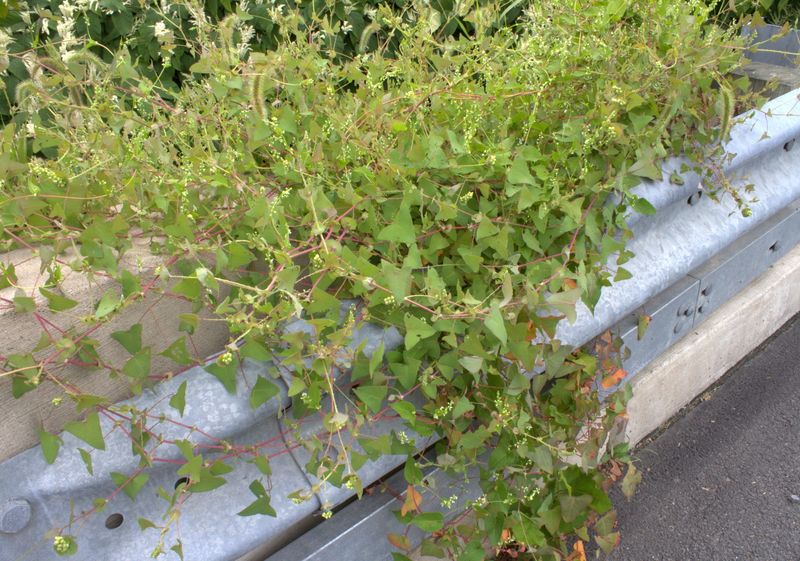
The name is a slight exaggeration, but only slight. Mile-a-minute vine can grow around six inches a day in summer, blanketing shrubs and young trees like a green tarp.
You can recognize it by its perfect triangle-shaped leaves and tiny backward hooks on the stems that grab your sleeves. In late summer it produces clusters of shiny blue berries.
Birds and even streams carry those seeds to new places.
Fun fact: Pennsylvania has released a tiny weevil from Asia that feeds only on this vine to help control it. At home, pull young plants early in the season, wearing thick gloves.
Get them before the berries turn blue, and you will save yourself years of work.
4. Giant Hogweed
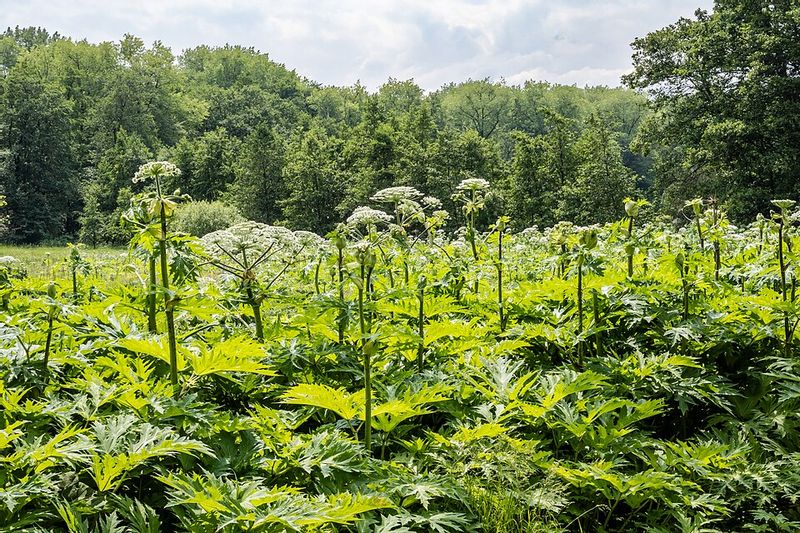
Touch the wrong plant and you could end up with burns and scars. Giant hogweed sap contains chemicals that react with sunlight, causing painful blisters that can last for months.
Getting it in your eyes can even damage vision.
Giant hogweed is listed as a federal noxious weed, and Pennsylvania takes it very seriously. It can grow over 14 feet tall, with white flower umbrellas wider than a bike tire and purple-blotched stems.
People sometimes planted it as a dramatic garden showpiece.
Please do not try to remove it yourself. The Pennsylvania Department of Agriculture runs a giant hogweed hotline and will send trained crews to handle it safely.
Snap a photo from a distance and report it.
5. Multiflora Rose
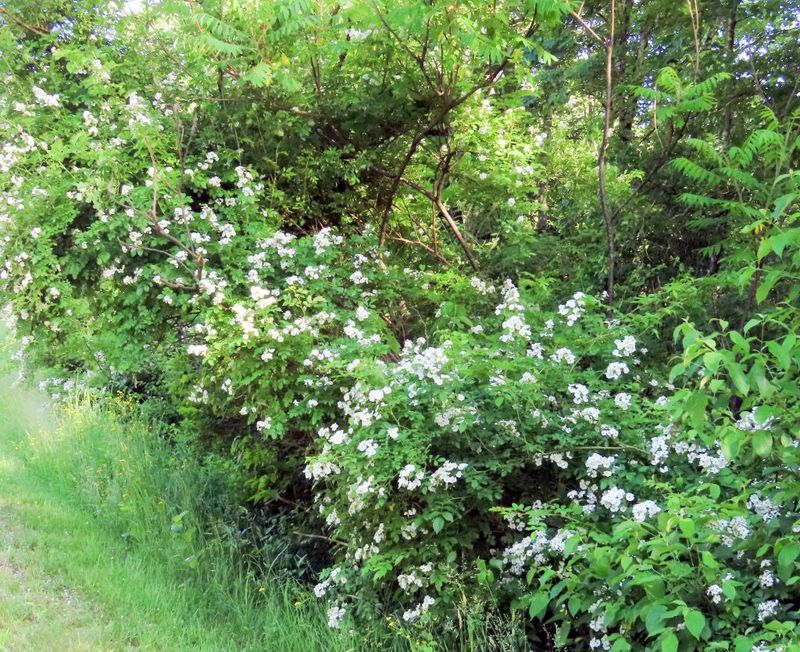
Back in the 1930s, government programs actually encouraged farmers to plant multiflora rose as a living fence. Oops.
That advice backfired in a big way.
Its arching, thorny canes form thickets so dense that cattle cannot get through, and neither can people. Each plant can make hundreds of thousands of seeds that stay alive in soil for up to 20 years.
It now crowds pastures, woods, and backyard edges across the state.
Multiflora rose has been on Pennsylvania’s noxious weed list for a long time. Look for clusters of small white flowers in early summer and fringed edges where the leaves meet the stem.
Repeated cutting and digging out roots can finally win the battle.
6. Callery Pear
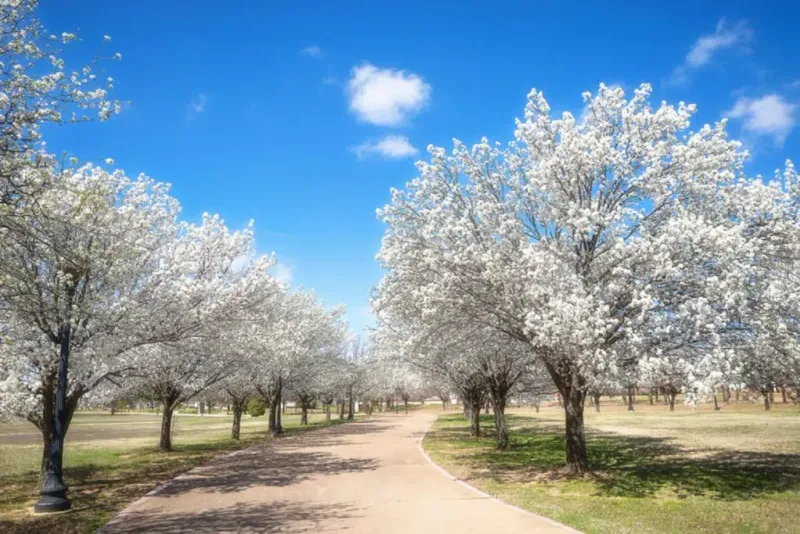
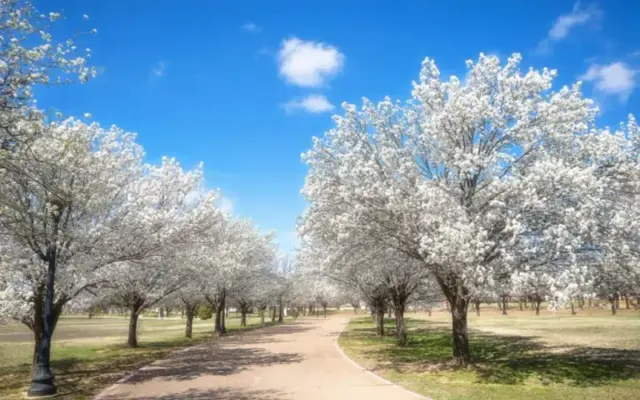
Every spring, neighborhoods glow with clouds of white blossoms. They also smell, to put it kindly, like something died.
Meet the Callery pear, also known as the Bradford pear.
Planted by the thousands along streets, these trees were supposed to be sterile. Instead, different varieties cross-pollinated and produced fruit, and birds spread the seeds everywhere.
Thorny wild pear thickets now take over fields and highway edges.
Pennsylvania added Callery pear to its noxious weed list with a phase-in period, making new sales illegal starting in 2024. Existing yard trees are not an emergency, but many homeowners are swapping them out.
Serviceberry and redbud offer spring flowers without the smell or the spread.
7. Japanese Knotweed
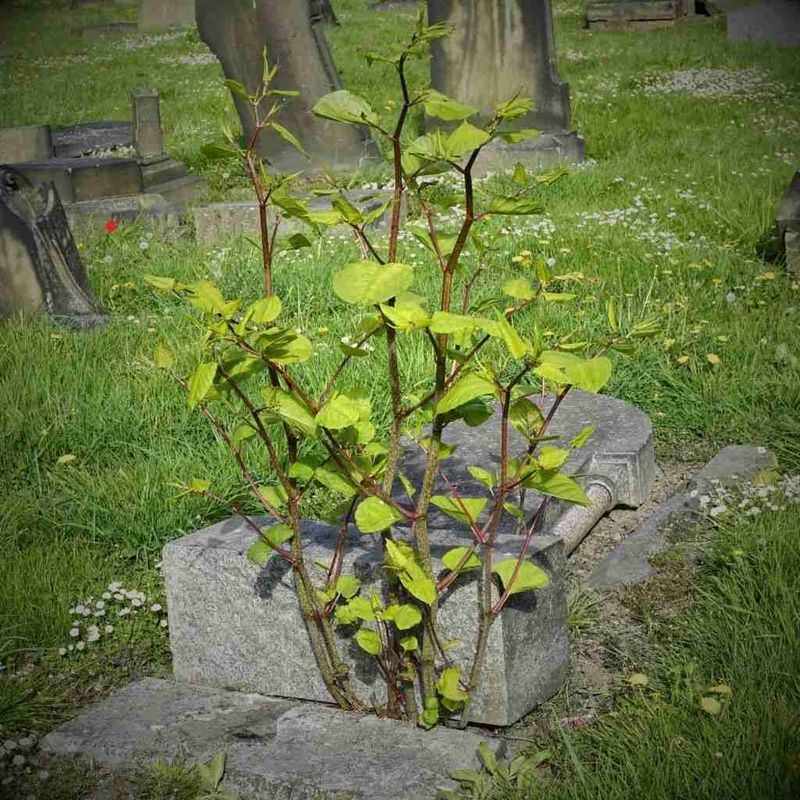
Some plants grow. Japanese knotweed conquers.
Its roots can push through cracks in concrete, foundations, and driveways, and it laughs at most mowing.
The hollow, bamboo-like stems with reddish speckles shoot up to ten feet in a single season. Heart-shaped leaves and lacy white flowers make it look harmless.
Underground, its roots can spread many feet sideways, and a tiny piece can start a whole new patch.
Moving knotweed soil or cuttings is a big no in Pennsylvania. Never toss it in compost, because it will regrow.
Repeated cutting over several years, or help from a professional, is the realistic path to getting rid of it.
8. Canada Thistle
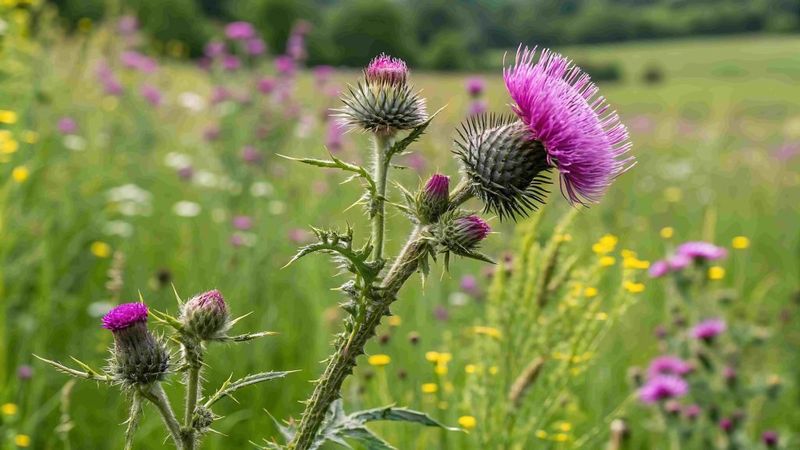
Funny thing: Canada thistle is not from Canada at all. It came from Europe and Asia, likely tucked inside crop seed shipments centuries ago.
Its small purple puffball flowers look sweet, and pollinators do visit them. The problem is underground.
A creeping root system lets one plant spread into a huge patch, stealing space from crops and garden plants alike.
Canada thistle is one of the original plants on Pennsylvania’s noxious weed list. Pulling it often snaps the roots and creates more plants, so steady mowing before flowering works better.
Starve the roots of energy, and the patch slowly gives up.
9. Marijuana (Unlicensed Cannabis)
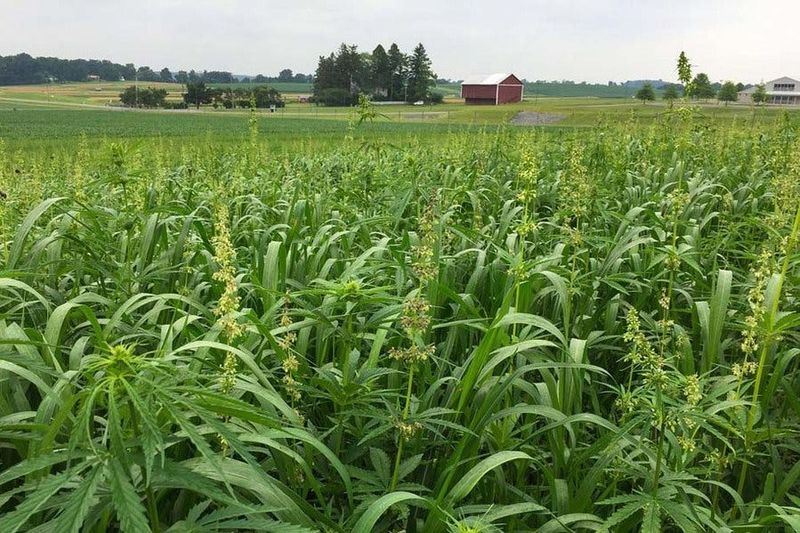
Medical cannabis is legal in Pennsylvania, so growing a plant at home must be fine, right? Not so fast.
Here is the surprise for many residents: home growing is still not allowed under current state law, even for medical card holders. Marijuana also sits on the state’s noxious weed list, which dates back to its wild hemp days.
Getting caught with plants can still mean criminal charges.
Licensed industrial hemp growers are a separate category with strict permits and testing. Laws are being debated, so always check the latest rules before planting anything.
Until the law changes, those leaves belong in a licensed dispensary, not your tomato bed.
10. Goatsrue
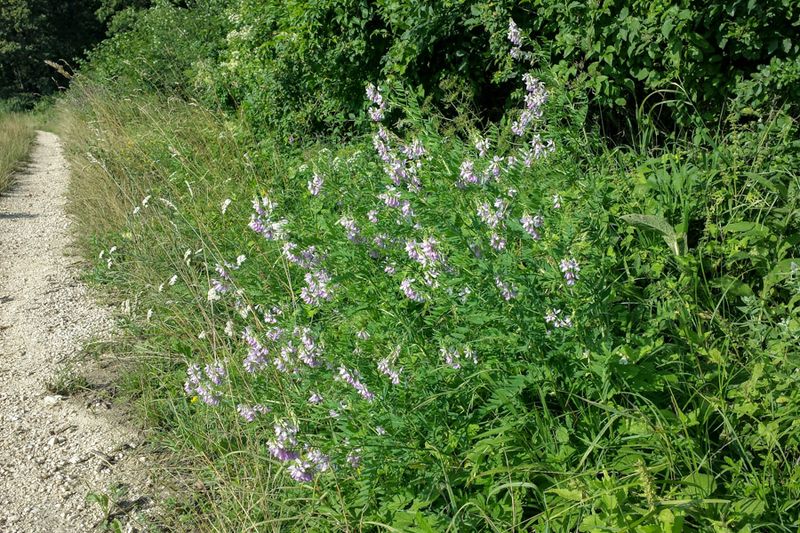
Few people have heard of goatsrue, and that is exactly how Pennsylvania wants to keep it. The plant was brought to the U.S. in the 1890s as a possible livestock crop.
It turned out to be poisonous to the very animals it was meant to feed.
Goatsrue grows into a bushy plant about three to five feet tall with white to lavender pea-like flowers. Sheep that graze on it can become seriously ill or die.
Its seeds can survive in soil for years, making each patch hard to erase.
Patches have popped up mostly in southeastern Pennsylvania. Because it is a federal noxious weed, report sightings to the state Department of Agriculture instead of handling a big infestation alone.
Share this story