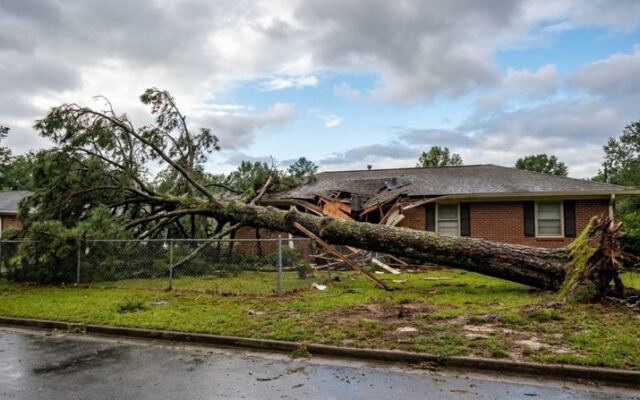
When a storm drops your neighbor’s tree onto your fence, roof, or lawn, your own homeowners insurer is usually the first one to pay, not the neighbor. The neighbor can be on the hook too, but only if proof shows they ignored a tree they knew, or should have known, was dangerous.
Who owns the tree, who is liable, and who pays for removal are three different questions. Here is how to sort them out without losing money or getting hurt.
Your own insurer is usually the first call

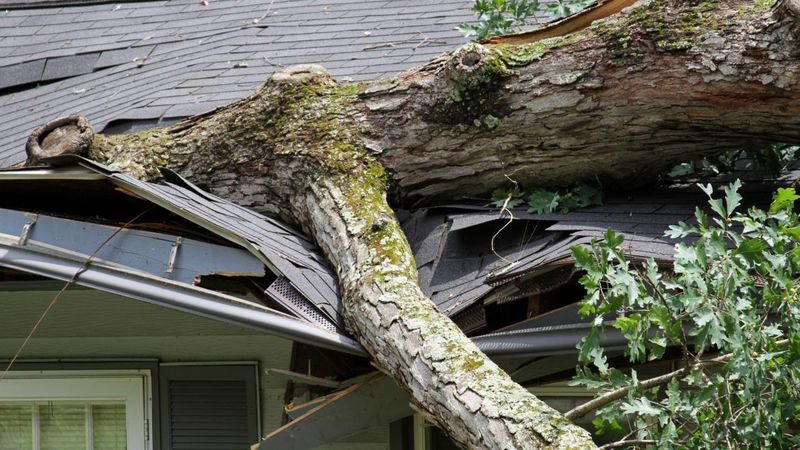
Picture the morning after a windstorm. A big limb from next door is sitting on your fence, or a whole trunk is across your patio.
Before you knock on your neighbor’s door with a bill, call your own insurance company.
Wisconsin’s Office of the Commissioner of Insurance explains in its homeowner’s insurance FAQ that your own policy generally should cover storm damage from a neighbor’s tree. The tree owner is responsible only if negligence can be proved.
In other words, a tree that grew on someone else’s land does not automatically send the bill to that person.
What your policy actually pays depends on its wording. Many policies carry a deductible, which is the amount you cover before the insurer pays.
Some also treat fences, sheds, and other structures differently from the house itself. Read your declarations page or ask your agent how your policy handles wind damage and trees.
It also helps to keep two ideas apart. An insurance claim is a request to your own company under your own contract.
A neighbor’s liability is a separate legal question about whether they failed to act reasonably, as a legal column sponsored by the State Bar of Wisconsin describes. You can start the first without settling the second.
Results vary by policy and by the facts of each storm. This is general guidance, not advice for your exact situation.
When a dangerous tree may make a neighbor liable
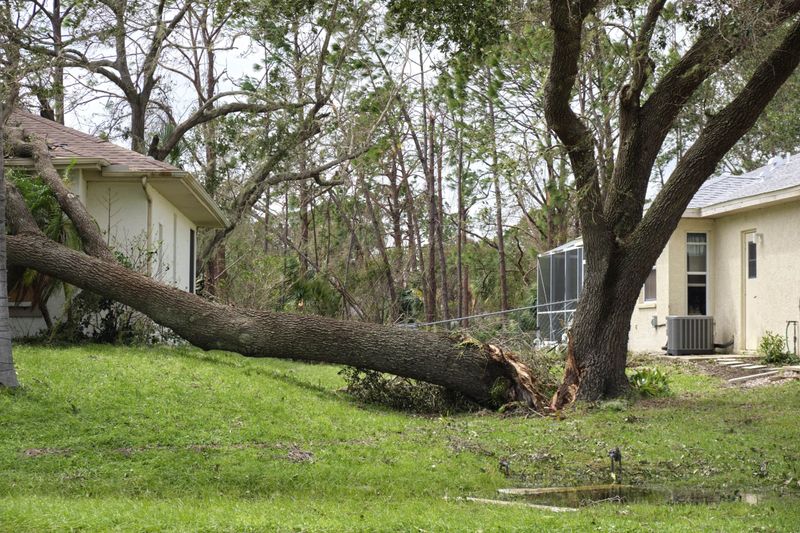
Sometimes the neighbor can be responsible. The key idea is negligence, which means failing to act with reasonable care.
A tree owner may be liable if evidence shows they knew, or reasonably should have known, that the tree was dangerous and did nothing about it.
Think of clues that a tree was in trouble: large dead limbs, a hollow or rotting trunk, mushrooms at the base, a heavy lean, or a crack that stayed for months. Earlier complaints matter too.
If you sent a letter or text asking about the tree, or an arborist gave the owner a warning, those records can show what the owner knew and how they responded.
A storm does not settle the question either way. Storm damage alone does not prove negligence, because healthy trees sometimes fall in extreme wind.
At the same time, a storm does not automatically excuse an owner who ignored an obvious hazard. Three things tend to matter: the tree’s condition, what the owner knew or should have known, and what steps they took.
The legal column from the State Bar-sponsored article describes liability shifting when a dangerous condition was known or should have been known and was ignored.
You may come across Plesko v. Allied Investment Co., a Wisconsin Supreme Court case.
That decision discussed notice of a dangerous tree, but it concerned a tree threatening people using a sidewalk. It is not a direct ruling about a tree damaging a neighbor’s private yard, so treat it as background rather than a guarantee.
The tree’s owner is not necessarily the party who pays
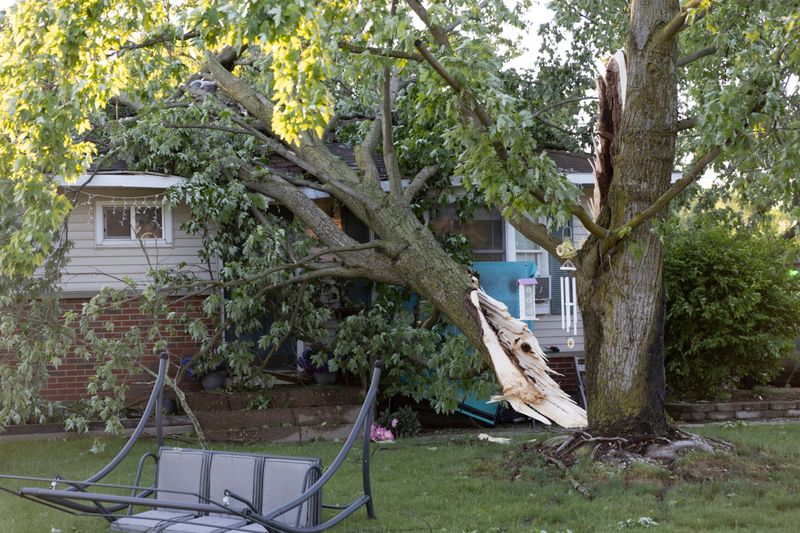
Owning a tree and paying for the damage it causes are not the same thing. Ownership tells you whose tree it is.
It does not by itself decide who pays for repairs or for hauling the tree away.
The Wisconsin DNR gives general tree ownership guidance after storms. In almost all cases, the landowner where the tree was growing owns it, meaning the spot where the root ball or stem stood.
A tree does not become yours just because it landed in your yard.
There are exceptions. A boundary tree, which grows on the line between two properties, is usually owned by, and the responsibility of, both landowners.
Severed timber rights are another exception, where someone other than the landowner holds the right to the timber.
Here is a practical example. Your neighbor’s healthy oak falls in a storm and crushes your shed.
The neighbor owns the oak, yet your own policy is generally the first place to look for the shed damage unless negligence can be shown. Removal of the trunk is a third question, and it turns on your policy terms, which the next section covers.
Removal coverage depends on what the tree damaged
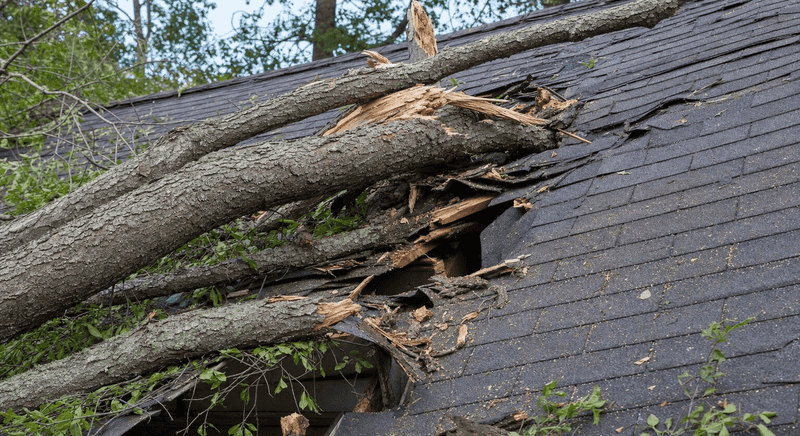
Paying to repair a damaged roof and paying to haul away a tree are often handled differently. Coverage for the damage to an insured structure is one piece.
Coverage for removing the fallen tree is another.
According to the Wisconsin insurance commissioner’s office, a policy may provide limited coverage to remove a tree that fell in wind and damaged an insured structure. The word limited matters.
There may be a dollar cap, and conditions may apply.
Now picture a tree that lands in the grass and touches nothing. The State Bar-sponsored legal column says removal may not be covered when the tree did not damage a covered structure or block certain access, and that the policy controls.
Paying out of pocket is a common possibility in that situation, though not a universal rule.
Do not assume homeowners insurance pays to remove the whole tree. Look in your policy for sections on windstorm, debris removal, and trees, shrubs, and landscaping.
If the wording is unclear, ask your agent to explain it in writing, and ask what your deductible would be before you decide whether a claim is worthwhile.
Document the damage and report it promptly
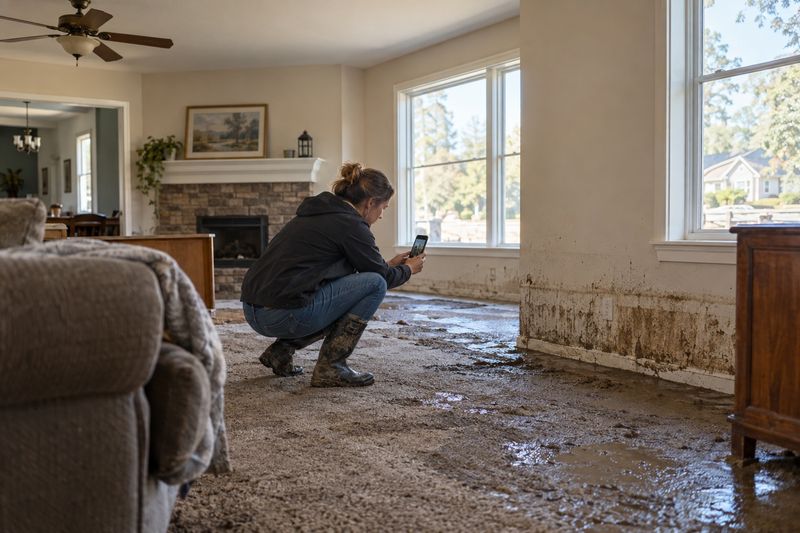
Good records make every later conversation easier. Wisconsin’s insurance commissioner outlines the basics in its After a Storm Hits fact sheet, and the sequence is simple.
First, notify your insurer right away. Waiting can make it harder to show what happened and when.
Second, photograph the damage, including wide shots of the tree and close-ups of each broken item, before anything is moved when it is safe to do so.
Third, make a list of damaged items, such as fence panels, patio furniture, or siding. Fourth, keep receipts for temporary repairs and any cleanup costs.
A folder or phone album works well for all of it.
It is also smart to photograph the tree itself, including the stump, the break point, and any signs of rot. That detail may matter later if someone asks about the tree’s condition.
These steps record the loss. They do not guarantee that a claim will be covered, and they do not decide whether your neighbor is liable.
Your policy terms and the facts of the storm still control the outcome.
Storm cleanup can require professional help
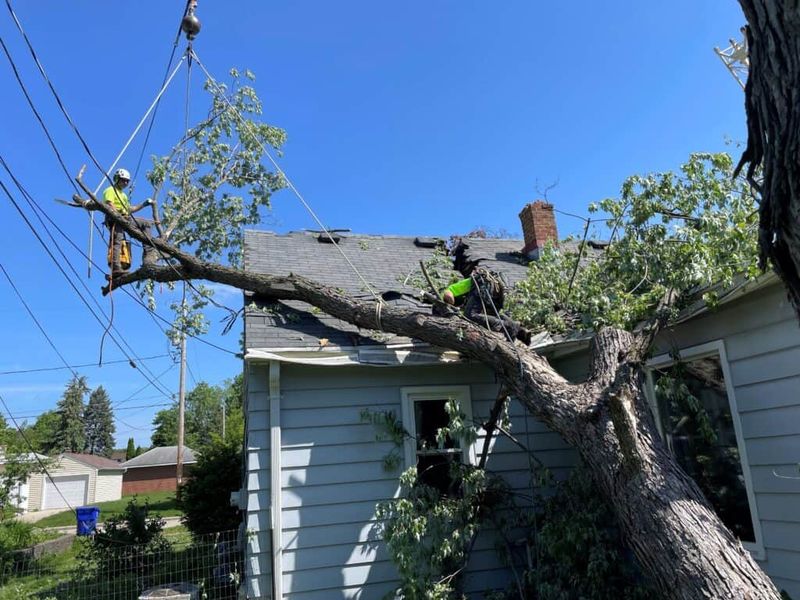
Safety comes before cleanup. Downed power lines can be live even when they look dead, and a tree touching a wire can carry that danger too.
ReadyWisconsin’s power outage guidance says to stay at least 35 feet away from downed lines and anything touching them, and to report the lines to your local utility.
Keep children and pets away as well. Do not try to move a branch that is resting on or near a wire.
Fallen trees can also hold hidden force. A trunk pinned against a structure or another tree may be under tension, and it can snap or roll without warning when cut.
Large trees and high, hanging limbs are poor jobs for a weekend chainsaw.
UW-Madison Extension, in its guide to assessing wind and storm damaged trees, recommends considering a licensed arborist for large suspect trees near homes, buildings, sidewalks, or streets, and for high or difficult storm-damaged branches.
Ask for proof of insurance and written estimates, and take photos before work starts. Your insurer may also want to see the damage first.
A tree in a highway follows a different rule
A tree lying in a road is a different situation from one lying in a yard. Wisconsin has a specific law for highways, and it should not be stretched to cover a tree in a neighbor’s backyard.
Under Wisconsin Statute 86.03, the owner or occupant of adjacent land must immediately remove a tree that falls into a highway. The statute also assigns a removal duty to the officer responsible for maintaining the highway.
Those duties apply to trees that fall into the highway. They are not a general cleanup rule for a tree resting on a private lawn, fence, or roof.
Your insurance questions about that tree still follow the earlier sections of this guide.
If a tree is blocking or hanging over a roadway, do not wait to sort out ownership. Stay out of traffic, keep a safe distance, and contact the relevant road authority, such as the local police, the county highway department, or the state transportation office, depending on the road.
When public property or a right-of-way is involved, local rules may also apply, so find out who is responsible for the road before you act.
Start with your policy, then sort out responsibility
Begin with a call to your own insurer about the damage, and ask how your deductible and policy terms apply. Document the loss with photos, a list of items, and receipts.
Check your policy wording on tree removal, since coverage often depends on what the tree damaged.
Only after that, weigh your neighbor’s possible liability, and only if the facts point to a tree they knew or should have known was dangerous. No step here promises a particular result.
A fallen tree is a messy problem, but it gets simpler when you take the questions one at a time.
Share this story