Get the latest garden guides in your inbox →
Gardening Latest
  • General Gardening
  • Lawn Care
  • Plant Care
  • Composting
  • Soil Health
  • Backyard
  • Garden Muse Magazine
  • General Gardening
  • Lawn Care
  • Plant Care
  • Composting
  • Soil Health
  • Backyard
  • Garden Muse Magazine
  • News
  • Gardening Calendar
  • Garden Structures
  • Vegetable Garden
  • Vertical Garden
  • Raised Beds
  • Hydroponics
  • General Equipment
  • Community Gardens
Garden Themes
  • Spiritual Garden
  • Hydroseeding
  • Seeding and Laying Sod
  • Artificial Grass
  • Lawn Care Equipment
  • Plants
  • Trees
  • Planting Tools
  • Composting Basics
  • Fertilizer
  • Alternative Growing Mediums
  • Front Yard
  • Backyard Activities
  • Landscaping
Gardening Latest

Explore by state

Which state is your garden in?

Currently viewing Wisconsin

All states

Northeast

  • Connecticut —
  • Delaware 23
  • Maine —
  • Maryland 9
  • Massachusetts 25
  • New Hampshire —
  • New Jersey 9
  • New York 18
  • Pennsylvania 18
  • Rhode Island —
  • Vermont —

Southeast

  • Alabama 9
  • Arkansas —
  • Florida 9
  • Georgia 9
  • Kentucky 23
  • Louisiana 8
  • Mississippi —
  • North Carolina 7
  • South Carolina 22
  • Tennessee 6
  • Virginia 8
  • West Virginia —

Midwest

  • Illinois 8
  • Indiana 10
  • Iowa 22
  • Kansas —
  • Michigan 9
  • Minnesota 8
  • Missouri 8
  • Nebraska —
  • North Dakota —
  • Ohio 9
  • South Dakota —
  • Wisconsin 24

Southwest

  • Arizona 8
  • Colorado —
  • Nevada —
  • New Mexico —
  • Oklahoma —
  • Texas 7
  • Utah —

West

  • Alaska —
  • California 8
  • Hawaii —
  • Idaho —
  • Montana —
  • Oregon —
  • Washington —
  • Wyoming —

No state matches that search.

Site menu

Gardening Latest
  • General Gardening
    • News
    • Gardening Calendar
    • Garden Structures
    • Vegetable Garden
    • Vertical Garden
    • Raised Beds
    • Hydroponics
    • General Equipment
    • Community Gardens
    Garden Themes
    • Spiritual Garden
  • Lawn Care
    • Hydroseeding
    • Seeding and Laying Sod
    • Artificial Grass
    • Lawn Care Equipment
  • Plant Care
    • Plants
    • Trees
    • Planting Tools
  • Composting
    • Composting Basics
  • Soil Health
    • Fertilizer
    • Alternative Growing Mediums
  • Backyard
    • Front Yard
    • Backyard Activities
    • Landscaping
  • Garden Muse Magazine

Explore

  • About GardeningLatest.com
  • Contact Us

Get the latest from the garden

New guides on lawn care, plants and backyard projects, sent when they go up.

Subscribe →

Follow

  • Facebook
  • X
  • Pinterest
  • YouTube
Wisconsin Gardening

Here’s How To Recognize Every Venomous Creature That Shares Your Wisconsin Yard

Your Wisconsin backyard is full of life, from buzzing flowers to rustling leaf piles.

HB

By Heidi Brandt

November 23, 2026 · 6 min read

Here’s How To Recognize Every Venomous Creature That Shares Your Wisconsin Yard
Here's How To Recognize Every Venomous Creature That Shares Your Wisconsin Yard

Your Wisconsin backyard is full of life, from buzzing flowers to rustling leaf piles. A few of those neighbors carry venom, and knowing what they look like can save you from a painful surprise.

The good news is that most of them want nothing to do with you. Learn their faces and markings, and you can enjoy your yard with confidence instead of worry.

At a glance

Where
Wisconsin Gardening
Hardiness zone
5 −20 to −10°F
Read
6 minutes
Published
November 23, 2026

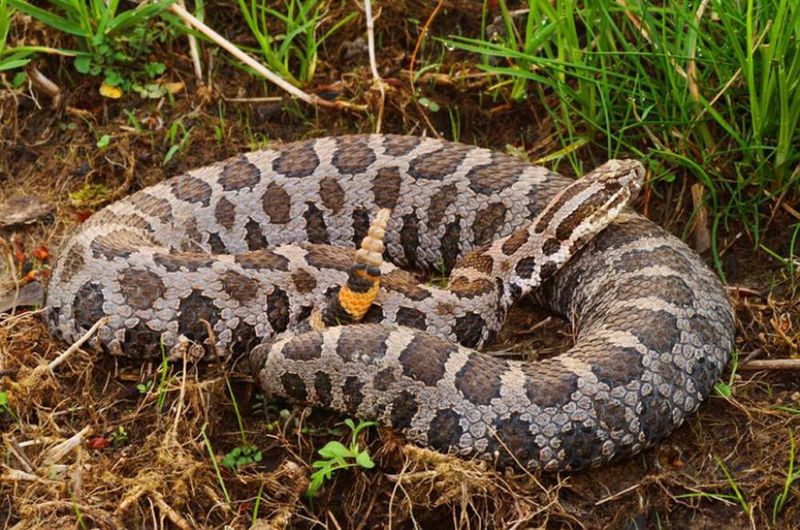
1. Eastern Massasauga Rattlesnake

Eastern Massasauga Rattlesnake
© Climate Change Response Framework

Picture a chunky snake about two feet long, resting quietly in damp grass near a marsh. That shy reptile is the eastern massasauga, one of Wisconsin’s rarest residents and a federally threatened species.

Look for a gray or tan body covered in dark brown, saddle-shaped blotches, plus a small rattle at the tail tip. The head is triangular, and the pupils are vertical like a cat’s.

Most sightings happen in wetlands and nearby fields in the western and central parts of the state.

If you live near bogs or river bottoms, keep an eye out in spring and fall when these snakes move between habitats. Bites are extremely rare because massasaugas would much rather hide.

Give it space, keep pets away, and call a local wildlife office if one wanders close to your house.

2. Timber Rattlesnake
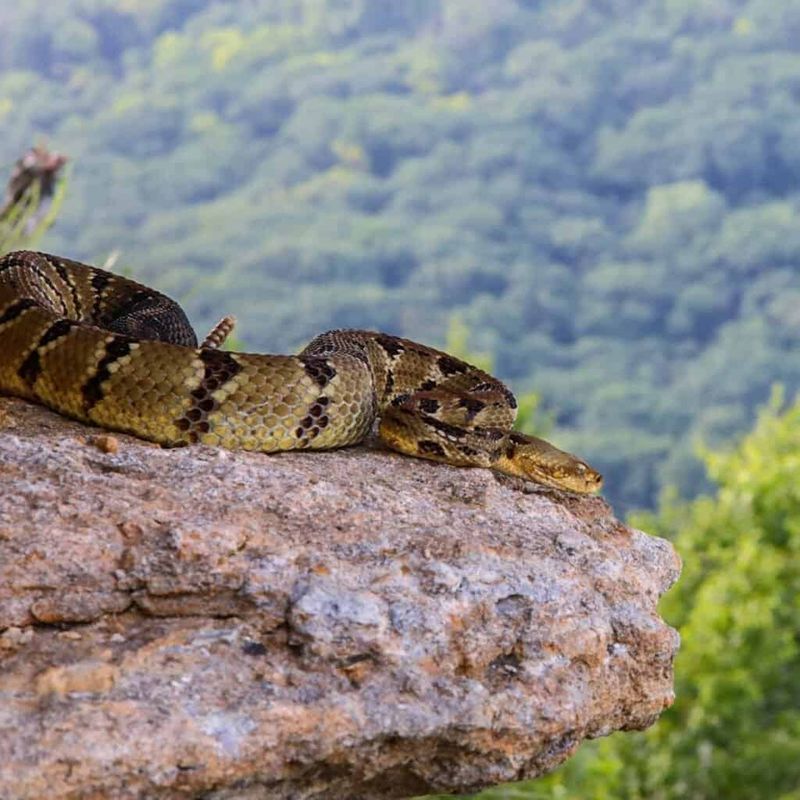
Timber Rattlesnake
© A-Z Animals

Hikers in the Driftless Area sometimes hear a dry buzz before they see anything. That warning sound belongs to the timber rattlesnake, Wisconsin’s largest venomous snake, which can stretch past four feet.

Its colors range from yellow to dark brown, crossed by black zigzag bands that look like chevrons. The tail is usually solid black, ending in a rattle.

You will mostly find timbers on sunny, rocky bluffs along the Mississippi and Wisconsin rivers.

Fun fact: timber rattlesnakes can live over 30 years and often return to the same winter den for decades. They are protected in Wisconsin, so never harm one.

Back away slowly and let it continue on its calm, unhurried route.

3. Northern Black Widow Spider
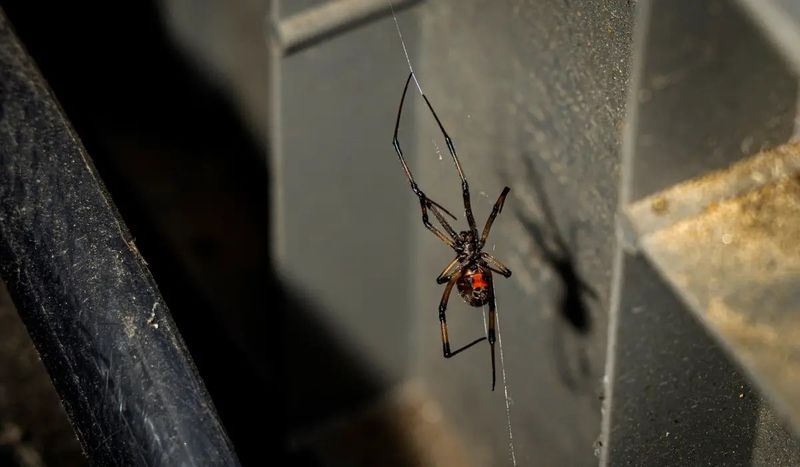
Northern Black Widow Spider
© Rigo Pest Prevention

Woodpiles, old flower pots, and dark corners of a garden shed are favorite hideouts for the northern black widow. Yes, they really do live in Wisconsin, though they are not common.

The female is shiny black with a round abdomen about the size of a pea. Instead of a full hourglass, the northern species often shows a red hourglass split into two pieces, plus a row of red spots on top.

Walk barefoot through blooming clover and you might learn this lesson the hard way.

Webs look tangled and messy rather than neat and circular.

A bite can cause muscle cramps and pain, so wear gloves when you move firewood or clean out storage bins. Medical care is a smart idea if you think you have been bitten.

4. Brown Recluse Spider
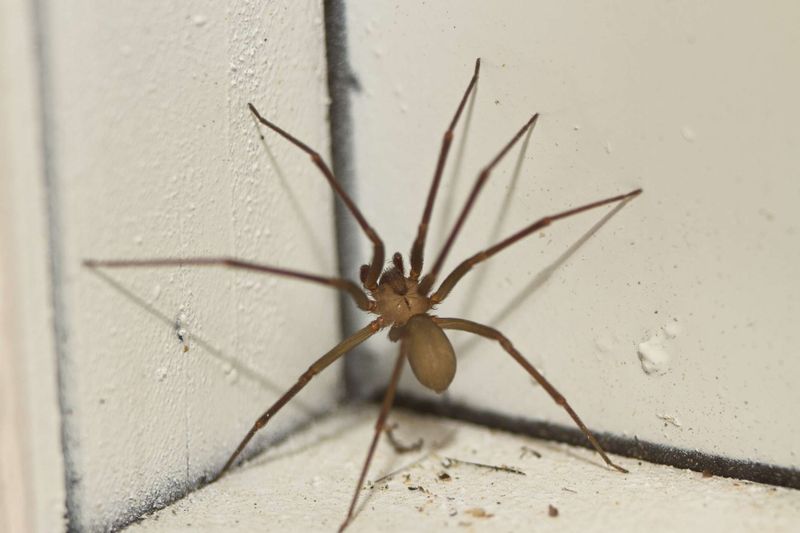
Brown Recluse Spider
© HEALTH

Here’s a twist: the brown recluse is not truly native to Wisconsin. Most spiders called recluses here turn out to be harmless look-alikes, but a few have hitched rides in moving boxes and shipments.

A real recluse is light brown with a darker violin shape on its back, with the neck of the violin pointing toward the rear. The best clue is the eyes.

Recluses have six eyes arranged in three pairs, while most spiders have eight.

If you find a suspicious spider, catch it in a jar and ask a university extension office to check it. Bites can cause skin sores, so treat any confirmed specimen seriously.

5. Eastern Yellowjacket
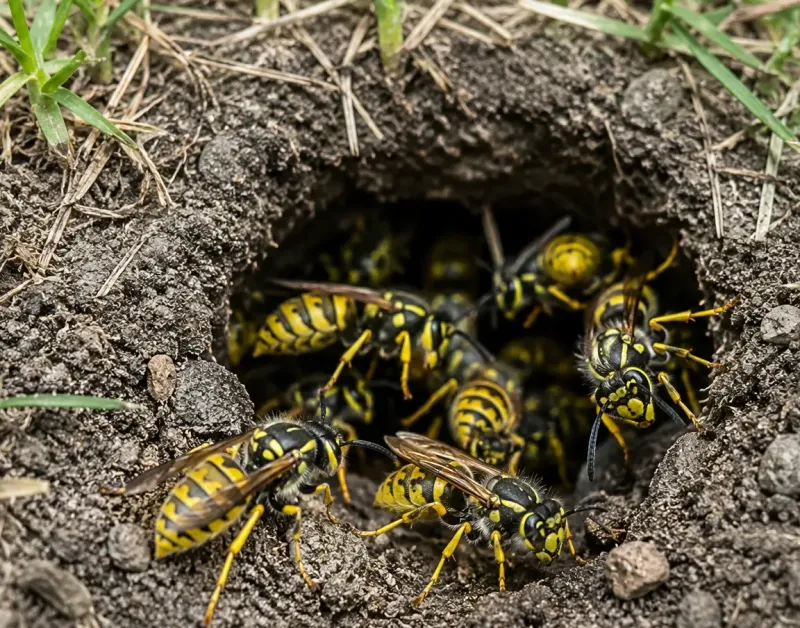
Eastern Yellowjacket
© Acme Wildlife Removal And Pest Control Toronto

Late August cookouts would not be complete without an uninvited guest diving at your soda. Meet the yellowjacket, the most likely venomous creature to sting anyone in a Wisconsin yard.

They are smaller and sleeker than honeybees, with bold yellow and black stripes and almost no fuzz. Many nest underground, so a lawnmower passing over a hole can trigger an angry swarm.

Unlike bees, they can sting again and again.

Cover drinks outdoors and watch for steady traffic in and out of a ground hole. If someone has trouble breathing after a sting, get emergency help right away.

6. Bald-Faced Hornet
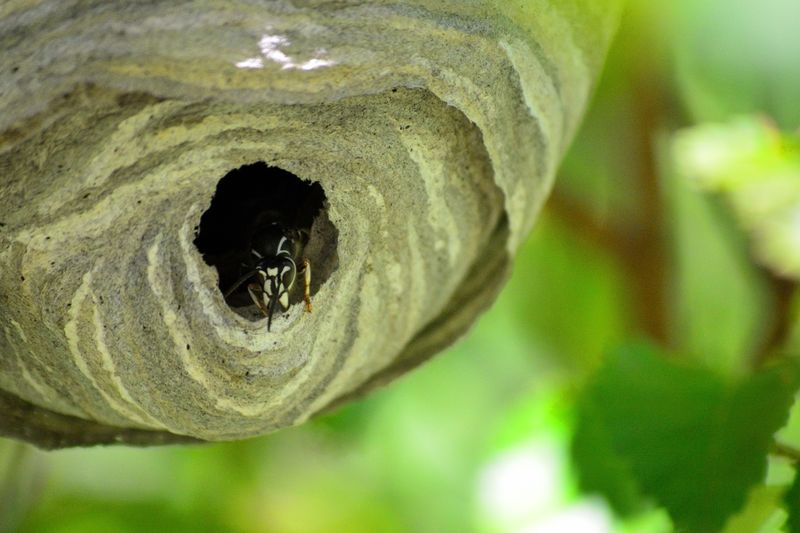
Bald-Faced Hornet
© American Pest Solutions

Ever spot a gray paper ball the size of a football swinging from a tree? Congratulations, you have found a bald-faced hornet nest, and you should probably admire it from far away.

Despite the name, this insect is actually a type of yellowjacket. It is black with creamy white markings on its face and the tip of its body.

Workers fiercely guard their homes and will chase intruders.

On the bright side, these hornets eat loads of flies and caterpillars. If the nest is far from paths, leave it alone, since the colony dies off with the first hard frost.

7. Honeybee
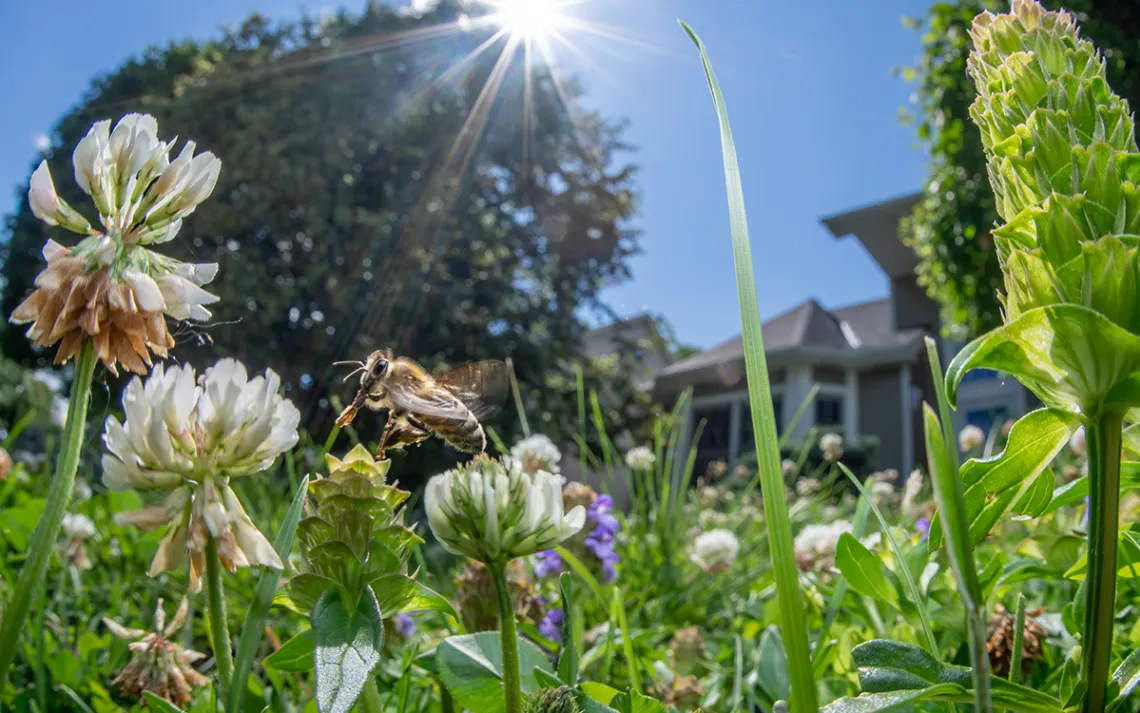
Honeybee
© Sierra Club

Walk barefoot through blooming clover and you might learn this lesson the hard way. Honeybees are gentle pollinators, yet they will sting if stepped on or squeezed.

They are golden brown with fuzzy bodies and darker bands, rounder and hairier than wasps. A honeybee leaves its barbed stinger behind, and the bee dies afterward.

Scrape the stinger out quickly with a fingernail or card to limit the venom.

Wisconsin farms and orchards rely on these hard workers. Wear shoes on flowering lawns and keep sweet drinks covered, and you will rarely have trouble.

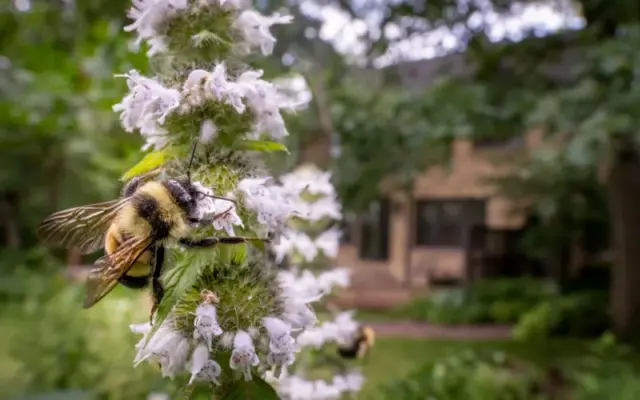
8. Bumblebee
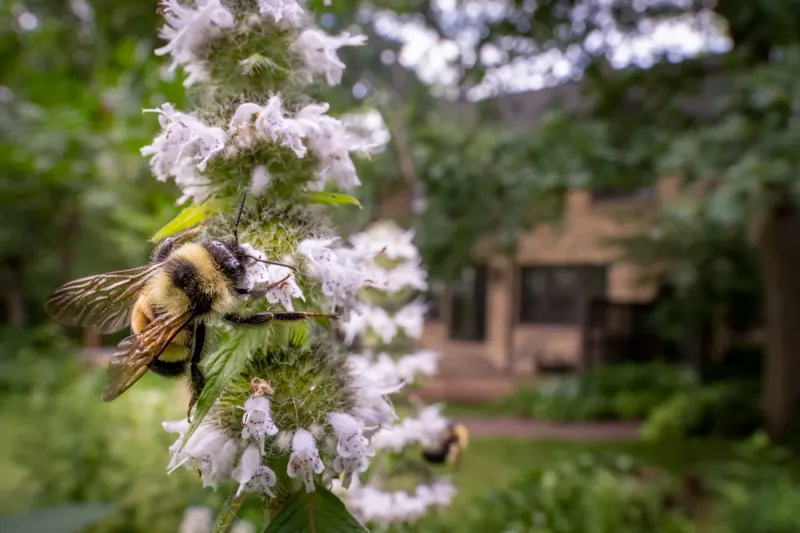
Bumblebee
© ANNE READEL

Big, round, and buzzing like a tiny helicopter, the bumblebee seems almost cartoonish. Wisconsin hosts about 20 species, including the endangered rusty patched bumblebee.

Bumblebees are larger and fluffier than honeybees, with thick yellow and black hair. Females can sting more than once, but they rarely do unless their nest is threatened.

Nests often sit in old mouse holes, under sheds, or in thick grass.

Plant native flowers like bee balm and coneflower to support them. If you find a nest, mark the area and mow around it for the season.

9. Northern Paper Wasp
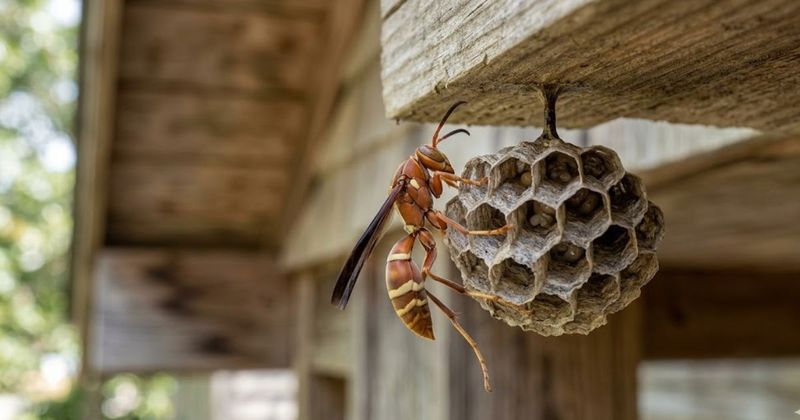
Northern Paper Wasp
© Pestiseed Pest Control

Check under your porch roof or deck railing. Those open, umbrella-shaped combs with visible cells belong to paper wasps.

The northern paper wasp is slender and mostly reddish brown with thin yellow stripes. Long legs dangle below it as it flies, a handy clue that separates it from yellowjackets.

Their stings hurt, but they are less aggressive than hornets.

Nests near doors can be removed early in spring when they are small. Otherwise, these wasps help gardens by hunting caterpillars.

10. Stinging Caterpillars
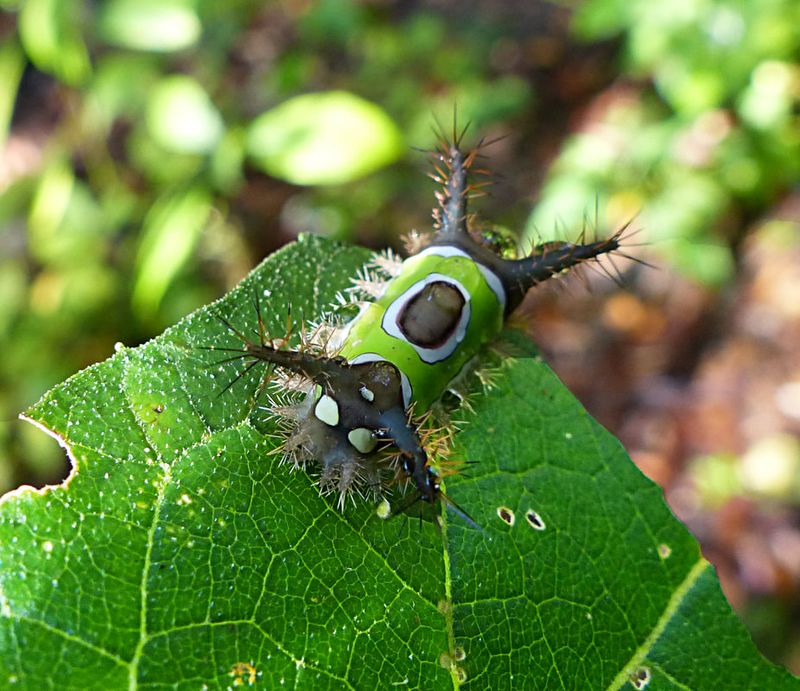
Stinging Caterpillars
© Amazing Nature! ​Photos by Nancy Goor

Not every venomous yard creature crawls on eight legs or flies. Some Wisconsin caterpillars pack hollow spines that inject venom when touched.

The saddleback caterpillar is green with a brown spot shaped like a saddle and spiky horns on both ends. The io moth caterpillar is lime green with a red and white side stripe and clusters of spines.

The hickory tussock caterpillar looks fuzzy white with black tufts and can cause itchy rashes.

Teach kids a simple rule: look, but never pet a fuzzy or spiky caterpillar. If stung, pressing tape on the skin can lift out broken spines.

Share this story

HB

Written by

Heidi Brandt

More from Heidi Brandt →

About Gardening Latest

Gardening Latest provides in-depth guides to maintaining and enhancing your garden and backyard. Learn how to make the most of the space you have and create a beautiful garden.

More about us →

Latest stories

  • Missouri GardeningLate-Night Coyote Howls Around Your Missouri Home Mean More Than You Think This Time of Year

    Late-Night Coyote Howls Around Your Missouri Home Mean More Than You Think This Time of Year

    15 min ago
  • Tennessee GardeningYou’re Hearing More Coyote Howls Near Your Tennessee Home at Night, and the Season Is Why

    You’re Hearing More Coyote Howls Near Your Tennessee Home at Night, and the Season Is Why

    21 min ago
  • Alabama GardeningAlabama, Eat Celery Every Day And Here’s What Your Body Starts Doing

    Alabama, Eat Celery Every Day And Here’s What Your Body Starts Doing

    27 min ago
  • Minnesota GardeningSeven Minnesota Birds That Stick Around All Winter and What They’ll Eat From Your Feeder

    Seven Minnesota Birds That Stick Around All Winter and What They’ll Eat From Your Feeder

    33 min ago
  • Illinois GardeningIllinois, This Is What Your Body Goes Through When You Eat Celery Every Day

    Illinois, This Is What Your Body Goes Through When You Eat Celery Every Day

    39 min ago

Gardening by state

Stories for your state, and the hardiness zone most of it gardens in.

Keep exploring

Read next

All Wisconsin Gardening →
Wisconsin GardeningDoes Eating Celery Every Day Change Your Body? What the Evidence Shows
Wisconsin Gardening

Does Eating Celery Every Day Change Your Body? What the Evidence Shows

3 hr ago
Wisconsin GardeningWisconsin Has Two Kinds of Bats That Spend the Whole Winter Inside People’s Homes
Wisconsin Gardening

Wisconsin Has Two Kinds of Bats That Spend the Whole Winter Inside People’s Homes

18 hr ago
Wisconsin GardeningSpotted an Opossum Near Your Wisconsin Home This Winter? Here’s Why, and What to Do
Wisconsin Gardening

Spotted an Opossum Near Your Wisconsin Home This Winter? Here’s Why, and What to Do

20 hr ago

More from Wisconsin Gardening

  • Those Little Mud Chimneys in Your Wisconsin Yard Could Be Crayfish Burrows

    Nov 21
  • Meet the Northern Short-Tailed Shrew, Wisconsin’s Venomous Mammal That Favors Habitats Like Deep Leaf Litter

    Nov 21
Back to top

Leave a response Cancel

Your email address stays private. Required fields are marked with an asterisk.

Gardening Latest

In-depth guides to maintaining and enhancing your garden and backyard: how to make the most of the space you have, and how to make it beautiful.

  • Facebook
  • X
  • Pinterest
  • YouTube

We may earn a portion of sales from products or services that are purchased through our site as part of our affiliate partnerships with retailers.

Explore

  • About GardeningLatest.com
  • Contact Us
  • Terms and Conditions
  • Privacy
  • Editorial Note:
  • FTC Disclosure

Newsletter

New garden guides and seasonal tips, straight to your inbox.

We’ll email you a link to confirm. Unsubscribe any time.

Almost there! Check your inbox and tap the link to confirm.

© 2026 Gardening Latest. All rights reserved.

Back to top