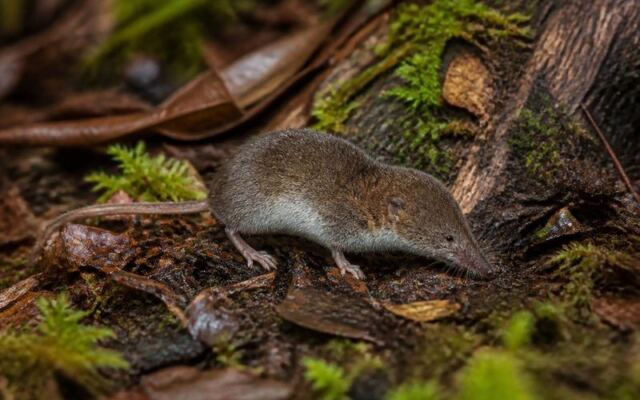
Kentucky really does have a tiny mammal with a venomous bite: the northern short-tailed shrew. Its saliva carries a toxin that researchers have studied, and shrews stay active even in winter.
That does not mean one is lurking under your yard right now, because lawn trails can come from several animals. Here is what is known, what is not, and how to stay calm and safe.
The northern short-tailed shrew is documented in Kentucky
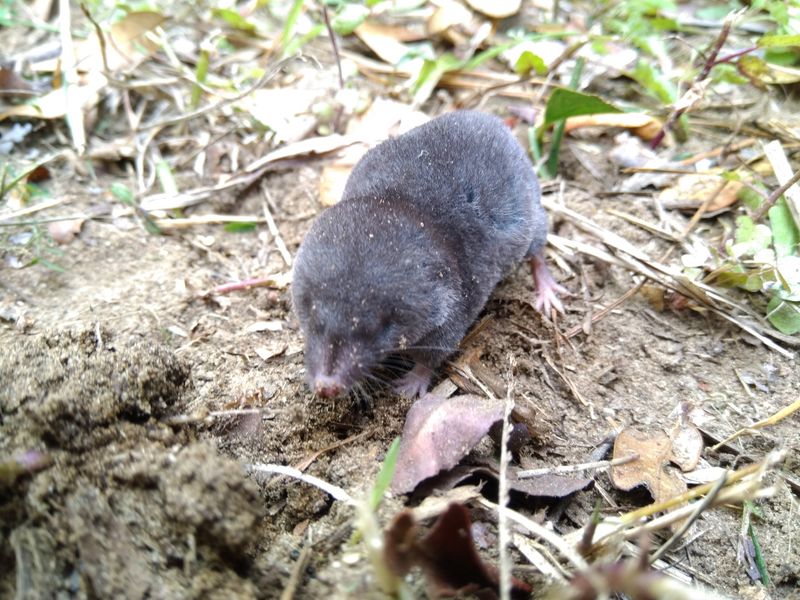
The animal behind the headline is the northern short-tailed shrew, Blarina brevicauda. It is a small, mole-like mammal with dense gray fur, tiny eyes, and a short tail.
Most people never see one, since it spends its time under leaves, logs, and soil.
Kentucky wildlife officials keep a tracked-species list, and the state species list includes the northern short-tailed shrew. That makes it a documented Kentucky mammal, not a rumor or a visitor from far away.
A Kentucky mammal study, a survey of mammals at Hazeldell Meadow State Nature Preserve, describes the species as statewide in distribution. In plain terms, it can turn up across Kentucky in suitable habitat such as woods, fields, and brushy edges.
Statewide does not mean everywhere. A species being found across a state tells you nothing about whether one lives beneath a particular lawn or in a particular neighborhood.
Some yards will have shrews nearby, and many will not.
There is one more name to know. The southern short-tailed shrew, Blarina carolinensis, also appears on the Kentucky list.
Being listed is a record of presence, though, and it does not by itself show that this cousin has confirmed venom. The best-supported venom story belongs to the northern species.
What research says about the shrew’s bite
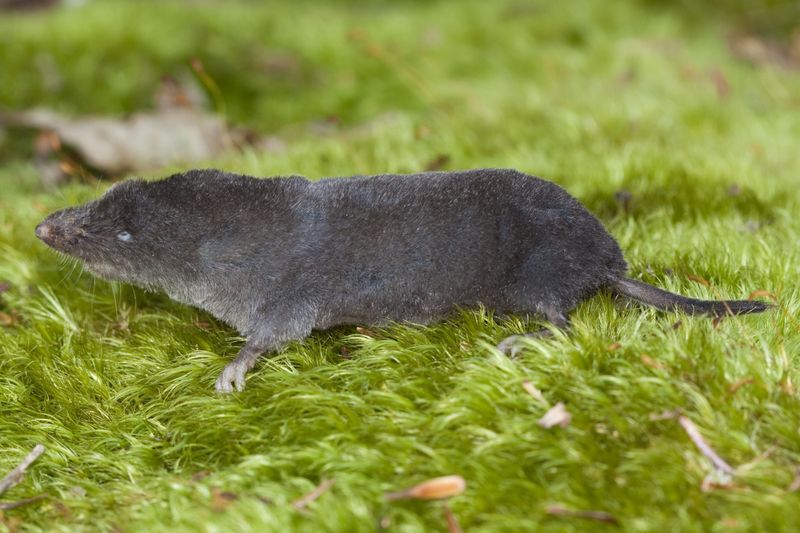
Scientists have a name for the shrew’s chemical weapon: Blarina toxin. In a PNAS study of Blarina toxin, researchers isolated and characterized a toxin from the saliva of Blarina brevicauda.
It was found to be toxic to various mammals, and a bite can deliver it.
That is why the word venomous fits. Venom is toxic saliva or fluid delivered by a bite, which is different from a poison you would get by touching or eating something.
For a tiny animal that hunts insects, worms, and other small prey, the toxin helps it handle meals that might otherwise fight back.
What about people? The same research reports a few human accounts of bites, describing burning near the puncture marks and some swelling.
Those are limited reports. They do not show that bites are common, and they do not show that bites are usually severe or put a number on the risk.
The finding is also specific. The strongest evidence applies to Blarina brevicauda, not to every shrew.
A review of venom use in shrews, moles, and relatives notes that several species thought to be possible or likely venom users have not been tested in experiments. So the safest wording is simple: one well-studied Kentucky shrew has a characterized toxin, and the rest of the group is less settled.
Winter activity does not locate a shrew under your lawn
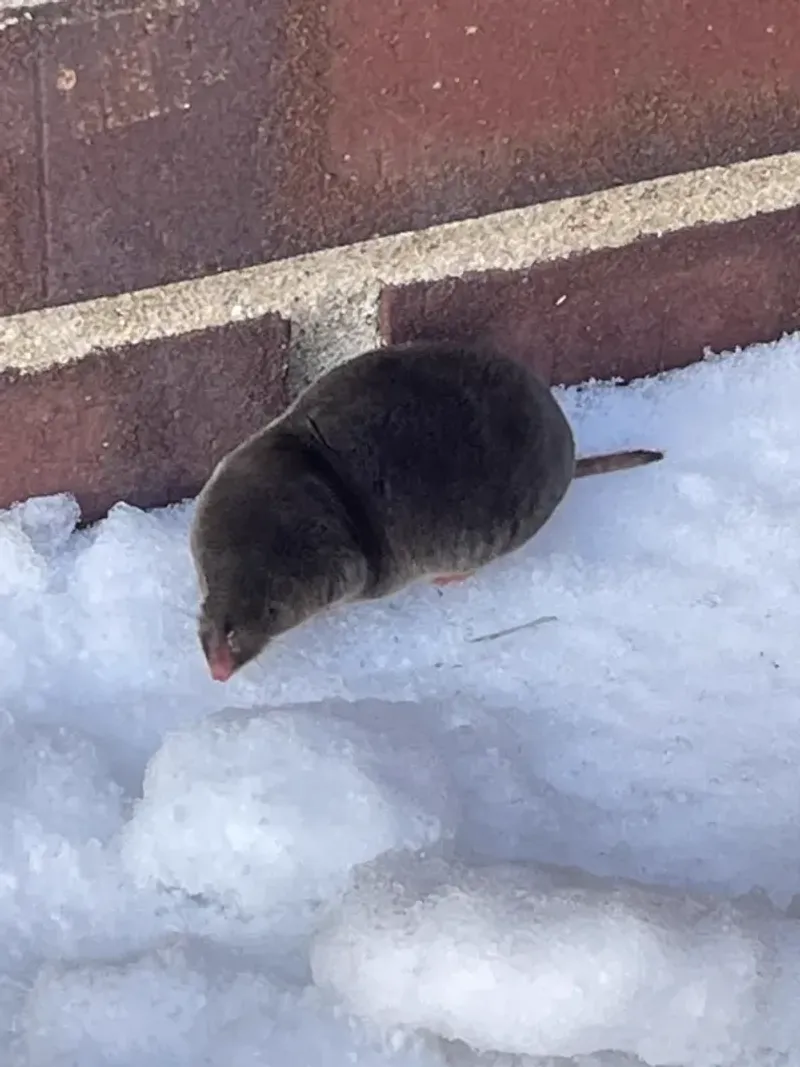
Cold weather does not shut shrews down. They do not hibernate, and the Pennsylvania Game Commission describes shrews as active year-round.
With a very fast metabolism, they keep searching for food through the colder months, tucked under leaf litter, snow, and soil.
Many short-tailed shrews also use tunnels. A Virginia wildlife profile of Kirtland’s short-tailed shrew, a subspecies, reports that it may use its own tunnels as well as those made by other animals.
That is a useful clue about how the group behaves.
It is not a map of your yard, though. A Virginia description of one subspecies cannot tell you what is going on beneath a particular Kentucky property.
Whether a shrew visits depends on cover, food, soil, and what other tunnel builders have been up to.
So the headline’s picture of a shrew hunting under your lawn all winter is a bit too tidy. The honest version is that shrews stay active in winter and may borrow runways, which makes it possible, not certain, that one passes through.
Without seeing the animal, no one can say it is there.
Read the lawn signs before naming the animal
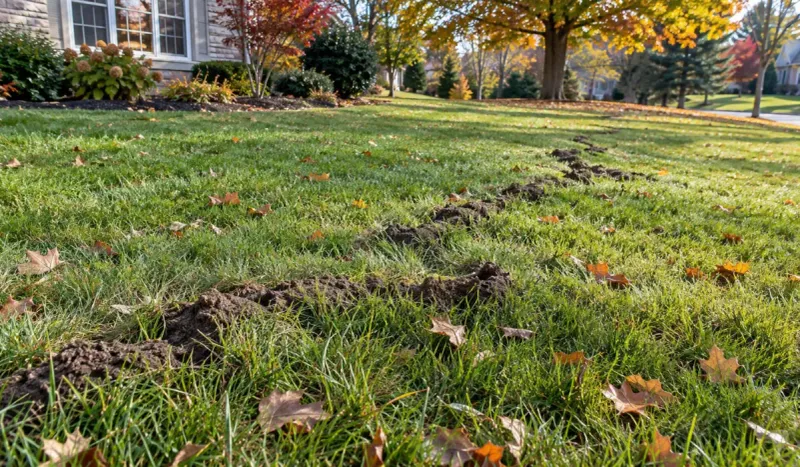
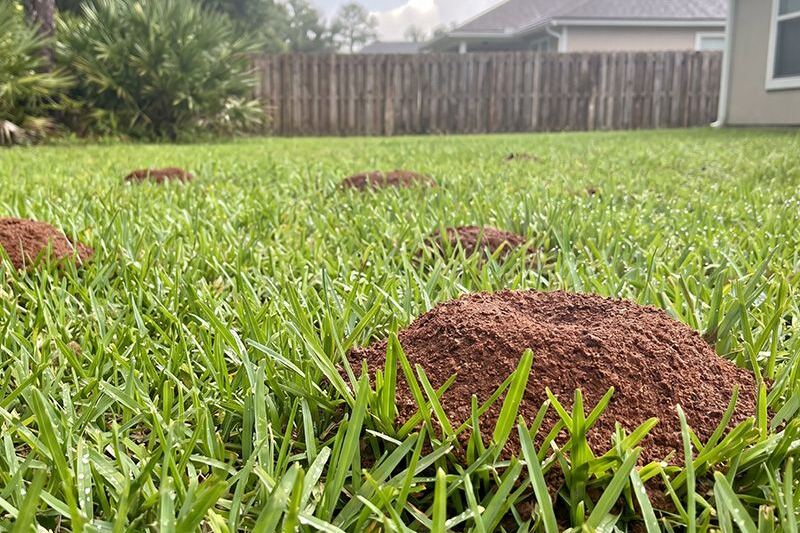
Lawn clues can point you toward the likely culprit, as long as you read them carefully. According to the National Institute of Environmental Health Sciences, moles make underground runs and raised ridges, while voles make surface trails and can gnaw on plants.
Picture the difference. A mole ridge looks like a thin, puffy line of lifted turf, as if something were pushing along just below the surface.
A vole trail is more like a narrow path worn into the grass, often with clipped stems along its edges.
Winter adds its own signs. University of Nebraska Extension guidance on vole damage connects surface runways and gnawed bark on young trees and shrubs with voles.
When the snow melts, those runways often show up as winding brown lines in the grass.
Here is the catch for shrew curiosity. Shrews may reuse mole or vole tunnels, so a ridge, a runway, or a chewed trunk does not identify a shrew.
Gnawing in particular points away from them, since shrews are mainly hunters of small animals rather than plant chewers.
A practical approach is to photograph the sign, note whether it is a raised ridge, a surface trail, or bark damage, and match it to the mole or vole pattern first. If you need certainty about what is living in your yard, a local extension office or wildlife professional can help.
Keep your distance and know what to do after a bite
The best plan around any wild animal is to let it be. CDC wildlife guidance advises keeping your distance from wild animals and not handling unfamiliar wildlife.
That covers shrews. Do not pick one up, corner it, or try to move it by hand.
If you find one indoors or in a garage, give it an easy way out, such as an open door, and keep pets and children away. Most encounters end with the animal simply leaving.
Bites are not something a lawn makes likely. Nothing here suggests that people are commonly bitten or that yard time carries a routine threat.
This advice is simply for the rare case where contact happens.
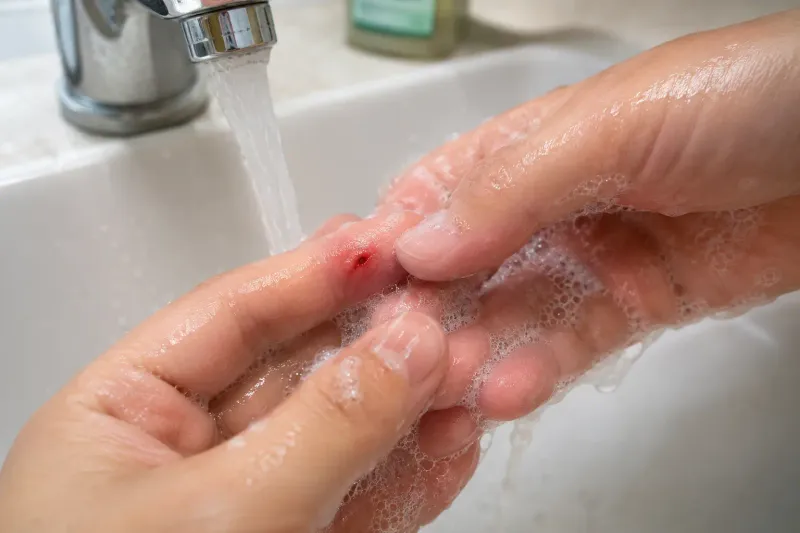
If you are bitten, wash the wound promptly with soap and water. Then seek medical advice, especially if the skin is broken, the wound gets worse or swells, or you have worries about tetanus or rabies.
The CDC’s rabies care guidance is general advice for wildlife and bite care, not a statement that shrews carry a specific rabies risk. A call to a doctor or health department is a sensible way to sort out what applies to your situation.
Use caution, not lawn signs as a diagnosis
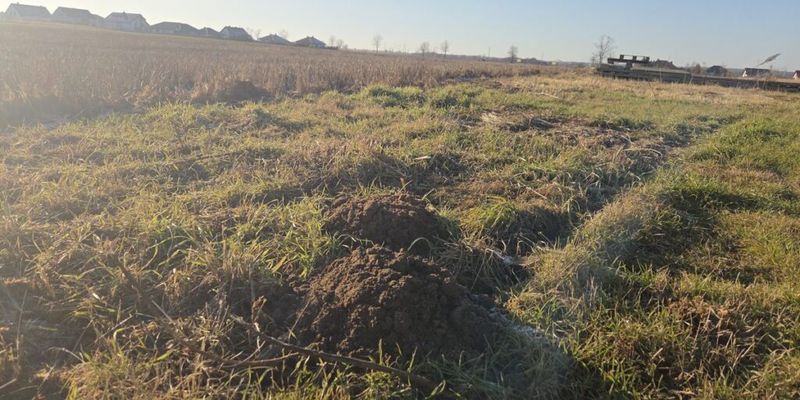
A winter trail across the grass is a puzzle, not a confession. Ridges and runways match what moles and voles are known to leave behind, so they cannot tell you a shrew is present.
Treat any wild animal the way the CDC suggests: watch from a distance and keep your hands to yourself.
The shrew may be a fascinating neighbor, but the lawn will keep its secrets until you actually see the animal.
Share this story