Get the latest garden guides in your inbox →
Gardening Latest
  • General Gardening
  • Lawn Care
  • Plant Care
  • Composting
  • Soil Health
  • Backyard
  • Garden Muse Magazine
  • General Gardening
  • Lawn Care
  • Plant Care
  • Composting
  • Soil Health
  • Backyard
  • Garden Muse Magazine
  • News
  • Gardening Calendar
  • Garden Structures
  • Vegetable Garden
  • Vertical Garden
  • Raised Beds
  • Hydroponics
  • General Equipment
  • Community Gardens
Garden Themes
  • Spiritual Garden
  • Hydroseeding
  • Seeding and Laying Sod
  • Artificial Grass
  • Lawn Care Equipment
  • Plants
  • Trees
  • Planting Tools
  • Composting Basics
  • Fertilizer
  • Alternative Growing Mediums
  • Front Yard
  • Backyard Activities
  • Landscaping
Gardening Latest

Explore by state

Which state is your garden in?

Currently viewing Louisiana

All states

Northeast

  • Connecticut —
  • Delaware 27
  • Maine —
  • Maryland 13
  • Massachusetts 29
  • New Hampshire —
  • New Jersey 13
  • New York 22
  • Pennsylvania 22
  • Rhode Island —
  • Vermont —

Southeast

  • Alabama 13
  • Arkansas —
  • Florida 13
  • Georgia 13
  • Kentucky 27
  • Louisiana 12
  • Mississippi —
  • North Carolina 11
  • South Carolina 26
  • Tennessee 10
  • Virginia 12
  • West Virginia —

Midwest

  • Illinois 12
  • Indiana 14
  • Iowa 26
  • Kansas —
  • Michigan 13
  • Minnesota 12
  • Missouri 12
  • Nebraska —
  • North Dakota —
  • Ohio 13
  • South Dakota —
  • Wisconsin 28

Southwest

  • Arizona 12
  • Colorado —
  • Nevada —
  • New Mexico —
  • Oklahoma —
  • Texas 11
  • Utah —

West

  • Alaska —
  • California 12
  • Hawaii —
  • Idaho —
  • Montana —
  • Oregon —
  • Washington —
  • Wyoming —

No state matches that search.

Site menu

Gardening Latest
  • General Gardening
    • News
    • Gardening Calendar
    • Garden Structures
    • Vegetable Garden
    • Vertical Garden
    • Raised Beds
    • Hydroponics
    • General Equipment
    • Community Gardens
    Garden Themes
    • Spiritual Garden
  • Lawn Care
    • Hydroseeding
    • Seeding and Laying Sod
    • Artificial Grass
    • Lawn Care Equipment
  • Plant Care
    • Plants
    • Trees
    • Planting Tools
  • Composting
    • Composting Basics
  • Soil Health
    • Fertilizer
    • Alternative Growing Mediums
  • Backyard
    • Front Yard
    • Backyard Activities
    • Landscaping
  • Garden Muse Magazine

Explore

  • About GardeningLatest.com
  • Contact Us

Get the latest from the garden

New guides on lawn care, plants and backyard projects, sent when they go up.

Subscribe →

Follow

  • Facebook
  • X
  • Pinterest
  • YouTube
Louisiana Gardening

If an Asp Caterpillar Stings You in Your Louisiana Garden, Here’s What to Do Right Away

If an asp caterpillar stings you, step away from it, press sticky tape on the spot, lift the tape off, wash…

CB

By Celeste Boudreaux

November 24, 2026 · 5 min read

If an Asp Caterpillar Stings You in Your Louisiana Garden, Here’s What to Do Right Away
If an Asp Caterpillar Stings You in Your Louisiana Garden, Here's What to Do Right Away

If an asp caterpillar stings you, step away from it, press sticky tape on the spot, lift the tape off, wash the skin, and cool it with a wrapped cold pack. Louisiana gardeners can brush against this fuzzy caterpillar while pruning, raking, or trimming.

The sting hurts far more than its small size suggests. Knowing the steps ahead of time can make a bad moment easier to handle.

At a glance

Where
Louisiana Gardening
Hardiness zone
9 20 to 30°F
Read
5 minutes
Published
November 24, 2026

What to do right after skin contact

What to do right after skin contact
© FOX 7 Austin

Step back from the caterpillar first, and keep your bare hands off it. Grabbing it or swatting it can push more hairs into your skin.

If it is still on you, flick it off with a stick, a folded paper, or a gloved hand.

Next, take sticky tape, such as packing tape or cellophane tape, and gently press it onto the exposed skin. Lift it straight away, and repeat with a fresh piece if you see more hairs or spines.

Poison Control advises this tape method for sting spots.

The tape is meant to lift off remaining hairs or spines. It does not pull out all the venom, it cannot promise relief, and it will not prevent a strong reaction in every person.

Still, getting those hairs off the skin is a sensible first move.

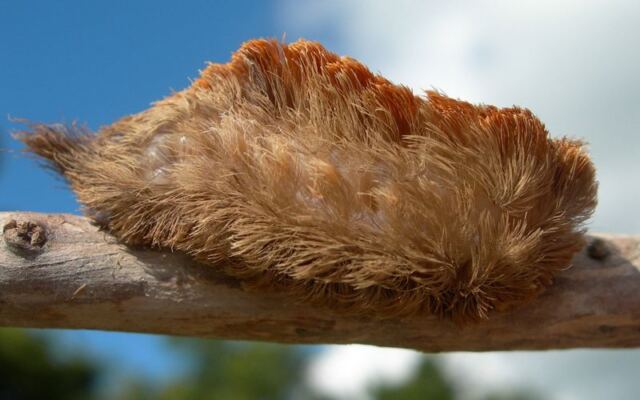
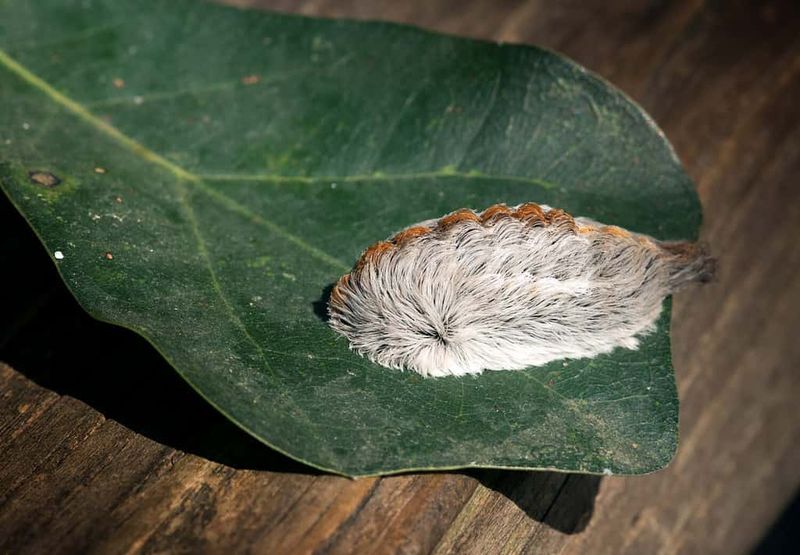
The asp is the local name for the puss caterpillar. The LSU AgCenter explains that its soft-looking hair hides venomous spines.

That is why a gentle approach works better than rubbing or scratching the area.

Wash the skin and cool the area
Wash the skin and cool the area
© GoodRx

Once the tape is done, wash the area gently with soap and water. Skip hard scrubbing, since that can irritate skin that is already sore.

Pat it dry with a clean towel.

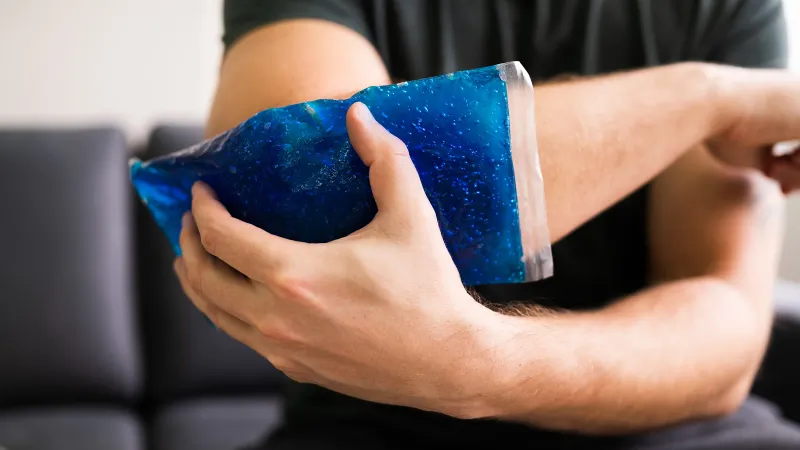
After washing, apply a cold pack or ice wrapped in a cloth. Never place ice straight on the skin.

Call 911 for difficulty breathing, fainting, swelling of the lips, face, or tongue, or difficulty swallowing.

MedlinePlus suggests using ice for 10 minutes on and then 10 minutes off.

Think of these steps as ways to ease the discomfort, not as a cure. Poison Control describes washing and cold as basic care for a sting.

The sources do not show that any special home remedy works as an antidote.

So there is no need to hunt through the kitchen cabinet. Soap, water, tape, and a wrapped cold pack cover the basics.

Keep an eye on how you feel over the next few hours.

A sting can cause pain, redness, and a rash
A sting can cause pain, redness, and a rash
© Chron

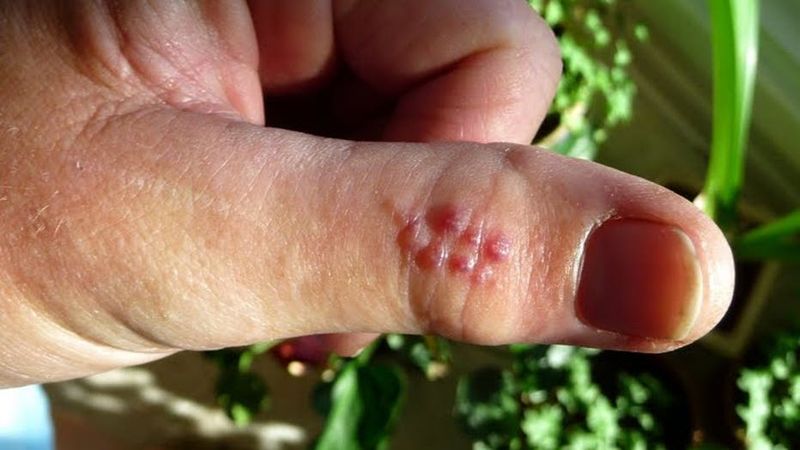
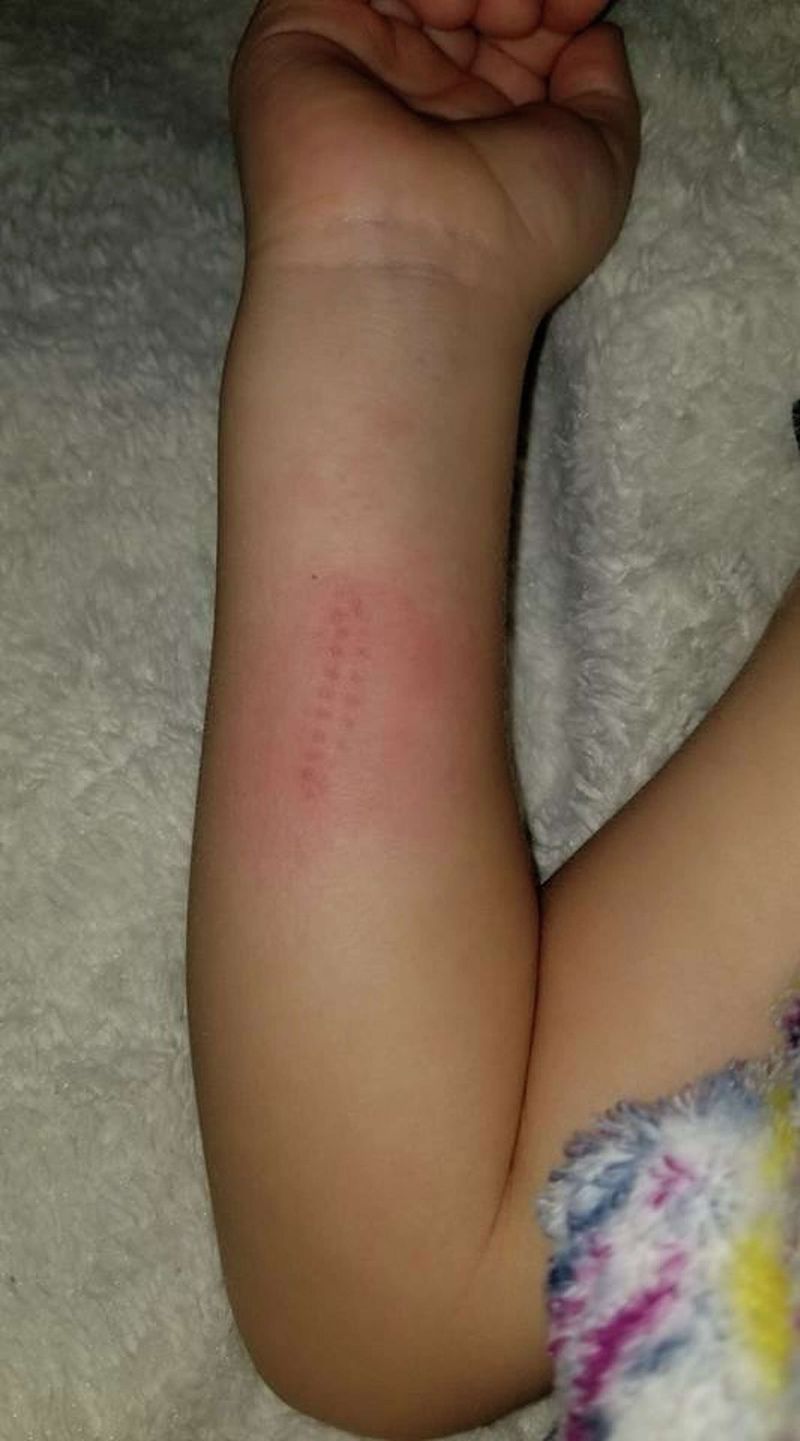
Most people feel the sting right away as intense burning pain. The skin around it often turns red and swells.

Some people also see a blistering rash, and it can form a pattern that matches the shape of the caterpillar’s body.

These local signs are the usual picture, and they can look dramatic without meaning something dangerous. The spot may throb or ache and feel tender to the touch.

Seeing redness and swelling right at the contact site is common.

How long it hurts varies a lot from person to person. The MSD Manual says the pain usually fades in about an hour.

LSU AgCenter reports that it can last more than 24 hours.

Because the sources differ, plan for the longer end. Do not assume the pain will be gone in an hour.

If the pain drags on, keep using the cold pack in cycles and rest the area.

Know when to get emergency help
Know when to get emergency help
© Verywell Health

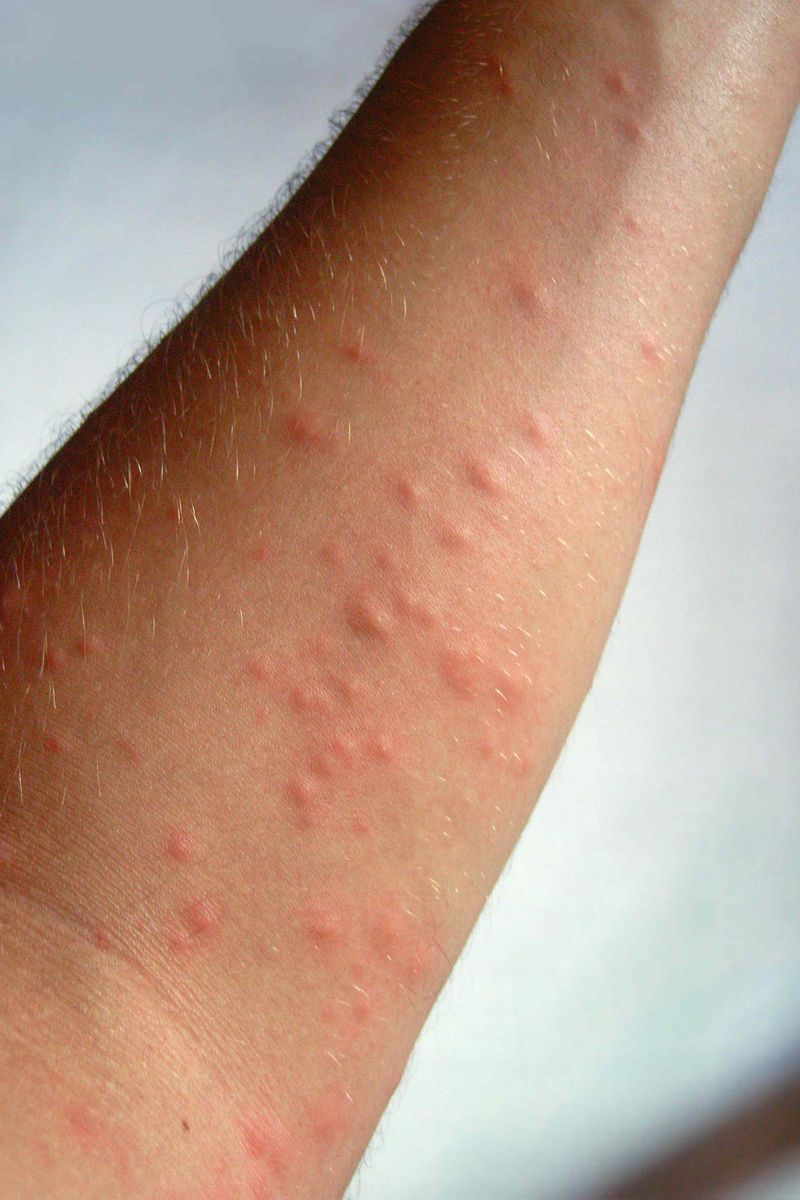
Serious reactions are uncommon, but they need fast action. Call 911 for difficulty breathing, fainting, swelling of the lips, face, or tongue, or difficulty swallowing.

Poison Control notes that a severe allergic reaction is possible but rare.

Other effects beyond the skin are also uncommon. LSU AgCenter documents symptoms such as nausea, vomiting, and muscle spasms.

If you notice these after a sting, get medical advice rather than waiting it out.

Eye, mouth, and inhalation exposures are different from a skin sting. If hairs get in an eye, flush it promptly with water and seek medical advice.

Never put tape in the eye.

For hairs that reach the mouth or are breathed in, get prompt medical advice, and do not try to treat it at home. MedlinePlus advises medical care for these situations.

For exposure guidance in the United States, Poison Help is available at 1-800-222-1222. It does not replace 911 when symptoms are serious.

Season and host plants can offer clues
Season and host plants can offer clues
© A-Z Animals

Asp activity in Louisiana is not limited to one time of year. LSU AgCenter reports two generations, with caterpillars showing up in May through July and again from late July through October.

So a yard chore in early summer carries the same chance of contact as one in October.

The same LSU source lists plants where the species has been collected: oak, hackberry, elm, sycamore, plum, and rose. Checking these plants with gloves on is a smart habit.

Fences are not listed as a typical spot, so do not rely on them as a clue.

Fall does bring plenty of caterpillars, and LSU AgCenter’s fall caterpillar guide says activity continues into the season. That does not mean every fall caterpillar is an asp.

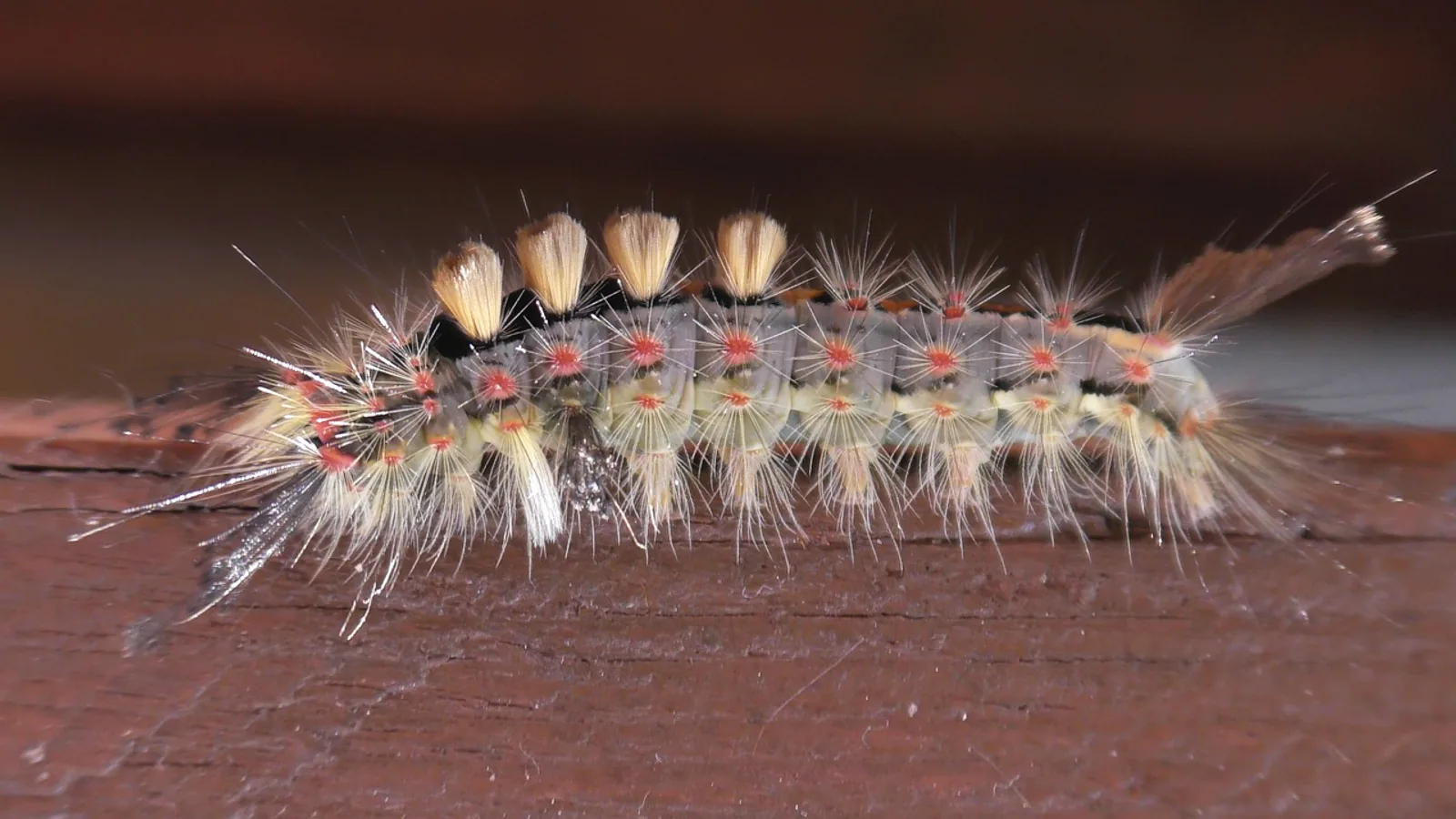
Other caterpillars can sting too. LSU AgCenter describes buck moth caterpillars as a common oak-related concern in South Louisiana in spring.

Season, location, and fuzziness alone cannot tell you what you met. If you are unsure, treat any sting with the same careful steps.

Photograph the caterpillar from a distance if you want help naming it.

Keep the first-aid steps simple
Keep the first-aid steps simple
© Zubair Khalid

Keep bare hands off the caterpillar, lift hairs or spines with tape, wash gently, and cool the spot with a wrapped cold pack. Poison Control’s guidance backs this order.

Act fast on any emergency warning sign, and seek advice for eye, mouth, or inhalation exposure, as MedlinePlus recommends.

A roll of tape in the garden bucket costs almost nothing and saves a scramble later.

Share this story
CB

Written by

Celeste Boudreaux

More from Celeste Boudreaux →

About Gardening Latest

Gardening Latest provides in-depth guides to maintaining and enhancing your garden and backyard. Learn how to make the most of the space you have and create a beautiful garden.

More about us →

Latest stories

  • Wisconsin GardeningFall Cleanup Left You With an Io Moth Caterpillar Sting in Wisconsin? Here’s What Helps Right Away

    Fall Cleanup Left You With an Io Moth Caterpillar Sting in Wisconsin? Here’s What Helps Right Away

    3 min ago
  • Missouri GardeningMissouri Yuccas Send Up Those Giant Flower Stalks for a Reason, So Should You Cut Them Off?

    Missouri Yuccas Send Up Those Giant Flower Stalks for a Reason, So Should You Cut Them Off?

    9 min ago
  • Tennessee GardeningTennessee Law Lets You Trim a Neighbor’s Overhanging Branches, as Long as You Stop at the Property Line

    Tennessee Law Lets You Trim a Neighbor’s Overhanging Branches, as Long as You Stop at the Property Line

    15 min ago
  • Alabama GardeningFall Brings Alabama’s Venomous Yard Critters Out Into The Open, Right Where You Garden

    Fall Brings Alabama’s Venomous Yard Critters Out Into The Open, Right Where You Garden

    21 min ago
  • Minnesota GardeningThe Venomous Rattlesnake Minnesota Still Protects Even Though Almost Nobody Has Seen One in Years

    The Venomous Rattlesnake Minnesota Still Protects Even Though Almost Nobody Has Seen One in Years

    27 min ago

Gardening by state

Stories for your state, and the hardiness zone most of it gardens in.

Keep exploring

Read next

All Louisiana Gardening →
Louisiana GardeningAs Louisiana Finally Cools Down, These Venomous Critters Start Turning Up In Your Yard
Louisiana Gardening

As Louisiana Finally Cools Down, These Venomous Critters Start Turning Up In Your Yard

39 min ago
Louisiana GardeningFrom Cottonmouths To Brown Recluses, Here’s How To Identify The Venomous Creatures In Louisiana Yards
Louisiana Gardening

From Cottonmouths To Brown Recluses, Here’s How To Identify The Venomous Creatures In Louisiana Yards

18 hr ago
Louisiana GardeningThose Coyote Howls Echoing Across Your Louisiana Yard at Night Have a Seasonal Explanation
Louisiana Gardening

Those Coyote Howls Echoing Across Your Louisiana Yard at Night Have a Seasonal Explanation

21 hr ago

More from Louisiana Gardening

  • Something Digs Through Louisiana Lawns Every Night, And By Morning You See The Damage

    Nov 22
  • Is Something Odd Growing Beneath Your Louisiana Pecan Tree? What It Could Be

    Nov 22
Back to top

Leave a response Cancel

Your email address stays private. Required fields are marked with an asterisk.

Gardening Latest

In-depth guides to maintaining and enhancing your garden and backyard: how to make the most of the space you have, and how to make it beautiful.

  • Facebook
  • X
  • Pinterest
  • YouTube

We may earn a portion of sales from products or services that are purchased through our site as part of our affiliate partnerships with retailers.

Explore

  • About GardeningLatest.com
  • Contact Us
  • Terms and Conditions
  • Privacy
  • Editorial Note:
  • FTC Disclosure

Newsletter

New garden guides and seasonal tips, straight to your inbox.

We’ll email you a link to confirm. Unsubscribe any time.

Almost there! Check your inbox and tap the link to confirm.

© 2026 Gardening Latest. All rights reserved.

Back to top