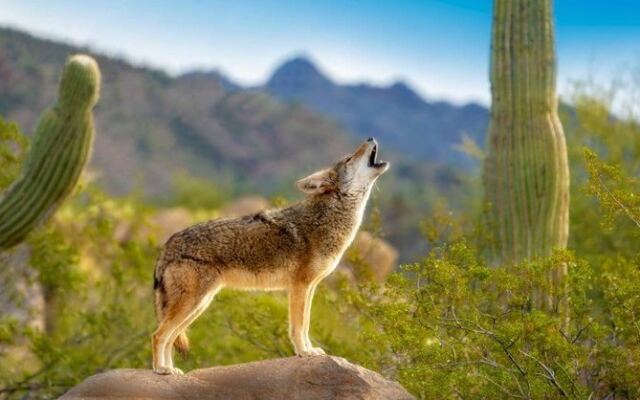
That eerie chorus of yips and howls after dark is coyotes talking to each other and keeping their distance from other coyotes. In late November, young coyotes leaving their family areas are one likely part of the seasonal picture, while the main Texas breeding period comes later in winter.
The sound can feel unsettling, but a howl by itself does not tell you what a coyote is doing or whether your yard is involved. Here is what the calls can and cannot tell you, and the simple steps that keep pets and yards safe.
Coyotes use calls to communicate
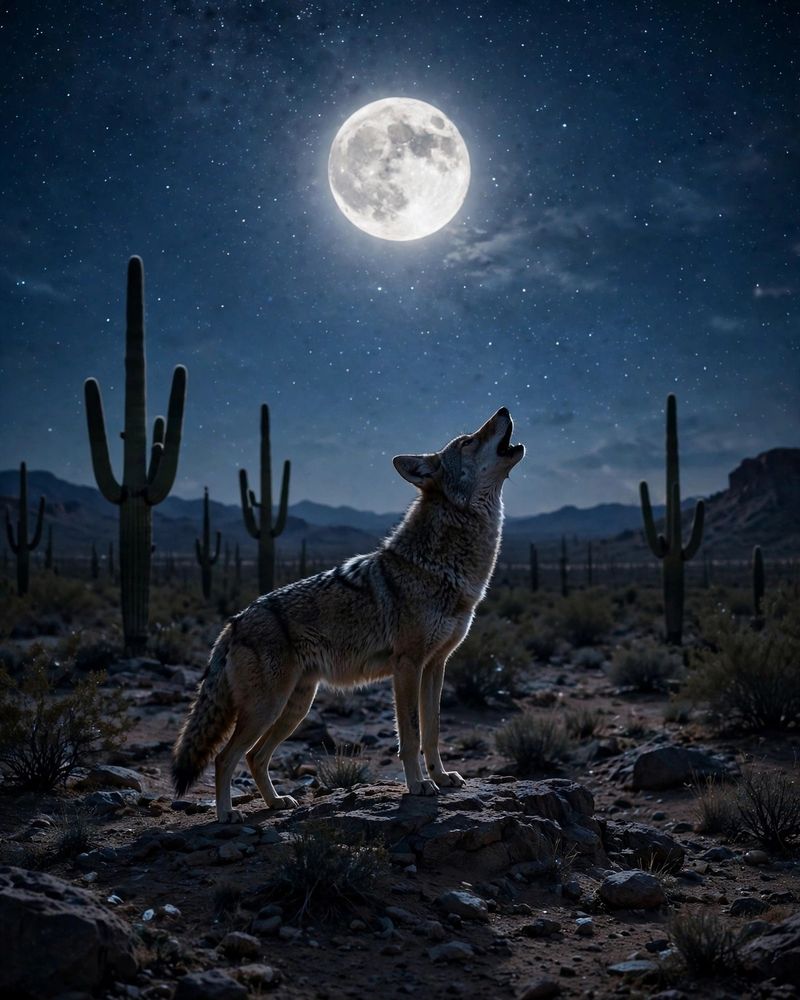
Hearing a howl from the dark can make your mind race, but the basic job of the sound is simple. Coyotes use howls, yips, and other calls to communicate with each other and to space themselves from other coyotes.
Think of it as a way of saying “I’m here” without a face-to-face meeting.
Coyotes live throughout Texas, from open ranchland to city edges, so hearing them is not unusual. According to Texas Parks and Wildlife, they may live alone or in family groups, and they are active at night as well as at other times of day.
That mix of habits explains why a call can seem to come out of nowhere after sunset.
Researchers who study how people hear these sounds report that howling is tied to communication and territory spacing. In a 2017 Texas study of human perception, howling is described as more commonly reported during breeding season and dispersal.
That gives you a useful starting point for making sense of what you hear.
A starting point is not a verdict, though. One howl cannot be matched to a single event or motive, and nobody can read a specific reason into the call that reached your backyard.
You can treat the sound as ordinary neighborhood wildlife chatter, then use the next sections to see how the season fits in.
If the chorus startles you, a calm response works best. Stay inside or keep an eye on your pets, and remember that coyotes talking to each other are mostly focused on other coyotes, not on your house.
Young coyotes may disperse in late fall
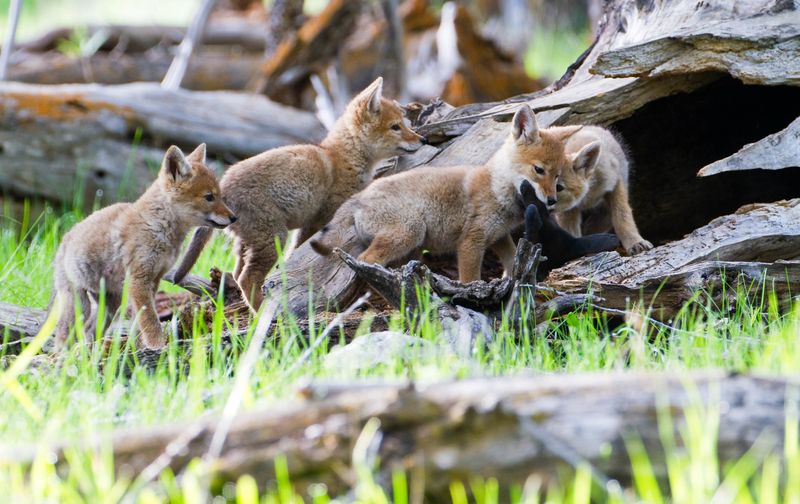
Late fall is a busy time in the coyote calendar. Young coyotes commonly disperse in November and December, which means they leave the area where they were born to find places of their own.
Calling can be part of how they and nearby coyotes keep track of one another during that movement.
That makes dispersal one plausible seasonal context for the howling you hear in late November. It is a typical pattern, not a certain explanation.
Sound alone cannot tell you whether a particular howl came from a traveling youngster or from an adult near its usual range.
Breeding runs on a different schedule. Texas Parks and Wildlife places the main breeding period in January through March, so late November comes before it.
If a neighbor tells you it is mating season right now, you can kindly say the peak is still a couple of months away.
The Texas Tech species account of the coyote reports that pairs typically form in midwinter. That is a general seasonal pattern.
It does not mean a late-November howl shows a pair is forming or bonding.
A handy way to hold all this: November and December lean toward young coyotes moving around, while midwinter leans toward pairs and breeding. Both patterns give context for the calendar, and neither one can be pinned on the single voice outside your window.
A chorus cannot tell you how many coyotes are there
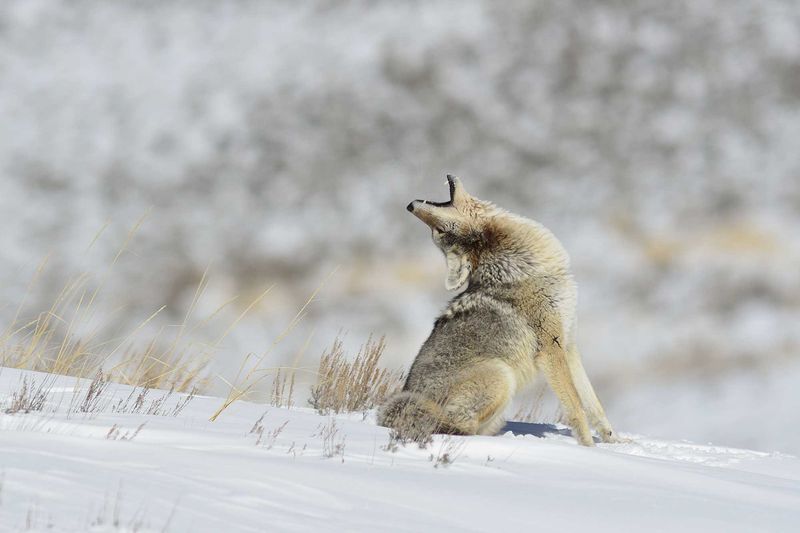
Few sounds seem as crowded as a coyote chorus. A handful of animals can produce a wall of yips that feels like a whole pack surrounding the neighborhood.
Your ears are working with limited clues, and the sound can fool them.
A Texas team tested this directly. In a playback study from Texas A&M University-Kingsville, 427 people listened to recordings of one to four coyotes and overestimated the number they heard by nearly twofold.
That result belongs to the study. Volunteers heard recordings, not wild animals in a real backyard, so it is not a precise rule for counting coyotes in the field.
What it does show is that a chorus may lead listeners to guess too high.
Distance is another puzzle. Calls can carry far, and the same study cites reports of howls being heard up to 3.2 kilometers away, depending on conditions.
A loud voice does not mean the coyote is near your fence.
So when you hear a burst of yipping, the honest answer is that sound alone cannot establish how many coyotes are present or how far away they are. If you want to know more, a calm look from a safe spot indoors, or a trail camera, gives better information than your ears can.
A howl does not prove a hunt or a threat
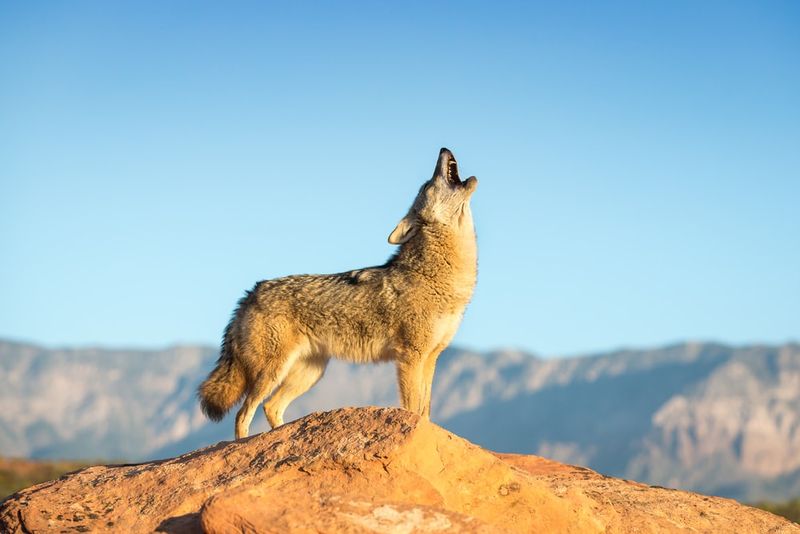
Popular stories give howls all sorts of dramatic meanings. Some say the coyotes are celebrating a kill, others that they are hunting, guarding a den, or lining up a neighborhood pet.
A howl by itself does not confirm any of those.
What the Texas research does support is that calls serve communication and territory spacing. Nothing in it ties a howl to a specific event at a nearby home.
The idea that coyotes howl at the moon does not hold up either, because the cited Texas study found no link between howling and moonlight intensity.
None of this means coyotes pose no risk. They are wild animals that live near people, and small pets can be vulnerable if left alone outside.
The point is that the sound is not a reliable alarm. Your pet’s safety depends more on what you do around your yard than on whether you heard a howl tonight.
Treat a chorus as a prompt to check on things, not as proof of trouble. A quick look at gates, pet doors, and where your animals are is plenty.
Then you can let the night sounds go back to being background noise.
Protect pets with everyday precautions
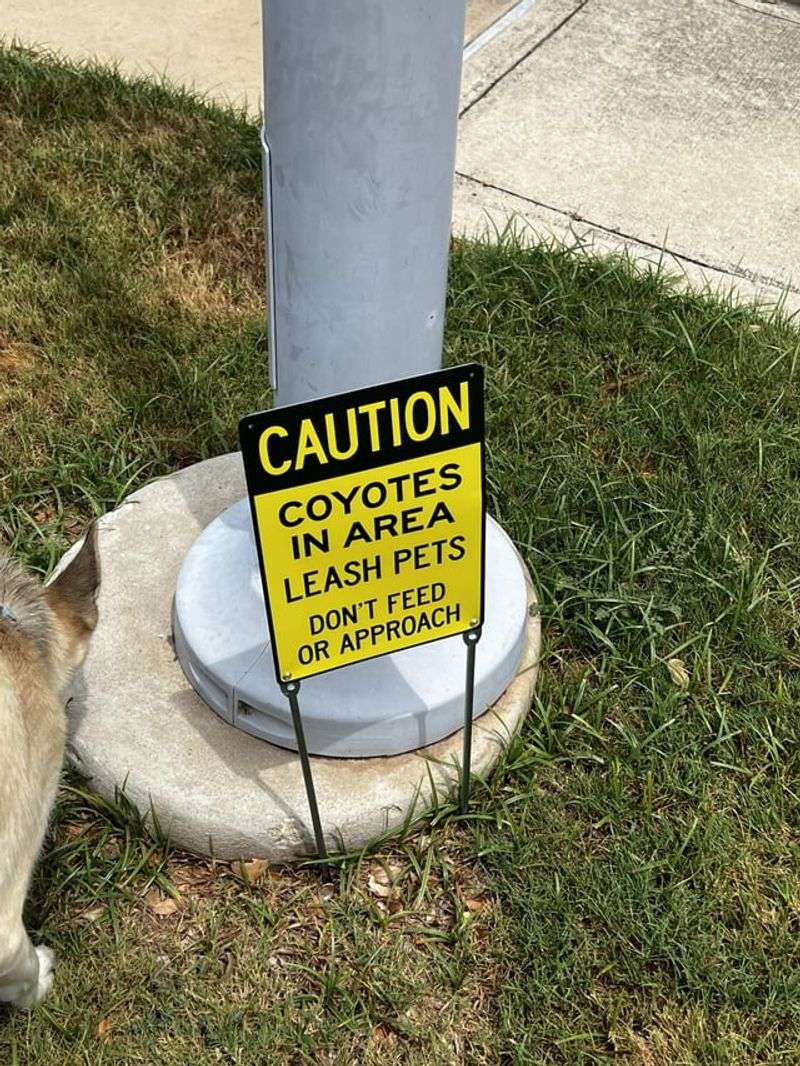
Good pet safety does not depend on decoding a howl. It comes from small habits that make sense in coyote country whether you hear anything or not.
Think of it as locking your car, a routine step rather than a reaction.
Texas Parks and Wildlife advises keeping pets indoors or securely contained, especially at night. It also recommends supervising them when they are outside and walking them on a leash.
Those steps apply all year, not only when coyotes are loud.
For cats and small dogs, the safest evening plan is simple. Bring them in before dark, or stay with them for outdoor trips.
A fenced yard helps, but a pet left alone in it is still unsupervised.
Try to build a short nightly routine. Turn on a porch light, step out with your dog, and keep the leash on even in familiar spots.
Carrying a flashlight lets you see what is around before your pet wanders off.
These precautions are sensible prevention, not a sign that a howl means your pet is in immediate danger. Most nights, a chorus is coyotes talking to each other.
A leash and a closed door just make sure that stays true for your household.
Reduce attractants and respond safely to a sighting
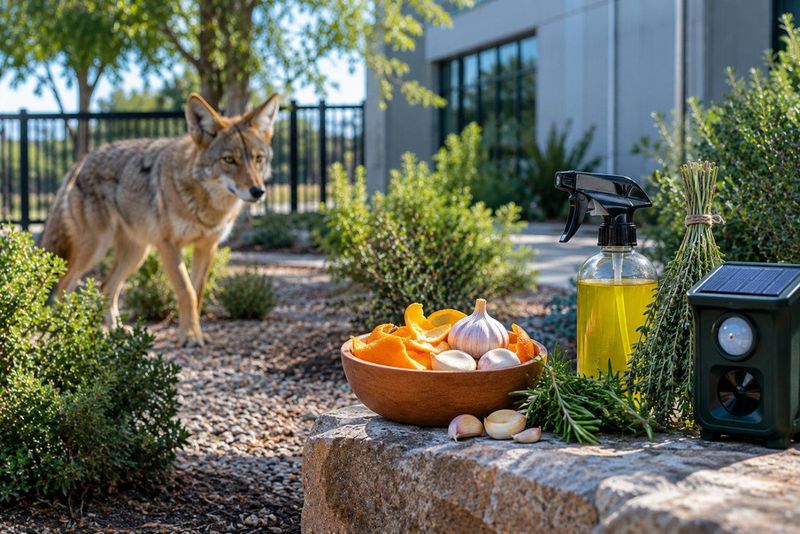
Yards draw wildlife when they offer an easy meal. Skip leaving pet food or water outside, and keep garbage secured so lids stay shut.
Clean up fallen fruit and spilled birdseed too, since they can attract wildlife or the small prey animals that coyotes follow.
A few quick chores make a difference. Bring feeding bowls in after dinner, use a tight-lidded bin, and sweep up seed under feeders each evening.
Picking up fruit from the ground under backyard trees takes only a minute.
If you actually see a coyote, Texas Parks and Wildlife recommends noise or other scaring devices. Clapping, shouting, or a whistle can send it on its way.
Check your local noise and firearms ordinances first so you stay within the rules.
Never approach, feed, or try to handle a coyote. Keep your distance and give it room to leave.
If an animal appears ill or behaves strangely, contact local animal control or a health authority. The Texas health department’s rabies prevention brochure lists coyotes among Texas wildlife that can spread rabies and advises avoiding contact with wildlife and never touching animals acting strangely.
Coyotes were here long before the subdivisions, and a tidy yard lets you share the night without inviting them closer.
Share this story