When the first cold front blows across Texas, people grab their jackets and critters grab the nearest warm spot, which is often your house. Spiders, scorpions, and even snakes slip through tiny cracks looking for heat, food, and shelter.
Knowing who might be hiding in your closet or garage can keep your family and pets safe. Here are eight venomous visitors Texans keep bumping into indoors when the temperature drops.
1. Brown Recluse Spider
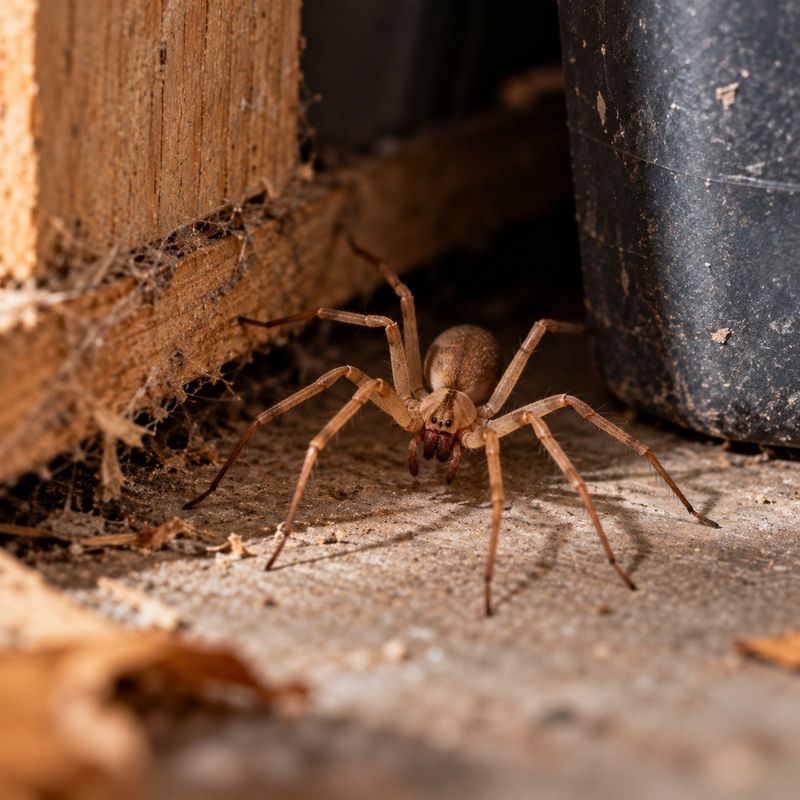
Ask any Texas exterminator about winter calls, and the brown recluse usually comes up first. Shy and secretive, this spider loves undisturbed places like stacked boxes, closets, and the inside of shoes that have not been worn in a while.
Look for a violin-shaped mark on its back and six eyes arranged in pairs instead of the usual eight. Bites are often painless at first, but in some cases the venom can damage skin and leave a slow-healing wound.
Shake out clothes and boots before putting them on, especially items pulled from storage for the cold season. Sticky traps placed along baseboards can also show you whether recluses have moved in.
2. Striped Bark Scorpion
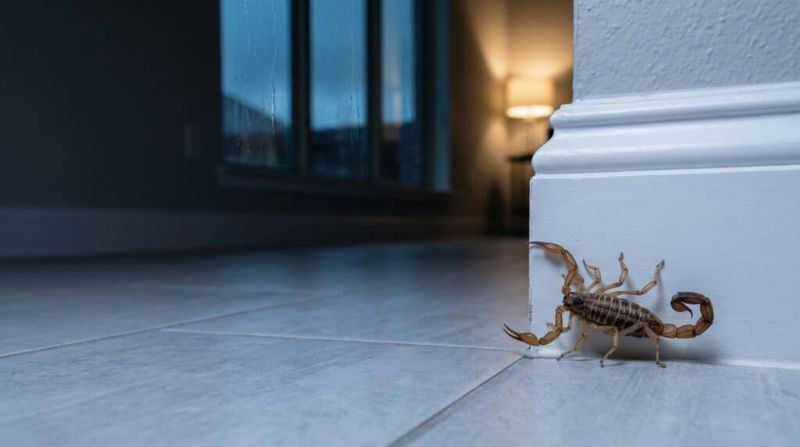
Picture this: you flip on the bathroom light at 2 a.m. and something tan with a curled tail scurries across the tile. That is the striped bark scorpion, the most common scorpion in Texas and a frequent winter houseguest.
These scorpions can climb walls and squeeze through gaps as thin as a credit card. Their sting feels like a hot needle, with burning and numbness that can last for hours.
Fun fact: scorpions glow under a black light! A cheap UV flashlight makes nighttime scorpion hunting much easier, and sealing gaps around doors and pipes helps keep them out.
3. Southern Black Widow
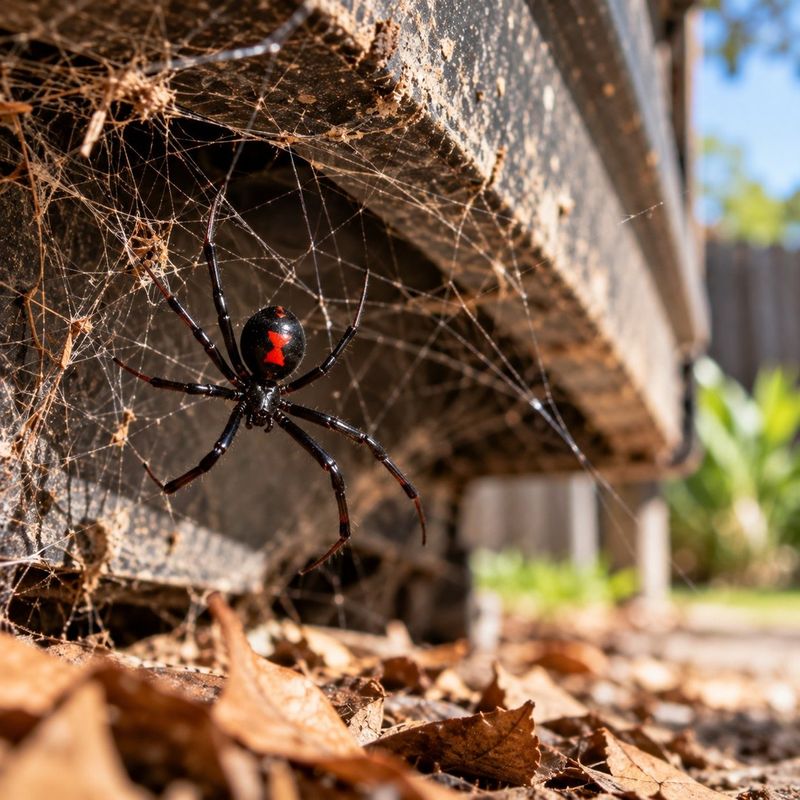
Glossy, round, and marked with a bright red hourglass, the southern black widow is the celebrity of dangerous spiders. Few critters are so easy to recognize, yet so easy to miss in a dark corner.
Widows build tangled, messy webs low to the ground. In cold weather they show up in garages, sheds, and around firewood that families carry inside for the fireplace.
Their venom affects the nervous system and can cause muscle cramps, sweating, and stomach pain. Wear gloves when hauling wood, and leave logs outside until you are ready to burn them.
4. Texas Redheaded Centipede
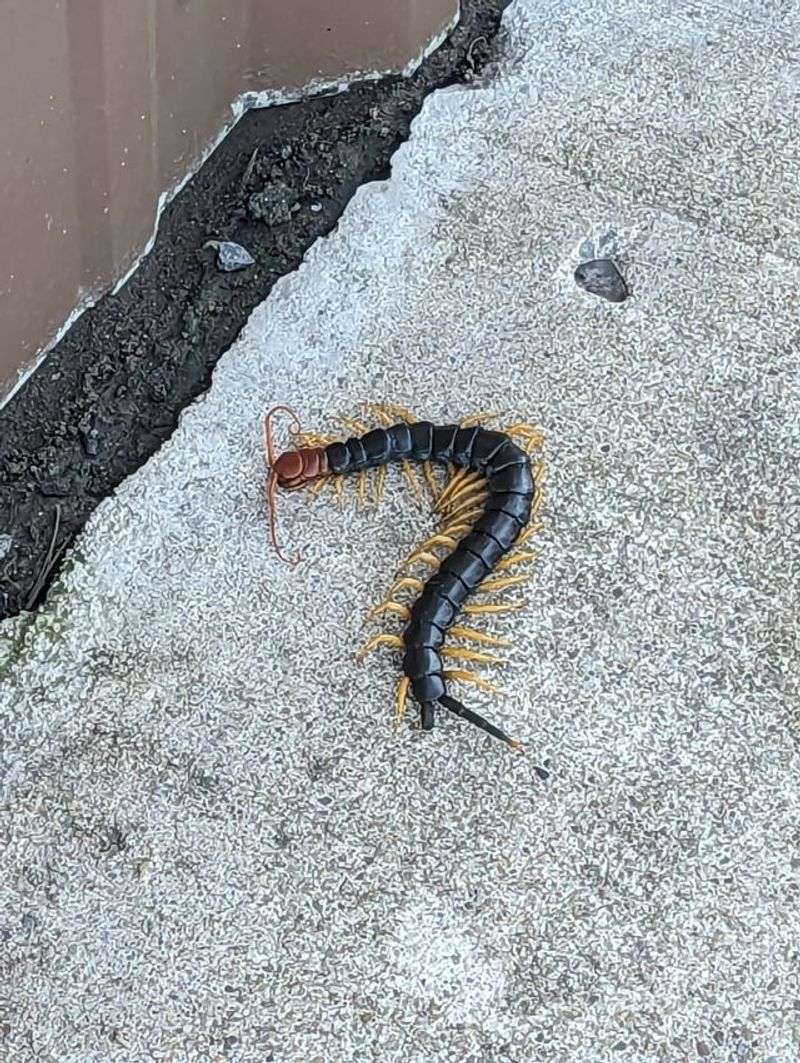
Nothing wakes you up faster than an eight-inch centipede with a red head and yellow legs racing past your feet. The Texas redheaded centipede is one of the biggest in North America, and it is just as fast as it looks.
Technically, those front claws are modified legs that inject venom. A bite causes intense, throbbing pain and swelling, though it is rarely dangerous for healthy adults.
Centipedes wander inside chasing insects and damp spots, so laundry rooms and bathrooms are favorite hangouts. Cutting down on moisture and other bugs makes your home far less inviting.
5. Southern Copperhead
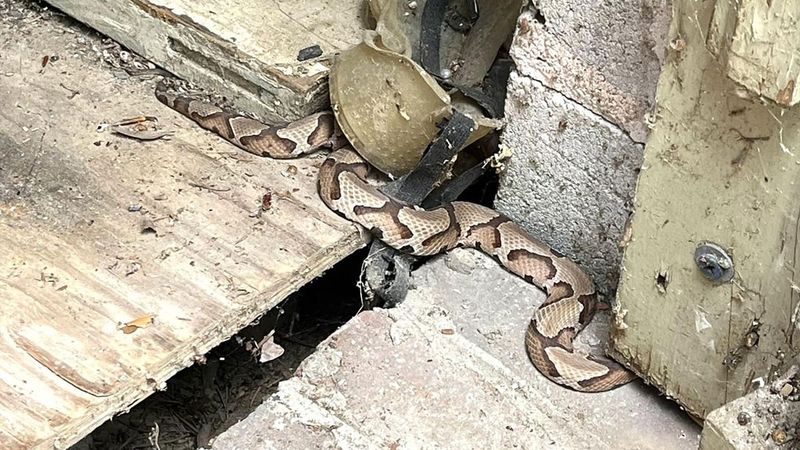
Copperheads are masters of disguise. Their tan and copper hourglass bands blend perfectly into dead leaves, which is exactly why people step close to them without noticing.
As nights get chilly, these snakes look for warm places before settling in for winter. Garages, crawl spaces, and the gap under a door left cracked open can all become a temporary hideout.
Bites are painful but rarely deadly, though anyone bitten should get to a hospital right away. Keep garage doors closed, clear leaf piles from your foundation, and always use a flashlight when stepping into dark storage areas.
6. Southern Flannel Moth Caterpillar (Asp)
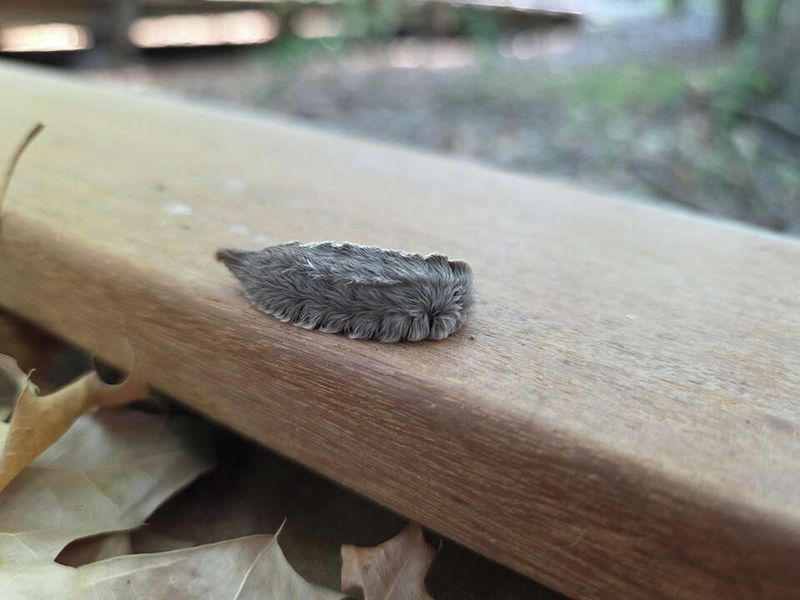
Cute? Absolutely.
Harmless? Not even close.
The asp, also called the puss caterpillar, looks like a tiny fluffy toupee, but hidden in its fur are venomous spines.
Touching one can cause burning pain that shoots up your arm, plus headaches and nausea. Many Texans call it the most painful sting they have ever felt.
Asps peak in fall and often ride indoors on potted plants or crawl onto porch rails and door frames. Teach kids never to pet fuzzy caterpillars, no matter how soft they look.
7. Western Diamondback Rattlesnake
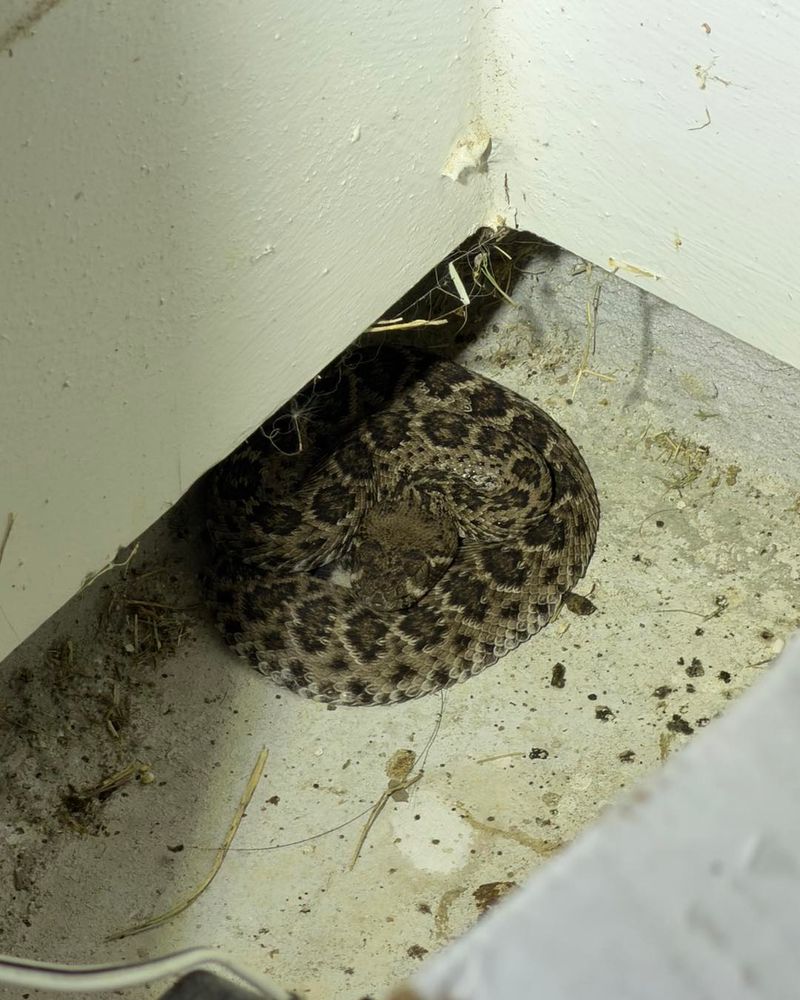
Rural Texans know the sound well: a dry buzzing that makes everyone freeze. Western diamondbacks are the most common rattlesnake in the state and are responsible for most serious snakebites here.
Indoor encounters are less common than with smaller critters, yet they happen every fall. Barns, sheds, under porches, and even homes near brush or rocky land can attract a snake hunting rodents that also moved in for winter.
Control mice and rats, and the snakes lose their reason to visit. If you do meet one, back away slowly and call a wildlife removal expert instead of trying to handle it yourself.
8. Red Imported Fire Ants
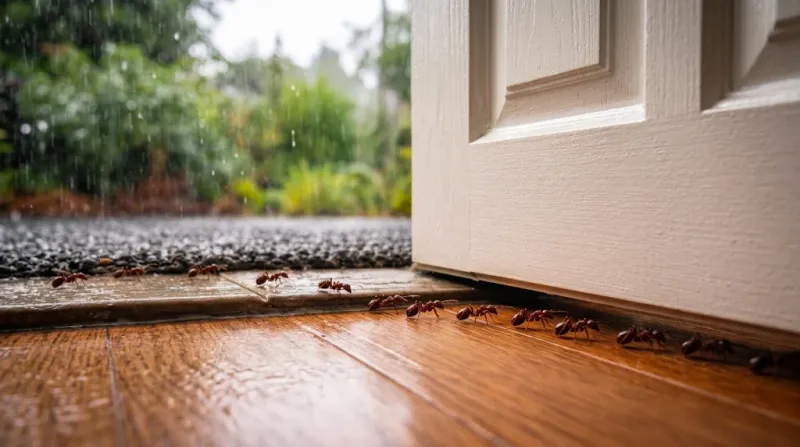
Tiny but mighty, fire ants pack a sting that burns like a match and leaves itchy white pustules behind. Every Texan has probably learned this lesson the hard way at least once.
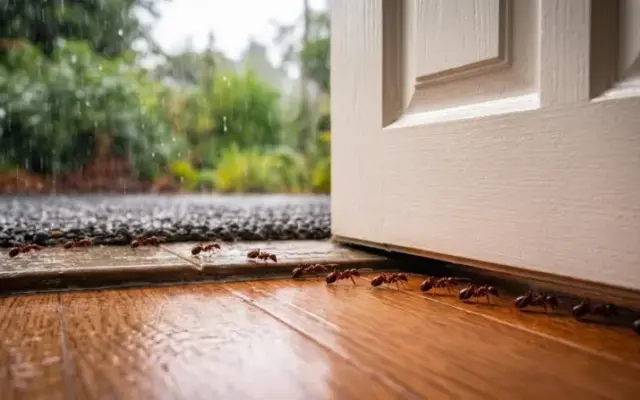
Most folks think of fire ants as a backyard problem. But when cold snaps or heavy rains hit, colonies sometimes move indoors through wall gaps, electrical outlets, and cracks in slabs.
A single ant is a nuisance, but a whole colony can sting hundreds of times, which is dangerous for babies, pets, and anyone allergic. Wipe up crumbs, seal entry points, and treat outdoor mounds before they become indoor ones.
Share this story