That scream outside your window at night is probably not a person, and it may well be a fox, an owl, or a coyote. Virginia nights are full of wild voices that sound far more alarming than the animals making them.
Knowing the likely suspects can calm your nerves and help you decide what to do next. It also helps you spot the rare time when the sound really does mean someone needs help.
A sound alone can’t identify its caller
Calling a sound a scream tells you how it hit your ears, not which animal made it. Your brain hears a sharp, high, sudden noise in the dark and files it under danger.
Many creatures can produce that kind of sound.
In Virginia, three of the usual suspects are foxes, barn owls, and coyotes. A Natural History Museum account describes the high-pitched wails of red foxes, heard mostly at night.
Cornell’s All About Birds describes the barn owl’s call as a long, harsh scream lasting about two seconds.
Coyotes add another layer. A Virginia Tech Extension publication says coyotes live in every Virginia county and describes their calls as barks, howls, whines, yelps, and growls.
So the same startling quality can come from very different animals.
That is why a fox is a fair guess for a night scream, but only a guess. Without a recording, a sighting, or other clues, nobody can name the caller from a description alone.
The sections ahead walk through each candidate and show how to weigh clues instead of chasing a single answer. You will also get clear steps for staying safe, and for knowing when a sound should be treated as a human emergency.
Foxes wail, but a call doesn’t reveal why
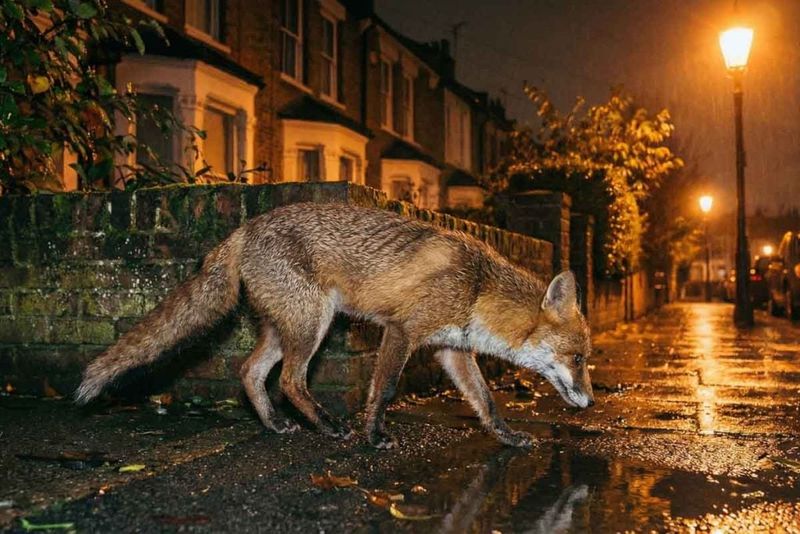
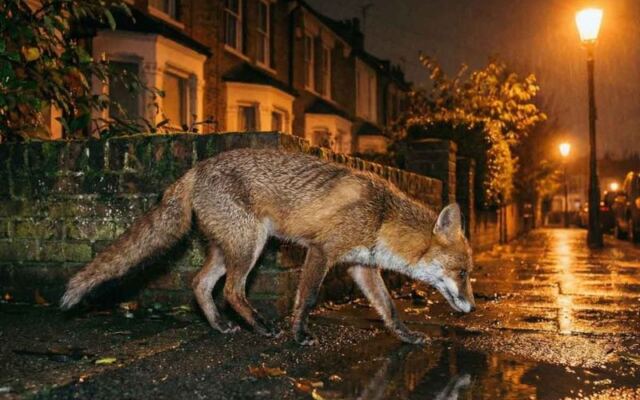
Red foxes are talkative animals with a whole toolbox of sounds. The Natural History Museum describes high-pitched vixen wails that are heard mostly at night and mostly during breeding season.
That makes a fox a plausible caller for a creepy sound outside your Virginia window, especially in winter.
Season is a clue, not proof. A winter night makes a fox wail more likely, but it cannot tell you who is calling, or what that animal is doing.
A study of red fox vocalizations found many call types, with some more common in winter, when mating and dispersal occur.
You may have heard that foxes scream because they are hurt or stuck together while mating. The same museum account rejects that story and calls it an urban myth.
A wail does not prove pain, and it does not prove mating.
Virginia also has gray foxes, and Virginia DWR covers red foxes in the state. Because foxes make varied sounds, treat any single scream as one possibility on your list.
Some owls really do give harsh screams
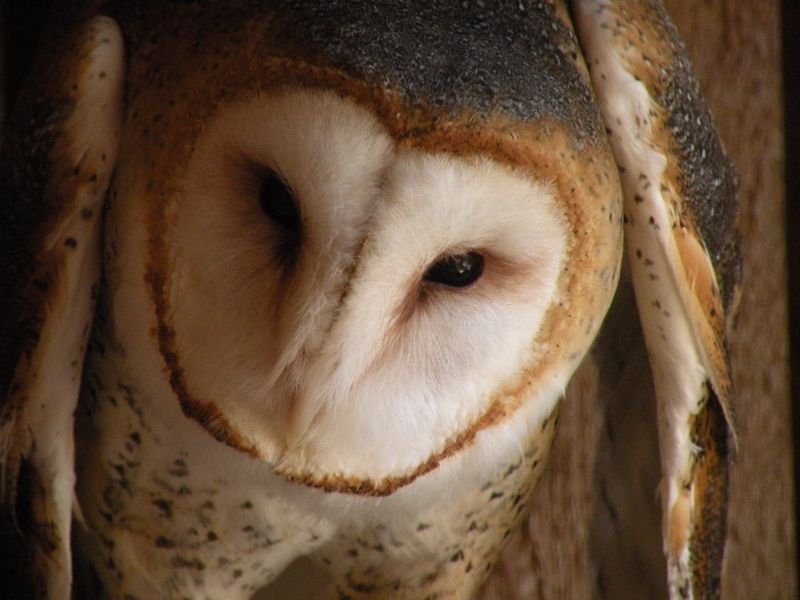
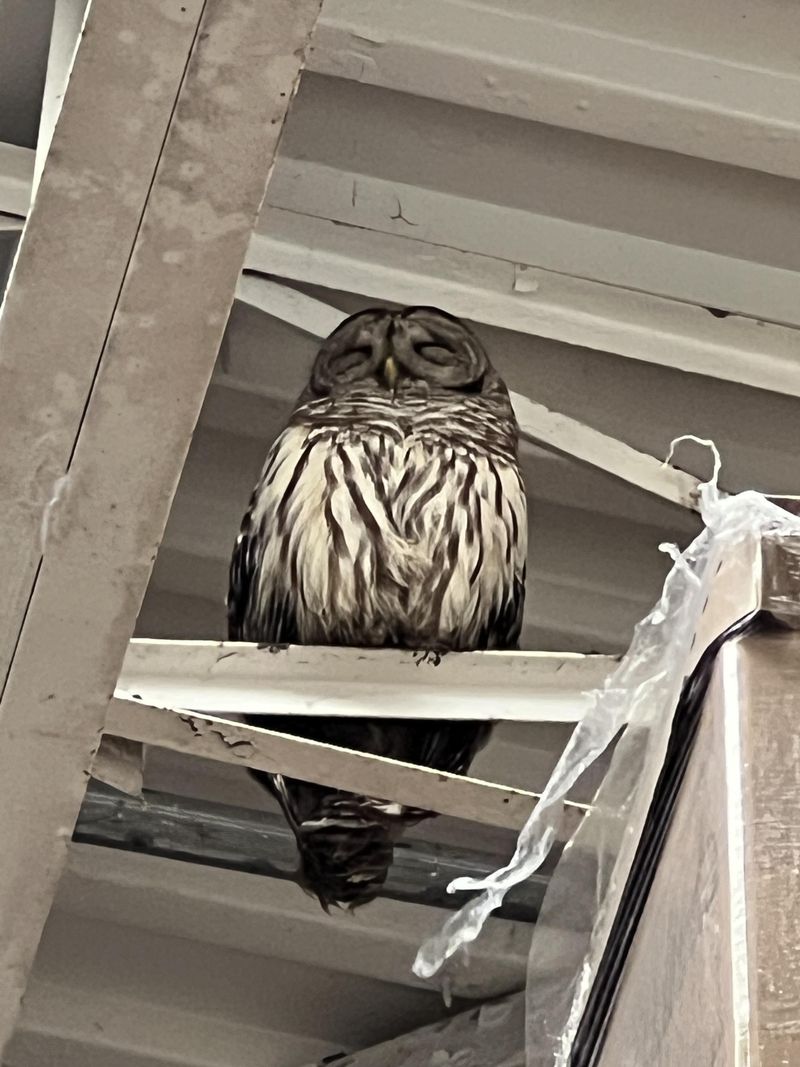
Owls often get blamed for hoots, yet one of them truly screams. Cornell’s All About Birds describes the barn owl’s call as a long, harsh scream.
It lasts roughly two seconds and can carry across open fields.
Virginia DWR reports barn owls in parts of the state and describes other owl species with their own distinct calls. So a barn owl is a real candidate, though not in every neighborhood.
Names can mislead you. Despite the name, the eastern screech-owl does not typically screech.
Audubon’s field guide says its calls feature whinnies and soft trills, which sound more like a small horse than a shriek.
Barred owls are famous for a hooting call. Sometimes two of them perform cackling, hooting duets that can sound wild and almost human.
An owl-like sound alone does not prove which owl you heard. A harsh scream points toward a barn owl, while whinnies and trills point toward a screech-owl, but only a good listen, ideally a recording, helps you decide.
Coyotes make more than howls

Coyotes are the third big possibility, and they are found across the whole state. Virginia Tech Extension says they occur in every Virginia county.
That includes suburbs and small towns, not only remote woods.
Movies teach us that coyotes howl at the moon, but real coyotes are more versatile. The same publication lists barks, howls, whines, yelps, and growls.
A group can even sound like many more animals than are really there.
Because their voices are so varied, there is no single coyote scream to listen for. A yelping, yipping chorus may be a coyote family.
A lone sharp bark could be a coyote too, or something else entirely.
Treat coyotes as one more possibility, not a replacement for the others. Foxes, owls, and coyotes each have their own habits, and their calls are not interchangeable even if they all startle you at midnight.
If you hear several voices overlapping, or a mix of barks and howls, coyotes move higher on the list. Even then, keep your guess loose until you have a recording or a clear sighting.
Use sound and context as clues

Start by listening from inside your home. Open a window a crack if you like, but stay indoors.
If you can, record the sound on your phone so you can replay it later.
Next, compare your recording with trusted audio examples. Cornell’s barn owl page and Audubon’s screech-owl page are good places to hear owl calls.
Notice length, pitch, and whether the sound repeats.
Context helps, too. Time of year matters, since fox wails are linked mostly to breeding season, and research on red fox calls found some types more common in winter.
Habitat matters as well, such as open fields for barn owls or wooded edges for foxes.
These clues can shape a reasonable guess, but they cannot confirm a species or what the animal was doing. A recording or a clear look at the animal makes you more confident.
Do not rely on how human the sound seemed. Animal calls can sound eerily like a person, so a human-like quality settles nothing.
Judge the pitch, length, and pattern instead.
Keep your distance and act on real danger
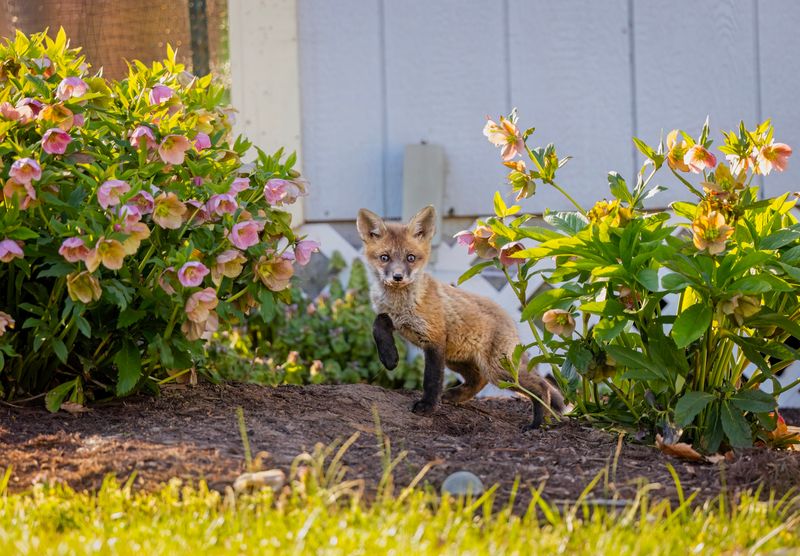
Once you have a guess, the safest move is still distance. Never approach, feed, corner, or handle a wild animal to figure out what it is.
Keep pets indoors or leashed and away from it.
If foxes are visiting, remove what attracts them. Virginia DWR recommends removing food attractants such as unsecured trash and outdoor pet food.
Seeing a fox in daylight does not mean it has rabies. Virginia DWR cautions against drawing that conclusion.
Watch for abnormal behavior and any contact with the animal instead of guessing from the time of day.
If an animal looks sick or injured, stay away and call animal control or wildlife authorities. CDC guidance says to keep your distance from wildlife, especially animals that seem sick or injured.
After a bite or scratch, wash the wound and promptly contact a healthcare professional or your local health department about rabies risk.
Finally, do not let a wildlife explanation talk you out of helping a person. If you hear words, calls for help, or signs of a struggle, or if the circumstances reasonably suggest someone is in immediate trouble, contact emergency services right away.
A wrong guess about a fox costs nothing, but a missed cry for help can cost a great deal.
Share this story