A tiny, fast-moving mammal in Illinois has a surprising trick: its saliva is toxic. Most people think venom belongs only to snakes and spiders, so a venomous mammal sounds like a mistake.
The northern short-tailed shrew is real, native, and mostly out of sight under leaves and grass. Here is what scientists know about it, what they do not know, and how to stay safe if you ever cross paths.
Meet Illinois’s northern short-tailed shrew
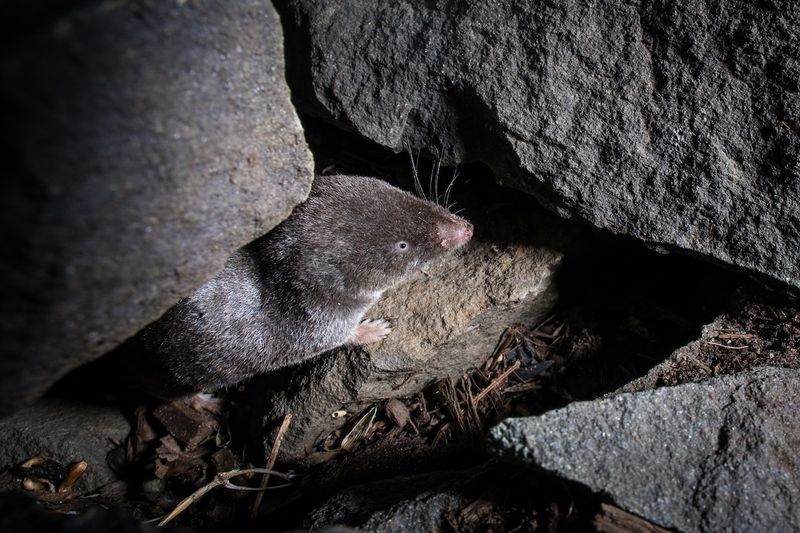
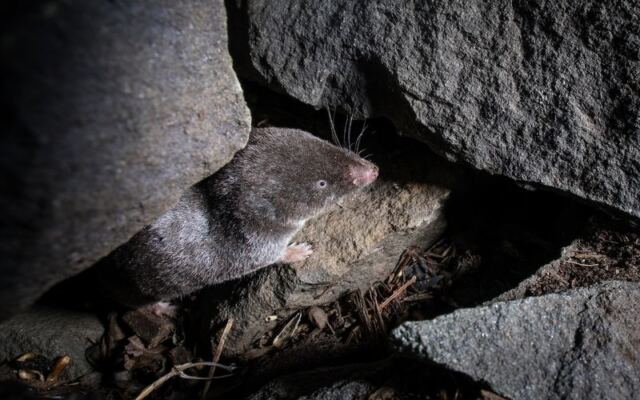
Picture a small gray animal with velvety fur, a pointed snout, tiny eyes, and a stubby tail. That is the northern short-tailed shrew, Blarina brevicauda, a native Illinois mammal.
It is not a mouse, even though it can look like one at a quick glance. Shrews belong to a group of insect-eating mammals, and this one spends most of its life hunting worms, insects, and other small prey.
Size matters here, because the popular claim about a creature smaller than a thumb is misleading. The Illinois DNR species page reports a total length of 4 to 5 inches, tail included.
Its species sheet gives a head-and-body length of 3 to 4 inches. So it is small, but longer than most thumbs once you count the whole animal.
The two DNR sources describe where it lives in slightly different ways. The online page calls the shrew common and found statewide.
The species sheet says it is common in the northern two-thirds of Illinois and less common in the south.
Neither description says how often shrews turn up in home yards, so there is no basis for saying most Illinois homeowners have one. Think of it as a widespread wild neighbor that you may or may not ever notice, since it spends so much time hidden under cover.
What makes this shrew venomous
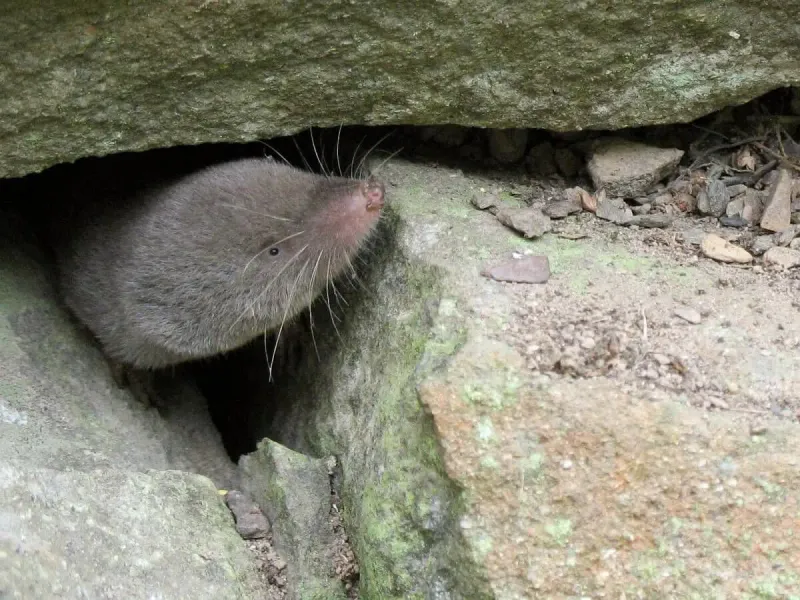
Venom is not just a snake thing. In the northern short-tailed shrew, researchers found a toxin in the saliva, made in the salivary glands and tied to the animal’s bite.
A team led by Kita and colleagues isolated and described it in a 2004 PNAS study and named it blarina toxin.
That is why biologists are comfortable calling this shrew venomous in the ordinary sense. A toxic substance in the saliva that gets into a victim through a bite fits the idea well.
The shrew does not have fangs like a viper, but the basic setup is similar: toxin made in glands, delivered when it bites.
For a small hunter, this makes sense. Shrews burn energy fast and need to eat often, and toxic saliva can help them subdue prey that would otherwise be hard to handle.
Keep this to one species, though. People use the name short-tailed shrew loosely, and the toxin findings here belong to Blarina brevicauda.
Nobody should assume every shrew carries the same toxin.
Also, calling an animal venomous describes how its biology works. It says nothing yet about how serious a bite would be for a person, which is a separate question covered next.
What experiments and human bite reports show
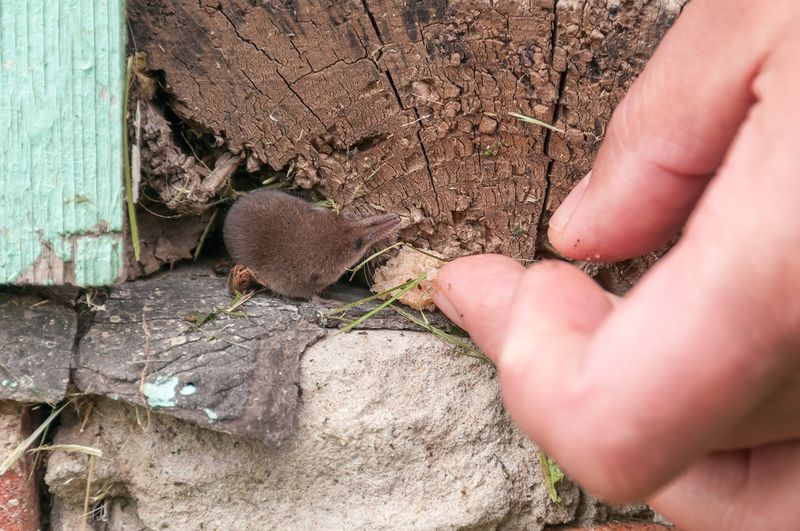
Lab work is where most of the toxin knowledge comes from. The researchers purified the toxin and tested it in experiments, and it affected mammals.
That confirms the toxin is biologically active, which is the main point of the study.
What those experiments cannot tell us is how a real shrew bite affects a person. Injecting an isolated toxin into a lab animal is very different from a shrew biting a human hand.
So the results should not be used to guess at a human dose or outcome.
The paper also mentions accounts of people who were bitten. These describe localized burning around the puncture and some swelling.
They are scattered reports, not results from a large clinical study, so they give a rough picture rather than firm numbers.
That leaves a middle path. Nobody can honestly call a shrew bite harmless, because the saliva is toxic and a bite can hurt.
But nothing here shows that severe poisoning in people is likely.
A sensible takeaway: treat a bite as a wound that deserves proper care, and skip both the panic and the shrug.
Suitable cover can bring shrews near yards
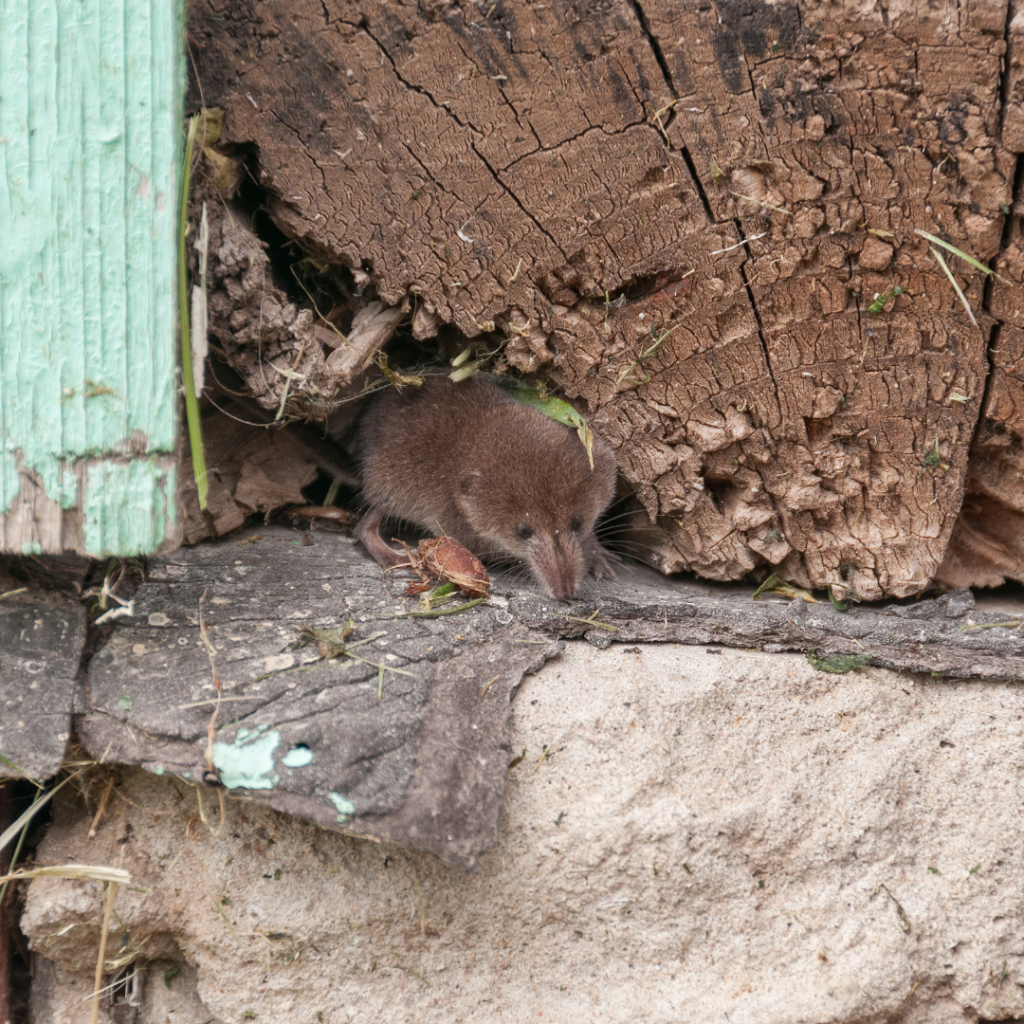
Where would you actually find one? Illinois DNR lists forests, grasslands, and prairie or habitat edges.
That already hints at what the animal wants: cover, damp ground, and plenty of small prey.
An Iowa State University Extension guide for this same species adds lawns, farmsteads, ditches, and places with lots of ground cover. It points especially to moist sites with deep leaf or grass litter.
Put those together and a pattern appears. A yard with thick leaf piles, tall grass along a fence, or a damp, overgrown edge could offer what a shrew needs.
A trimmed, dry, open lawn offers much less.
Still, there is a limit to what we can say. These sources show that shrews may use yards with suitable cover.
They do not show that shrews commonly live in Illinois garden beds, and they certainly do not show that most readers have one nearby.
Here is a practical example. If you rake a big leaf pile beside a creek-side lawn and see a tiny gray animal dart away, that fits the habitat clues.
If your sunny, tidy vegetable bed has none of that cover, it is a much less likely spot.
Leave wild shrews undisturbed
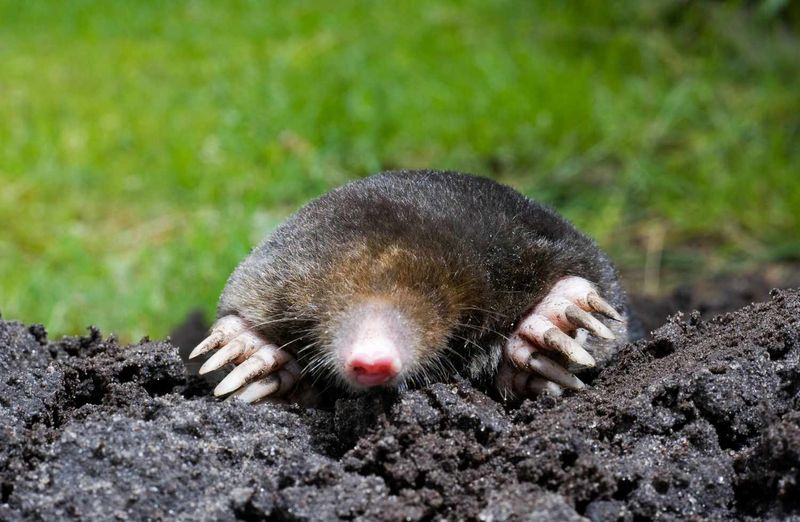
The simplest way to avoid a bite is to leave the animal alone. Do not pick up a shrew, corner it, or poke at it with a stick.
Children should be told not to chase or hold one, even if it looks tiny and cute.
This follows general advice about wild mammals. University of Wisconsin Extension cautions against grabbing or threatening wild animals, since a frightened one may bite.
The Illinois Department of Public Health likewise tells people not to touch wild animals.
You also do not need to catch a shrew to figure out what it is. A quick look from a distance, or a photo taken from a few feet away, is plenty.
Handling it for a better view only raises the chance of a bite.
Wearing sturdy gloves when moving brush, stones, or leaf piles is a sensible habit. If you uncover a small animal, step back and give it time to slip away.
Pets can be called away from the spot too.
If a bite breaks the skin, wash it and seek advice
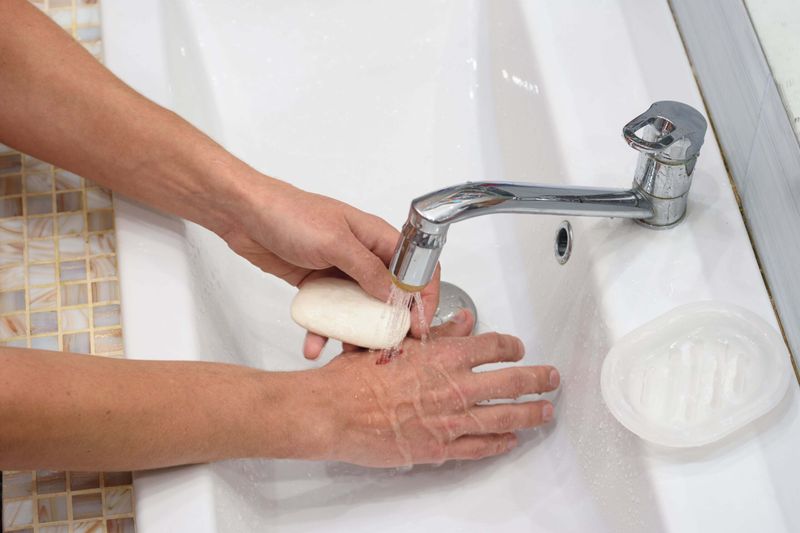
Say a shrew does bite you and the skin is broken. Start by washing the wound well with soap and water, as described in MedlinePlus guidance on animal bites.
Then contact a health-care provider, even if the bite looks small.
Burning and swelling near the puncture have been reported after bites, so it is worth having a professional look at it. A clinician can check the wound and decide whether any treatment is needed.
Next, tell the right people. Illinois Department of Public Health guidance on animal bites says to seek medical attention and to notify local health or animal-control authorities.
You can find the details on the IDPH rabies page.
Do not try to work out the rabies question yourself. Clinicians and local officials are the ones who judge the circumstances of an exposure, so describe what happened and let them advise you.
A shrew is easy to miss and easy to leave alone, and that is the whole plan.
Share this story