
Get the latest garden guides in your inbox →
Gardening Latest
  • General Gardening
  • Lawn Care
  • Plant Care
  • Composting
  • Soil Health
  • Backyard
  • Garden Muse Magazine
  • General Gardening
  • Lawn Care
  • Plant Care
  • Composting
  • Soil Health
  • Backyard
  • Garden Muse Magazine
  • News
  • Gardening Calendar
  • Garden Structures
  • Vegetable Garden
  • Vertical Garden
  • Raised Beds
  • Hydroponics
  • General Equipment
  • Community Gardens
Garden Themes
  • Spiritual Garden
  • Hydroseeding
  • Seeding and Laying Sod
  • Artificial Grass
  • Lawn Care Equipment
  • Plants
  • Trees
  • Planting Tools
  • Composting Basics
  • Fertilizer
  • Alternative Growing Mediums
  • Front Yard
  • Backyard Activities
  • Landscaping
Gardening Latest

Explore by state

Which state is your garden in?

All states

Northeast

  • Connecticut —
  • Delaware 16
  • Maine —
  • Maryland 3
  • Massachusetts 18
  • New Hampshire —
  • New Jersey 3
  • New York 12
  • Pennsylvania 12
  • Rhode Island —
  • Vermont —

Southeast

  • Alabama 3
  • Arkansas —
  • Florida 3
  • Georgia 3
  • Kentucky 16
  • Louisiana 2
  • Mississippi —
  • North Carolina 1
  • South Carolina 15
  • Tennessee —
  • Virginia 2
  • West Virginia —

Midwest

  • Illinois 2
  • Indiana 4
  • Iowa 15
  • Kansas —
  • Michigan 3
  • Minnesota 2
  • Missouri 2
  • Nebraska —
  • North Dakota —
  • Ohio 3
  • South Dakota —
  • Wisconsin 17

Southwest

  • Arizona 3
  • Colorado —
  • Nevada —
  • New Mexico —
  • Oklahoma —
  • Texas 2
  • Utah —

West

  • Alaska —
  • California 3
  • Hawaii —
  • Idaho —
  • Montana —
  • Oregon —
  • Washington —
  • Wyoming —

No state matches that search.

Site menu

Gardening Latest
  • General Gardening
    • News
    • Gardening Calendar
    • Garden Structures
    • Vegetable Garden
    • Vertical Garden
    • Raised Beds
    • Hydroponics
    • General Equipment
    • Community Gardens
    Garden Themes
    • Spiritual Garden
  • Lawn Care
    • Hydroseeding
    • Seeding and Laying Sod
    • Artificial Grass
    • Lawn Care Equipment
  • Plant Care
    • Plants
    • Trees
    • Planting Tools
  • Composting
    • Composting Basics
  • Soil Health
    • Fertilizer
    • Alternative Growing Mediums
  • Backyard
    • Front Yard
    • Backyard Activities
    • Landscaping
  • Garden Muse Magazine

Explore

  • About GardeningLatest.com
  • Contact Us

Get the latest from the garden

New guides on lawn care, plants and backyard projects, sent when they go up.

Subscribe →

Follow

  • Facebook
  • X
  • Pinterest
  • YouTube
Lawn and Garden Maintenance

Do You Overseed Before or After Top Dressing?

A common question often asked is whether you should overseed before or after top dressing?

By Keith Hardy

May 4, 2023 · 5 min read

Do You Overseed Before or After Top Dressing?

A common question often asked is whether you should overseed before or after top dressing? The short answer is that you can do it either way around; however, it is generally advised that the best way is to top-dress before overseeding.

The debate comes about because overseeding can be carried out when the soil is moist and soft enough for the seeds to get a foothold, so top dressing isn’t a necessary part of the process. However, there are advantages to top dressing, which means that if you are going to top-dress as well, you do this first.

If you chose or then decide to top-dress after overseeding, you will have to wait until the grass has grown and established before doing so.

Table of Contents
  • Do I Need to Top-dress When Overseeding?
  • How Do I Overseed My Lawn?
  • What Is the Difference Between Overseeding and Top Dressing?
  • So you overseed before or after top dressing?
  • How do You Top Dress and Overseed your Lawn?
  • When should I top dress and overseed my lawn?
  • Summary
  • Notes:

At a glance

Filed under
Lawn and Garden Maintenance
Read
5 minutes
Published
May 4, 2023

Do I Need to Top-dress When Overseeding?

You don’t necessarily have to top-dress when overseeding. Overseeding can be done on any soil that is not too compacted and where there are no large rocks or other obstacles in the path of the seed.

However, if you do decide to overseed, then you should consider doing so at least two weeks prior to the first frost date. This will allow time for the seeds to germinate and establish themselves in the ground. You may also want to wait until after the grass gets established. By this point, the seedlings will be well established and less likely to be disturbed by the workmen who will be overseeding.

There are, though, considerable advantages for overseeding after top dressing, which include:

  • Improved soil structure
  • Increased organic matter content
  • Reduced compaction
  • Better water penetration
  • More nutrients available

How Do I Overseed My Lawn?
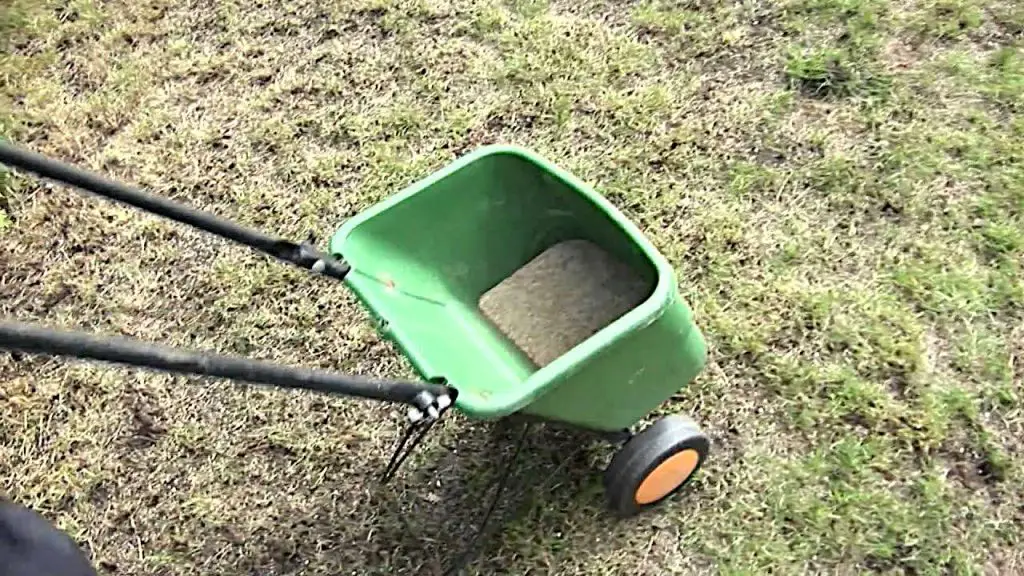
Overseed Before or After Top Dressing

Overseeding is very easy to do. All you need is some seed, fertilizer, and a tiller. The most common method of overseeding is called broadcast seeding. In this process, the seeds are spread out evenly across the surface of the lawn using a hand rake. The seeds are usually sown between 1/8″ – 3/4″ deep depending on what type of grass you would like to grow. It’s important to use a fine grade of seed. Use a seed rate of about 30,000 per square foot.

If you’re using a broadcast seeder, you’ll probably want to start with a small area first. Then, once you’ve got the hang of it, you can move on to larger areas.

If you’d prefer to use a roller, then you can roll the seed into place instead of spreading it out. Rollers come in different sizes and shapes. Some are made specifically for overseeding while others are designed for general purpose purposes. Roller seeding requires more skill than broadcasting but is much faster.

After you’ve seeded, you’ll want to let it dry for a few days. This allows the seed to settle into the soil and get established. Once the seed has dried, you can apply fertilizer to promote growth.

What Is the Difference Between Overseeding and Top Dressing?

Overseeding and top dressing are both ways of improving the health of your lawn. Both techniques involve spreading fertilizer and/or compost over the area being seeded. The difference between these two techniques is how much material is spread out. With top dressing, you apply more than enough material to cover the entire area being treated. In contrast, with overseeding, you apply just enough to ensure that all of the seeds get covered.

So you overseed before or after top dressing?

There are two main types of top dressing: pre-emergence and post-emergence. Pre-emergence top dressings are applied before seeds germinate. Post-emergence topdressings are applied after seedlings emerge from the ground.

You can either top dress your lawn with compost yourself or hire someone else to do it for you.

Top dressing is a light application of soil or sand to a lawn. It is generally done in the spring, fall, and sometimes in midsummer. The purpose of top dressing is mainly used to fill low spots, to improve drainage, and to improve thatch and soil fertility.

The most common practice is for top dressing to be applied before seeding. The idea is to provide nutrients to the seedlings during their early growth stages. It also helps to prevent weeds from germinating.

How do You Top Dress and Overseed your Lawn?

You can either top dress your lawn with compost yourself or hire someone else to do it for you. There are several benefits to hiring a professional. First off, they know exactly which products to use and how much to apply. They also know when to apply them. Finally, they can control where the fertilizer goes so there won’t be any waste.

You can also use a power tiller to prepare the area for planting. Power tillers are used to break up existing sod and create a smooth, even surface. After the tilling, you can add fertilizer and then overseed.

A power tiller is ideal for large areas because it doesn’t require you to walk around the area. Instead, you can sit back and watch the machine work its magic.

When should I top dress and overseed my lawn?

The best time of year to top dress and overseed your lawn is spring. While fall is a popular choice for overseeding, it’s not necessarily the best time of year. Springtime weather conditions, typically warm and sunny, are perfect for planting seeds. The warmth encourages the grass to grow quickly and grasses are at their peak in spring, making it easier to see where you’ve planted seeds.[1]

It’s important to bear in mind that the weather conditions you experience during winter can affect how well your lawn grows in the spring. Cold temperatures slow down plant growth and cause plants to go dormant. This means that you may need to wait until warmer weather arrives before you can start preparing your lawn for planting.

Summary

You can apply top dressing either before or after planting. The choice depends on the type of plants you want to plant. 

It’s best to apply top dressing before you plant your grass. That way, the fertilizer gets absorbed by the roots before they start growing. However, you can still apply top dressing after you plant your grass. The key is to wait until the plants have grown an inch or so .

On the other hand, if you plan to plant trees, shrubs, or flowers, then you should top dress after planting.

Notes:

[1]UMass Extension: Lawn Renovation & Overseeding

Share this story
Written by

Keith Hardy

More from Keith Hardy →

Keith has been involved in the gardening and landscaping industry fro the past 21 years. From a jobbing gardener to running his own landscaping services. He is now dedicated to bringing you the latest in gardening news.

About Gardening Latest

Gardening Latest provides in-depth guides to maintaining and enhancing your garden and backyard. Learn how to make the most of the space you have and create a beautiful garden.

More about us →

Latest stories

  • Wisconsin GardeningWhy Is a Red Fox Crossing Your Wisconsin Yard This Winter? Some Possible Explanations

    Why Is a Red Fox Crossing Your Wisconsin Yard This Winter? Some Possible Explanations

    1 hr ago
  • Iowa GardeningWhy Pulling Creeping Charlie Once Rarely Brings Lasting Control in Iowa Lawns

    Why Pulling Creeping Charlie Once Rarely Brings Lasting Control in Iowa Lawns

    1 hr ago
  • Massachusetts GardeningMassachusetts Law Says This About Cutting Your Neighbor’s Overhanging Tree Branches Before Winter Storms Hit

    Massachusetts Law Says This About Cutting Your Neighbor’s Overhanging Tree Branches Before Winter Storms Hit

    2 hr ago
  • Delaware GardeningCan Your Delaware Neighbor’s Tree Branches Legally Hang Over Your Yard? Here’s What the Law Actually Says

    Can Your Delaware Neighbor’s Tree Branches Legally Hang Over Your Yard? Here’s What the Law Actually Says

    2 hr ago
  • Kentucky GardeningCan You Legally Cut Your Neighbor’s Tree Branches Hanging Over Your Kentucky Fence? Here’s the Answer

    Can You Legally Cut Your Neighbor’s Tree Branches Hanging Over Your Kentucky Fence? Here’s the Answer

    2 hr ago

Gardening by state

Stories for your state, and the hardiness zone most of it gardens in.

Keep exploring

Read next

All Lawn and Garden Maintenance →
Lawn CareFall Lawn Care: A Practical Plan for Your Grass Type
Lawn Care

Fall Lawn Care: A Practical Plan for Your Grass Type

Sep 21
Lawn CareWhat Are the Benefits of Adding Lime to Your Lawn?
Lawn Care

What Are the Benefits of Adding Lime to Your Lawn?

Apr 26, 2024
Lawn Care9 Proven Ways to Speed Up Grass Seed Germination
Lawn Care

9 Proven Ways to Speed Up Grass Seed Germination

Jul 28

More from Lawn and Garden Maintenance

  • Benefits of Using Earthworm Castings for Your Lawn

    Apr 28, 2024
  • Choosing the Right Grass in Texas for the Perfect Lone Star Lawn

    Oct 17, 2023
Back to top
Gardening Latest

In-depth guides to maintaining and enhancing your garden and backyard: how to make the most of the space you have, and how to make it beautiful.

  • Facebook
  • X
  • Pinterest
  • YouTube

We may earn a portion of sales from products or services that are purchased through our site as part of our affiliate partnerships with retailers.

Explore

  • About GardeningLatest.com
  • Contact Us
  • Terms and Conditions
  • Privacy
  • Editorial Note:
  • FTC Disclosure

Newsletter

New garden guides and seasonal tips, straight to your inbox.

We’ll email you a link to confirm. Unsubscribe any time.

Almost there! Check your inbox and tap the link to confirm.

© 2026 Gardening Latest. All rights reserved.

Back to top

Last Updated on May 4, 2023