Saddleback caterpillars can hide among the leaves of maple trees, and a brush against one can leave a painful sting. If you work in a yard in Tennessee, a few quick steps can help if skin touches one.
Tape, soap, water, and a cold pack are the basics. Knowing what the caterpillar looks like and which symptoms matter can help you stay calm and act fast.
Recognizing a saddleback caterpillar
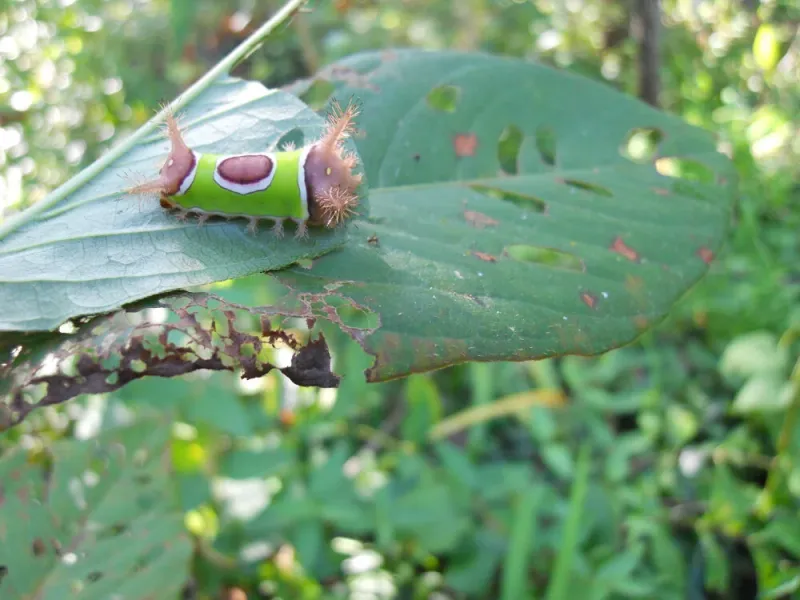
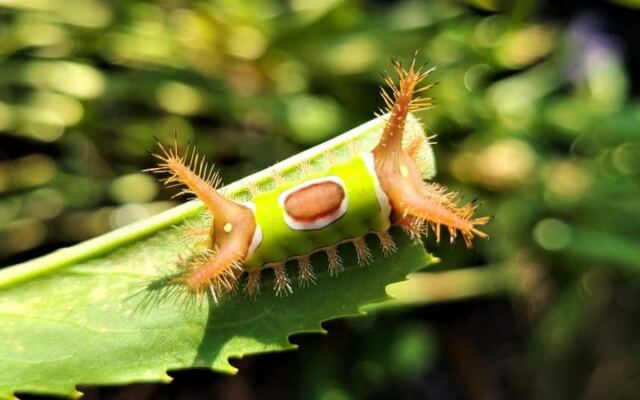
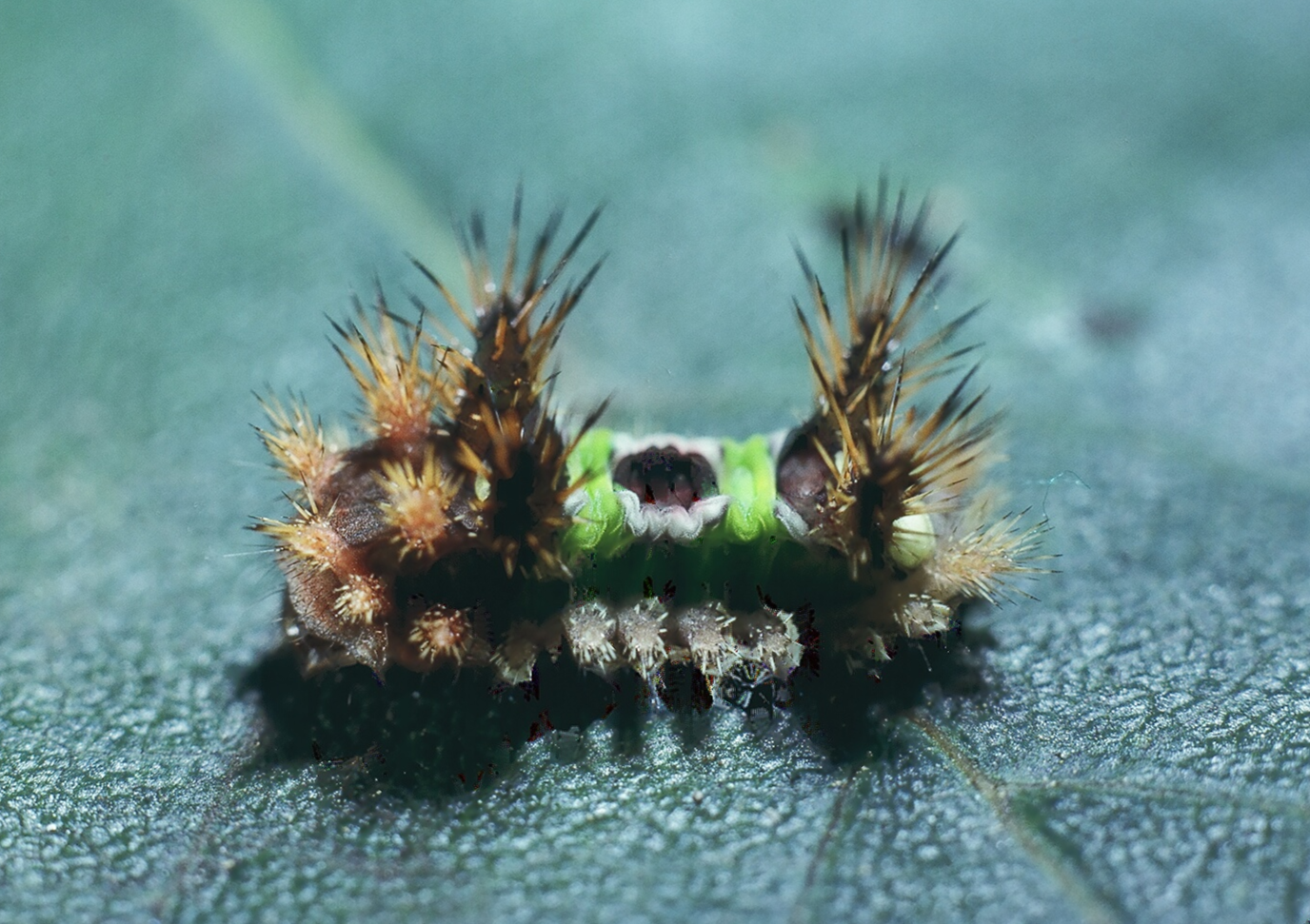
A saddleback caterpillar is easy to spot once you know the pattern. It has a vivid green back with a brown, saddle-shaped marking in the middle, a bit like a blanket thrown over a small animal.
Virginia Cooperative Extension describes this coloring along with the stinging projections that give the caterpillar its painful reputation.
Look closely and you will also see fleshy knobs at both ends of the body. These carry stinging spines, and smaller spines cover other parts of the caterpillar as well.
UF/IFAS Extension also describes the species, Acharia stimulea, and its spiny build.
Those features are handy for recognizing a possible saddleback, but only from a safe distance. Do not pick one up, poke it, or brush it away with bare fingers just to confirm what it is.
The spines can break off and stay in skin, so a quick photo with a phone is a much better way to check later.
Many caterpillars look odd or fuzzy, and not all of them sting. If you are unsure about one, treat it as something to leave alone.
Gloves and long sleeves add a layer of protection when you reach into shrubs or low branches.
Host plants and seasonal activity
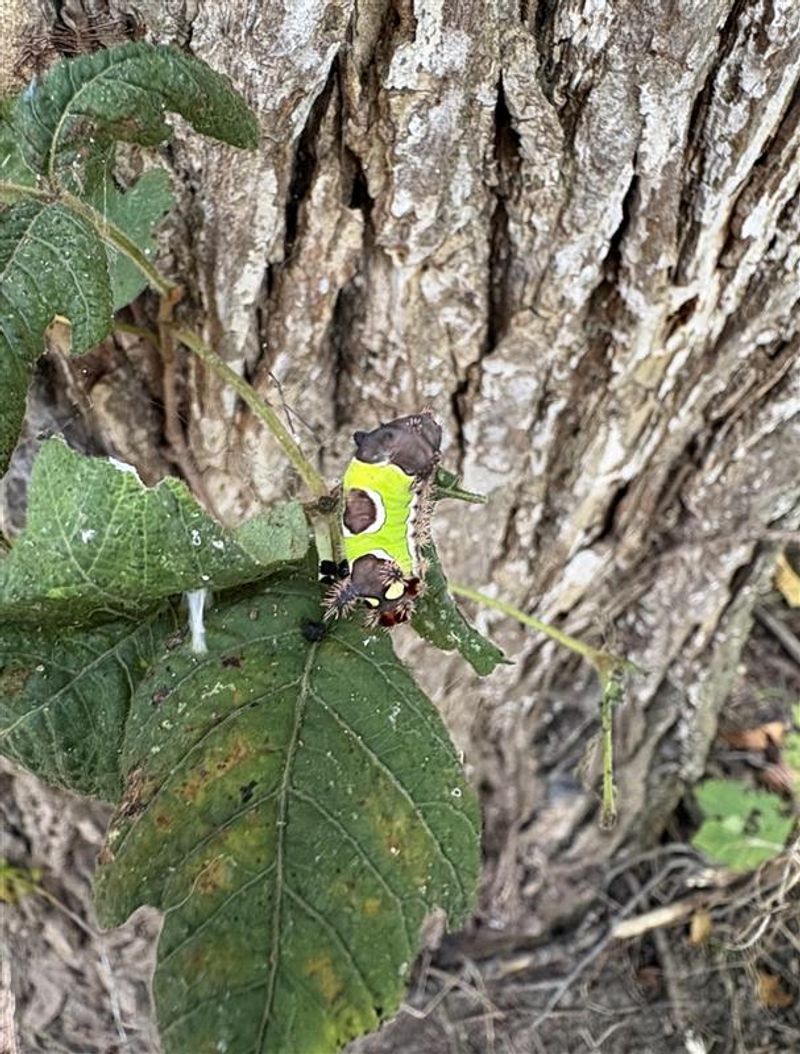
Saddlebacks occur across a broad part of the eastern United States, and they feed on a range of trees and shrubs. According to Texas A&M AgriLife Extension, maple and oak are among the documented host plants, along with several other trees and shrubs.
Their spines can break off and cause a painful skin reaction.
On timing, Virginia Cooperative Extension describes saddlebacks on shade trees and ornamental shrubs in late summer. That is a regional description, and the page is fairly old.
It does not tell us an exact Tennessee season, and it does not show that these caterpillars are a routine sight in Tennessee yards.
You may read that caterpillars hide under leaves. Poison Control notes that caterpillars in general may feed on leaf undersides.
That is a general statement about caterpillars, not proof that saddlebacks rest beneath maple leaves.
The practical takeaway is simple. Maple and oak are plants where a saddleback could turn up, so stay alert when you handle foliage.
Wear gloves, look before you grab a branch, and never touch an unfamiliar caterpillar with bare hands.
Use tape, then wash the skin
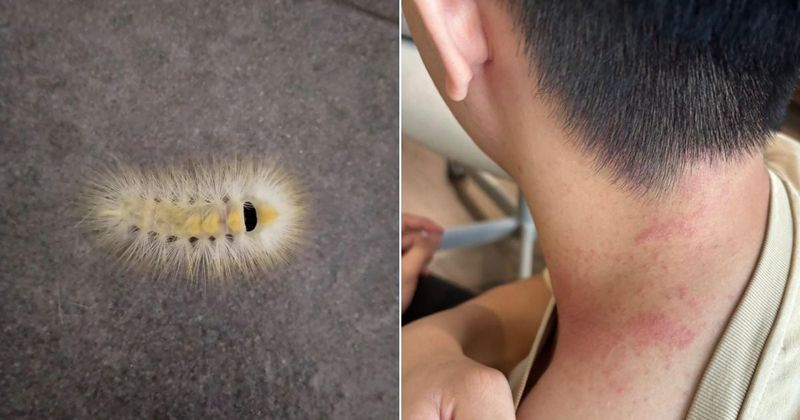
If skin may have touched a caterpillar, start by leaving the creature alone. Do not brush it off or pick at it with bare hands, and do not rub the skin.
Rubbing can push tiny spines deeper or spread them around.
Next, press a piece of adhesive tape gently onto the area and lift it away. Use a fresh piece each time you repeat, so you are not putting hairs back on your skin.
Poison Control gives this tape method for caterpillar exposures, and North Carolina Poison Control also advises removing the caterpillar with a tool and using tape gently on the skin.
Once the tape is done, wash the area gently with soap and water. A light touch matters here, since scrubbing hard could irritate the skin more.
Keep expectations realistic. This guidance covers caterpillar exposures in general, not a trial on saddlebacks alone.
Tape may lift some hairs or spines, but it cannot promise that every one is gone, and it will not instantly stop the pain.
If you are unsure what to do next, Poison Control or a clinician can give advice for your situation.
Cool the area to ease discomfort

After the tape and washing, cold can take some of the edge off. A cloth-wrapped ice pack may help with pain or swelling.
Wrapping matters, because ice placed straight on skin can irritate it.
MedlinePlus suggests applying ice wrapped in a clean cloth for 10 minutes, then leaving it off for 10 minutes. It advises shorter application for people with blood-flow problems, so if that describes you, keep the cold sessions brief.
Think of ice as comfort, not a cure. It can ease how the area feels, but it does not remove spines and it does not set a timeline for recovery.
Everyone reacts a little differently.
Poison Control also lists oral pain relievers as an option. That is one possibility, not advice that fits everyone, so check labels and ask a pharmacist or clinician if you have health conditions or take other medicines.
Baking soda paste turns up in some general caterpillar advice. It is not a necessary step, and it has not been shown to work reliably for saddleback stings, so you can skip it.
Watch how symptoms develop
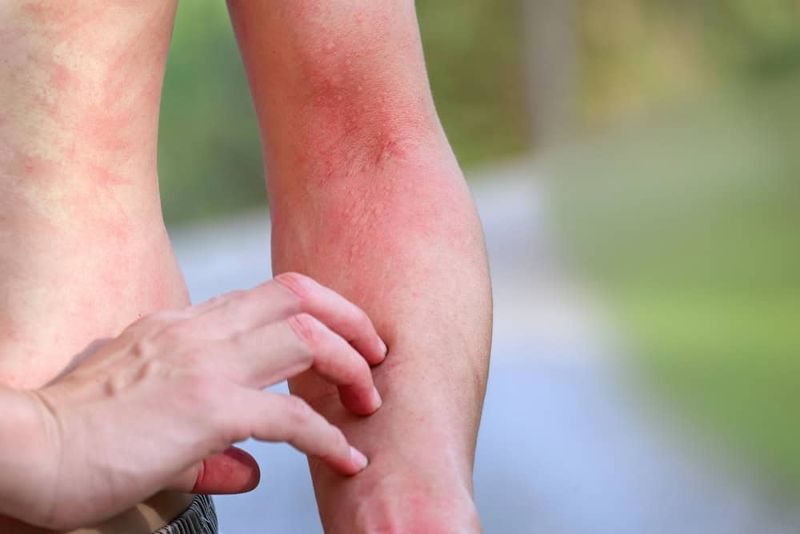
Once first aid is done, keep an eye on the area. Poison Control lists burning or stinging pain, redness, itching, swelling, welts, and blisters as reported reactions.
Headache and nausea can also occur in some people.
Reactions vary quite a bit. One person may have a short, sharp sting, while another has a sore, puffy patch that lingers.
A painful local reaction does not automatically mean a life-threatening emergency, and most exposures stay local.
Severe allergic reactions are possible but rare. They are not the expected outcome, so there is no need to panic over a sore, red spot.
A simple routine helps. Look at the skin every so often, note whether redness or swelling is spreading, and notice whether new symptoms like headache or nausea show up.
Writing down times can help if you later call a clinician or poison center.
Not every exposure follows the same course, so avoid comparing your experience to a friend’s. Focus on how your own symptoms change and whether they stay mild, ease, or grow worse.
Know when to get urgent help
Some signs mean you should stop first aid and get help right away. Call 911 for difficulty breathing, fainting, or swelling of the lips, face, or tongue.
Poison Control lists these as emergency symptoms.
Other kinds of exposure call for different steps. If hairs or spines may have reached an eye, rinse the eye with water and get medical advice, especially if irritation persists.
Do not rub the eye while you rinse.
Breathing in caterpillar hairs is another case. MedlinePlus advises getting medical care after inhaling them.
For questions about an exposure in the United States, Poison Control is available at 1-800-222-1222. The staff can help you decide whether home care is enough or whether you should see a clinician, and it helps to have details ready, like when the contact happened and what symptoms you have.
A garden is a good place to slow down and look before you reach. One careful glance at a leaf can save a lot of stinging later.
Share this story