Louisiana law lets you demand that a neighbor trim branches or roots that reach onto your land, and the neighbor pays the bill. The rule is found in Article 688 of the Civil Code, and it comes with some important conditions.
Knowing where the right starts and stops can save you from an awkward fight or a costly mistake. Here is what the law says, what it leaves out, and how to handle the situation step by step.
When Article 688 lets you demand trimming
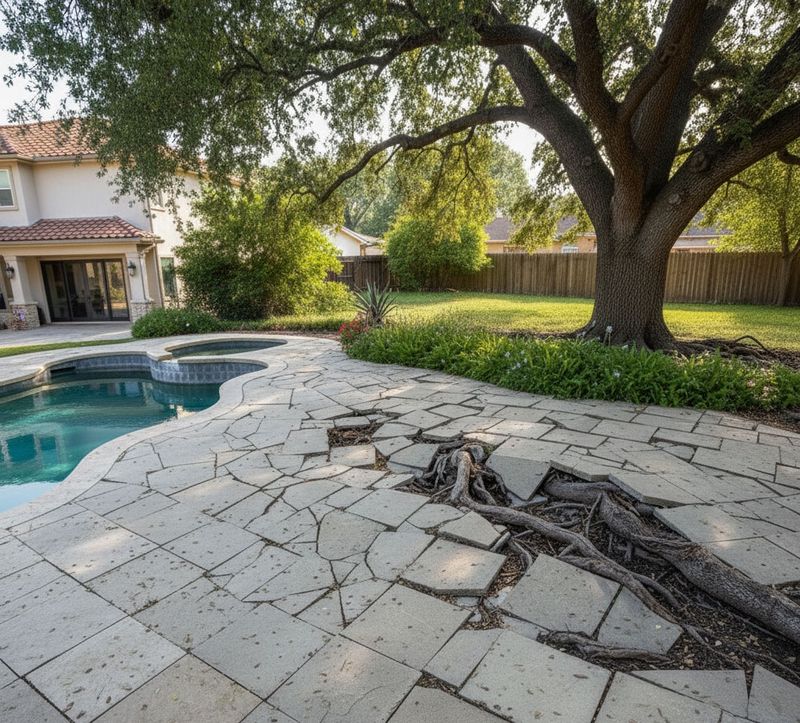
Picture a live oak next door whose limbs stretch across your fence. Louisiana Civil Code Article 688 speaks to exactly that kind of situation.
According to the text of Article 688, it covers branches that extend over your property and roots that extend into it.
The article allows you to demand that the neighbor trim the growth, and the neighbor bears the expense. That is the core of the rule, and it is a real right.
A neighbor cannot simply ignore a proper request and expect you to pay for the cleanup.
There is a catch, though. The right applies when the branches or roots interfere with your enjoyment of your property.
A limb that merely hangs over the line, without causing a problem, does not automatically qualify.
So the article permits a demand for trimming when encroaching growth interferes with your enjoyment. It does not say a neighbor must trim every overhanging branch or root.
That difference matters when you decide whether to speak to your neighbor, write a letter, or talk to a lawyer.
This is general information, not advice about your own dispute. Facts such as the size of the tree, the damage it causes, and how long it has been there can change how a court would see things.
How interference can affect your property
Dislike is not the same as interference. You might find a neighbor’s tree ugly, or you might wish it cast less shade, but those feelings alone do not satisfy Article 688.
The law ties the demand right to interference with your enjoyment of the property.
A Louisiana court discussion helps show what that can look like. In a Fifth Circuit opinion, the court described the right as qualified and limited by interference.
It noted that subjective dislike is not enough.
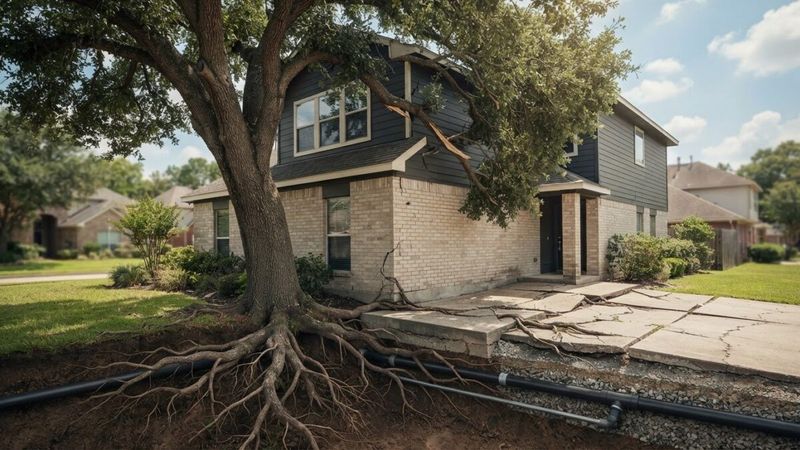
The examples discussed there include roots impairing a driveway and recurring debris landing in gutters, on a roof, or in a yard. Treat these as illustrations, not a universal test or a checklist that guarantees success.
Every case turns on its own facts.
Leaves, shade, and overhang are not automatic proof of interference. A few leaves in the fall is ordinary life under a tree.
Constant clogging that forces repeated repairs is closer to the kind of problem courts have talked about.
Ask yourself what the growth actually prevents or damages. Can you use the driveway, keep the gutters working, or use the yard?
Clear answers to those questions will strengthen your position under Article 688.
A demand does not give you a general right to trim

Many people read the headline and assume the next step is grabbing a saw. Article 688 does not say that.
It gives you a right to demand neighbor-paid trimming, but it does not spell out a general right to cut the neighbor’s growth back to the property line yourself, and it does not create an automatic enforcement process. If the neighbor refuses, the statute does not lay out what happens next.
Lawmakers have looked at filling that gap. HB 81 proposed a clearer self-help process.
According to the reengrossed text of the bill, a landowner could have the growth trimmed at their own expense by a licensed arborist, following arboricultural standards, after 30 days’ written notice by certified mail or a qualifying courier. It also proposed a limited option to trim without notice if the work is done reasonably and without material damage to the plant’s health.
Those are proposals only. The Legislature’s bill page lists HB 81 as pending, not enacted.
Until a bill becomes law, its notice period and self-help steps are not current legal requirements or permission.
Courts can become involved. A Louisiana appellate court discussed injunctive relief in an Article 688 dispute in Davas v.
Saia. That does not mean there is a simple remedy for every disagreement.
Cutting a neighbor’s tree on your own could lead to a claim for damage if the tree is harmed. Before you do any work, consider talking with a Louisiana attorney about your specific situation.
Document the problem and make a clear request
Start with the line itself. Find out where your property boundary actually runs, using a survey or plat if you have one.
Guessing can turn a simple request into a bigger argument.
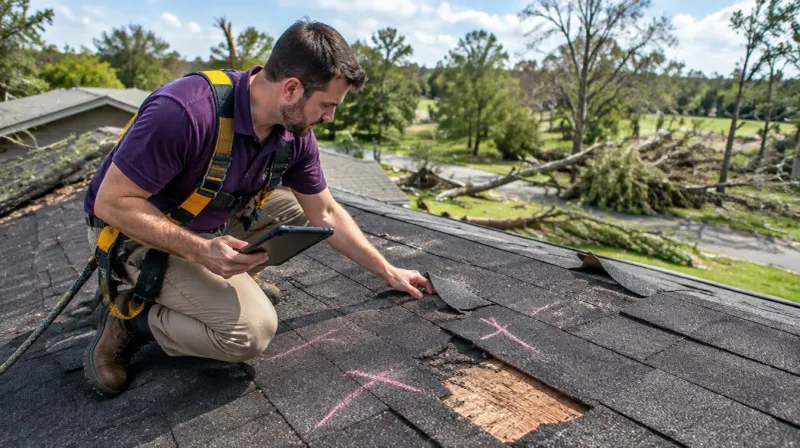
Next, record how the growth affects your use of the property. Take dated photos of cracked pavement, clogged gutters, or debris piles, and keep repair receipts.
Notes about how often the problem happens will help show real interference rather than annoyance.
Then make a clear written demand to your neighbor. Describe what is crossing the line, explain the problem it causes, and ask for trimming at the neighbor’s expense.
Keep a copy, and consider sending it in a way that gives you proof of delivery.
Article 688 does not prescribe a notice format or a deadline. No mandatory letter, 30-day waiting period, or automatic remedy comes from the current article.
Pick a reasonable timeframe and state it politely.
A friendly conversation first can go a long way, and your written follow-up simply records it. If the neighbor does not respond, a lawyer can explain your options for your own case.
Boundary trees follow a different rule

Not every tree trouble involves branches crossing over. Sometimes the trunk itself stands right on the line.
Louisiana treats that situation separately under Article 687.
According to Article 687, a tree, bush, or plant located on the boundary is presumed to be common, meaning shared by both owners, unless evidence shows otherwise. A survey, planting records, or other proof could point to a different answer.
The remedy is different too. An adjoining owner may demand removal of the boundary planting when it interferes with enjoyment of the property, but that owner bears the expense of the removal.
That is a flip from Article 688, where the neighbor pays for trimming.
Here is a simple way to sort it out. If the trunk sits entirely on your neighbor’s side and only branches or roots cross, think Article 688.
If the trunk is on the line, think Article 687.
Because the cost falls on the person asking for removal, it is worth getting a survey first. A boundary tree can also be valuable to both owners, so talk with your neighbor before demanding anything drastic.
Use qualified help for risky trimming
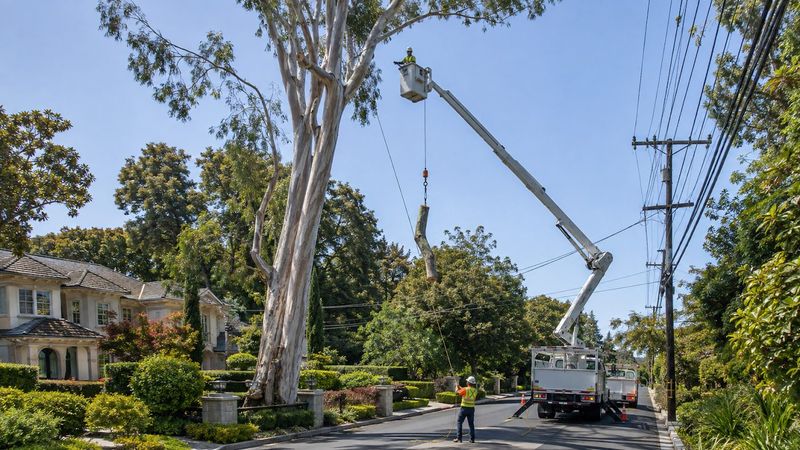
Tree work looks simple from the ground, but it can be dangerous. Louisiana also regulates who may do some of it.
The Louisiana Department of Agriculture and Forestry says people performing or recommending tree-surgery work, such as pruning and trimming, generally need an arborist license, subject to statutory exceptions.
That does not mean every small pruning job requires a license. It does mean you should check the rules before you hire someone or take on larger work.
For substantial or risky jobs, ask to see credentials and confirm they are current.
Power lines deserve special respect. Do not prune near energized lines yourself.
OSHA identifies tree work within 10 feet of energized power lines as line-clearance tree trimming, which carries specialized training and safety requirements.
If branches are close to wires, call the utility company or a qualified line-clearance contractor. A long pole saw or a metal ladder near a wire can turn deadly in a second.
High limbs and heavy branches also carry risks of falls and property damage.
Even if a neighbor agrees to pay, safe work still matters. A trimmed tree is never worth an injury.
Share this story