Get the latest garden guides in your inbox →
Gardening Latest
  • General Gardening
  • Lawn Care
  • Plant Care
  • Composting
  • Soil Health
  • Backyard
  • Garden Muse Magazine
  • General Gardening
  • Lawn Care
  • Plant Care
  • Composting
  • Soil Health
  • Backyard
  • Garden Muse Magazine
  • News
  • Gardening Calendar
  • Garden Structures
  • Vegetable Garden
  • Vertical Garden
  • Raised Beds
  • Hydroponics
  • General Equipment
  • Community Gardens
Garden Themes
  • Spiritual Garden
  • Hydroseeding
  • Seeding and Laying Sod
  • Artificial Grass
  • Lawn Care Equipment
  • Plants
  • Trees
  • Planting Tools
  • Composting Basics
  • Fertilizer
  • Alternative Growing Mediums
  • Front Yard
  • Backyard Activities
  • Landscaping
Gardening Latest

Explore by state

Which state is your garden in?

Currently viewing Louisiana

All states

Northeast

  • Connecticut —
  • Delaware 35
  • Maine —
  • Maryland 21
  • Massachusetts 37
  • New Hampshire —
  • New Jersey 21
  • New York 30
  • Pennsylvania 30
  • Rhode Island —
  • Vermont —

Southeast

  • Alabama 20
  • Arkansas —
  • Florida 21
  • Georgia 21
  • Kentucky 35
  • Louisiana 19
  • Mississippi —
  • North Carolina 19
  • South Carolina 34
  • Tennessee 17
  • Virginia 20
  • West Virginia —

Midwest

  • Illinois 19
  • Indiana 22
  • Iowa 34
  • Kansas —
  • Michigan 21
  • Minnesota 19
  • Missouri 19
  • Nebraska —
  • North Dakota —
  • Ohio 21
  • South Dakota —
  • Wisconsin 35

Southwest

  • Arizona 20
  • Colorado —
  • Nevada —
  • New Mexico —
  • Oklahoma —
  • Texas 19
  • Utah —

West

  • Alaska —
  • California 20
  • Hawaii —
  • Idaho —
  • Montana —
  • Oregon —
  • Washington —
  • Wyoming —

No state matches that search.

Site menu

Gardening Latest
  • General Gardening
    • News
    • Gardening Calendar
    • Garden Structures
    • Vegetable Garden
    • Vertical Garden
    • Raised Beds
    • Hydroponics
    • General Equipment
    • Community Gardens
    Garden Themes
    • Spiritual Garden
  • Lawn Care
    • Hydroseeding
    • Seeding and Laying Sod
    • Artificial Grass
    • Lawn Care Equipment
  • Plant Care
    • Plants
    • Trees
    • Planting Tools
  • Composting
    • Composting Basics
  • Soil Health
    • Fertilizer
    • Alternative Growing Mediums
  • Backyard
    • Front Yard
    • Backyard Activities
    • Landscaping
  • Garden Muse Magazine

Explore

  • About GardeningLatest.com
  • Contact Us

Get the latest from the garden

New guides on lawn care, plants and backyard projects, sent when they go up.

Subscribe →

Follow

  • Facebook
  • X
  • Pinterest
  • YouTube
Louisiana Gardening

Not Every Venomous Animal in a Louisiana Yard Is a Snake, and One Is a Shrew Smaller Than Your Thumb

Yes, a venomous animal in Louisiana can be a tiny shrew, not just a snake or a spider.

CB

By Celeste Boudreaux

November 26, 2026 · 5 min read

Not Every Venomous Animal in a Louisiana Yard Is a Snake, and One Is a Shrew Smaller Than Your Thumb

Yes, a venomous animal in Louisiana can be a tiny shrew, not just a snake or a spider. Expert accounts describe the southern short-tailed shrew as slightly venomous, which surprises many gardeners.

The details matter, because the strongest lab evidence comes from a close relative in the north. Here is what is known, what is not, and what to do if a wild animal ever bites you.

At a glance

Where
Louisiana Gardening
Hardiness zone
9 20 to 30°F
Read
5 minutes
Published
November 26, 2026

Meet Louisiana’s southern short-tailed shrew
Meet Louisiana’s southern short-tailed shrew
© The Mole Hunter

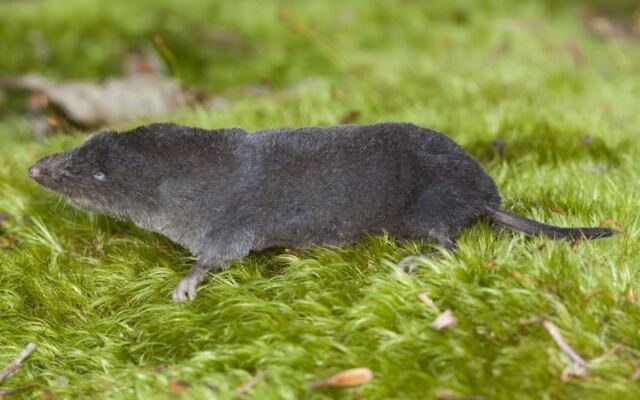
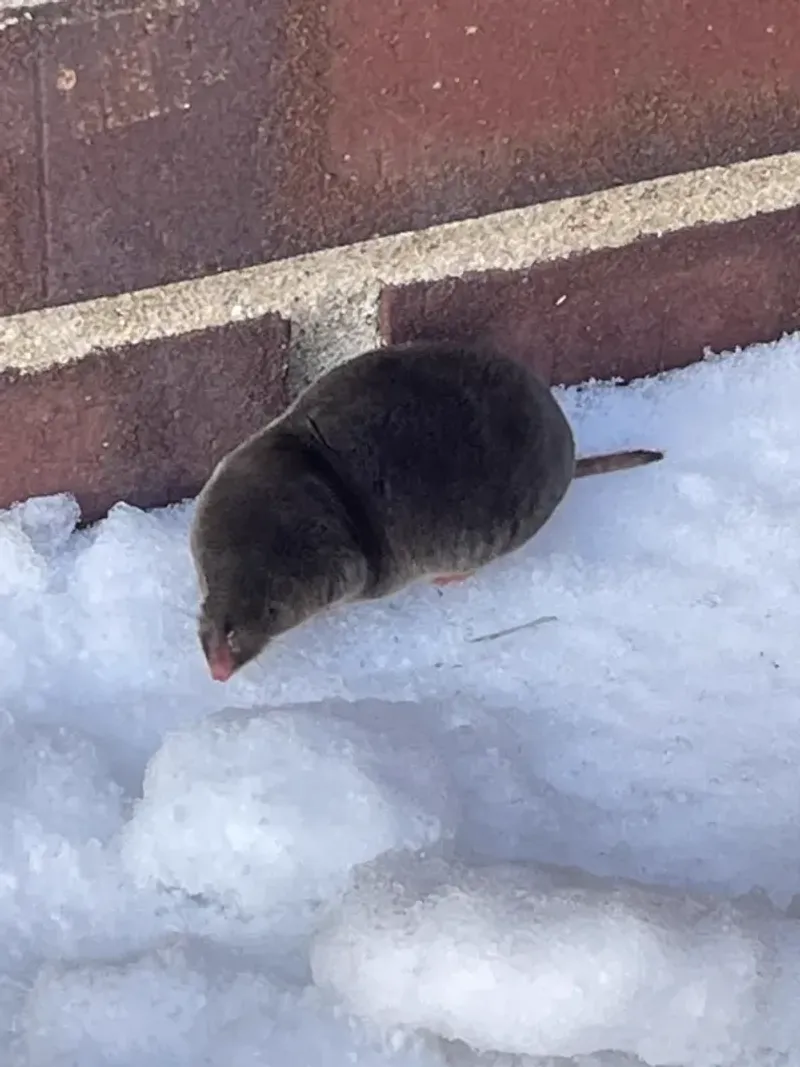
Louisiana’s short-tailed shrew is Blarina carolinensis, the southern short-tailed shrew. A recent Louisiana mammal checklist lists it for the state, and records place it in most parts of Louisiana.

The extreme southern coastal parishes are left out, so it should not be pictured in every yard in the state.

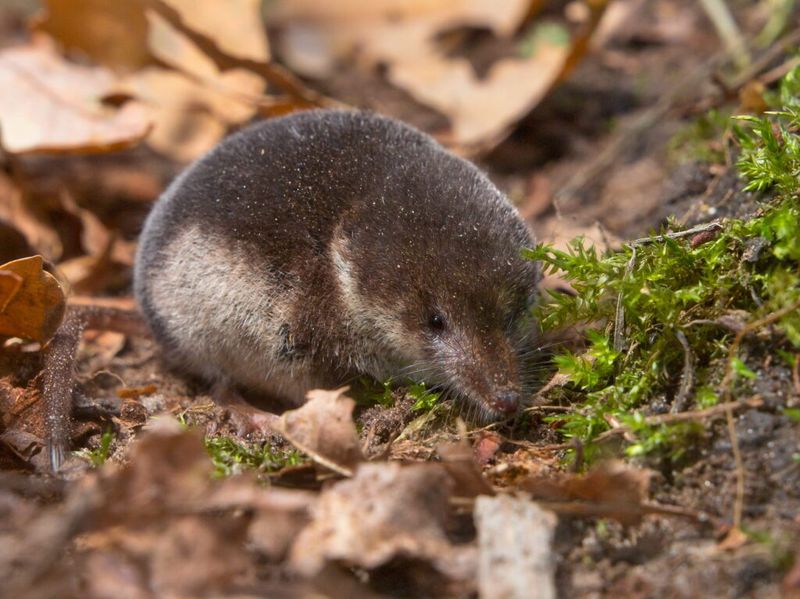
It is a compact, velvety-furred mammal with a short tail, small eyes, and a pointed nose. It is not a mouse, and it is not a rodent at all.

Shrews belong to a different group of mammals that hunt small animals.

Here is the surprise. The American Society of Mammalogists calls this species slightly venomous, meaning its saliva is described as toxic to prey.

That is an expert description, and it is not the same thing as a settled laboratory result for this exact species.

The next sections separate what is claimed from what has been tested. For now, think of this shrew as a quiet little hunter that most people never see, and one worth understanding rather than fearing.

What researchers know about its venom
What researchers know about its venom
© Better Termite

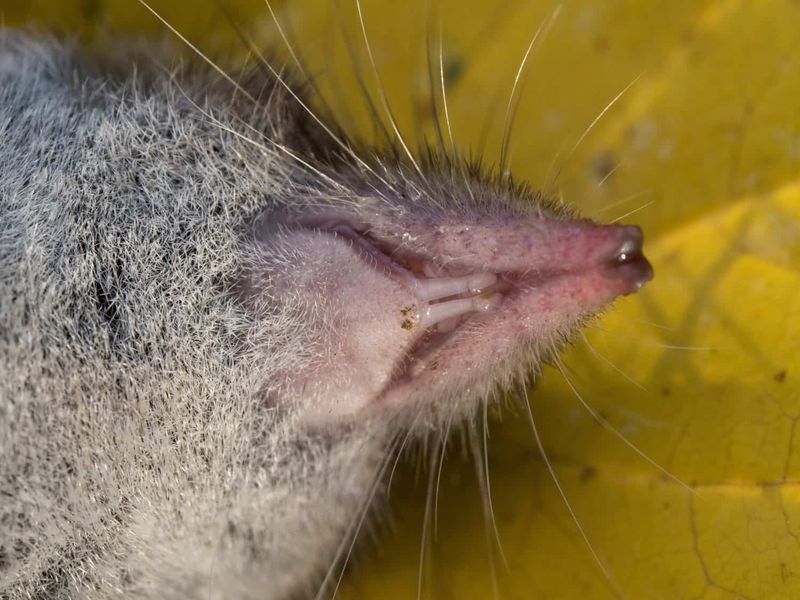
Experts do describe the southern short-tailed shrew as venomous. The American Society of Mammalogists calls it slightly venomous, and a Texas Tech species account also describes venom in its saliva.

There is a catch. A peer-reviewed review says the evidence for Blarina carolinensis is circumstantial, based mostly on how prey reacted, and that its saliva had not been experimentally tested.

A Texas Tech species account reports them in forest, in openings associated with forest, and in meadows.

The hands-on toxin work was done on a different animal. Researchers isolated and characterized a toxin from the salivary glands of the northern short-tailed shrew, Blarina brevicauda, in a primary toxin study.

So there are two different levels of certainty. For the northern species, a toxin has been pulled out and studied.

For the Louisiana species, the venom label comes from expert accounts and observations.

The two shrews are close relatives, so the northern results are a useful clue. A clue is still not proof, and it is fair to say Louisiana’s shrew is described as venomous while its saliva awaits direct testing.

How venom may help a shrew catch prey
How venom may help a shrew catch prey
© A-Z Animals

Picture a hunter with a fast metabolism and a lot of food to find. In the northern species, researchers found that toxin came from the submaxillary and sublingual salivary glands, as described in the toxin study.

When the toxin was given to mice in experiments, it caused serious effects. That fits the idea that venom helps a shrew calm or subdue prey, and many scientists consider that a plausible job for it.

The idea comes with limits. Those mouse experiments involved Blarina brevicauda, not Louisiana’s Blarina carolinensis, so they do not give the same direct proof for the southern species.

Nor is prey control the settled or only purpose. A peer-reviewed study of venom genes shows that the broader evolutionary role of shrew venom is still debated.

For a gardener, the useful takeaway is simple. Shrew saliva may help with small prey such as worms and insects, but scientists are still working out how and why it evolved.

Where the shrew lives and what it eats
Where the shrew lives and what it eats
© Cambridge Day

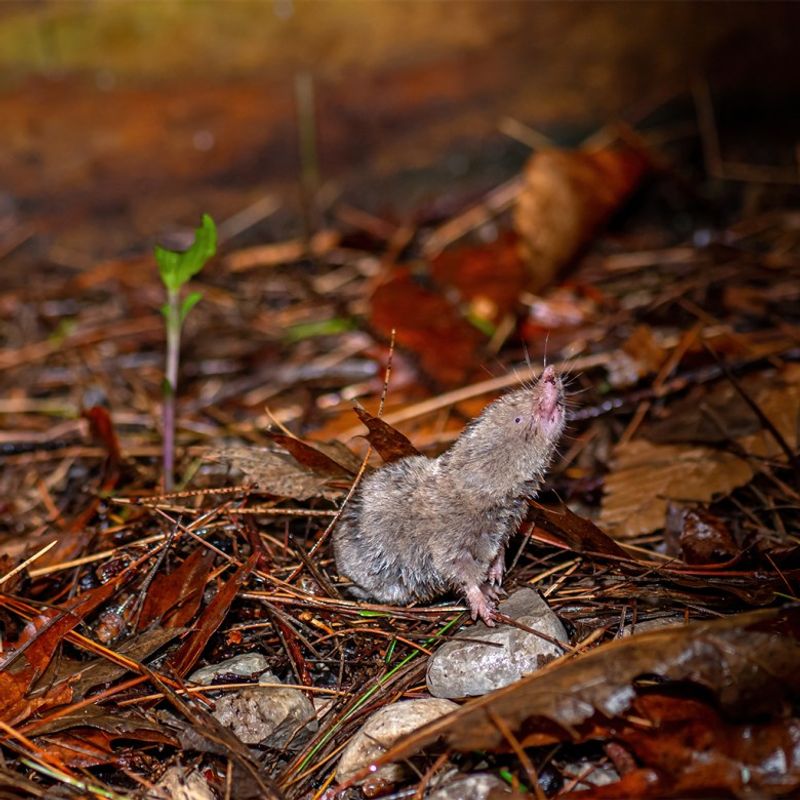
Southern short-tailed shrews use covered habitats. A Texas Tech species account reports them in forest, in openings associated with forest, and in meadows.

What links those places is cover near the ground, where a small animal can move without being easily seen. That is the safest reading of the records.

Nothing in them says leaf litter or garden beds are a typical hunting ground, so a gardener should not expect to find one under every mulch pile.

The reported diet is made up of small animals. Insects, worms, and snails are common prey, and the shrew occasionally takes small vertebrates.

That menu explains why a shrew might pass through a planted area now and then, since the same creatures live in damp, covered ground. It is a general link, and it does not make shrews a common garden resident.

If you want to notice shrews, look at the habitat around your property rather than at one flower bed. Shady, covered ground near woods or meadow edges is where the records point.

A bite deserves care, not panic
A bite deserves care, not panic
© The Mole Hunter

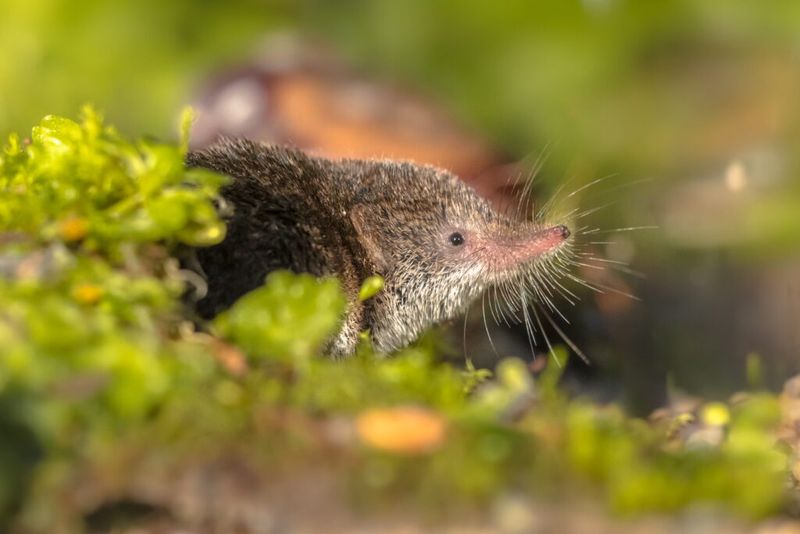
Risk to people needs some proportion. The toxin study cites accounts of human bites from the northern short-tailed shrew that involved localized symptoms, such as burning and swelling.

The Texas Tech account adds that serious effects on humans are unlikely from the southern species.

Neither point predicts what will happen with every bite. A shrew bite is not a reason for alarm, and it is also not something to shrug off.

Any bite from a wild animal can break the skin and bring germs along with it.

The simplest protection is to leave shrews alone. CDC guidance on wildlife advises people to avoid handling wild animals.

Do not try to catch a shrew to identify it, and do not judge a bite by how small the animal was. Wear gloves when moving boards, pots, or brush, and let the animal walk away.

Wash a bite and ask a professional
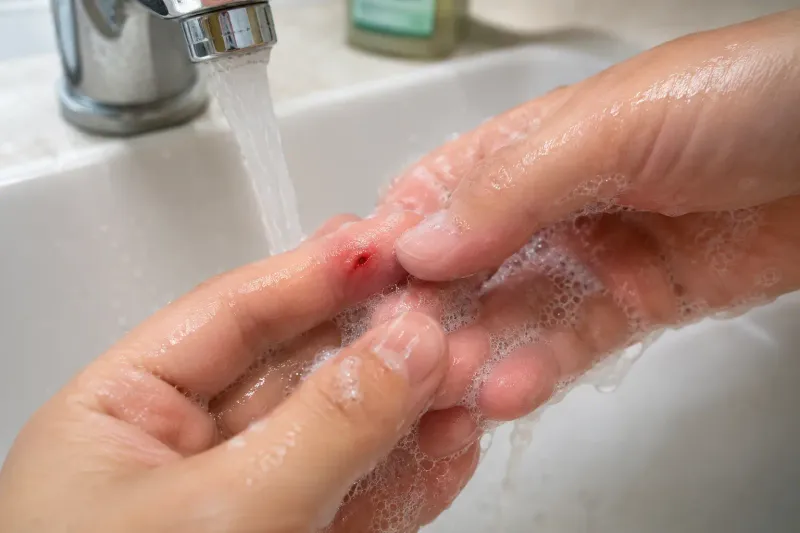
Wash a bite and ask a professional
© SafeRabies

If a wild animal bites or scratches you, wash the spot right away with soap and water. Then call a healthcare or public-health professional to talk about the exposure and whether more care is needed, as outlined in CDC guidance on when to seek care.

The same advice appears in the agency’s general wildlife safety material. Skip home diagnosis, and do not rely on the animal’s size to decide how worried to be.

Louisiana’s shrew may be slightly venomous, but the proof for that label depends on which shrew you mean. The lab evidence belongs to the northern cousin, and the southern one is still waiting for its saliva to be tested.

Share this story
CB

Written by

Celeste Boudreaux

More from Celeste Boudreaux →

About Gardening Latest

Gardening Latest provides in-depth guides to maintaining and enhancing your garden and backyard. Learn how to make the most of the space you have and create a beautiful garden.

More about us →

Latest stories

  • Delaware GardeningThat Green Caterpillar With a Brown Saddle Stings Hard in Delaware Gardens, and Here’s What to Do First

    That Green Caterpillar With a Brown Saddle Stings Hard in Delaware Gardens, and Here’s What to Do First

    3 min ago
  • South Carolina GardeningBlack Vultures Roosting on Your South Carolina Roof This Winter Are Tearing Up More Than Shingles

    Black Vultures Roosting on Your South Carolina Roof This Winter Are Tearing Up More Than Shingles

    11 min ago
  • Kentucky GardeningWhy Kentucky Deer Are Rubbing the Bark Off Your Young Trees, and How to Stop the Damage Before Spring

    Why Kentucky Deer Are Rubbing the Bark Off Your Young Trees, and How to Stop the Damage Before Spring

    17 min ago
  • Florida GardeningFlorida Is Full of Harmless Critters That Look Venomous, and These 7 Send People Running

    Florida Is Full of Harmless Critters That Look Venomous, and These 7 Send People Running

    23 min ago
  • Maryland GardeningThere’s an Invasive Tree Moving Through Maryland Neighborhoods, and Hand-Pulling Can’t Keep Pace

    There’s an Invasive Tree Moving Through Maryland Neighborhoods, and Hand-Pulling Can’t Keep Pace

    30 min ago

Gardening by state

Stories for your state, and the hardiness zone most of it gardens in.

Keep exploring

Read next

All Louisiana Gardening →
Louisiana GardeningWhy Pulling Seedlings Won’t Stop the Invasive Tree Spreading Across Louisiana Neighborhoods
Louisiana Gardening

Why Pulling Seedlings Won’t Stop the Invasive Tree Spreading Across Louisiana Neighborhoods

17 hr ago
Louisiana GardeningSpotted a Giant Flower Stalk Rising From Your Louisiana Palm? Here’s Why, and Whether to Cut It Off
Louisiana Gardening

Spotted a Giant Flower Stalk Rising From Your Louisiana Palm? Here’s Why, and Whether to Cut It Off

20 hr ago
Louisiana GardeningA Hurricane Just Dropped Your Neighbor’s Tree in Your Louisiana Yard, So Who Actually Pays?
Louisiana Gardening

A Hurricane Just Dropped Your Neighbor’s Tree in Your Louisiana Yard, So Who Actually Pays?

23 hr ago

More from Louisiana Gardening

  • If an Asp Caterpillar Stings You in Your Louisiana Garden, Here’s What to Do Right Away

    Nov 24
  • From Cottonmouths To Brown Recluses, Here’s How To Identify The Venomous Creatures In Louisiana Yards

    Nov 24
Back to top

Leave a response Cancel

Your email address stays private. Required fields are marked with an asterisk.

Gardening Latest

In-depth guides to maintaining and enhancing your garden and backyard: how to make the most of the space you have, and how to make it beautiful.

  • Facebook
  • X
  • Pinterest
  • YouTube

We may earn a portion of sales from products or services that are purchased through our site as part of our affiliate partnerships with retailers.

Explore

  • About GardeningLatest.com
  • Contact Us
  • Terms and Conditions
  • Privacy
  • Editorial Note:
  • FTC Disclosure

Newsletter

New garden guides and seasonal tips, straight to your inbox.

We’ll email you a link to confirm. Unsubscribe any time.

Almost there! Check your inbox and tap the link to confirm.

© 2026 Gardening Latest. All rights reserved.

Back to top