Pulling seedlings won’t stop the invasive tree spreading across Louisiana neighborhoods, because pulling only removes the plants you can see. New seeds can drift in, and roots left behind can send up fresh shoots.
Still, pulling a very small seedling does get rid of that one plant, so it is worth doing the right way. Here is how to tell what you are dealing with and what to do next.
The tree may be Chinese tallow
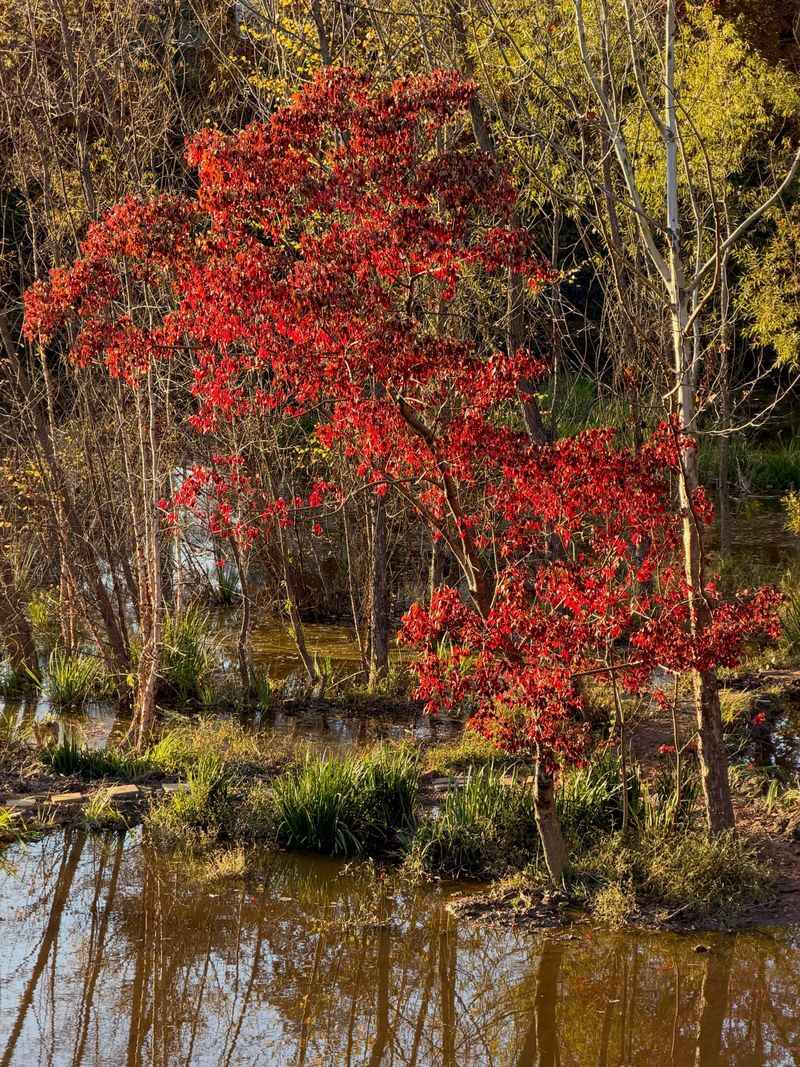
Homeowners across south and central Louisiana often notice a fast-growing tree with rounded, heart-shaped leaves that turn red and orange in fall. In many cases, the tree behind the mystery seedlings is Chinese tallow, also called popcorn tree.
The name comes from its white, waxy seeds that stay on the branches after the leaves drop.
According to the LSU AgCenter, Chinese tallow is common in Louisiana neighborhoods and is established across the state. That helps explain why so many residents run into it, whether in a backyard corner, along a fence, or in a vacant lot next door.
Keep in mind that a young plant in your yard is only a possible Chinese tallow. Many native and ornamental seedlings look alike when they are small, so check the leaves, the milky sap, and any nearby mature trees before deciding what you have.
If you are unsure, an extension office can help you confirm it.
There is also a practical point to understand early. Removing one plant does not necessarily remove the sources of other growth.
A seed-bearing tree down the block, or a larger tree with roots running under your lawn, can keep supplying new plants long after you finish a cleanup.
That is why the rest of this article separates the different ways new growth shows up. Each source calls for a slightly different response.
Knowing which one you face keeps your effort focused and your expectations realistic.
Seeds can bring new seedlings into a yard
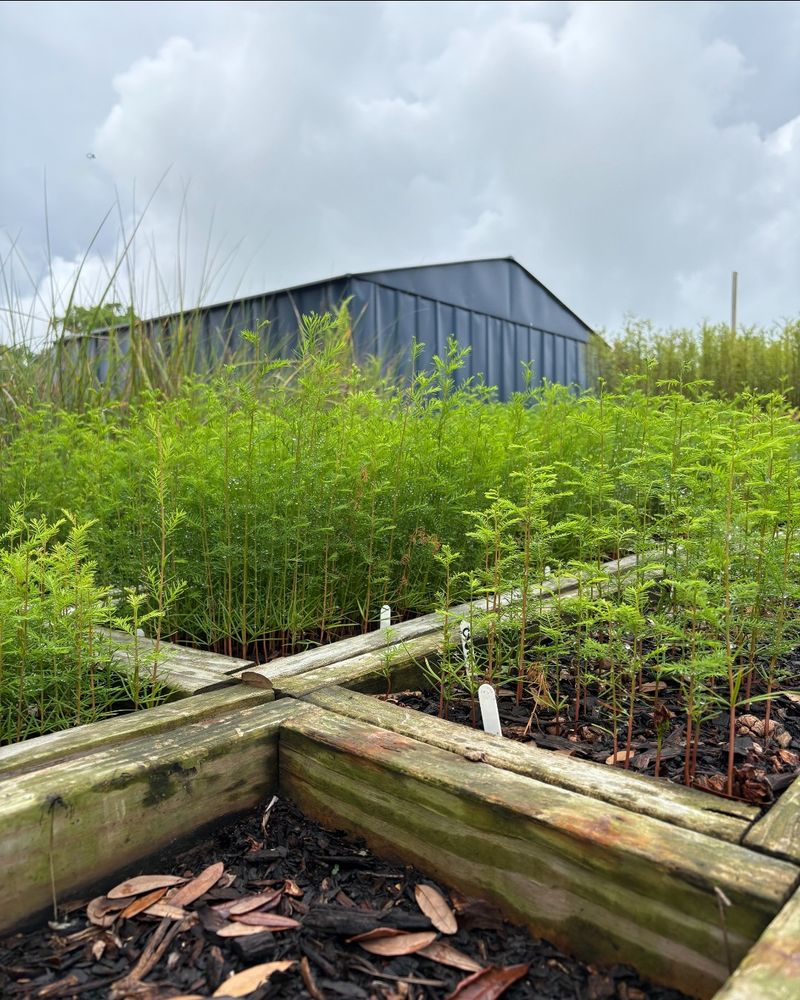
A single mature Chinese tallow can produce a huge amount of seed. Mississippi State University Extension notes that birds and water spread those seeds, which lets the tree travel well beyond where it first took root.
For a homeowner, that means new seedlings can show up after you have cleaned a bed or lawn. A bird perched on a power line or fence may drop seeds along the way.
Rain runoff or a drainage ditch can also carry seeds into low spots.
Whether this happens in your yard depends on local conditions. Having seed-producing trees nearby, active bird traffic, and a path for water all raise the odds.
A yard far from any mature tree may see very little.
The LSU AgCenter says seed is the most common way the tree gets started. Even so, seeds explain only part of the picture.
Some shoots you find come from roots instead, which is covered in a later section.
A useful habit is to look at where your seedlings appear. Plants scattered under a fence line or beneath a favorite bird perch point toward seed.
A tidy cluster growing near a large tree may tell a different story.
Pull very small seedlings while the soil is soft
Hand pulling does work on the smallest plants. Alabama Cooperative Extension says seedlings can be pulled when they are very small.
Pulling one removes that plant, and that is a real gain.
Try to get as much of the root as you reasonably can. Grip the stem near the soil line and pull slowly instead of yanking, so the stem does not snap off.
Soil that is soft after rain is easier to work with, as a government weed-control guide from New South Wales points out.
Timing matters because the plant does not stay easy to pull. Saplings develop a deep taproot, which makes them much harder to remove by hand.
There is no exact height that marks the switch, so use your own judgment. If the plant resists or the stem starts to tear, stop and consider another approach.
Wear gloves while you work, since the sap can bother skin. Drop pulled plants in the trash instead of leaving them where seeds or roots could settle again.
Remember that a clear bed is not a permanent result. Other seeds may arrive, and roots from a larger tree may send up shoots.
Pulling is a good first step, and it works best alongside regular checks.
Some shoots grow from established roots
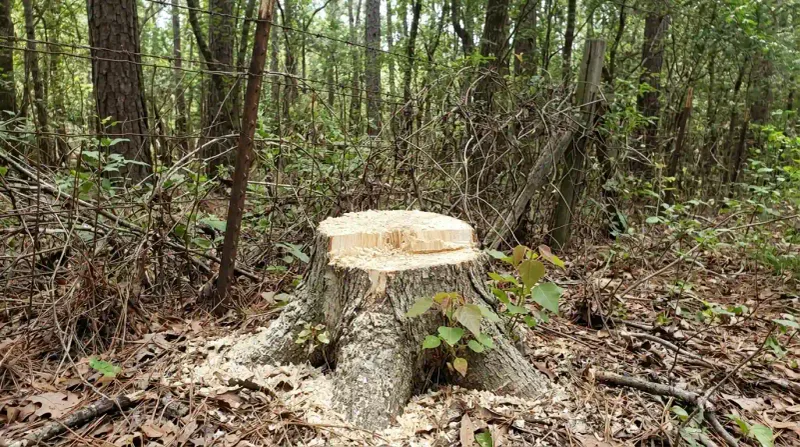
Not every young stem began as a seed. A tree that is already established can send shoots up from its lateral roots, which run sideways just below the surface.
These are often called root suckers.
The difference matters when you start pulling. Alabama Cooperative Extension explains that shoots arising from lateral roots may break off when removed and then resprout.
The root stays in the ground and simply tries again.
Some clues can help, though none is perfect. Several shoots in a row or ring around a bigger tree suggest roots.
A lone plant far from any tree is more likely to be seed-grown. Digging gently beside a stem may show whether it connects to a horizontal root.
Appearance alone cannot settle the question every time, so treat these clues as hints. If the same spot keeps producing stems after you pull them, that pattern is informative on its own.
In that case, repeated pulling may not be the right tool. Shoots near a larger tree often need a different plan than a single, isolated, very small seedling.
That might mean addressing the parent tree itself, ideally with guidance from your local extension office.
Cutting a larger tree may leave it able to regrow
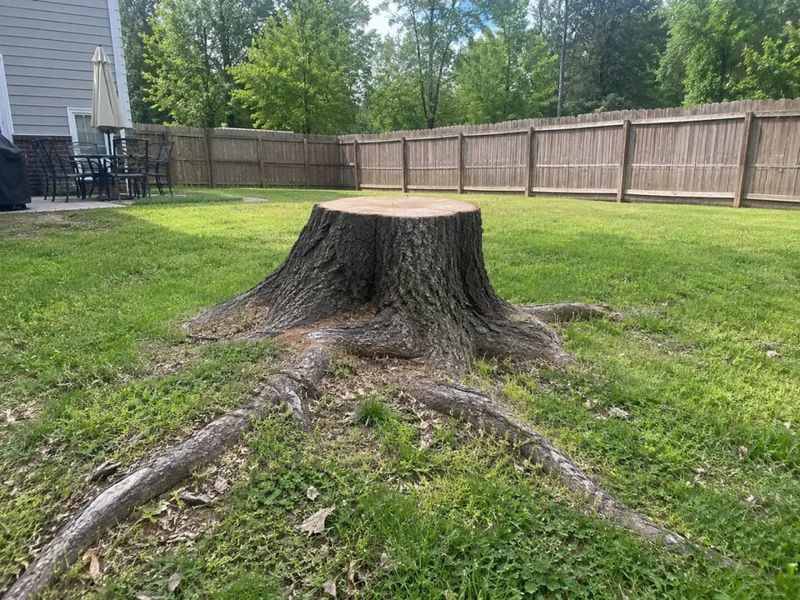
Taking a saw to a big Chinese tallow feels decisive, yet the stump often has other plans. Cut stumps can resprout, and the new growth can be vigorous.
Damage to lateral roots, from digging or heavy equipment, can also trigger extra shoots.
Alabama Cooperative Extension reports that repeated mowing can increase stem density through sprouting, and that larger trees can regrow after fire. The LSU AgCenter also describes herbicide-based approaches for larger trees.
So cutting, mowing, or burning alone should not be counted on to finish the job.
Extension sources describe methods such as cut-stump treatment, where a product is applied to the freshly cut surface, and basal-bark treatment, where it is applied to the lower trunk. These may suit some trees and some sites.
They are not simple household recipes.
The better mindset is to plan for regrowth before you cut. Decide who will check the stump, how often, and what you will do if sprouts appear.
A cut with no follow-up can leave you with more stems than you started with.
If the tree is large, close to a structure, or hard to reach, professional help is a sensible choice. That also leads into the next question of matching any treatment to your particular site.
Match treatment to the site
Herbicide choices depend on the product, the method, and the place. No single mixture, rate, or schedule fits every yard, so this article does not offer one.
The current product label is your rulebook, and it lists the uses and limits that apply.
Some treatments can harm nearby plants, including shrubs, gardens, and valued trees. Alabama Cooperative Extension cautions about non-target damage and about restrictions for sites near water.
A tree beside a pond, bayou, or drainage ditch is a very different case from one in the middle of a lawn.
Mississippi State University Extension raises similar cautions about herbicide use. For a large tree, a wet or sensitive site, or a tree close to plants you value, contact your parish extension agent or a qualified professional before treating anything.
Handle the plant carefully as well. A weed profile from New South Wales, Australia reports that the milky sap can irritate skin and that eating plant parts can cause illness.
It advises protective clothing. That is handling advice only, and it says nothing about Louisiana law or rules.
In practice, wear long sleeves, gloves, and eye protection, wash up afterward, and keep children and pets away from cuttings. Do not let anyone put leaves, seeds, or stems in their mouth.
Check for new growth after removal
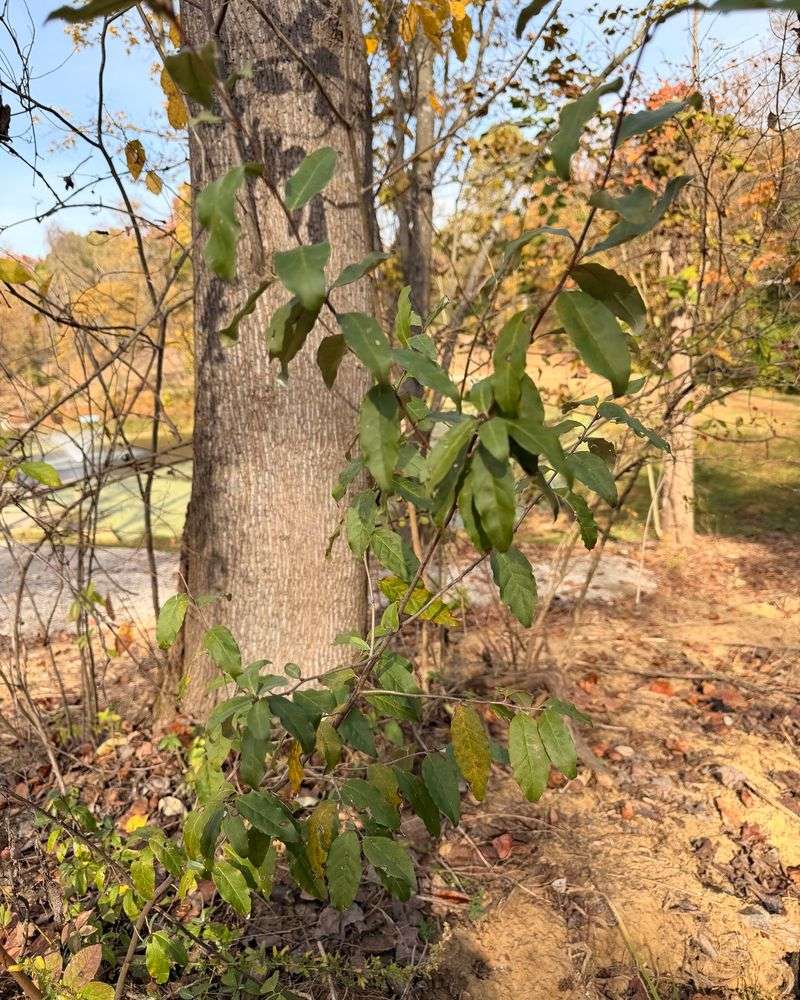
Think of control as a routine rather than a single afternoon. Start by pulling very small seedlings when you can.
Then ask where new growth might come from, such as seed-bearing trees nearby or roots from a larger tree.
After that, keep looking. Mississippi State University Extension describes abundant seed spread by birds and water, so walk the fence lines, drainage spots, and bed edges every so often.
For stumps and shoots, Alabama Cooperative Extension notes that regrowth is common, so follow-up checks matter there too.
Plan on repeat visits through the growing season, and pull anything new while it is still tiny. For larger trees or tricky spots, ask for site-appropriate guidance before acting.
A cleared yard is a snapshot, and the tree plays a long game.
Share this story