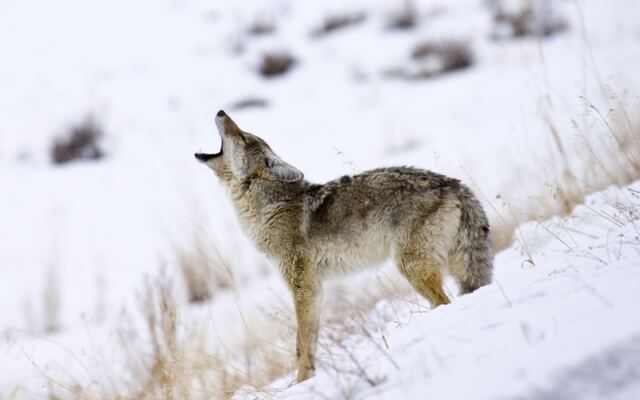
A coyote chorus after dark tells you one clear thing: coyotes are calling within hearing range of your home. It does not tell you how many there are, where they stand, or why they are singing.
That gap between what you hear and what you can know matters, especially if you have a cat or a small dog. Here is how to read the sound calmly and what to do about it.
What the sound can tell you
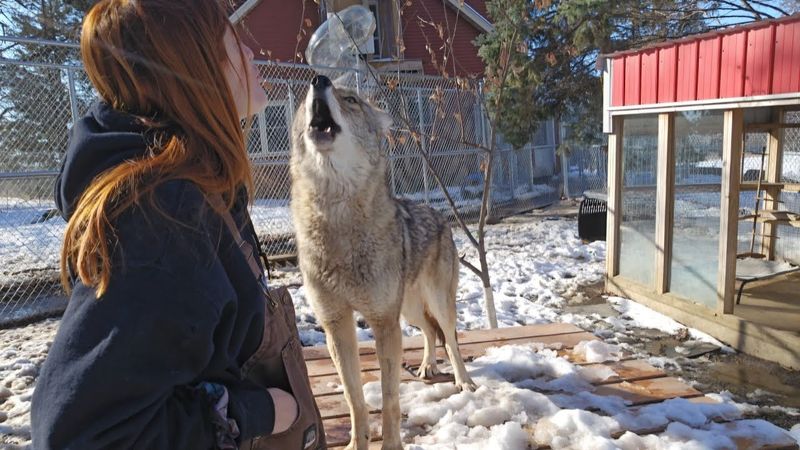
Picture yourself at the kitchen window at ten at night, listening to yips and howls drifting across the yard. The sound confirms one thing: at least one coyote is vocalizing close enough for you to hear it.
That is the whole of it.
The sound alone cannot pinpoint where the animals are. Night air, trees, houses, and open fields bend and carry noise in odd ways, so a call that seems to come from your back fence could be a long way off.
The Minnesota DNR says coyotes in the state can be heard yipping for miles, and they may call alone or in groups.
A chorus also cannot count the singers for you. Two coyotes can sound like many more, and a single animal can sound like a small crowd.
Nor does it show that anything is heading toward your house. A howl is information about sound, not about distance or intent.
That is why this article takes a practical approach. Instead of trying to decode every call, you can read the sound cautiously and base your choices on things you can actually see.
Is food left outside? Is a small pet roaming unsupervised?
Is a coyote actually in your yard acting bold?
Those questions lead to useful action. Howling by itself gives you nothing to fix, but the conditions around your home often do.
The sections ahead cover what calls may mean, why numbers are tricky, what the seasons add, and how to protect your pets without losing sleep.
Coyotes use calls to stay connected and signal territory
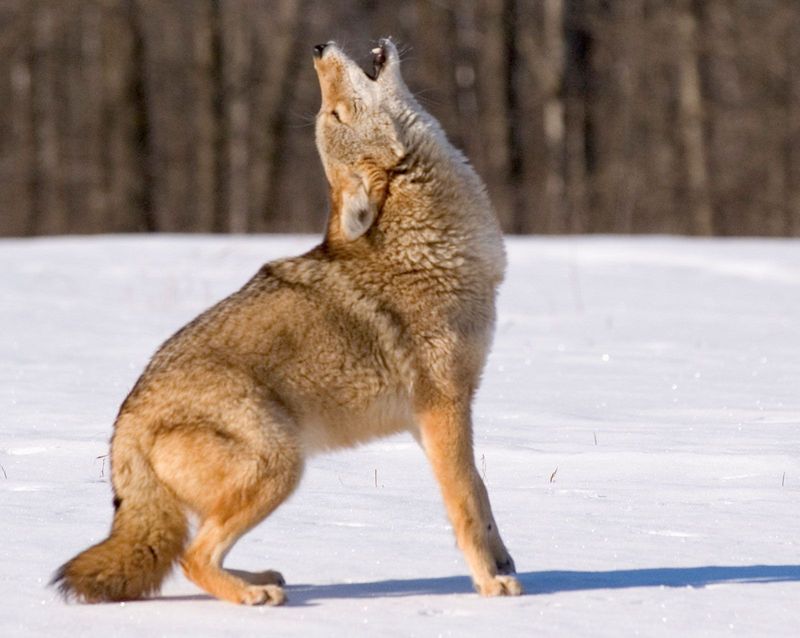
Coyotes talk with a mix of howls, yips, and barks, and each sound can do a job. Minnesota DNR writing for young naturalists describes calls that help coyotes locate family members, and that help relatives regroup after they have hunted separately.
Calls can also tell other coyotes that a home range is taken. A USDA wildlife management guide on coyote ecology and damage management says howling can communicate an animal’s location or signal that a home range is occupied.
Think of it as a neighborhood announcement aimed at other coyotes, not at you.
Notice the words possible and can. These are things calls may do, not a decoder for the chorus outside your window tonight.
You cannot listen to a burst of yips and say, with confidence, that the family is regrouping or that a boundary is being defended.
The same sound might serve more than one purpose at once, or a purpose nobody could guess from the porch. Without seeing the animals, any single explanation is a guess.
What you can take from this is a calmer view. Howling is ordinary communication between animals that live in the same area.
It is closer to a phone call between relatives than a warning flare, and it deserves curiosity more than concern.
A chorus is a poor head count
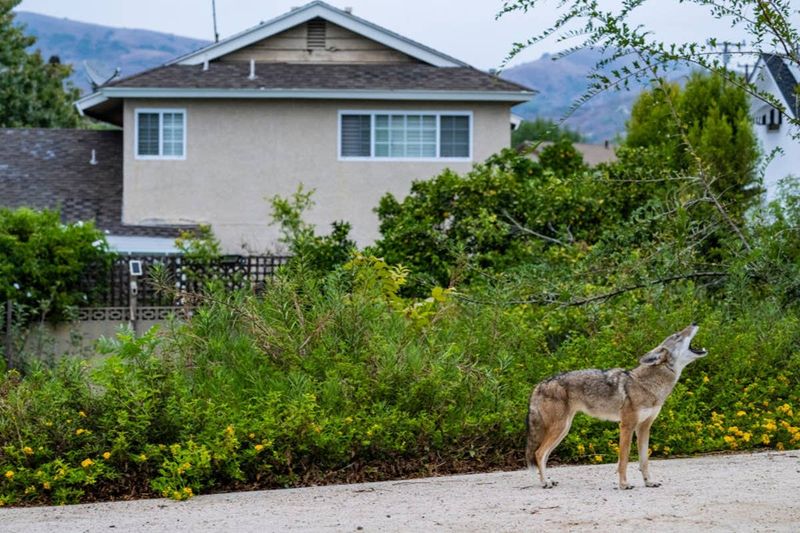
Most of us assume that more voices means more animals. Research suggests our ears are not great at that math.
A controlled playback study, published in Human-Wildlife Interactions in 2017, played recordings of one to four coyotes to 427 southern Texas residents.
The listeners overestimated group size by nearly twofold on average. Only 11% gave the exact number.
In other words, people regularly heard more coyotes than were really calling.
Keep the study’s limits in view. It used recordings, not live animals, and its volunteers were southern Texas residents, not Minnesotans standing in their own yards.
The result shows that people can overcount. It is not a formula for shrinking what you hear into a real number, and nobody should divide a Minnesota chorus by two and call it a tally.
Why does the mistake happen? Coyote calls overlap, rise and fall, and mix howls with yips, which can make a few voices sound busy and layered.
Echoes and distance add to the effect.
So loudness and complexity are not a dependable census. If you want to know what is truly around your home, look for observable signs such as tracks in snow or a coyote seen in daylight, rather than trusting how big the sound feels.
Minnesota seasons make howling plausible, not predictable
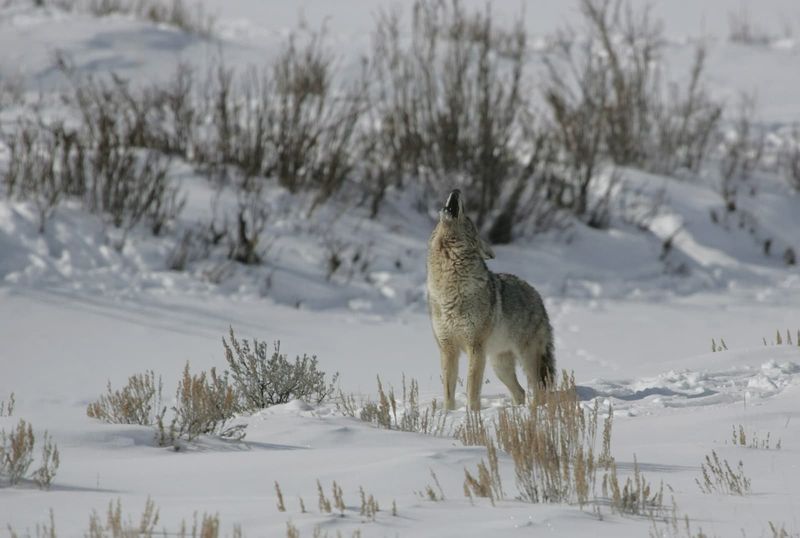
Minnesota’s calendar gives some background for why you might hear more coyotes in certain months. The state DNR says coyotes are vocal in autumn.
It also notes that pups are born in April and begin leaving the den and searching for territories from autumn into mid-winter.
Young animals on the move and adults keeping track of one another could plausibly mean more calling when the leaves drop and snow arrives. Long winter nights also leave fewer daytime sounds to cover the noise, so a distant chorus may simply be easier to notice.
That is where the usefulness ends. A season describes a general pattern across many animals and many places.
It does not explain why a certain group sang at 11:40 last Tuesday, and it cannot tell you when they will do it again.
Nor can the season tell you where the coyotes are. A fall chorus might come from the next block or from well beyond the woods, and the date on the calendar will not settle that.
Treat the seasons as a gentle expectation rather than a forecast. If you know that autumn and winter bring more chances to hear coyotes, you can be unbothered when it happens, and keep your attention on the practical matters you can control around your yard.
A howl does not prove a kill or a moonlit cause
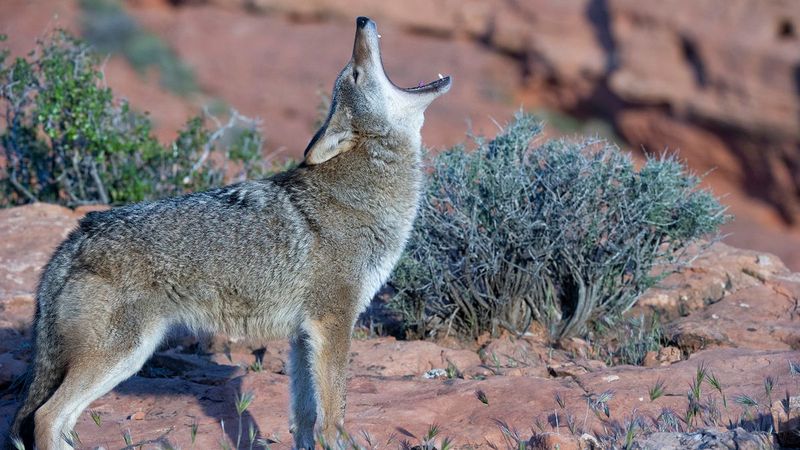
Two explanations for howling show up again and again. One says coyotes are announcing a kill.
The other says the moon makes them do it. Neither holds up as a general answer.
Start with the kill. Calls can help family members regroup after hunting separately, as the Minnesota DNR explains.
Regrouping is not the same as celebrating. Massachusetts wildlife officials reject the idea that howling announces a kill.
Howling alone does not establish that prey has been taken, and a chorus by itself is not a sign that something has died nearby.
Now the moon. Howling at the moon is folklore, not something you can conclude from what you hear.
A Saskatchewan study, reported in The American Midland Naturalist in 1996, found that group howling and group-yip howling decreased as moonlight increased, while lone howling showed no relationship to the moon.
That finding belongs to that study’s setting. It does not hand us a rule for Minnesota coyotes in every season or condition.
What it does is weaken the simple claim that a full moon makes coyotes howl more.
So when the chorus starts, there is no need to look up at the sky or fear the worst. The sound is just a sound, and its true cause stays out of reach.
Protect pets and remove easy food
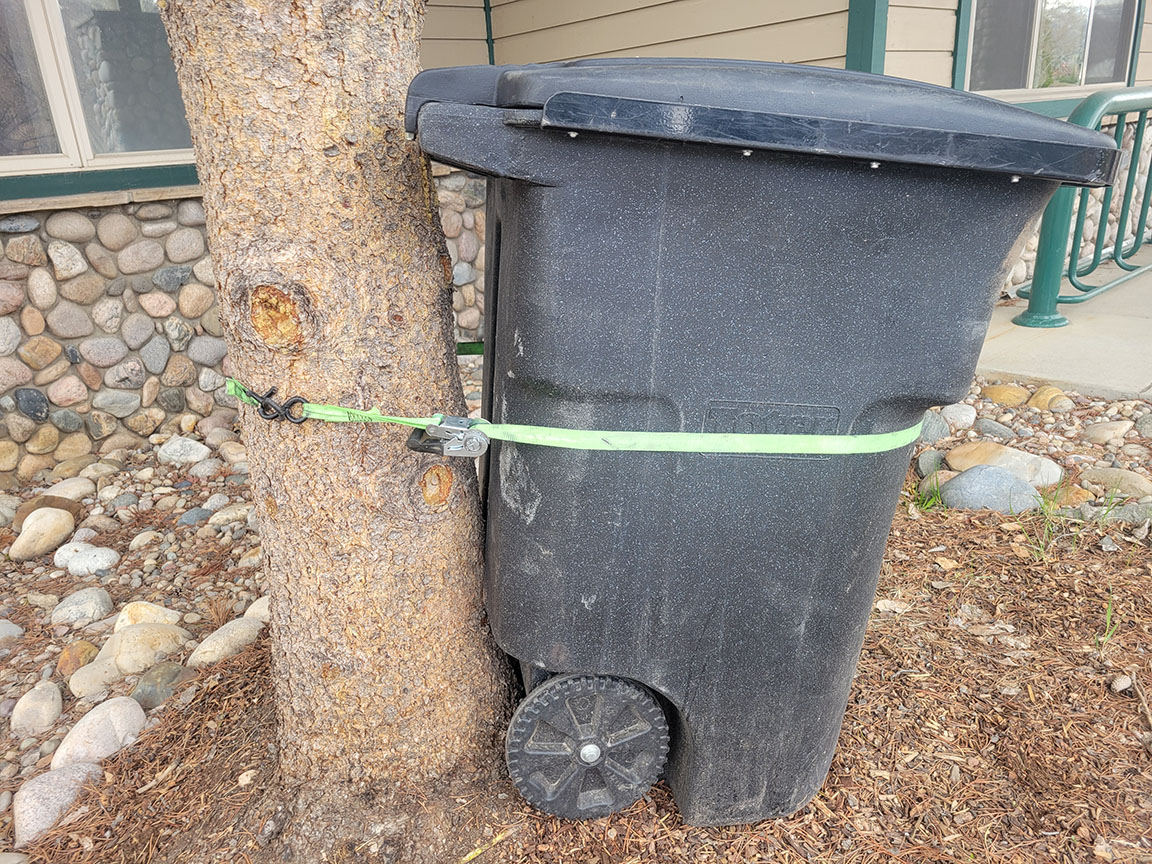
Because coyotes will take an easy meal, the most useful thing you can do has nothing to do with the sound. The Minnesota DNR says most coyotes avoid people, yet its guidance on living with urban coyotes still recommends a few sensible steps.
First, secure food sources. Keep garbage in sturdy, closed containers, and think about bird feeders, which can spill seed that draws rodents and then the animals that hunt them.
Pick up fallen fruit and other scraps outside.
Second, never feed coyotes, and do not leave pet food outdoors. Feeding can teach a coyote to lose its caution around people, and a bowl on the porch is the same kind of invitation.
Bring dishes in at night.
Third, watch your small animals. Supervise cats and small dogs when they are outside, or keep them confined, especially around dusk and after dark.
A leash, a fenced yard you stay in with them, or an indoor evening routine all work.
None of this means a chorus signals an imminent encounter. These are everyday habits that lower risk whether or not you ever hear a howl.
Once the food is secured and your pets are watched, the sound outside becomes much less of a worry.
Let the animal’s behavior guide your response
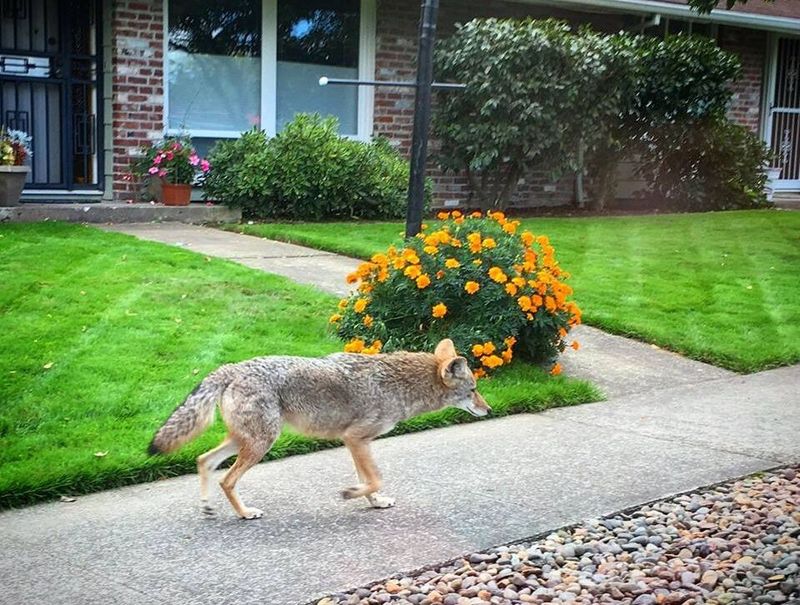
Hearing a coyote and watching one are very different experiences. If you hear howling, see no animal, and notice no other sign of trouble, the Minnesota DNR’s guidance gives no reason to intervene based on sound alone.
Carry on with your evening.
Things change when a coyote is actually present and acting differently. The DNR advises harassment, such as chasing or shouting, when a coyote does not immediately run from people.
Stand at a safe distance, make yourself loud and large, and keep going until it leaves. Never approach, feed, or try to engage a coyote to figure out what it is up to.
Some behavior calls for more than shouting. The DNR’s urban coyote guidance says to contact a local DNR wildlife office or a conservation officer if you see depredation, such as attacks on pets or livestock, or aggressive behavior toward people.
Keep in mind that city rules can affect which actions are allowed where you live. Before you try anything beyond scaring an animal away, check local ordinances or ask the officer who responds.
The pattern is simple. Sound is background, while behavior is the signal worth acting on.
A coyote that bolts when you open the door is behaving like a wild animal should, and that quiet departure is the best outcome you can hope for.
Share this story