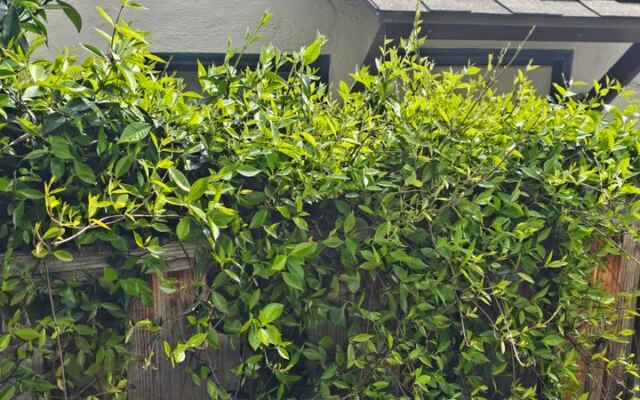
Yes, in Minnesota you may be able to cut back a neighbor’s growth that reaches over onto your side, up to a point. The clearest rules come from cases about tree branches and roots, and nobody has settled how they apply to vines.
Knowing where your land ends and how to cut safely can save you from a costly fight. Here is what the law says, what it leaves open, and how to avoid trouble.
What Minnesota courts have said about trimming encroaching plants
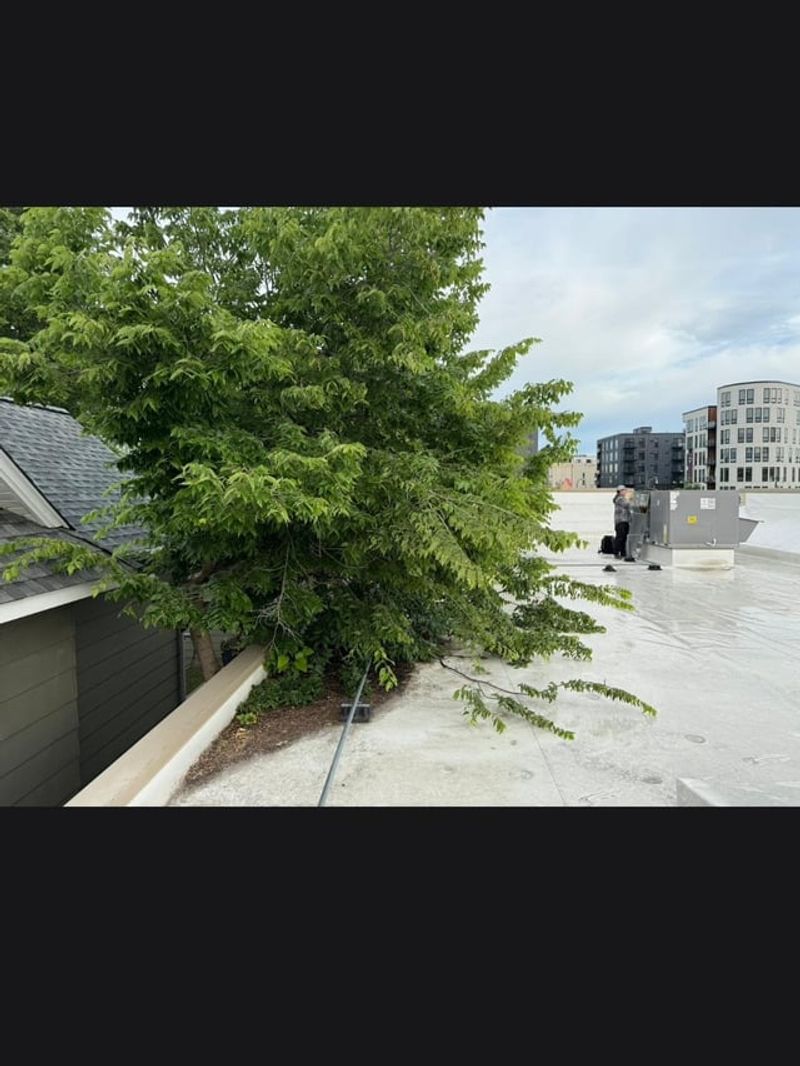
Minnesota courts have recognized a limited form of self-help for encroaching tree branches and offending roots. The state’s high court has not decided whether that same rule covers a neighbor’s vines.
That gap matters if you are standing in your yard with pruning shears.
The leading example is Holmberg v. Bergin, a 1969 Minnesota Supreme Court decision.
It was a dispute over an elm tree whose roots damaged a neighboring fence, sidewalk, and drainage. It was not a case about vines, and it was not a case about fences as boundaries.
The court said neighbors could cut overhanging branches back to the property line and could deal with offending roots. It also allowed a nuisance lawsuit when self-help was not practical.
In that case, the court upheld court-ordered relief because cutting the roots could have destabilized the tree and put nearby homes at risk.
That detail is a useful warning. The right to trim did not mean a right to cut anything in any way.
When a cut could harm the plant itself or create danger, the court preferred a more careful path.
So tree precedent is a helpful guide, not a permission slip for vines. A vine may be handled differently because it climbs, spreads, and often roots on the other side.
Treat the tree cases as a sign of how a court might think, and not as a promise about how it would rule on your vine.
The fence may not mark the property line
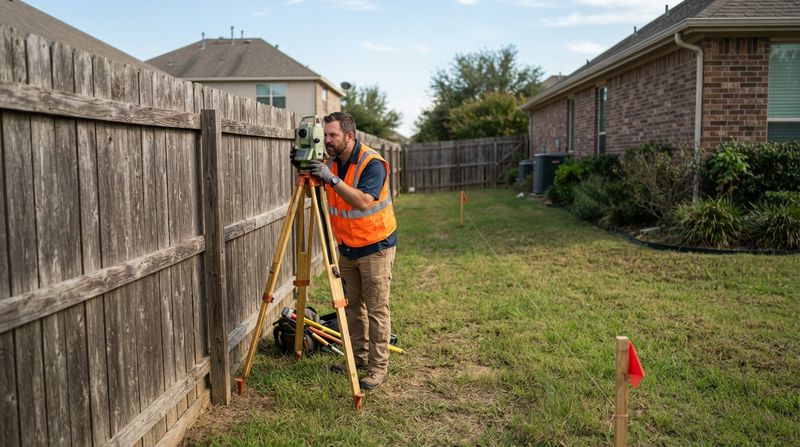
A fence feels like a clear dividing line, but it often is not. Builders sometimes set fences inside one owner’s lot, or a bit off the true line, for many reasons.
If you cut everything up to the fence, you could end up on your neighbor’s side of the boundary without knowing it.
Blaine’s city guidance makes this point plainly. The city says an existing fence cannot verify property lines and recommends relying on a survey or boundary markers instead.
Those are the tools that show where one lot ends and the next begins.
Look for metal markers, often iron pins, set near the corners of the lot. If you cannot find them, or you are not sure they are original, a licensed land surveyor can mark the line for you.
Your closing papers or an earlier survey may also show it.
Once you know the line, you can tell which parts of the vine truly sit over your land. A vine hanging over a fence that was built a foot inside your neighbor’s lot may be on your neighbor’s property, not yours.
The same vine on a fence set inside your lot may be entirely yours to deal with.
Finding the true boundary comes first, before any question about what you are allowed to cut. Without it, every later decision rests on a guess.
Nuisance law does not give a blanket right to cut vines
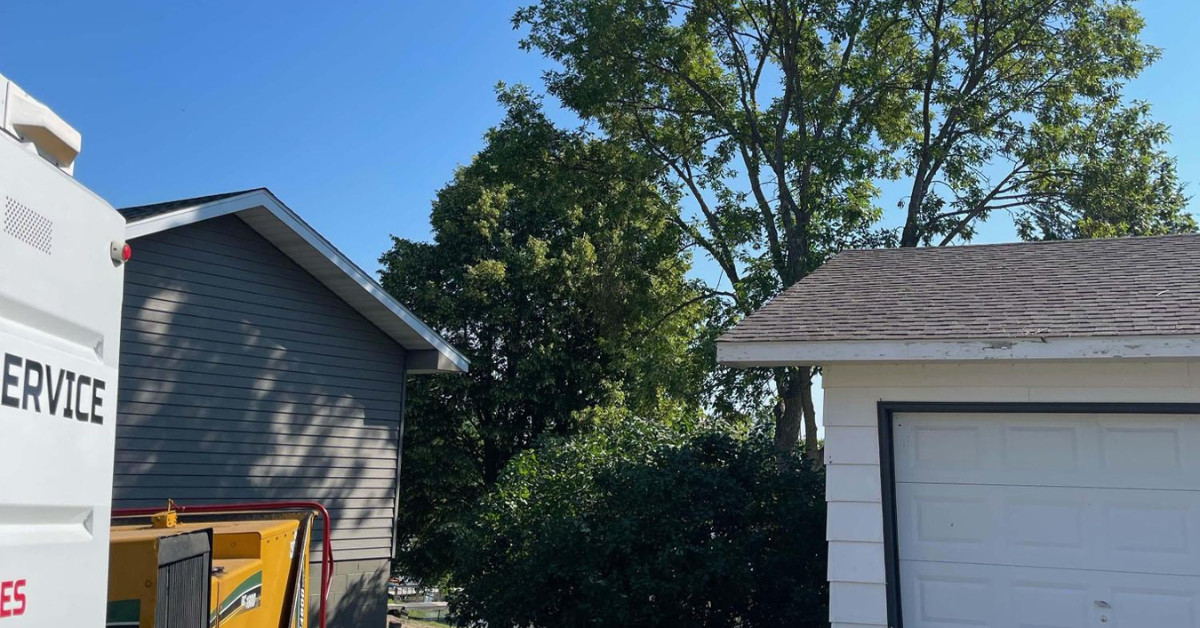
Minnesota’s nuisance law is another place people look for answers. Minn.
Stat. § 561.01 covers an obstruction to the free use of property that interferes with its comfortable enjoyment. A person affected can ask a court for abatement, an injunction, or damages.
The statute does not mention vines. It also does not create a general right to cut them.
It is a way to seek a remedy in court, not a rule that lets you grab the shears whenever a plant crosses over.
A vine being present on your side is not automatically a nuisance. The vine has to interfere with how you use or enjoy your property in a real way.
A few tendrils on a fence post may be an annoyance without being a legal problem.
Compare that with the facts in Holmberg. There, roots had damaged a fence, a sidewalk, and drainage, and cutting them raised safety concerns for nearby homes.
Those were concrete harms, not just an unwelcome plant.
A vine that is pulling down a fence, clogging a gutter, or damaging siding looks closer to that kind of case. A vine that is merely visible does not.
If the harm is real, document it with photos and dates, and talk to a lawyer before assuming what a court would do.
Cutting on the neighbor’s land can create separate risks
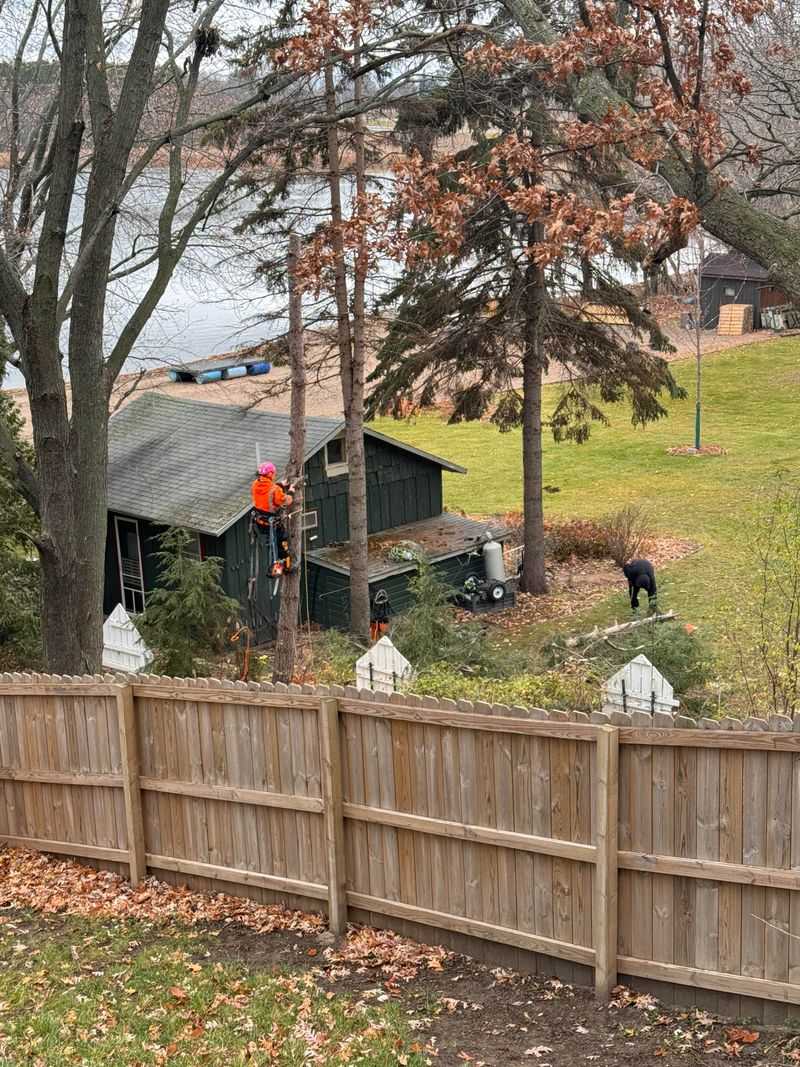
Trimming growth on your own side is one thing. Stepping onto the neighbor’s land to cut is something else, and it brings a different set of risks.
Minnesota has a trespass statute that deals with this kind of conduct.
Minn. Stat. § 561.04 addresses unauthorized cutting, carrying off, girdling, or otherwise injuring a tree or shrub on another person’s land.
It provides for treble damages in some circumstances. It also has exceptions that can reduce recovery to single damages.
That does not mean every cut triggers triple damages. The statute turns on whether the act was done without lawful authority, and the facts matter a great deal.
It also does not settle whether a particular cut to an encroaching vine is lawful.
Consider two situations. In one, you snip the part of a vine that hangs over your side of a verified boundary.
In the other, you reach over, or walk onto the neighbor’s yard, and cut the vine at its roots or strip the plant on their side.
The first is a boundary-limited cut. The second involves entering their land and damaging the rooted plant there, which is where the greatest exposure lies.
Where a vine is rooted, how far you cut, and whether you had permission can all change the outcome. When the stakes seem high, get legal advice about your specific facts.
Identify the vine before handling it
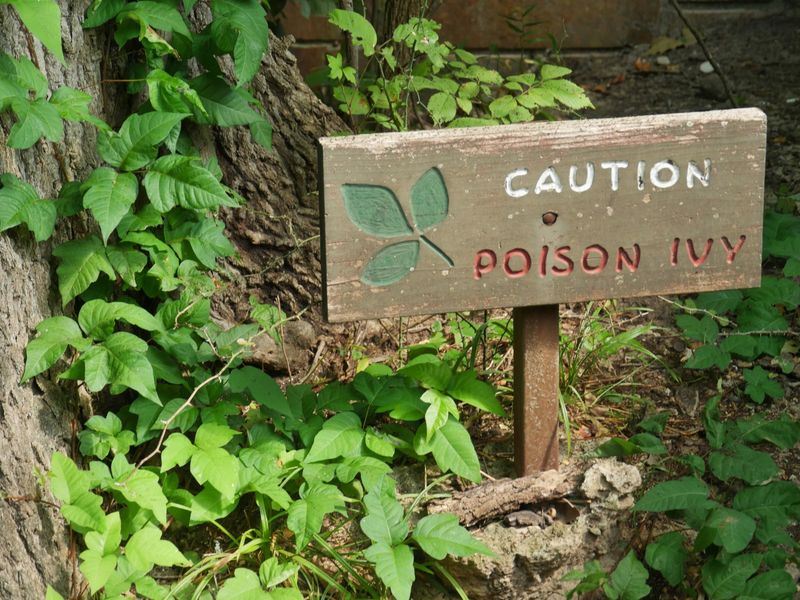
Before you touch a vine, find out what it is. Poison ivy is a real concern in Minnesota, and it can grow as a vine climbing fences, trees, and posts.
A quick trim can turn into a painful rash if you guess wrong.
Minnesota Department of Agriculture guidance advises protective clothing and gloves when dealing with poison ivy. It also warns that urushiol, the oil that causes the reaction, can spread from contaminated clothing, gloves, footwear, and pet hair.
That means the oil can reach skin long after the cutting is done.
If you are unsure what the plant is, treat it as if it could be poison ivy until you know. Ask a local extension office or a plant professional to identify it from photos or a visit.
Wash clothing and tools carefully, and keep pets away from the area.
Never burn poison ivy. The department warns that the smoke can cause serious respiratory problems.
For the same reason, do not burn any vine you have not identified.
Plant safety is a separate issue from legal rights. Even if you are allowed to cut, you still need to do it in a way that protects your skin and lungs.
Take a cautious approach before making a cut
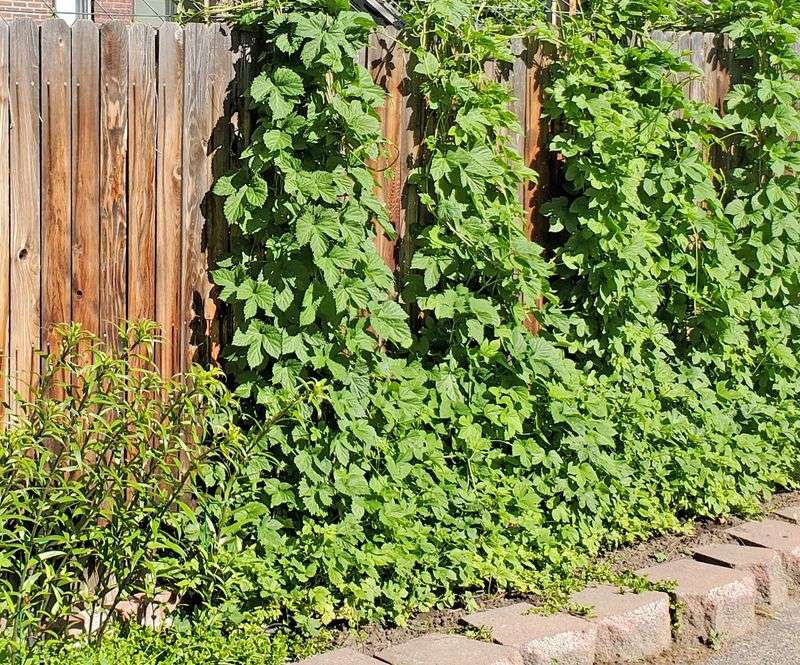
A careful order of steps can keep a small plant problem from becoming a legal one. First, verify the boundary with a survey or reliable markers.
Second, talk with your neighbor, since many vine issues are solved with a simple conversation and a shared plan.
Third, stay on your own property. Fourth, limit any removal to growth that is actually on your side of the line.
Leave the rooted plant on the neighbor’s side alone.
Minnesota-focused tree guidance points the same way. A legal guide on nuisance trees recommends pruning only up to the boundary, avoiding trespass, and consulting an arborist when a cut might damage a tree.
It also cautions against leaning over the line to cut without permission.
That guide is about trees and shrubs. Applying it to vines is prudent caution, not a vine-specific legal rule, and you should think of it that way.
Get professional guidance before substantial cutting if the vine is woody, tangled into the fence, or likely to be seriously damaged. An arborist can tell you how the plant will respond, and a lawyer can review your particular facts.
This article is general information, not legal advice for your situation.
If a disagreement drags on, keep talking or seek professional help rather than cutting with confidence you do not have. A vine grows back, but a lawsuit is harder to undo.
Share this story