Most people think of venom as something that belongs to snakes and spiders. Yet a tiny mammal that lives across Pennsylvania has saliva that can disable its prey.
It is the short-tailed shrew, and it spends much of its life out of sight beneath leaves and soil. Here is what scientists know about it, and what they still do not know.
Meet a small shrew found across Pennsylvania
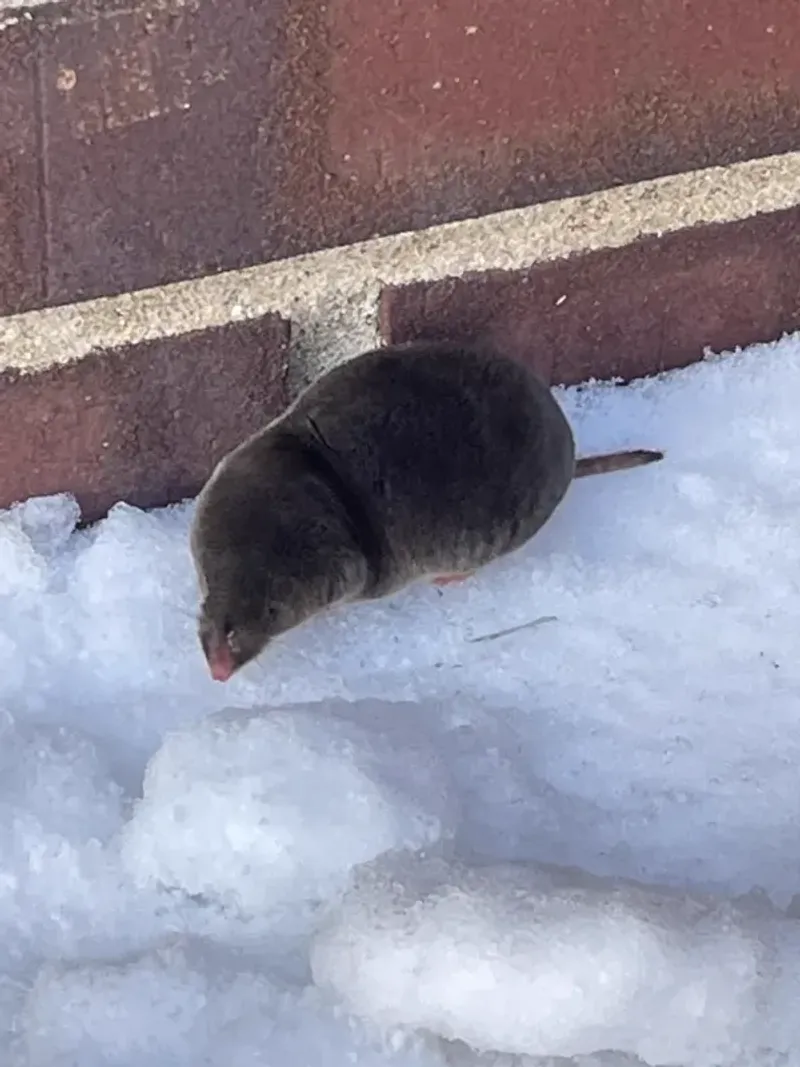
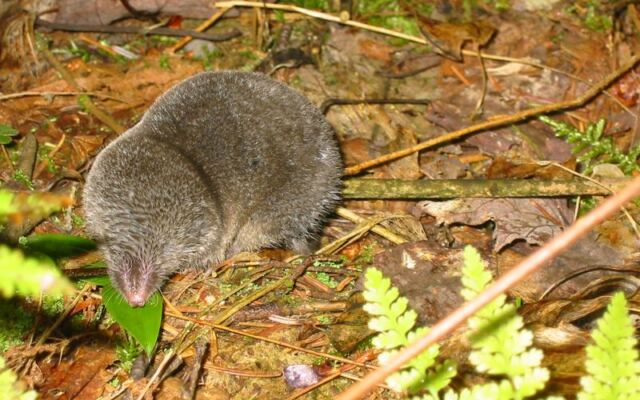
Picture a gray, velvety animal with a pointed snout, tiny eyes, and a short tail. That is the short-tailed shrew, known to scientists as Blarina brevicauda.
The Pennsylvania Game Commission calls it one of the state’s commonest shrews and says it lives statewide.
Size is where popular descriptions tend to wander. You may have seen it compared to a thumb, but that comparison is loose at best.
The Game Commission reports a total length of 4.1 to 5.2 inches, including the tail, and a weight of 0.44 to 0.82 ounces. Small is the safest word, and it is also the most accurate one.
Shrews are not mice, even though they are often mistaken for them. They are insectivores with long, pointed snouts, and they have a very fast metabolism.
That means they need to eat often, and they hunt insects, worms, and other small animals around the clock.
Now for the part that surprises people. This shrew is a venomous mammal found in Pennsylvania, but it is far from the only venomous mammal known.
A study in PNAS that examined the shrew’s toxin also discusses other venomous or suspected venomous mammals, including solenodons and platypuses. So the short-tailed shrew belongs to a small and unusual club, and Pennsylvania happens to host one of its members.
Leaf litter is habitat, not proof of a likely sighting
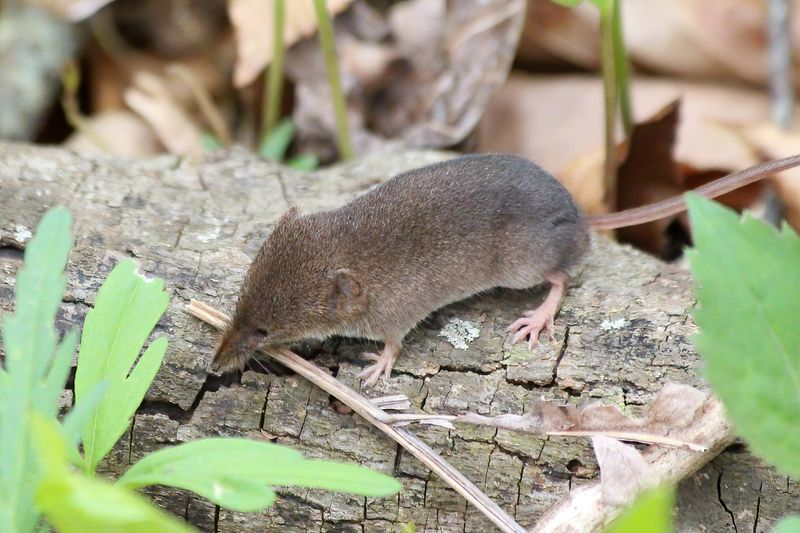
A shrew’s world is mostly low and damp. According to the Pennsylvania Game Commission, the short-tailed shrew forages in the upper layer of soil and in leaf litter.
It also uses woods, stream banks, tall grass, and brush.
Leaf litter works like a pantry for an animal that hunts small invertebrates. The layer of fallen leaves holds moisture and shelters insects, worms, and other prey.
A shrew can move through it quickly while staying covered.
Here is the careful part. Knowing that shrews live statewide and forage in leaves does not tell us how often anyone actually meets one.
The state source does not say that shrews are commonly found in yards or gardens. A yard, garden edge, or woodland border could be possible habitat, but that is very different from a likely sighting.
Shrews are also secretive. They spend most of their time under cover, and many people go years without noticing one.
A fresh pile of leaves in the fall is simply part of how a healthy landscape works, and nothing here suggests that you need to rake it away. The bite risk for an ordinary homeowner is not shown to rise because leaves are left in place.
If you do spot a small, mouse-like animal with a long snout, treat it as a piece of wildlife and give it space.
Its toxic saliva reaches prey through bites
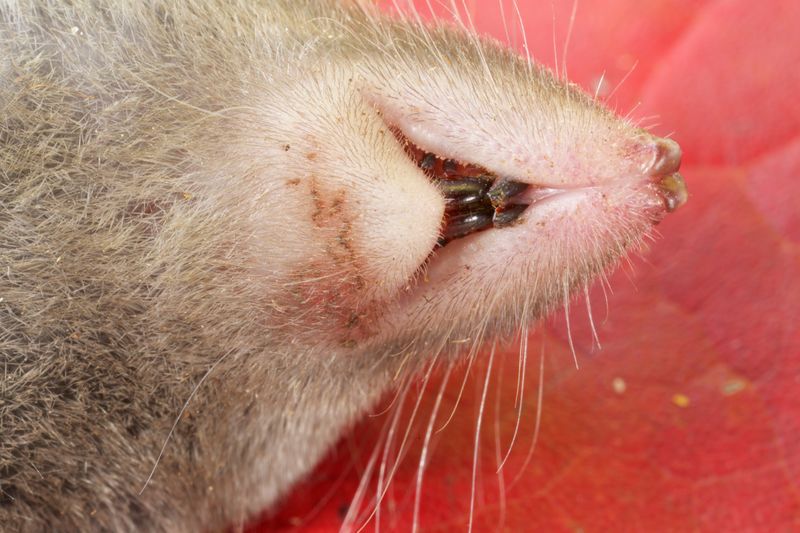
Start with how it works, because the word venomous can mislead. The shrew’s saliva contains a toxin, but the animal has no efficient injection system like a snake’s fangs.
Instead, the Pennsylvania Game Commission explains that the toxin gets into prey through cuts made by the shrew’s sharp teeth. The Commission says it can slow or kill warm-blooded prey.
Think of it as a chewing delivery. The shrew bites, the saliva mixes with the wound, and the toxin goes to work.
That is quite different from a hollow fang pushing a dose under the skin.
This also explains why the label matters less than the mechanism. The Game Commission itself calls the secretion poisonous saliva, while many scientists and writers call the animal venomous.
Researchers who compare the two terms note that the definitions of venom and poison are not universally agreed on. In plain language, a toxin delivered by a bite is why many people use venomous here.
For the shrew, this is a practical hunting tool. It lets a tiny predator handle prey that might otherwise be hard to subdue, such as animals nearly its own size.
The toxin may also help keep food fresh and still.
Notice what this does not tell us. It describes how the toxin reaches prey, not how dangerous it is to people.
Snake venom is a different story, and the two should not be compared.
What laboratory research shows about blarina toxin
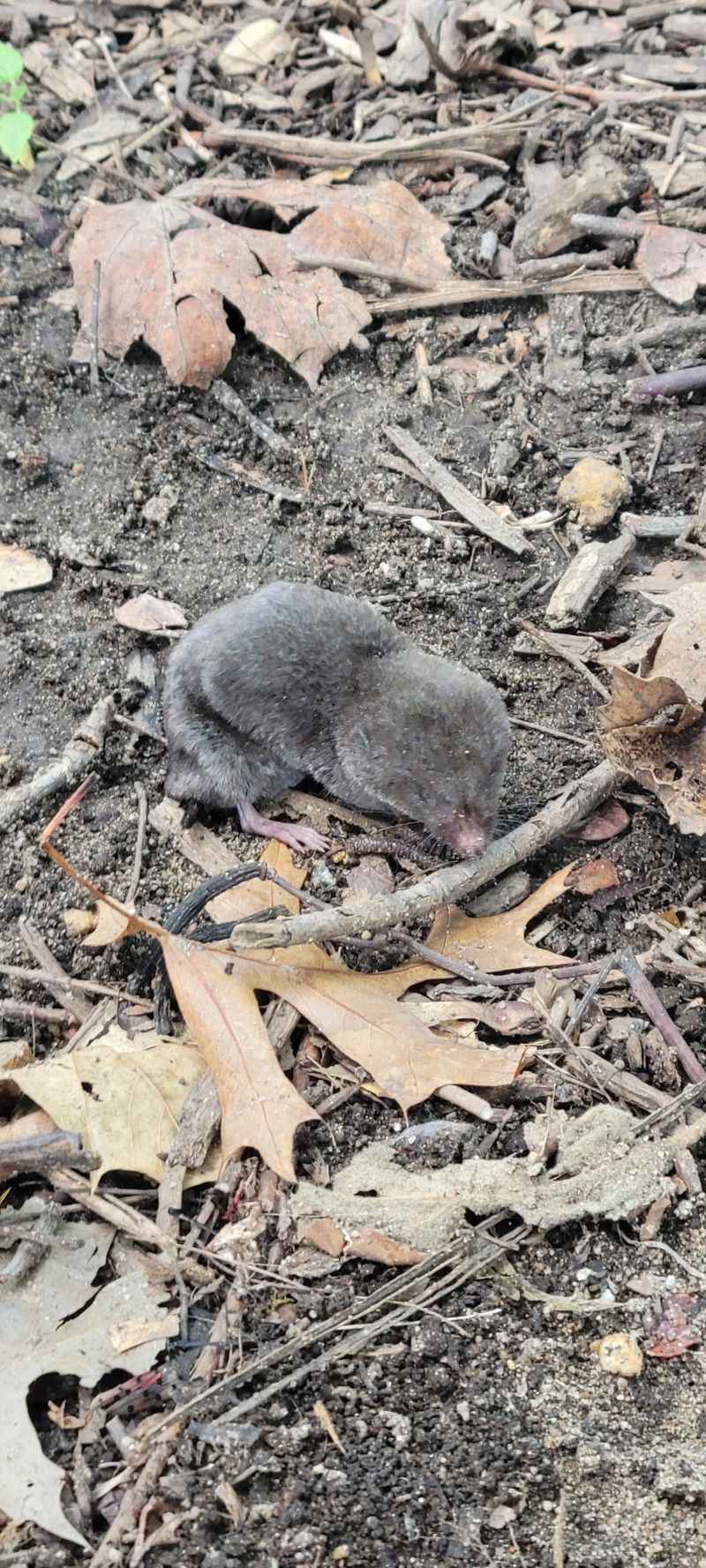
Researchers have looked closely at the chemistry behind the shrew’s bite. In a peer-reviewed PNAS study, scientists isolated and characterized a toxic protein from the shrew’s salivary glands.
They named it blarina toxin, or BLTX.
The team purified the protein and tested it. In experimental mice, it produced lethal effects.
That result shows the toxin is powerful in a laboratory setting, and it fits with the shrew’s use of saliva to subdue prey.
The study also places BLTX among other mammalian toxins. It discusses other venomous or suspected venomous mammals, so the shrew is part of a wider scientific story rather than a lone oddity.
It helps to be clear about what a mouse experiment can and cannot say. Laboratory mice are standard test animals, and the results tell us about the toxin and how it acts in those animals.
They are not a measurement of what happens to a person bitten in a garden.
Doses matter too. In a lab, researchers control the amount and how it enters the body.
A real shrew bite is small, and the shrew is built to bite and chew, not to inject a measured dose. So the finding is solid for experimental mice, and it should stay in that box when we talk about human risk.
Human bite effects remain poorly established
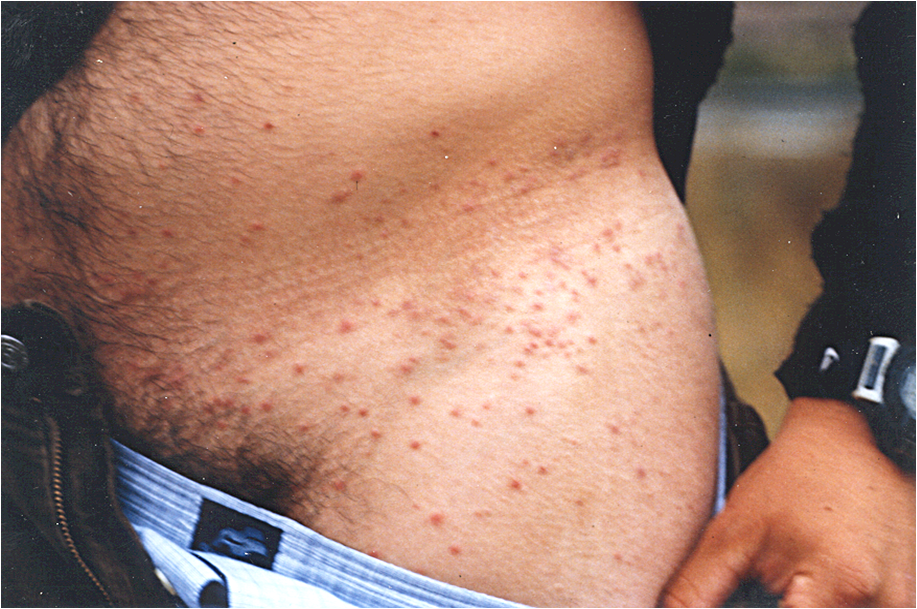
What happens when a person is bitten? The honest answer is that we know very little.
The same PNAS study mentions older accounts of localized burning and swelling after shrew bites.
Those accounts are historical reports. They are not the product of careful clinical testing, and they do not amount to a solid body of medical evidence.
Think of them as clues rather than conclusions.
That leaves two questions open. First, how common and how severe are reactions in people?
Second, could the toxin ever be lethal to a person? The study does not settle either one, so neither can be answered with confidence here.
It would be a mistake to jump to either extreme. Calling the bite harmless ignores the reports of burning and swelling, along with the plain fact that a bite is a wound.
Calling it deadly goes far beyond anything the research shows.
The sensible middle is simple. Shrew bites are rarely a topic in everyday life because people seldom have contact with these animals, and the documented effects described in the study are local ones.
If a bite ever does happen, treat it with the same care you would give any wild-animal bite that breaks the skin.
If a bite breaks skin, follow general wildlife-bite precautions
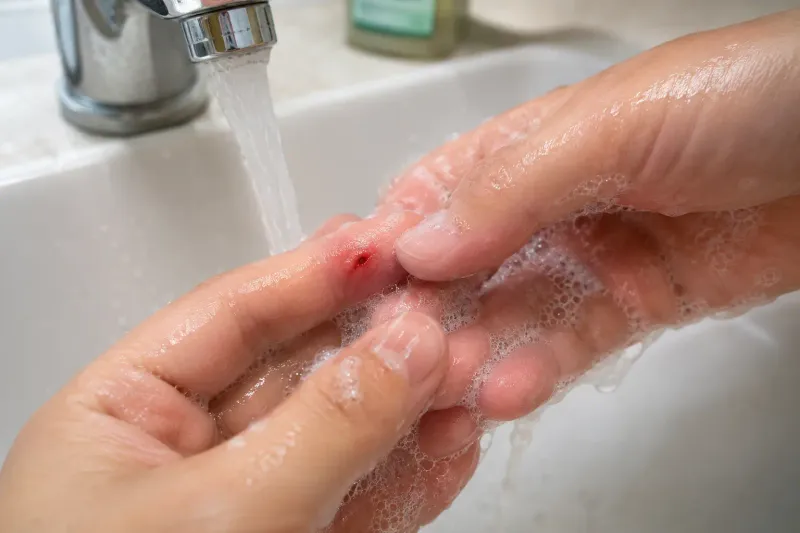
The easiest precaution comes first: do not handle wild shrews. Like other wild animals, they may bite when picked up or cornered.
CDC guidance on wildlife advises keeping a safe distance from wild animals in general.
If a bite does break the skin, wash the wound promptly with soap and water. MedlinePlus self-care advice for animal bites includes this step, and it also recommends getting medical advice when the skin is broken.
Then contact a healthcare professional.
These are general wild-animal bite precautions. They are not a special shrew treatment, and no shrew-specific remedy is supported by the sources we have.
A clinician can sort out the details that you cannot judge at home. They can assess infection risk, check your tetanus status, and decide whether rabies advice is needed.
CDC tetanus guidance for clinicians covers wound management for bites and punctures. Not every bite calls for the same follow-up, which is why the assessment matters.
When you call, mention what kind of animal it was, where it happened, and when your last tetanus shot was. That gives the professional a head start.
A shrew is a marvel of tiny chemistry, best admired from a respectful distance.
Share this story