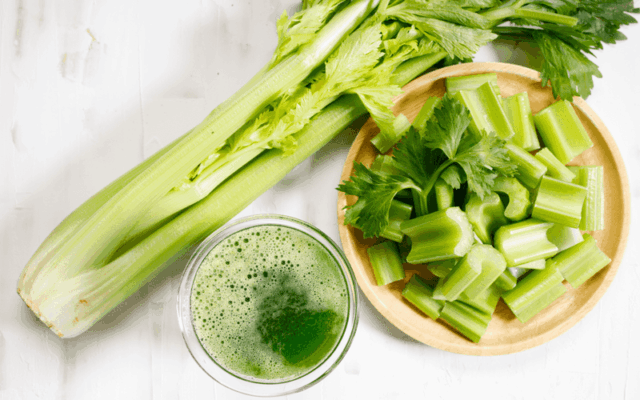
A daily serving of celery gives your body water, a little fiber, and some nutrients, and that is the real change most people can count on. Many Virginians grow celery in cool-season beds or toss it into the grocery cart every week, so it is fair to wonder what that crunchy stalk is doing.
Celery is a handy vegetable, but it is not a medicine. Here is what a daily stalk or two can offer, and where the bigger promises fall apart.
A serving adds water and a modest amount of fiber
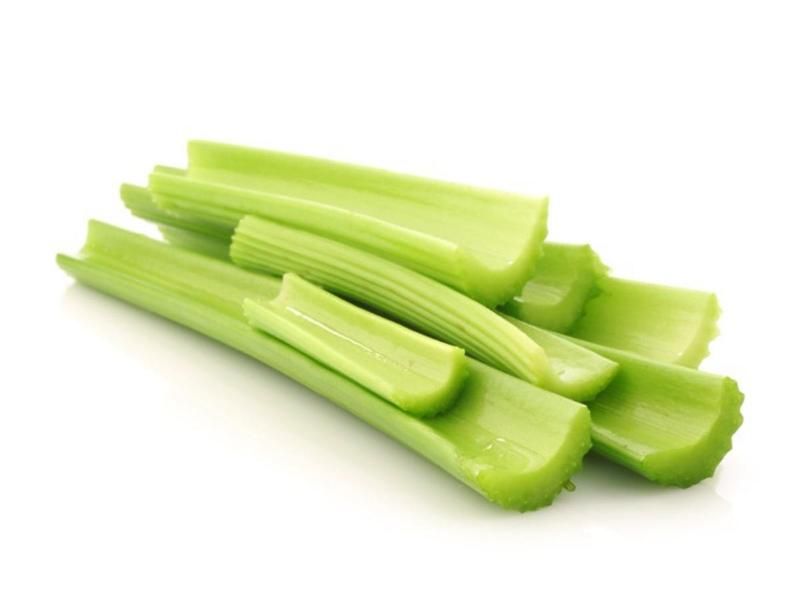
Numbers help here. According to USDA nutrient data for raw celery, 100 grams provides about 16 calories, 1.6 g of fiber, and 95 g of water.
In other words, celery is almost entirely water.
Most people do not eat exactly 100 grams, so the database also lists a 75 g measure, which it describes as about two stalks. That portion provides about 12 calories and 1.2 g of fiber.
The serving basis matters, because mixing up the 100 g and 75 g figures is an easy way to end up with the wrong totals.
So what does that mean for your day? Celery can add to your fiber intake, and the water content makes it a light, crunchy snack.
Still, 1.2 g of fiber is a small amount, not a large source. Plenty of other vegetables, beans, and whole grains deliver more per serving.
The takeaway is modest and useful. Celery is one easy way to add vegetables, water, and some fiber to your eating.
One serving by itself is not proof of a noticeable health change, and it is not a reason to expect your body to feel different next week.
Celery works best as one part of a varied diet

Think of celery as a team player. CDC guidance describes vegetables and fruits in general as sources of fiber, vitamins, and minerals, and it encourages eating a mix rather than leaning on a single favorite.
Celery fits that picture nicely, but it does not stand above the rest.
Raw and cooked both work. Slice a stalk into a lunch salad, or pack sticks with hummus or peanut butter for an afternoon snack.
Chopped celery also forms the base of many soups, stews, and casseroles, where it softens and adds flavor along with onions and carrots.
A few simple swaps keep things interesting. Stir diced celery into chicken salad, toss thin slices into a stir-fry near the end of cooking, or add the leaves to broth for a herby note.
On days when celery is not on the plate, other vegetables can fill the gap.
Variety is the real goal. A week with celery, greens, beans, peppers, and root vegetables covers far more ground than a week of celery alone.
Enjoy the crunch, and let it share the plate.
What research says about celery and body changes
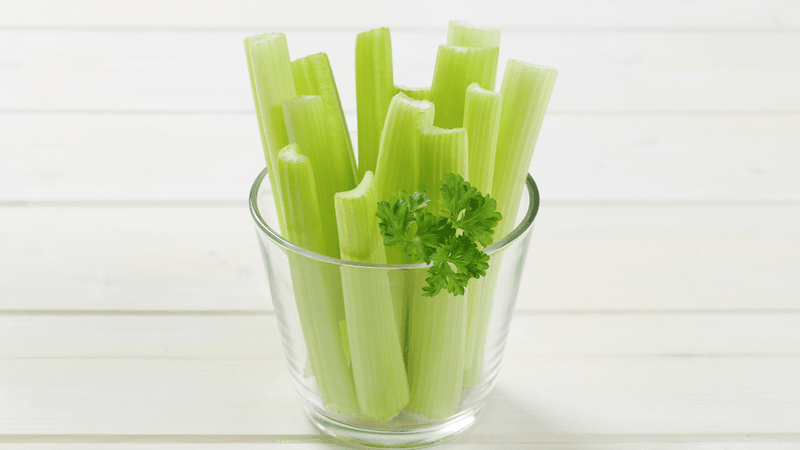
Here is the direct answer: current evidence does not show that ordinary celery stalks eaten every day cause noticeable changes in the body or treat any condition. That may sound disappointing, but it keeps expectations honest.
There is some interesting research, though. A 2025 meta-analysis pooled 10 randomized trials involving 511 adults.
It reported improvements in blood pressure and some measures of blood sugar and blood fats among people who used celery preparations.
Look closely at the fine print. The trials were small, and the celery products varied from one study to the next.
The analysis found substantial heterogeneity, which means the results differed a lot between studies, so they are hard to combine into one clear message. The authors called for larger, longer trials.
That makes this a limited, early signal. It is not proof that eating a daily serving of stalks lowers blood pressure or changes metabolic numbers.
If you have high blood pressure or diabetes, your prescribed treatment and your clinician’s advice come first, and celery is simply a vegetable that can sit alongside them.
Juice and supplements are different from celery stalks
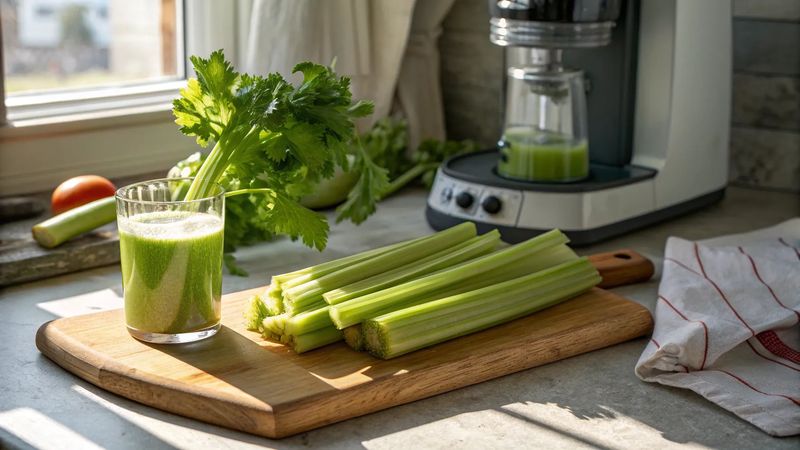
A celery stalk, a glass of juice, and a bottle of celery-seed capsules are three different things. The trials in the 2025 review covered varied concentrated preparations, and seed or higher-dose forms appeared more effective in subgroup analysis, according to the published meta-analysis.
That does not translate into a proven daily food dose, and you cannot work out a supplement amount from the celery on your plate.
Neither juice nor pills are necessary. If you enjoy a glass of celery juice, that is fine, but it is simply a drink made from a vegetable.
Whole stalks keep their fiber, while juicing removes much of it.
Then there are the detox claims. NCCIH guidance on detoxes and cleanses says research on these diets is limited and does not compellingly show that they remove toxins.
Your liver and kidneys already handle that job.
The sources reviewed also do not show that celery juice detoxifies the body or works any differently on an empty stomach. If you like it first thing in the morning, go ahead, just do not count on a cleansing effect.
Supplements are best discussed with a clinician or pharmacist, especially if you take other medicines.
Virginia’s cool season suits celery, with local caveats

Gardeners know celery can be fussy. It is a cool-season crop that grows best in moderately cool conditions with steady soil moisture, which is why long, hot stretches can be hard on it.
Virginia Cooperative Extension’s Mid-Atlantic commercial vegetable production guide gives May 1 to June 30 as a usual commercial planting period. It also estimates that plants reach usable size about 85 to 100 days after transplanting.
Treat those dates as regional commercial guidance, not a promise for every backyard. A garden in the mountains, the Piedmont, or Tidewater can differ in temperature, soil, and weather from year to year.
Your local Extension office can help you adjust timing for your own spot.
One more point: homegrown celery is still celery. Growing it yourself can be rewarding and tasty, but nothing in these sources suggests it has different health effects from store-bought stalks.
Grow it for the fresh crunch and the satisfaction.
Keep a daily habit safe and realistic
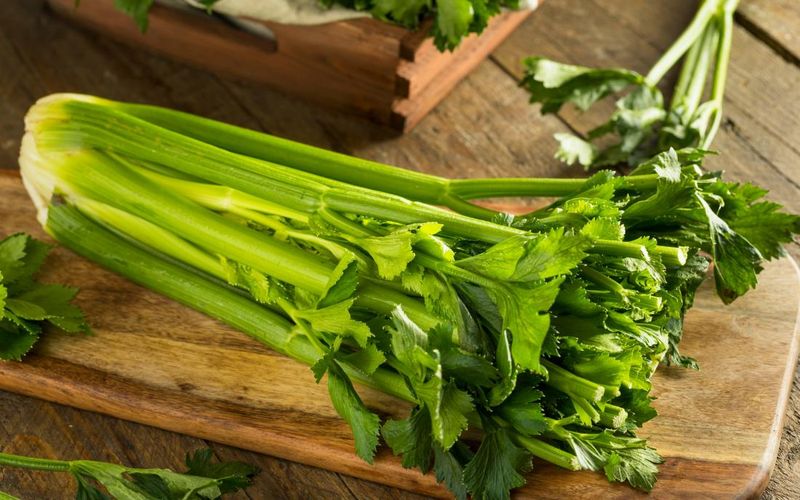
For most people, celery is an ordinary food. A few cases call for care, though.
Anaphylaxis UK explains that celery allergy can cause reactions from oral itching or swelling to severe allergic reactions, including anaphylaxis. Anyone with a known celery allergy should not follow a daily-celery habit.
Celery also contains vitamin K. USDA data list 29.3 micrograms per 100 g, as reflected in the USDA FoodData Central listings.
That is not a reason for most people to skip it. If you take warfarin, talk with your clinician before making a major dietary change, and try to keep your vitamin K intake steady from week to week.
Medication is another line to hold. Celery and celery-seed products should never replace prescribed treatment, and the 2025 review itself says more research is needed on dosing and long-term effects.
A realistic habit looks simple: a couple of stalks in a salad, a soup, or a snack, alongside plenty of other vegetables. Celery is a crisp, cheap, useful vegetable, and that is quite enough.
Share this story