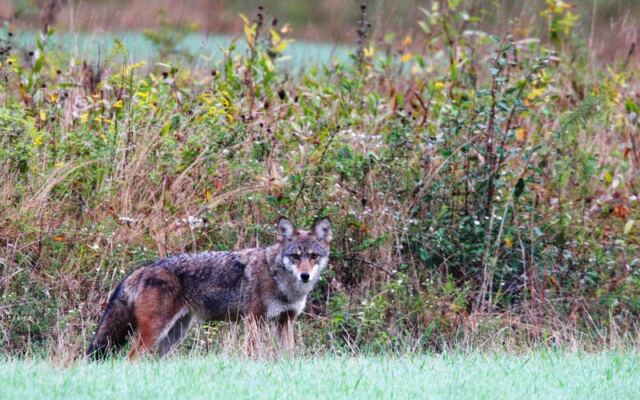
That eerie chorus after dark has a seasonal backdrop: in fall, some young coyotes leave their family groups, which changes which animals may be nearby, and coyotes use howls, yips, and barks to keep in touch. Those calls are ordinary communication, not a warning sign aimed at you.
Coyotes live all across Virginia, so many neighborhoods have them close by even when nobody sees them. Here is what the sounds can tell you, what they cannot, and what to do about it.
Coyotes live across Virginia
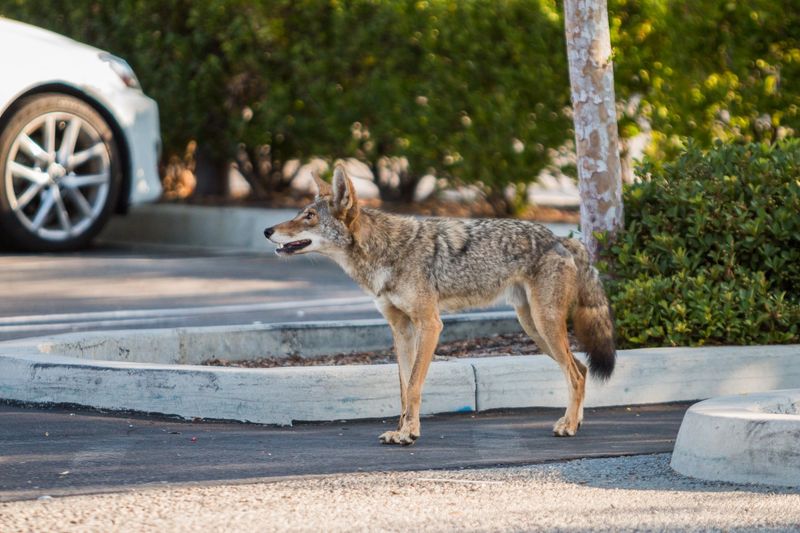
Step outside on a quiet evening in almost any part of Virginia, and you are within coyote territory. Virginia Department of Wildlife Resources guidance describes coyotes as living statewide, including in urban and suburban areas.
That means a howl behind your subdivision does not automatically signal a brand-new arrival.
Statewide presence is a statement about range, not headcount. A USDA Wildlife Services assessment recorded coyotes across the state based on agency information available in 2015, and it also said Virginia’s coyote population was unknown.
So nobody can honestly tell you how many coyotes are circling your street.
Coyotes are also good at staying out of sight. They are often active at night, move along fence lines, creek corridors, and wooded edges, and generally avoid people.
You may hear them far more often than you ever see them.
That gap between hearing and knowing is the heart of this article. Hearing a coyote tells you that one is somewhere nearby.
It does not tell you what the animal is doing, how many are with it, or whether it poses any threat to you or your family. A howl at night is a sound of wildlife living alongside us, and the sections ahead sort out what that sound can and cannot reveal.
Think of it like hearing an owl in the woods behind your house. You learn that the animal exists in your area, and you learn little else.
Coyotes work the same way, only with a louder voice and a much more dramatic reputation.
What a chorus can tell you
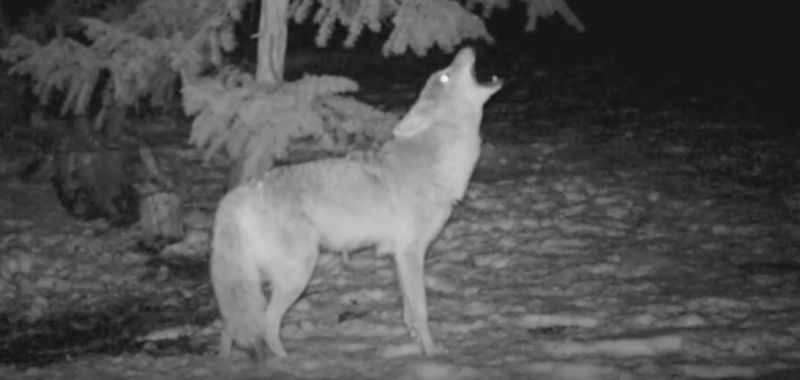
Coyotes have a wide vocal toolkit: howls, yips, and barks. Research reviews describe these calls as communication, including helping to mark or maintain territory and to locate other coyotes.
North Carolina Wildlife Resources Commission biology notes describe vocal communication along those lines.
Here is the catch. Those are several possible jobs for the same kind of sound, and a listener cannot reliably pick out which one a particular howl is doing.
A single call might be a coyote saying where it is, answering a neighbor, or reconnecting with a family member.
The same goes for the size of the crowd. Sound carries and overlaps in the dark, and yips bounce off trees and buildings.
A study on human perception of coyote group size documented that people can misjudge how many coyotes are calling, because a small family can sound like a much bigger gathering.
So the number of voices you think you hear is not a head count, and a loud chorus is not proof of a large pack. It is also not tied to the moon.
The same paper notes that group howling is not linked to moonlight intensity, so the full moon myth can retire.
What you can say is simple: coyotes are talking to each other, and you happen to be within earshot.
Fall can put young coyotes on the move
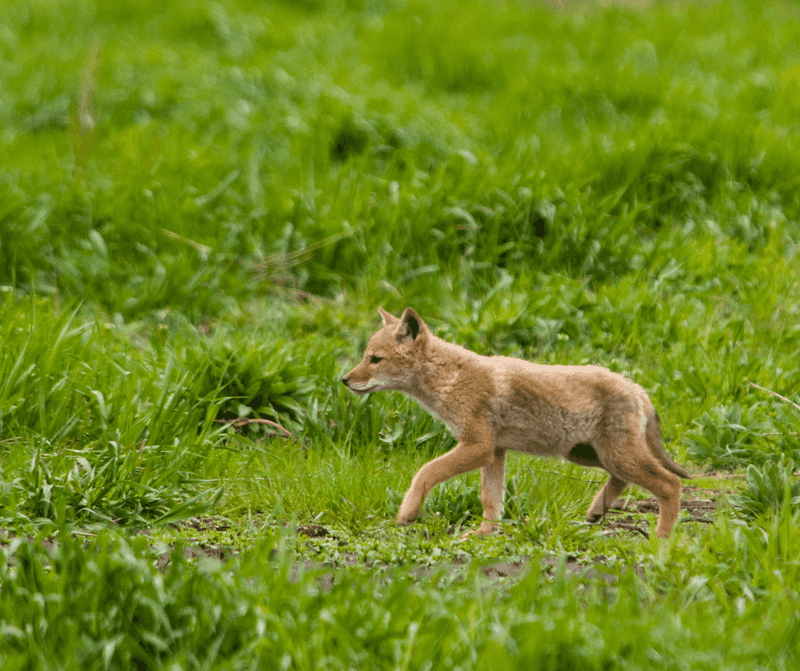
Coyote social groups can be built around a breeding pair and their offspring, according to Virginia Tech Extension. As autumn arrives, some of the young leave that family group and travel in search of their own territory.
Others stay with their families longer.
That shift matters because it can change who is where. A young coyote moving through unfamiliar ground may meet residents already holding territory, and calls are one way coyotes keep track of each other.
Pennsylvania Game Commission information describes similar family and dispersal patterns in eastern coyotes.
Treat this as a backdrop, not an answer. It is a reasonable seasonal setting for coyote communication, but it cannot prove why the animal behind your house is calling tonight.
It might be a dispersing youngster, a resident adult, or something else entirely.
Be careful with the idea that fall is always louder, too. Research on vocal responses in coyotes reported late-summer to early-fall peaks in the Northeast, while other regions showed different periods of greater responsiveness.
Findings vary by region and study, so nobody can promise that Virginia coyotes howl more every late fall. If you hear more calls this season, dispersal may be part of the picture.
If you do not, that is normal too.
Virginia’s mating season comes later
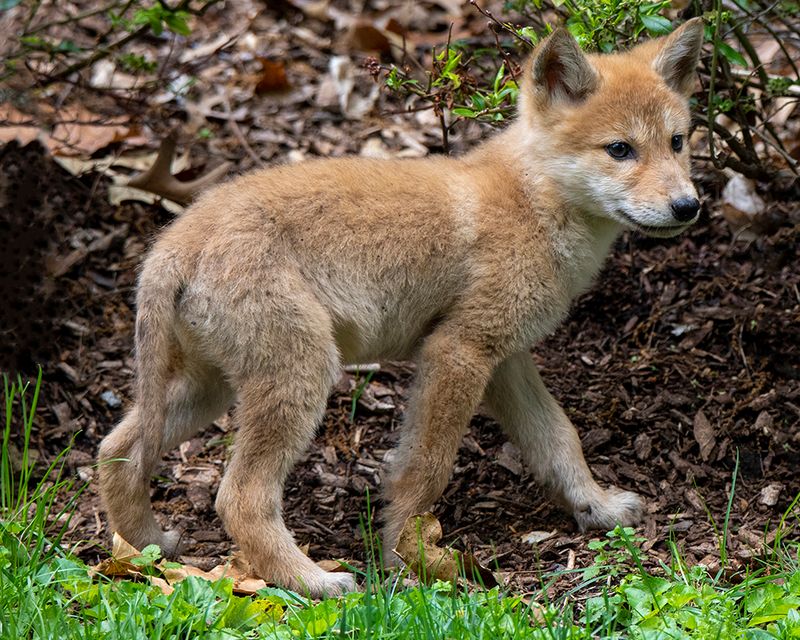
Many people hear a late-autumn howl and jump to romance. It is a fun guess, but the calendar does not back it up.
Virginia Tech places mating season in late January through early March.
That is a gap of two months or more from a late-November evening. A howl in that stretch of fall should not be treated as a sign of mating or pairing up.
It belongs to a different part of the coyote year.
The two ideas are easy to mix up because both involve coyotes making noise in the cold. Fall dispersal is about young animals leaving family groups and changing who lives where.
Mating season is about breeding, and it comes later in winter. Neither one can be matched to a single call you hear through your window.
It also helps to remember that coyote calls serve several purposes all year, including territory signaling and locating other coyotes. Pair bonding is a real part of coyote life, but the sources do not show it as the reason behind any particular howl.
A pair might call to each other, but so might a parent and a youngster.
If you want to test the calendar yourself, listen again in February. You may hear plenty, and you still will not be able to say what each call means.
Make your yard less inviting
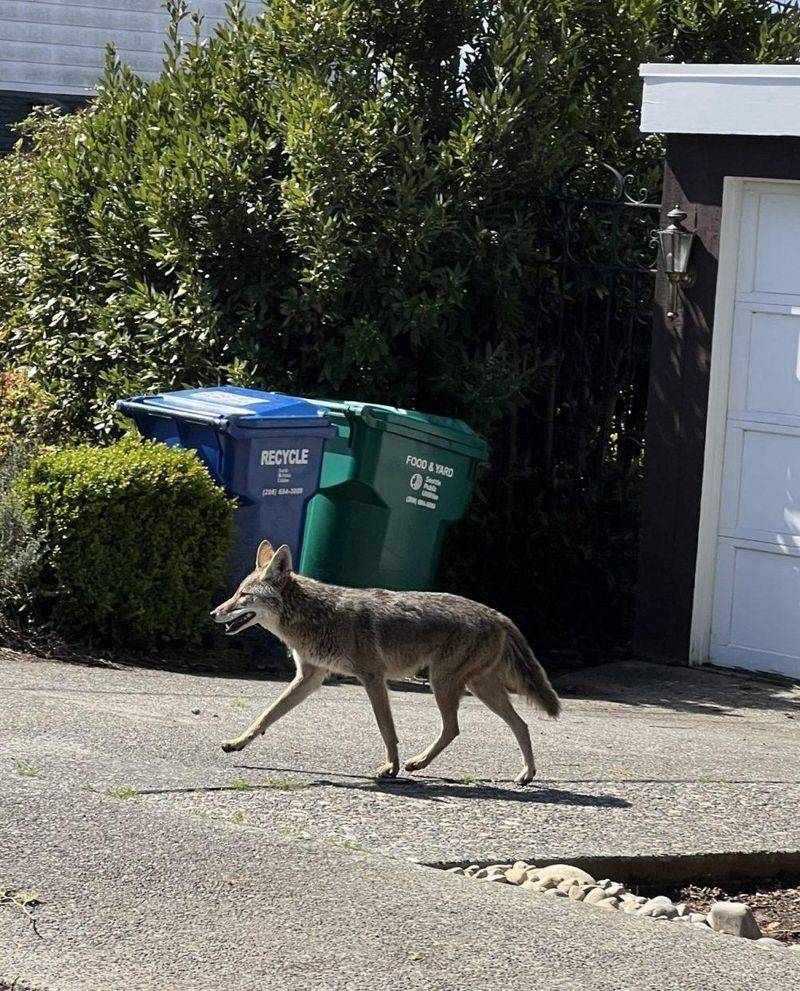
You cannot control when coyotes call, but you can control what your yard offers. Virginia DWR advice centers on a few simple habits that reduce conflicts.
Secure your trash so animals cannot get into it. Keep pet food indoors rather than on the porch or patio, and clean up fallen fruit from trees in your yard.
Each of these removes an easy meal that might draw wildlife close to your home.
Small pets need extra care. Keep them indoors, or leashed and supervised when outside, and do not let them approach wildlife.
A quick evening trip to the yard is a good moment to stay beside your pet instead of sending it out alone.
Spotting a coyote in daylight can be startling, but a daytime sighting alone is not evidence of rabies. Coyotes generally avoid people, and a howl does not establish an imminent threat.
Pay attention to the animal’s behavior instead. If a coyote is stumbling, foaming at the mouth, or acting aggressively, contact your local health department.
Keep your distance while you do, and bring pets inside.
Most nights, the right response to a distant chorus is simply to make sure the yard has nothing to offer and carry on with your evening.
A howl cannot tell the whole story
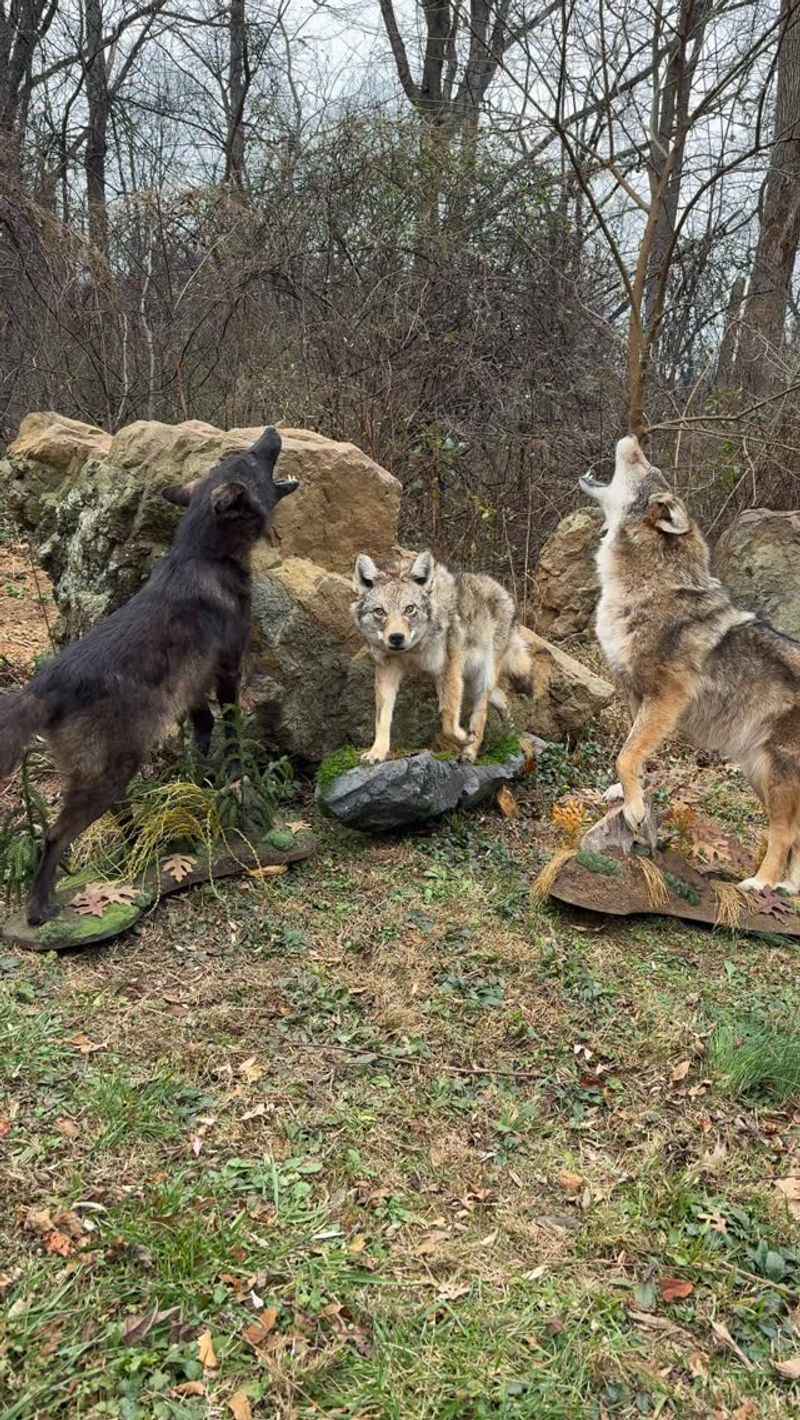
So, back to the question at your window. Fall dispersal can change which coyotes are nearby, and their calls serve ordinary purposes such as keeping in touch and signaling territory.
Yet sound alone cannot reveal why one particular coyote is howling.
That leaves a calm distinction worth keeping: hearing wildlife is not the same as having evidence of danger. Virginia coyotes live statewide, as DWR guidance notes, and the mating season is still months away, as Virginia Tech explains.
The next howl is a small reminder that the night is shared.
Share this story