Get the latest garden guides in your inbox →
Gardening Latest
  • General Gardening
  • Lawn Care
  • Plant Care
  • Composting
  • Soil Health
  • Backyard
  • Garden Muse Magazine
  • General Gardening
  • Lawn Care
  • Plant Care
  • Composting
  • Soil Health
  • Backyard
  • Garden Muse Magazine
  • News
  • Gardening Calendar
  • Garden Structures
  • Vegetable Garden
  • Vertical Garden
  • Raised Beds
  • Hydroponics
  • General Equipment
  • Community Gardens
Garden Themes
  • Spiritual Garden
  • Hydroseeding
  • Seeding and Laying Sod
  • Artificial Grass
  • Lawn Care Equipment
  • Plants
  • Trees
  • Planting Tools
  • Composting Basics
  • Fertilizer
  • Alternative Growing Mediums
  • Front Yard
  • Backyard Activities
  • Landscaping
Gardening Latest

Explore by state

Which state is your garden in?

Currently viewing Virginia

All states

Northeast

  • Connecticut —
  • Delaware 40
  • Maine —
  • Maryland 27
  • Massachusetts 43
  • New Hampshire —
  • New Jersey 27
  • New York 36
  • Pennsylvania 36
  • Rhode Island —
  • Vermont —

Southeast

  • Alabama 26
  • Arkansas —
  • Florida 27
  • Georgia 27
  • Kentucky 40
  • Louisiana 25
  • Mississippi —
  • North Carolina 25
  • South Carolina 39
  • Tennessee 23
  • Virginia 26
  • West Virginia —

Midwest

  • Illinois 25
  • Indiana 28
  • Iowa 40
  • Kansas —
  • Michigan 27
  • Minnesota 25
  • Missouri 25
  • Nebraska —
  • North Dakota —
  • Ohio 27
  • South Dakota —
  • Wisconsin 41

Southwest

  • Arizona 26
  • Colorado —
  • Nevada —
  • New Mexico —
  • Oklahoma —
  • Texas 25
  • Utah —

West

  • Alaska —
  • California 26
  • Hawaii —
  • Idaho —
  • Montana —
  • Oregon —
  • Washington —
  • Wyoming —

No state matches that search.

Site menu

Gardening Latest
  • General Gardening
    • News
    • Gardening Calendar
    • Garden Structures
    • Vegetable Garden
    • Vertical Garden
    • Raised Beds
    • Hydroponics
    • General Equipment
    • Community Gardens
    Garden Themes
    • Spiritual Garden
  • Lawn Care
    • Hydroseeding
    • Seeding and Laying Sod
    • Artificial Grass
    • Lawn Care Equipment
  • Plant Care
    • Plants
    • Trees
    • Planting Tools
  • Composting
    • Composting Basics
  • Soil Health
    • Fertilizer
    • Alternative Growing Mediums
  • Backyard
    • Front Yard
    • Backyard Activities
    • Landscaping
  • Garden Muse Magazine

Explore

  • About GardeningLatest.com
  • Contact Us

Get the latest from the garden

New guides on lawn care, plants and backyard projects, sent when they go up.

Subscribe →

Follow

  • Facebook
  • X
  • Pinterest
  • YouTube
Virginia Gardening

Virginians Who Make Celery A Daily Habit Notice What It’s Doing For Their Bodies

A daily serving of celery gives your body water, a little fiber, and some nutrients, and that is the real change most…

CW

By Caroline Whitfield

November 27, 2026 · 6 min read

Virginians Who Make Celery A Daily Habit Notice What It’s Doing For Their Bodies
Virginians Who Make Celery A Daily Habit Notice What It's Doing For Their Bodies

A daily serving of celery gives your body water, a little fiber, and some nutrients, and that is the real change most people can count on. Many Virginians grow celery in cool-season beds or toss it into the grocery cart every week, so it is fair to wonder what that crunchy stalk is doing.

Celery is a handy vegetable, but it is not a medicine. Here is what a daily stalk or two can offer, and where the bigger promises fall apart.

At a glance

Where
Virginia Gardening
Hardiness zone
7 0 to 10°F
Read
6 minutes
Published
November 27, 2026

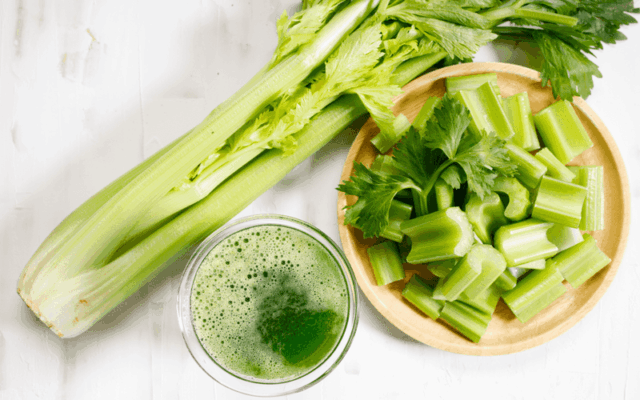
A serving adds water and a modest amount of fiber
A serving adds water and a modest amount of fiber
© Eat This Much

Numbers help here. According to USDA nutrient data for raw celery, 100 grams provides about 16 calories, 1.6 g of fiber, and 95 g of water.

In other words, celery is almost entirely water.

Most people do not eat exactly 100 grams, so the database also lists a 75 g measure, which it describes as about two stalks. That portion provides about 12 calories and 1.2 g of fiber.

The serving basis matters, because mixing up the 100 g and 75 g figures is an easy way to end up with the wrong totals.

So what does that mean for your day? Celery can add to your fiber intake, and the water content makes it a light, crunchy snack.

Still, 1.2 g of fiber is a small amount, not a large source. Plenty of other vegetables, beans, and whole grains deliver more per serving.

The takeaway is modest and useful. Celery is one easy way to add vegetables, water, and some fiber to your eating.

One serving by itself is not proof of a noticeable health change, and it is not a reason to expect your body to feel different next week.

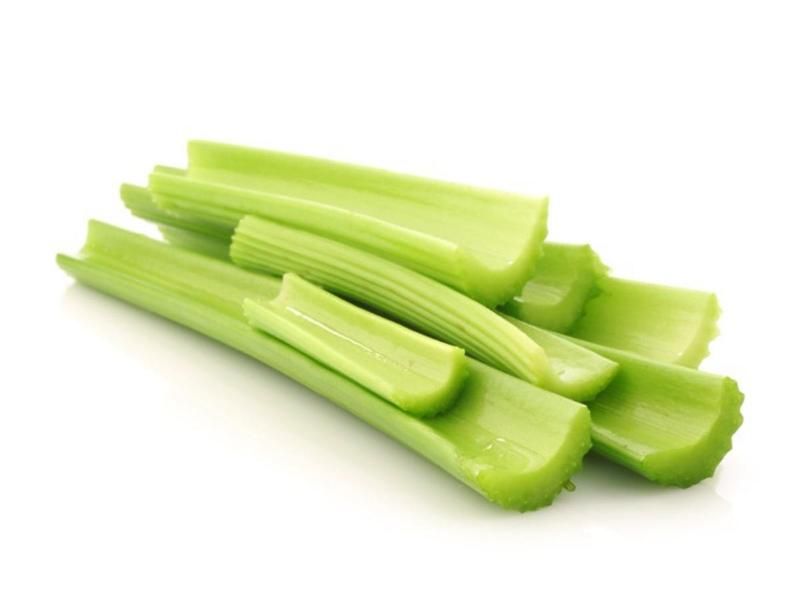
Celery works best as one part of a varied diet

Celery works best as one part of a varied diet
© The Forked Spoon

Think of celery as a team player. CDC guidance describes vegetables and fruits in general as sources of fiber, vitamins, and minerals, and it encourages eating a mix rather than leaning on a single favorite.

Celery fits that picture nicely, but it does not stand above the rest.

A celery stalk, a glass of juice, and a bottle of celery-seed capsules are three different things.

Raw and cooked both work. Slice a stalk into a lunch salad, or pack sticks with hummus or peanut butter for an afternoon snack.

Chopped celery also forms the base of many soups, stews, and casseroles, where it softens and adds flavor along with onions and carrots.

A few simple swaps keep things interesting. Stir diced celery into chicken salad, toss thin slices into a stir-fry near the end of cooking, or add the leaves to broth for a herby note.

On days when celery is not on the plate, other vegetables can fill the gap.

Variety is the real goal. A week with celery, greens, beans, peppers, and root vegetables covers far more ground than a week of celery alone.

Enjoy the crunch, and let it share the plate.

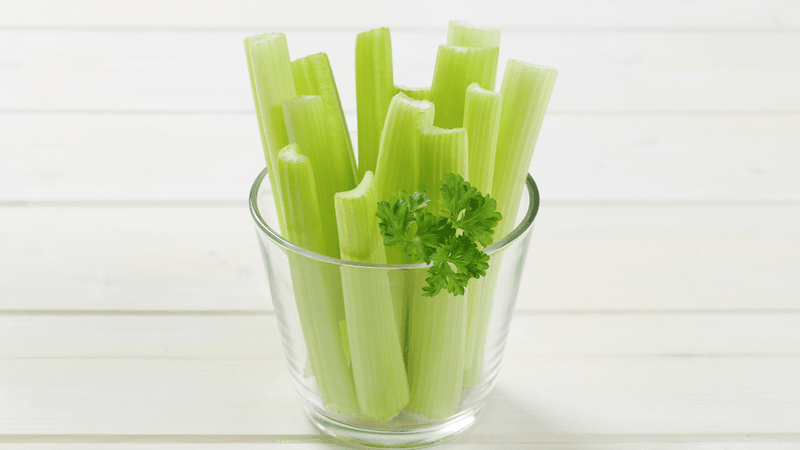
What research says about celery and body changes
What research says about celery and body changes
© Karyn Forsyth Duggan

Here is the direct answer: current evidence does not show that ordinary celery stalks eaten every day cause noticeable changes in the body or treat any condition. That may sound disappointing, but it keeps expectations honest.

There is some interesting research, though. A 2025 meta-analysis pooled 10 randomized trials involving 511 adults.

It reported improvements in blood pressure and some measures of blood sugar and blood fats among people who used celery preparations.

Look closely at the fine print. The trials were small, and the celery products varied from one study to the next.

The analysis found substantial heterogeneity, which means the results differed a lot between studies, so they are hard to combine into one clear message. The authors called for larger, longer trials.

That makes this a limited, early signal. It is not proof that eating a daily serving of stalks lowers blood pressure or changes metabolic numbers.

If you have high blood pressure or diabetes, your prescribed treatment and your clinician’s advice come first, and celery is simply a vegetable that can sit alongside them.

Juice and supplements are different from celery stalks
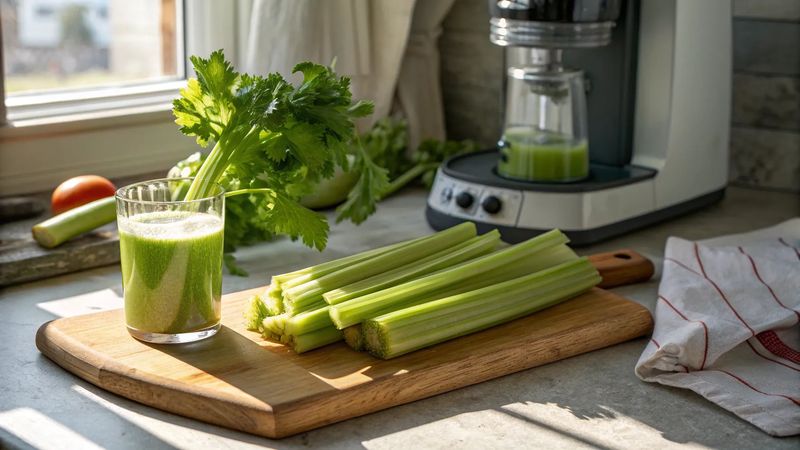
Juice and supplements are different from celery stalks
© Glimja

A celery stalk, a glass of juice, and a bottle of celery-seed capsules are three different things. The trials in the 2025 review covered varied concentrated preparations, and seed or higher-dose forms appeared more effective in subgroup analysis, according to the published meta-analysis.

That does not translate into a proven daily food dose, and you cannot work out a supplement amount from the celery on your plate.

Neither juice nor pills are necessary. If you enjoy a glass of celery juice, that is fine, but it is simply a drink made from a vegetable.

Whole stalks keep their fiber, while juicing removes much of it.

Then there are the detox claims. NCCIH guidance on detoxes and cleanses says research on these diets is limited and does not compellingly show that they remove toxins.

Your liver and kidneys already handle that job.

The sources reviewed also do not show that celery juice detoxifies the body or works any differently on an empty stomach. If you like it first thing in the morning, go ahead, just do not count on a cleansing effect.

Supplements are best discussed with a clinician or pharmacist, especially if you take other medicines.

Virginia’s cool season suits celery, with local caveats
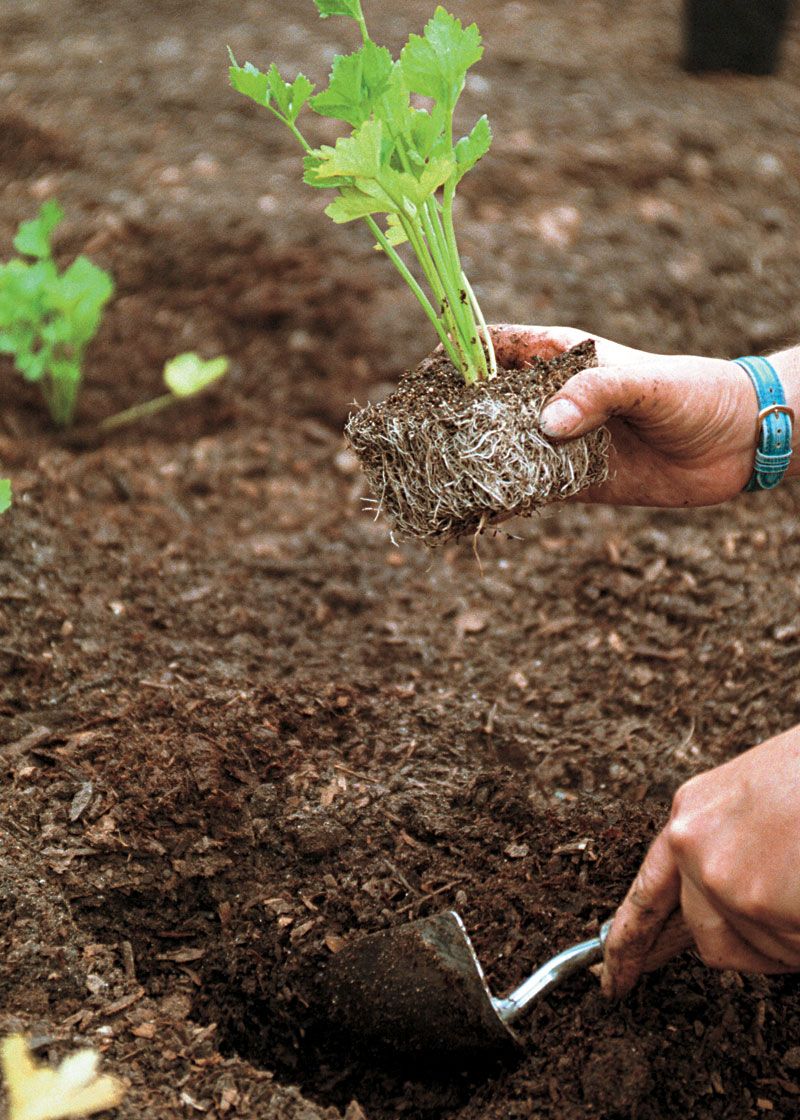
Virginia's cool season suits celery, with local caveats
© Fine Gardening

Gardeners know celery can be fussy. It is a cool-season crop that grows best in moderately cool conditions with steady soil moisture, which is why long, hot stretches can be hard on it.

Virginia Cooperative Extension’s Mid-Atlantic commercial vegetable production guide gives May 1 to June 30 as a usual commercial planting period. It also estimates that plants reach usable size about 85 to 100 days after transplanting.

Treat those dates as regional commercial guidance, not a promise for every backyard. A garden in the mountains, the Piedmont, or Tidewater can differ in temperature, soil, and weather from year to year.

Your local Extension office can help you adjust timing for your own spot.

One more point: homegrown celery is still celery. Growing it yourself can be rewarding and tasty, but nothing in these sources suggests it has different health effects from store-bought stalks.

Grow it for the fresh crunch and the satisfaction.

Keep a daily habit safe and realistic
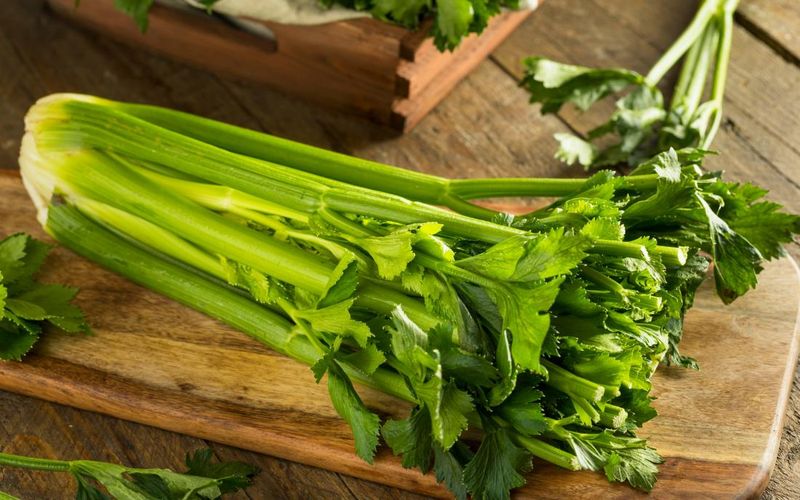
Keep a daily habit safe and realistic
© Medical News Today

For most people, celery is an ordinary food. A few cases call for care, though.

Anaphylaxis UK explains that celery allergy can cause reactions from oral itching or swelling to severe allergic reactions, including anaphylaxis. Anyone with a known celery allergy should not follow a daily-celery habit.

Celery also contains vitamin K. USDA data list 29.3 micrograms per 100 g, as reflected in the USDA FoodData Central listings.

That is not a reason for most people to skip it. If you take warfarin, talk with your clinician before making a major dietary change, and try to keep your vitamin K intake steady from week to week.

Medication is another line to hold. Celery and celery-seed products should never replace prescribed treatment, and the 2025 review itself says more research is needed on dosing and long-term effects.

A realistic habit looks simple: a couple of stalks in a salad, a soup, or a snack, alongside plenty of other vegetables. Celery is a crisp, cheap, useful vegetable, and that is quite enough.

Share this story

CW

Written by

Caroline Whitfield

More from Caroline Whitfield →

About Gardening Latest

Gardening Latest provides in-depth guides to maintaining and enhancing your garden and backyard. Learn how to make the most of the space you have and create a beautiful garden.

More about us →

Latest stories

  • Florida GardeningCoyotes Now Live in Every Florida County, and Their Nighttime Howls Near Your Home Mean Something

    Coyotes Now Live in Every Florida County, and Their Nighttime Howls Near Your Home Mean Something

    4 min ago
  • Maryland GardeningThat Huge Black Moth Resting by Your Maryland Porch Light Is a Harmless Visitor With a Wild Backstory

    That Huge Black Moth Resting by Your Maryland Porch Light Is a Harmless Visitor With a Wild Backstory

    11 min ago
  • Iowa GardeningThose Scratching Sounds Inside Your Iowa Walls at Night Might Be Flying Squirrels, or Mice

    Those Scratching Sounds Inside Your Iowa Walls at Night Might Be Flying Squirrels, or Mice

    17 min ago
  • Virginia GardeningThe Puss Caterpillar Sting Is Brutal, and Virginia Gardeners Need These First-Aid Steps Right Away

    The Puss Caterpillar Sting Is Brutal, and Virginia Gardeners Need These First-Aid Steps Right Away

    23 min ago
  • New Jersey GardeningYellow Jackets Set Up Shop Near Your New Jersey Home? Here’s How To Deal With Them Safely

    Yellow Jackets Set Up Shop Near Your New Jersey Home? Here’s How To Deal With Them Safely

    30 min ago

Gardening by state

Stories for your state, and the hardiness zone most of it gardens in.

Keep exploring

Read next

All Virginia Gardening →
Virginia GardeningThe Puss Caterpillar Sting Is Brutal, and Virginia Gardeners Need These First-Aid Steps Right Away
Virginia Gardening

The Puss Caterpillar Sting Is Brutal, and Virginia Gardeners Need These First-Aid Steps Right Away

23 min ago
Virginia GardeningThree Venomous Snakes And A Few Biting Spiders Live In Virginia Yards, So Learn To Recognize Each One
Virginia Gardening

Three Venomous Snakes And A Few Biting Spiders Live In Virginia Yards, So Learn To Recognize Each One

2 hr ago
Virginia GardeningThere’s a Seasonal Reason You’re Hearing Coyotes Howl Near Your Virginia Home After Dark
Virginia Gardening

There’s a Seasonal Reason You’re Hearing Coyotes Howl Near Your Virginia Home After Dark

6 hr ago

More from Virginia Gardening

  • Everyone Hates Pokeweed’s Purple Berries, But Old Virginia Cooks Prized Its Spring Leaves

    Nov 26
  • Here’s What Virginia Law Lets You Do When Your Neighbor’s Vines Swallow Your Fence

    Nov 25
Back to top

Leave a response Cancel

Your email address stays private. Required fields are marked with an asterisk.

Gardening Latest

In-depth guides to maintaining and enhancing your garden and backyard: how to make the most of the space you have, and how to make it beautiful.

  • Facebook
  • X
  • Pinterest
  • YouTube

We may earn a portion of sales from products or services that are purchased through our site as part of our affiliate partnerships with retailers.

Explore

  • About GardeningLatest.com
  • Contact Us
  • Terms and Conditions
  • Privacy
  • Editorial Note:
  • FTC Disclosure

Newsletter

New garden guides and seasonal tips, straight to your inbox.

We’ll email you a link to confirm. Unsubscribe any time.

Almost there! Check your inbox and tap the link to confirm.

© 2026 Gardening Latest. All rights reserved.

Back to top