Get the latest garden guides in your inbox →
Gardening Latest
  • General Gardening
  • Lawn Care
  • Plant Care
  • Composting
  • Soil Health
  • Backyard
  • Garden Muse Magazine
  • General Gardening
  • Lawn Care
  • Plant Care
  • Composting
  • Soil Health
  • Backyard
  • Garden Muse Magazine
  • News
  • Gardening Calendar
  • Garden Structures
  • Vegetable Garden
  • Vertical Garden
  • Raised Beds
  • Hydroponics
  • General Equipment
  • Community Gardens
Garden Themes
  • Spiritual Garden
  • Hydroseeding
  • Seeding and Laying Sod
  • Artificial Grass
  • Lawn Care Equipment
  • Plants
  • Trees
  • Planting Tools
  • Composting Basics
  • Fertilizer
  • Alternative Growing Mediums
  • Front Yard
  • Backyard Activities
  • Landscaping
Gardening Latest

Explore by state

Which state is your garden in?

Currently viewing Virginia

All states

Northeast

  • Connecticut —
  • Delaware 40
  • Maine —
  • Maryland 26
  • Massachusetts 43
  • New Hampshire —
  • New Jersey 27
  • New York 36
  • Pennsylvania 36
  • Rhode Island —
  • Vermont —

Southeast

  • Alabama 26
  • Arkansas —
  • Florida 26
  • Georgia 27
  • Kentucky 40
  • Louisiana 25
  • Mississippi —
  • North Carolina 25
  • South Carolina 39
  • Tennessee 23
  • Virginia 26
  • West Virginia —

Midwest

  • Illinois 25
  • Indiana 28
  • Iowa 40
  • Kansas —
  • Michigan 27
  • Minnesota 25
  • Missouri 25
  • Nebraska —
  • North Dakota —
  • Ohio 27
  • South Dakota —
  • Wisconsin 41

Southwest

  • Arizona 26
  • Colorado —
  • Nevada —
  • New Mexico —
  • Oklahoma —
  • Texas 25
  • Utah —

West

  • Alaska —
  • California 26
  • Hawaii —
  • Idaho —
  • Montana —
  • Oregon —
  • Washington —
  • Wyoming —

No state matches that search.

Site menu

Gardening Latest
  • General Gardening
    • News
    • Gardening Calendar
    • Garden Structures
    • Vegetable Garden
    • Vertical Garden
    • Raised Beds
    • Hydroponics
    • General Equipment
    • Community Gardens
    Garden Themes
    • Spiritual Garden
  • Lawn Care
    • Hydroseeding
    • Seeding and Laying Sod
    • Artificial Grass
    • Lawn Care Equipment
  • Plant Care
    • Plants
    • Trees
    • Planting Tools
  • Composting
    • Composting Basics
  • Soil Health
    • Fertilizer
    • Alternative Growing Mediums
  • Backyard
    • Front Yard
    • Backyard Activities
    • Landscaping
  • Garden Muse Magazine

Explore

  • About GardeningLatest.com
  • Contact Us

Get the latest from the garden

New guides on lawn care, plants and backyard projects, sent when they go up.

Subscribe →

Follow

  • Facebook
  • X
  • Pinterest
  • YouTube
Virginia Gardening

Three Venomous Snakes And A Few Biting Spiders Live In Virginia Yards, So Learn To Recognize Each One

Virginia is home to more than 30 kinds of snakes and hundreds of spiders, but only a small handful can truly hurt…

CW

By Caroline Whitfield

November 27, 2026 · 5 min read

Three Venomous Snakes And A Few Biting Spiders Live In Virginia Yards, So Learn To Recognize Each One

Virginia is home to more than 30 kinds of snakes and hundreds of spiders, but only a small handful can truly hurt you. Three snakes and a few spiders carry venom strong enough to send someone to the doctor.

Knowing what they look like helps you stay calm, keep kids and pets safe, and leave the harmless critters alone. Here is how to spot each one before it surprises you in the garden, woodpile, or garage.

At a glance

Where
Virginia Gardening
Hardiness zone
7 0 to 10°F
Read
5 minutes
Published
November 27, 2026

1. Eastern Copperhead

Eastern Copperhead
© Reddit

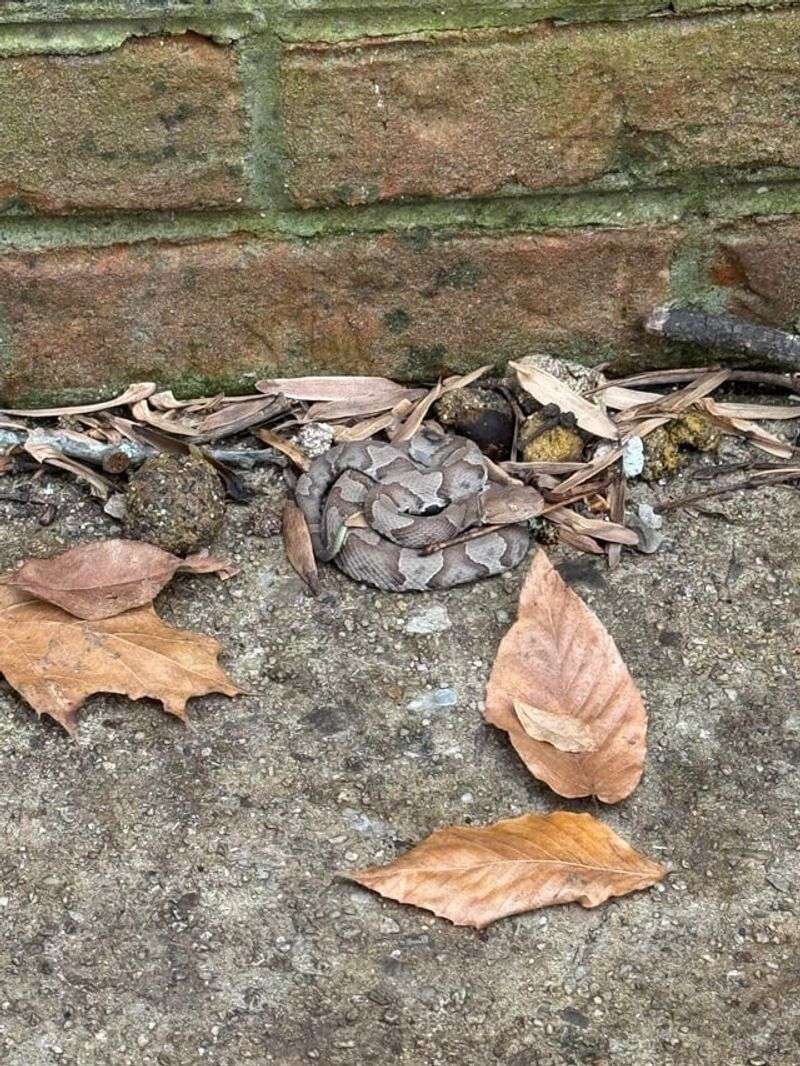
Pull back a pile of fallen leaves in a Richmond flower bed, and you might be looking right at the most common venomous snake in Virginia. Copperheads are masters of disguise.

Their tan and copper bands melt into dead leaves so well that most bites happen when someone reaches or steps without looking.

The key clue is the pattern. Each dark band is shaped like an hourglass or a Hershey’s Kiss when viewed from the side, wide at the bottom and narrow on the back.

The head is a solid coppery color and somewhat triangular, and young ones have a bright yellow tail tip they wiggle to lure frogs.

The good news? Copperhead venom is mild compared to other pit vipers, and deaths are extremely rare.

A bite still hurts a lot and needs a hospital visit, so wear gloves and closed shoes when gardening, and use a light to check paths on warm summer nights.

2. Timber Rattlesnake
Timber Rattlesnake
© Wonderful West Virginia Magazine

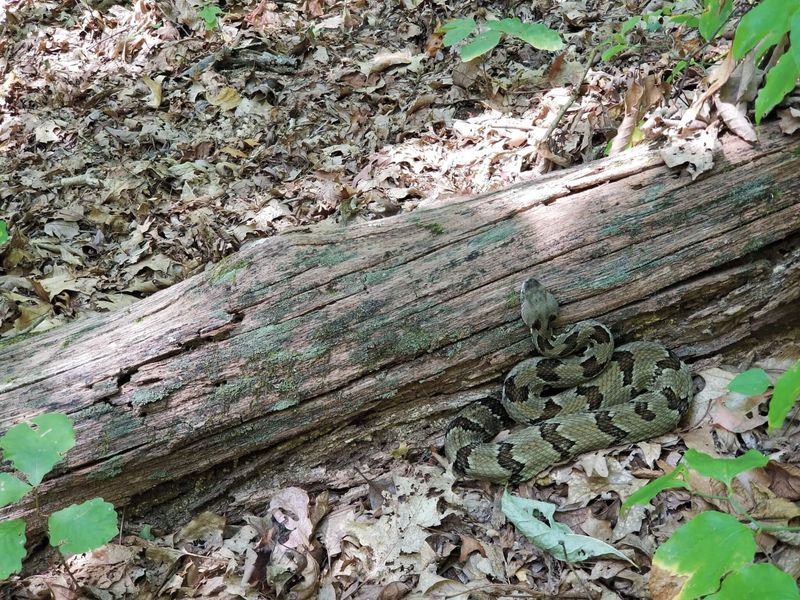
Here’s a surprise: Virginia’s largest venomous snake is also one of its shyest. Timber rattlesnakes can stretch past four feet, yet they often lie perfectly still and let hikers walk by without ever rattling.

Look for dark, zigzag bands shaped like a V or chevron across a yellow, gray, or brown body. The tail is velvety black and ends in a rattle.

Brown recluses are actually rare in Virginia, showing up mostly when they hitch a ride in boxes or furniture from states farther west.

In the eastern lowlands, a version called the canebrake rattlesnake often has a pinkish tint and a rusty stripe down the back.

You’re most likely to meet one near wooded mountains, rocky slopes, or the swampy southeast corner of the state. Their venom is powerful, so back away slowly and give them plenty of room.

Fun fact: timber rattlers can live over 30 years and often return to the same winter den for life.

3. Northern Cottonmouth
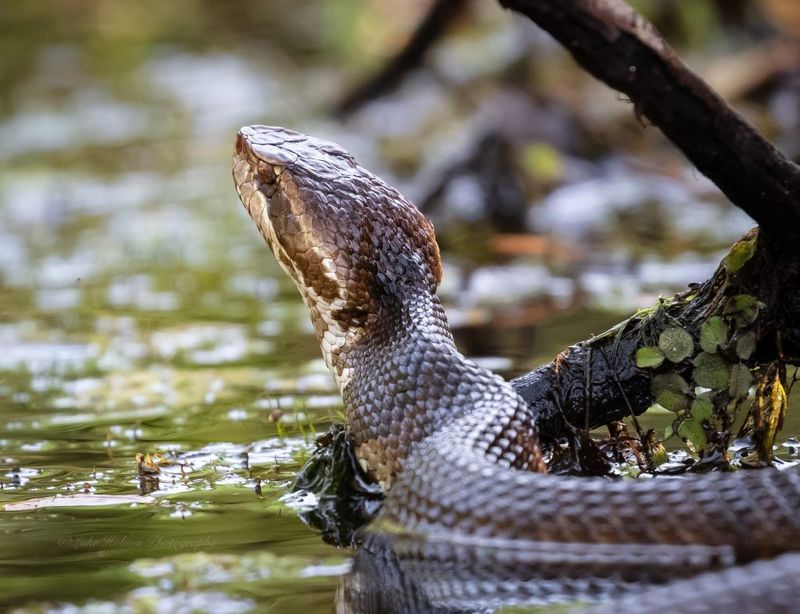
Northern Cottonmouth
© Sage Pest Control

Picture a thick, dark snake on a muddy creek bank opening its mouth wide to flash a cotton-white lining. That bold warning gives the cottonmouth its name, and it’s a sight you’ll only see in southeastern Virginia.

Cottonmouths, also called water moccasins, live in places like the Great Dismal Swamp, Virginia Beach, and Chesapeake. Adults are heavy-bodied and often look nearly black or olive, with faint bands.

A dark stripe runs from the eye back along the face, and they swim with their whole body floating on top of the water.

Here’s the catch. Plenty of harmless water snakes get blamed for being cottonmouths, and they are killed for no reason.

If you live outside the southeast corner of the state, the snake in your pond is almost certainly a northern water snake.

4. Black Widow Spider
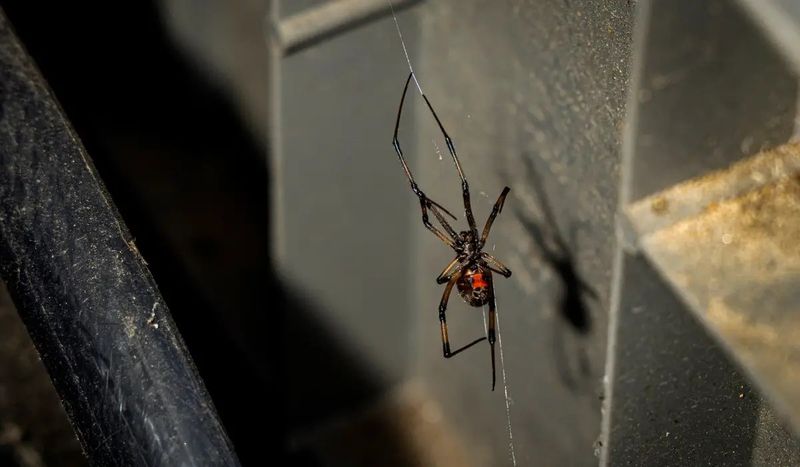
Black Widow Spider
© Rigo Pest Prevention

Shiny, round, and black as a polished bead, the female black widow is easy to recognize once you flip her over. A red hourglass marks her belly, and she usually hangs upside down, showing it off.

Both southern and northern black widows live in Virginia. They spin messy, tangled webs in quiet, dark corners like woodpiles, meter boxes, sheds, and under patio furniture.

Most bites happen when someone sticks a hand where the spider can’t escape.

The venom affects nerves and can cause strong muscle cramps, sweating, and belly pain. Healthy adults usually recover, but kids and older folks should get medical help quickly.

Shake out gloves and boots that have sat in the garage, and wear gloves when grabbing firewood.

5. Brown Recluse Spider
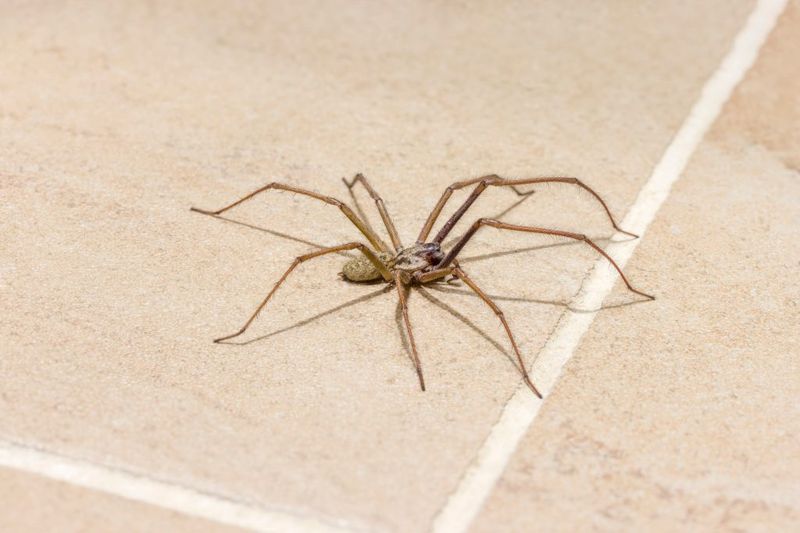
Brown Recluse Spider
© ClearDefense Pest Control

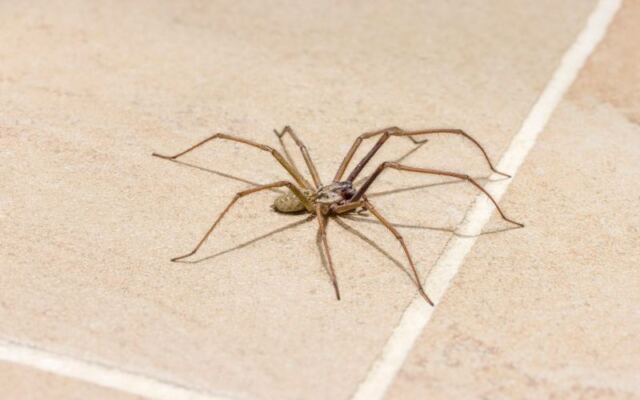
Few spiders are blamed for more bites they never gave. Brown recluses are actually rare in Virginia, showing up mostly when they hitch a ride in boxes or furniture from states farther west.

Still, it pays to know the signs. A recluse is light brown with a darker violin shape on its back, with the neck of the violin pointing toward the rear.

The best clue is the eyes: it has six eyes in three pairs, while most spiders have eight.

Their bites can sometimes cause a slow-healing wound, so see a doctor if a sore spreads or darkens. If you think you’ve found one, trap it in a jar and have a local extension office check it out.

6. Yellow Sac Spider
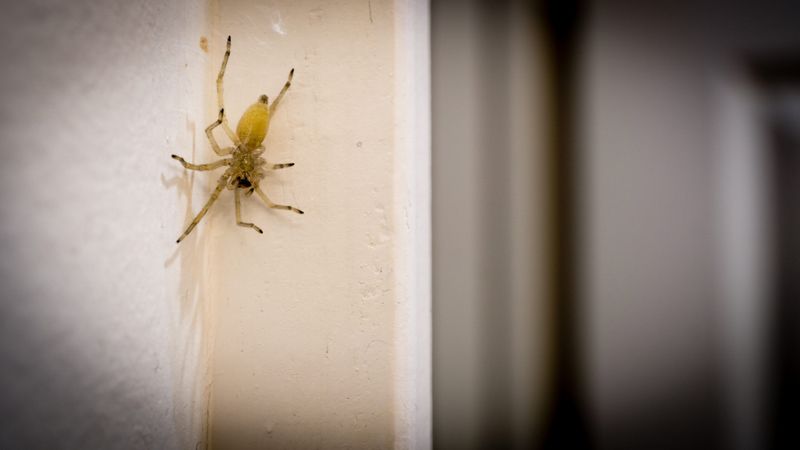
Yellow Sac Spider
© Green Pest Services

Ever wake up with a small, red, itchy bump and wonder what happened? A yellow sac spider may be the culprit.

These pale, quarter-inch hunters roam at night and sometimes wander into beds or clothes.

They are a light yellow or beige color, with dark brown tips on their jaws and front legs. During the day they hide inside tiny silk pouches tucked in window corners, ceiling edges, and garden leaves.

A bite stings and may swell or blister a bit, but it usually heals on its own in a few days. Clean it with soap and water, use a cold pack, and keep an eye on it.

7. Harmless Look-Alikes To Leave Alone
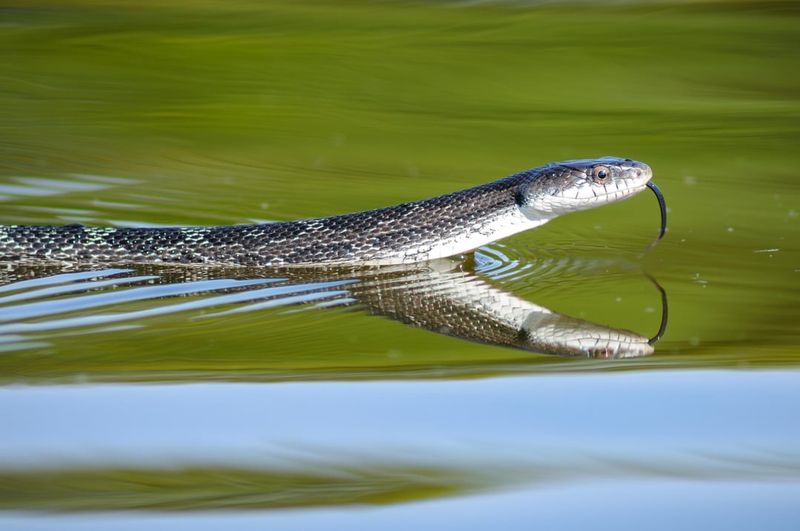
Harmless Look-Alikes To Leave Alone
© Reddit

Most snakes and spiders in your yard are working for you, not against you. The eastern rat snake eats mice, the northern water snake keeps fish ponds balanced, and wolf spiders gobble up pests by the dozen.

Young rat snakes have blotches that fool people into thinking they’re copperheads. Water snakes get mistaken for cottonmouths all the time.

Big, hairy wolf spiders look scary, yet their bite feels like a bee sting at worst.

A smart rule is simple: if you’re not sure, don’t touch it. Snap a photo from a safe distance and check with the Virginia Herpetological Society or your county extension office.

Learning the difference keeps you safe and protects helpful creatures that make your yard a healthier place.

Share this story
CW

Written by

Caroline Whitfield

More from Caroline Whitfield →

About Gardening Latest

Gardening Latest provides in-depth guides to maintaining and enhancing your garden and backyard. Learn how to make the most of the space you have and create a beautiful garden.

More about us →

Latest stories

  • Iowa GardeningThose Scratching Sounds Inside Your Iowa Walls at Night Might Be Flying Squirrels, or Mice

    Those Scratching Sounds Inside Your Iowa Walls at Night Might Be Flying Squirrels, or Mice

    5 min ago
  • Virginia GardeningThe Puss Caterpillar Sting Is Brutal, and Virginia Gardeners Need These First-Aid Steps Right Away

    The Puss Caterpillar Sting Is Brutal, and Virginia Gardeners Need These First-Aid Steps Right Away

    11 min ago
  • New Jersey GardeningYellow Jackets Set Up Shop Near Your New Jersey Home? Here’s How To Deal With Them Safely

    Yellow Jackets Set Up Shop Near Your New Jersey Home? Here’s How To Deal With Them Safely

    18 min ago
  • North Carolina GardeningAfter a Good North Carolina Rain, Fresh Fire Ant Mounds Show You Exactly Where Your Yard Stays Wet

    After a Good North Carolina Rain, Fresh Fire Ant Mounds Show You Exactly Where Your Yard Stays Wet

    24 min ago
  • Michigan GardeningSpot a Brown Recluse Look-Alike in Your Michigan Basement This Winter? Here’s What It Really Is

    Spot a Brown Recluse Look-Alike in Your Michigan Basement This Winter? Here’s What It Really Is

    29 min ago

Gardening by state

Stories for your state, and the hardiness zone most of it gardens in.

Keep exploring

Read next

All Virginia Gardening →
Virginia GardeningThe Puss Caterpillar Sting Is Brutal, and Virginia Gardeners Need These First-Aid Steps Right Away
Virginia Gardening

The Puss Caterpillar Sting Is Brutal, and Virginia Gardeners Need These First-Aid Steps Right Away

11 min ago
Virginia GardeningThere’s a Seasonal Reason You’re Hearing Coyotes Howl Near Your Virginia Home After Dark
Virginia Gardening

There’s a Seasonal Reason You’re Hearing Coyotes Howl Near Your Virginia Home After Dark

6 hr ago
Virginia GardeningVirginians Who Make Celery A Daily Habit Notice What It’s Doing For Their Bodies
Virginia Gardening

Virginians Who Make Celery A Daily Habit Notice What It’s Doing For Their Bodies

9 hr ago

More from Virginia Gardening

  • Everyone Hates Pokeweed’s Purple Berries, But Old Virginia Cooks Prized Its Spring Leaves

    Nov 26
  • Here’s What Virginia Law Lets You Do When Your Neighbor’s Vines Swallow Your Fence

    Nov 25
Back to top

Leave a response Cancel

Your email address stays private. Required fields are marked with an asterisk.

Gardening Latest

In-depth guides to maintaining and enhancing your garden and backyard: how to make the most of the space you have, and how to make it beautiful.

  • Facebook
  • X
  • Pinterest
  • YouTube

We may earn a portion of sales from products or services that are purchased through our site as part of our affiliate partnerships with retailers.

Explore

  • About GardeningLatest.com
  • Contact Us
  • Terms and Conditions
  • Privacy
  • Editorial Note:
  • FTC Disclosure

Newsletter

New garden guides and seasonal tips, straight to your inbox.

We’ll email you a link to confirm. Unsubscribe any time.

Almost there! Check your inbox and tap the link to confirm.

© 2026 Gardening Latest. All rights reserved.

Back to top