Plenty of Texas gardeners have dropped a trowel and run after spotting something scary in the tomato bed. The funny part is that many of those creatures are completely harmless to people.
Some of them even help your garden by eating pests like slugs, roaches, and mosquitoes. Learning to tell the lookalikes from the real threats can save you a scare and save a helpful critter’s life.
1. Texas Rat Snake
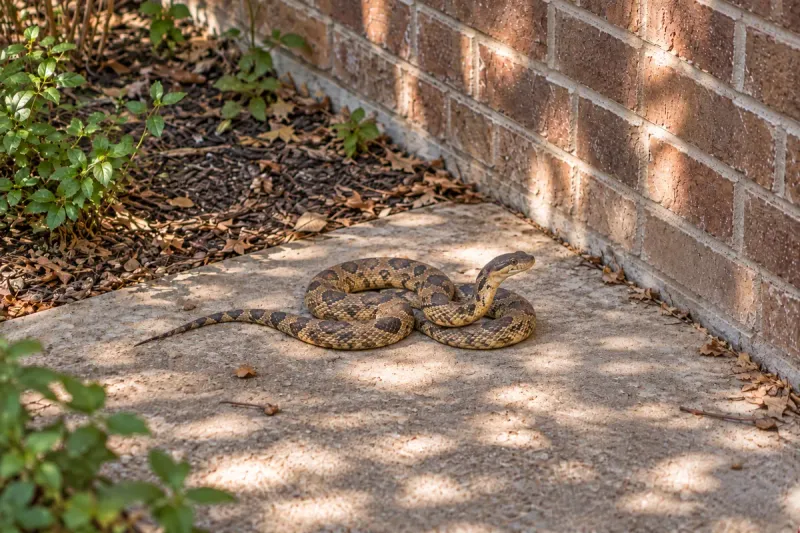
Ask any rural Texan about a snake in the chicken coop, and odds are good it was a Texas rat snake. These long, blotchy climbers can stretch past five feet, and when cornered they hiss, puff up, and even shake their tails in dry leaves to sound like a rattler.
That buzzing bluff fools a lot of people. Look closer, though, and you will see no rattle, a slender head, and round pupils, all signs of a nonvenomous snake.
Rat snakes are rodent control experts. A single one can keep a barn or shed far cleaner than any trap, so letting it pass is a smart trade.
2. Hognose Snake
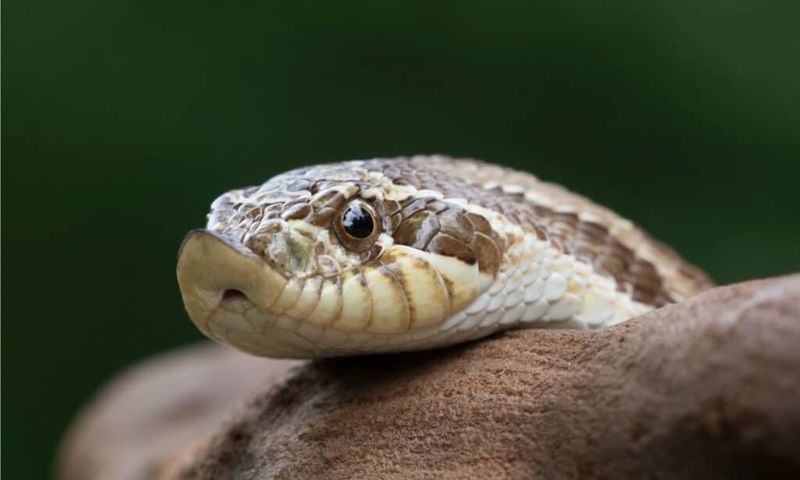
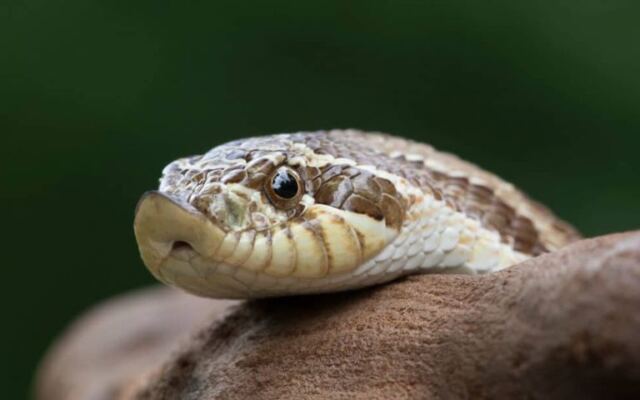
Few animals deserve an acting award more than the hognose snake. Startle one and it flattens its neck like a tiny cobra, hisses loudly, and strikes with its mouth closed.
If that show fails, it flips belly-up, lets its tongue hang out, and plays dead. Turn it right side up and it will often roll right back over, as if to insist it really is dead.
Hognoses love sandy soil and feast on toads. Their upturned snout works like a little shovel, and they almost never bite people.
3. Milk Snake
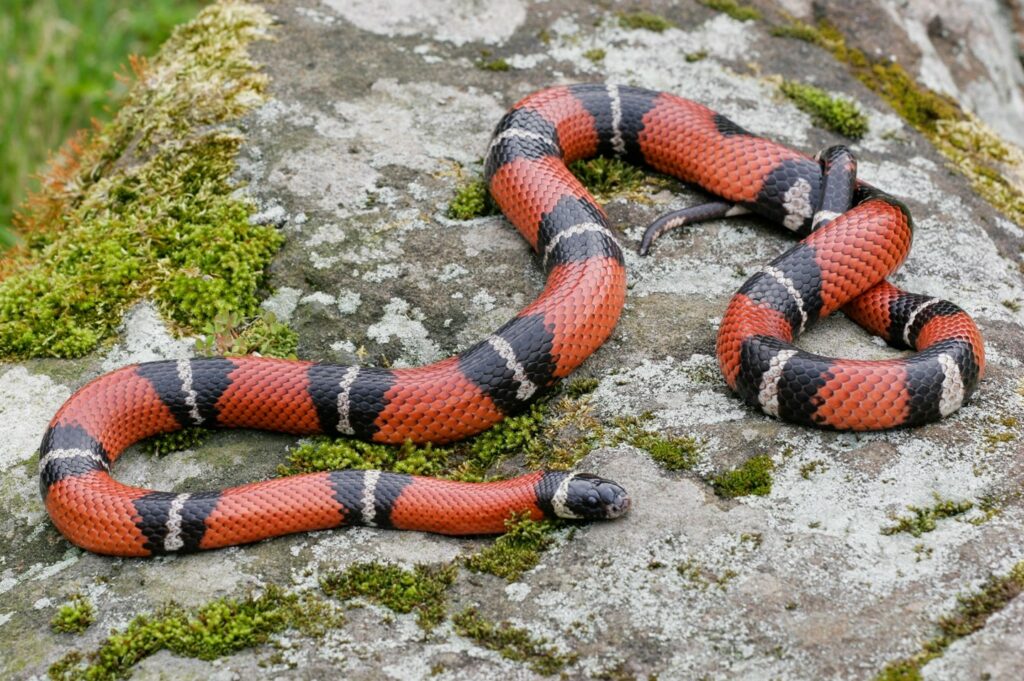
Red touches yellow, kills a fellow. Red touches black, friend of Jack.
Texas kids have chanted that rhyme for generations to tell coral snakes from milk snakes.
Milk snakes wear bold red, black, and yellow rings that look a lot like the dangerous coral snake. On a milk snake, though, red bands touch black ones, not yellow.
Still, do not lean on the rhyme alone, since it only works for snakes in the United States. The safest plan is simple: admire any banded snake from a few steps back.
Milk snakes eat mice and even other snakes, so they earn their spot under your stepping stones.
4. Diamondback Water Snake
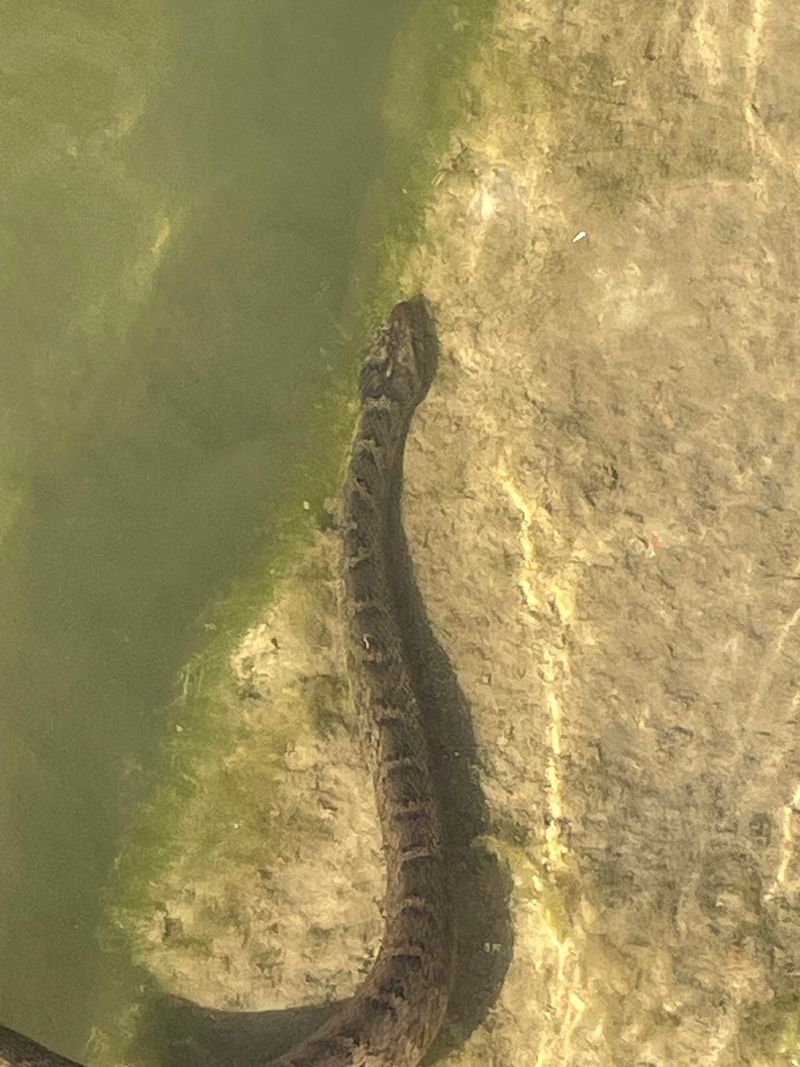
Got a pond, creek, or soggy corner? You may have met a diamondback water snake and assumed it was a cottonmouth.
Water snakes are thick, dark, and grumpy when grabbed, which makes the mix-up easy. They will bite and release a smelly musk if handled, but they carry no venom.
One quick clue is the eye. Water snakes have round pupils, while cottonmouths have cat-like slits and a dark stripe through the eye.
Water snakes also tend to flee fast instead of standing their ground.
5. Texas Spiny Lizard
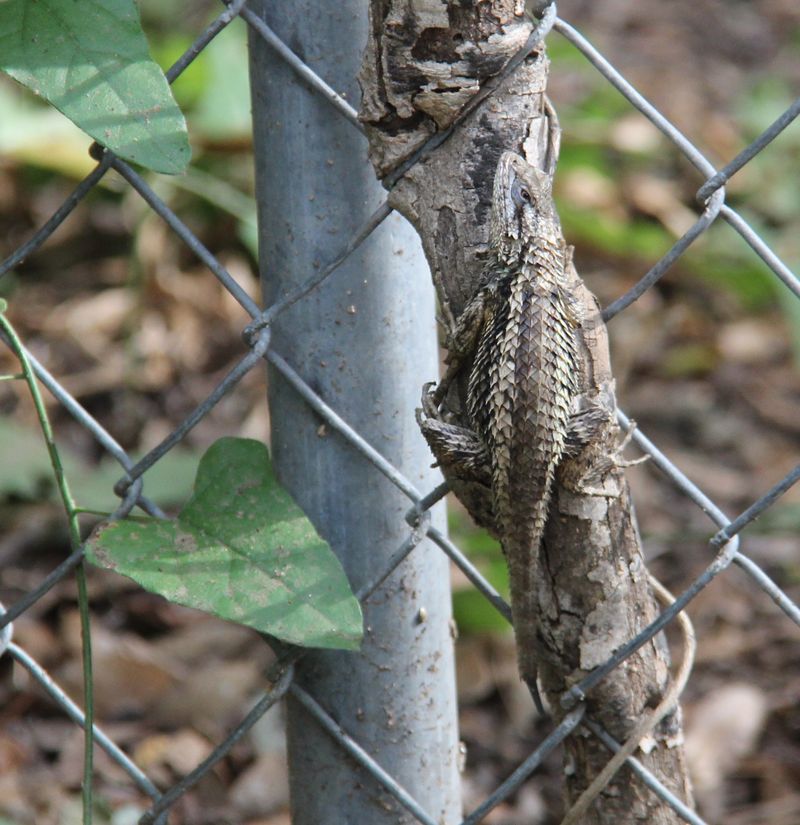
Here is a fun fact: no lizard in Texas is venomous. That does not stop folks from jumping when a spiny lizard rattles across the fence.
With rough, pointy scales and a habit of doing push-ups, it looks tougher than it is. It mostly scurries around tree trunks, keeping the bark between itself and you.
Spiny lizards gobble ants, beetles, and caterpillars. Think of them as free pest patrol with attitude.
6. Giant Desert Hairy Scorpion Lookalike: Vinegaroon
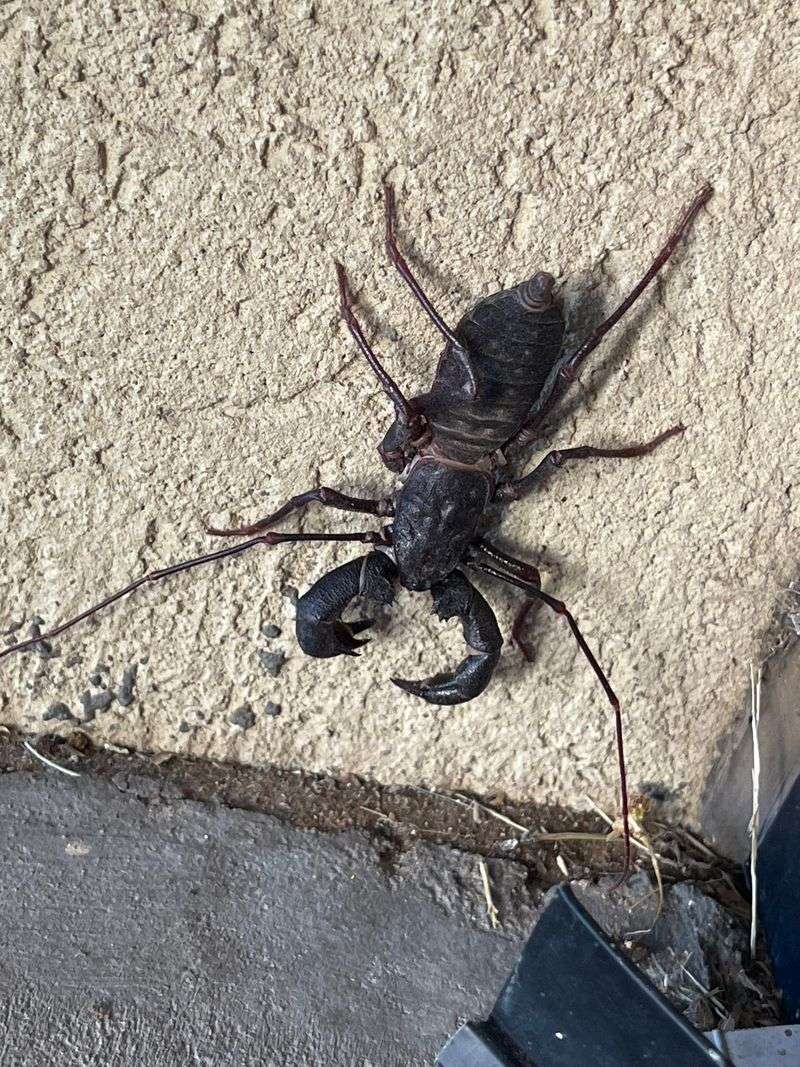
Picture a black creature with huge claws and a whip-like tail crawling out of your compost at night. Most people would scream.
Meet the vinegaroon, also called the whip scorpion.
It has no stinger and no venom. Its only defense is a spray of acid that smells strongly of vinegar, which is where the name comes from.
Vinegaroons hunt crickets, roaches, and millipedes after dark. Many West Texans actually welcome them around the house.
7. Wolf Spider
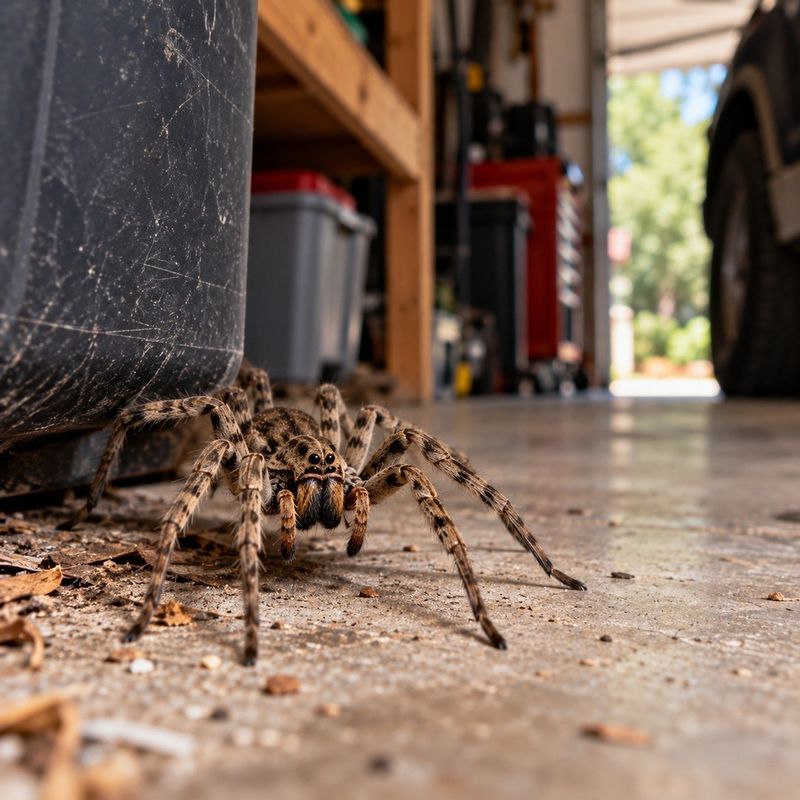
Fast, fuzzy, and sometimes as big as a half dollar, the wolf spider is pure nightmare fuel for some gardeners. It runs instead of spinning webs, so it seems to appear out of nowhere.
Mothers even carry dozens of babies on their backs. It is creepy, but also kind of sweet.
A wolf spider bite is rare and usually no worse than a bee sting. Their eyes shine green in a flashlight beam, so try a night walk to count how many are guarding your beds.
Share this story