You reach for a tomato, and something moves under the leaf. Your heart jumps, and you almost drop the basket.
Many of the creepy-looking critters in Louisiana gardens are not out to hurt you, and some are even helping your plants. Here are seven common garden visitors that look scary but are totally harmless to people.
1. Green Anole
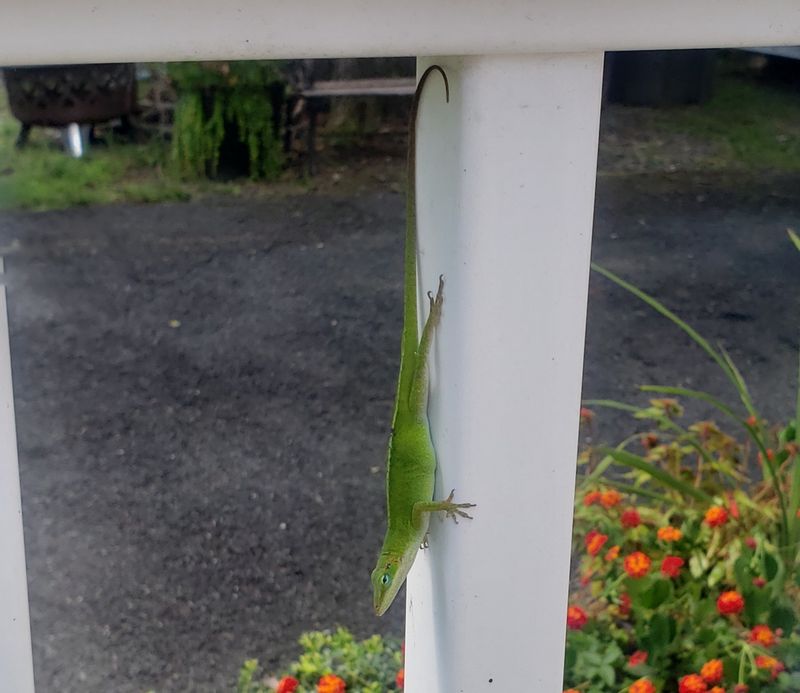
A flash of pink throat on the fence post usually means a male green anole is showing off. Folks across Louisiana call them chameleons, and they do switch from green to brown depending on mood and temperature.
Anoles have no venom and tiny teeth that barely pinch. If one darts across your hand while you weed, the worst you get is a surprise.
Better yet, they snack on crickets, flies, and small roaches all day. Leave a few shrubs and potted plants for cover, and they will patrol your beds for free.
2. Banded Garden Spider
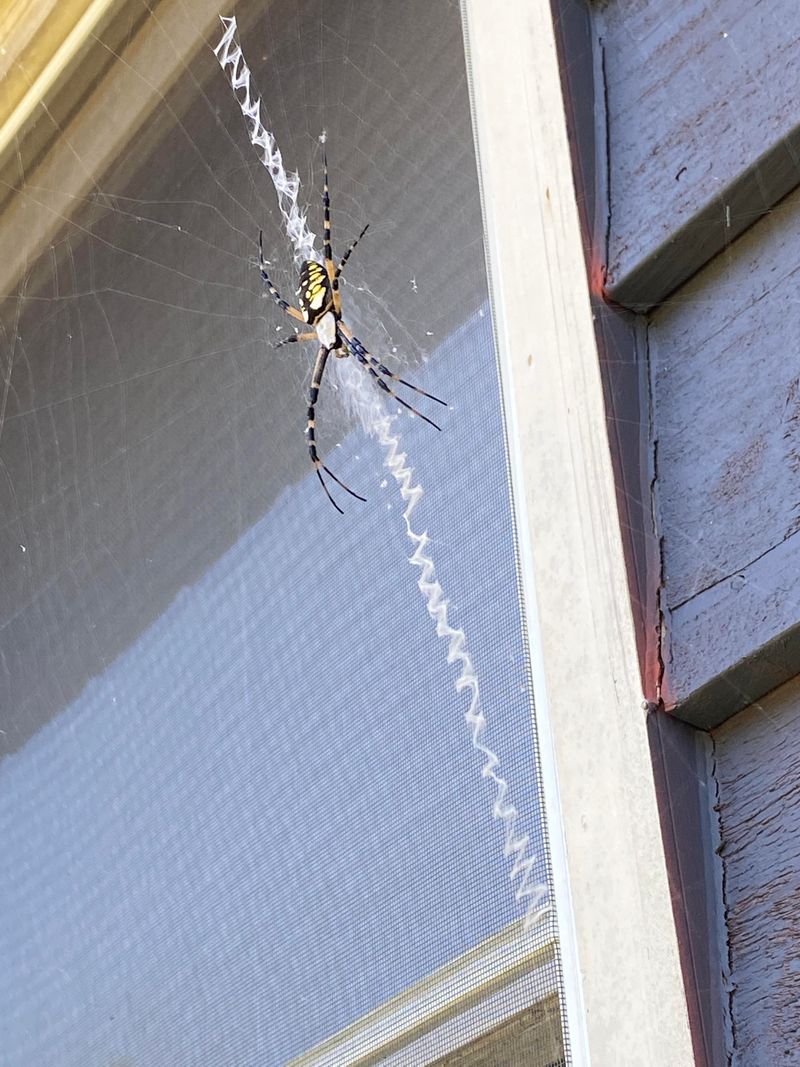
Picture walking face first into a web the size of a dinner plate, with a spider as big as a half-dollar sitting in the middle. That moment has made plenty of gardeners yell loud enough to wake the neighbors.
Writing spiders, named for the thick zigzag stitching in their webs, are shy giants. They would rather drop to the ground than bite, and even a rare nip feels like a mild bee sting at most.
Their webs catch grasshoppers, stink bugs, and flies that chew up your crops. Fun fact: in old Southern folklore, people claimed that if a writing spider spelled your name, you were in trouble.
Thankfully, they can’t spell.
3. Rat Snake
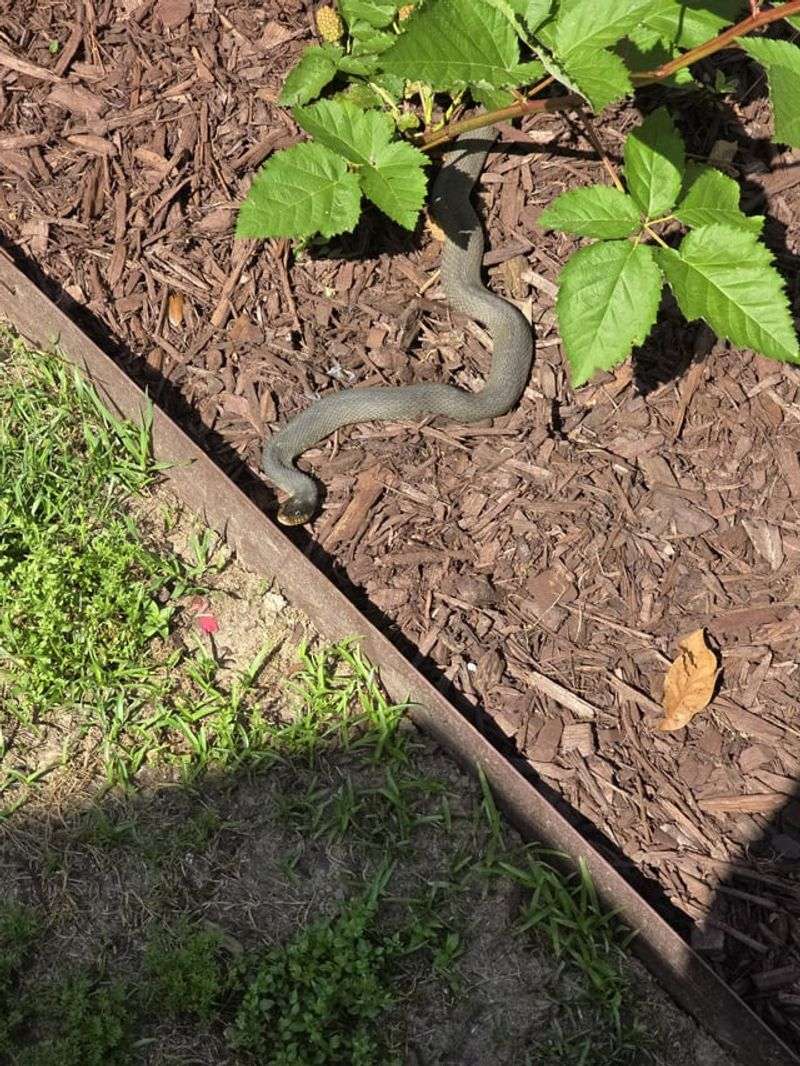
Long, dark, and fond of climbing, the rat snake has caused more than its fair share of garden panic. Some grow past five feet, which is enough to make anyone drop the hose.
Still, it has no venom at all. A cornered one may hiss, puff up, or shake its tail in dry leaves to sound tough, but that is mostly bluff.
Mice, rats, and voles are its favorite meals, and those pests love to chew bulbs and roots. One resident rat snake can quietly protect your garden shed better than any trap.
4. Southern Toad
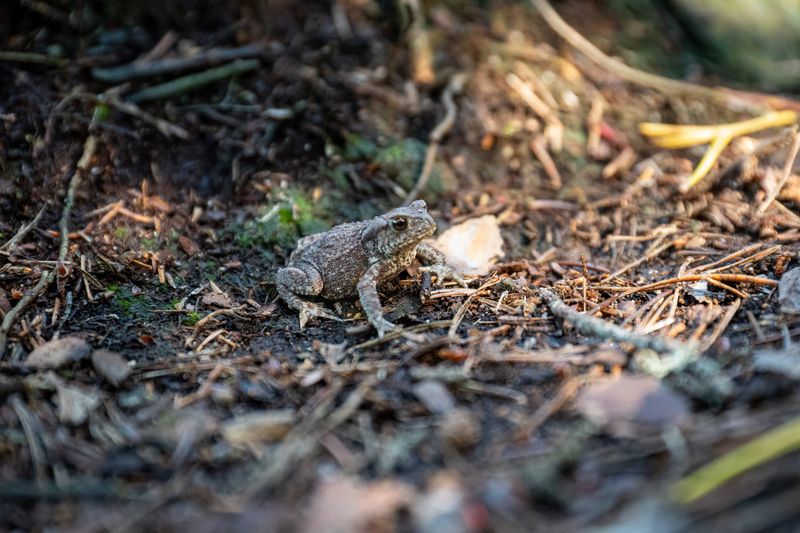
Lumpy, warty, and staring up from the mulch, the southern toad is nobody’s idea of cute. Plenty of kids have been told that touching one gives you warts.
That story is a myth. Toads do have glands behind their eyes that ooze a bitter liquid, but it only matters if a dog chews on one.
Wash your hands after holding a toad, and you are fine.
At night, a single toad can gobble hundreds of slugs, beetles, and cutworms. Set a shallow dish of water near your beds and watch your evening helpers move in.
5. Tomato Hornworm Moth
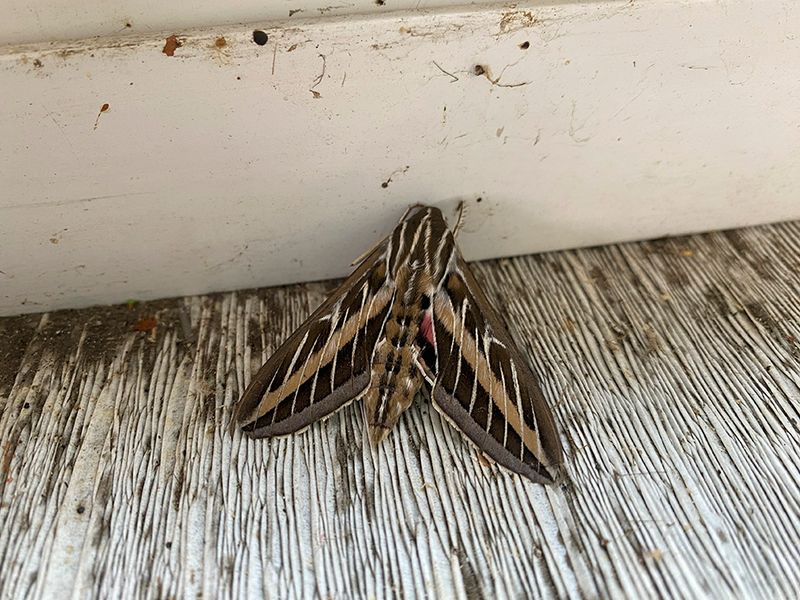
Ever had something the size of a hummingbird buzz past your ear at sunset? Chances are it was a hawk moth, also called a sphinx moth.
Fat bodies and fast wings make them look like giant wasps, yet they have no stinger. They simply sip nectar from evening flowers like moonflower and four o’clocks.
Gardeners do grumble about their caterpillars, the hornworms that strip tomato plants. The horn on the tail looks wicked, but it can’t sting either.
Just pick them off by hand, or leave a few for the parasitic wasps to handle.
6. Cicada Killer Wasp
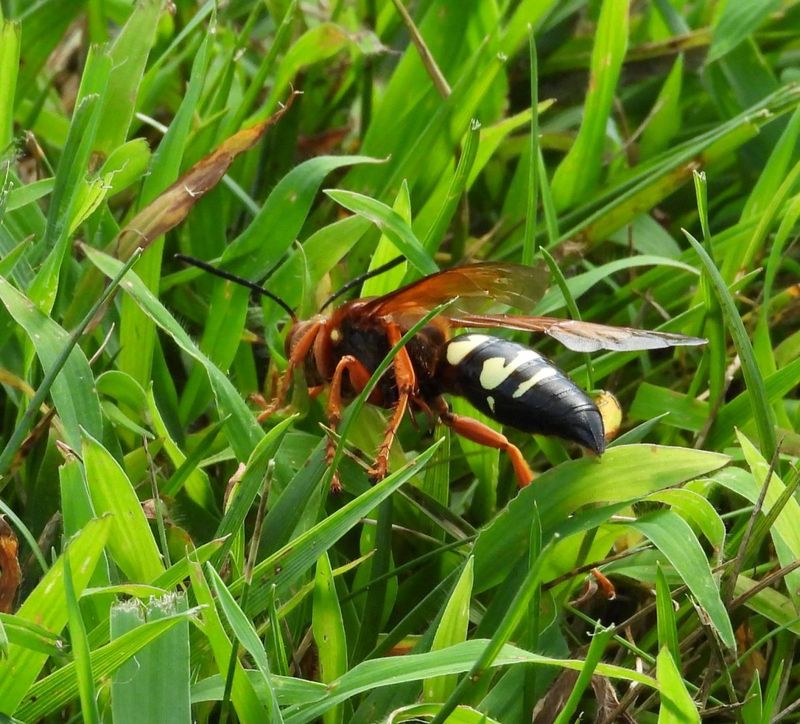
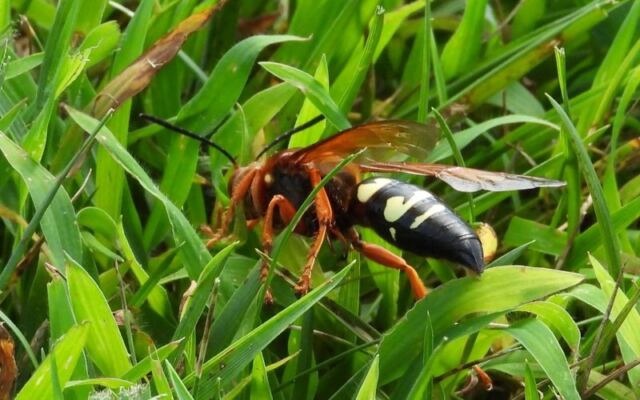
Nearly two inches long, with yellow stripes and a loud buzz, the cicada killer looks like a nightmare hornet. When dozens dig holes in a sandy flower bed, homeowners start reaching for spray.
Here is the twist. Males, the ones that zoom right at your face, cannot sting at all.
Females can, but they save their stingers for hunting cicadas and almost never bother people.
They live solitary lives, so there is no angry nest to defend. Give them a few weeks in midsummer, and they will be gone on their own.
7. Daddy Longlegs
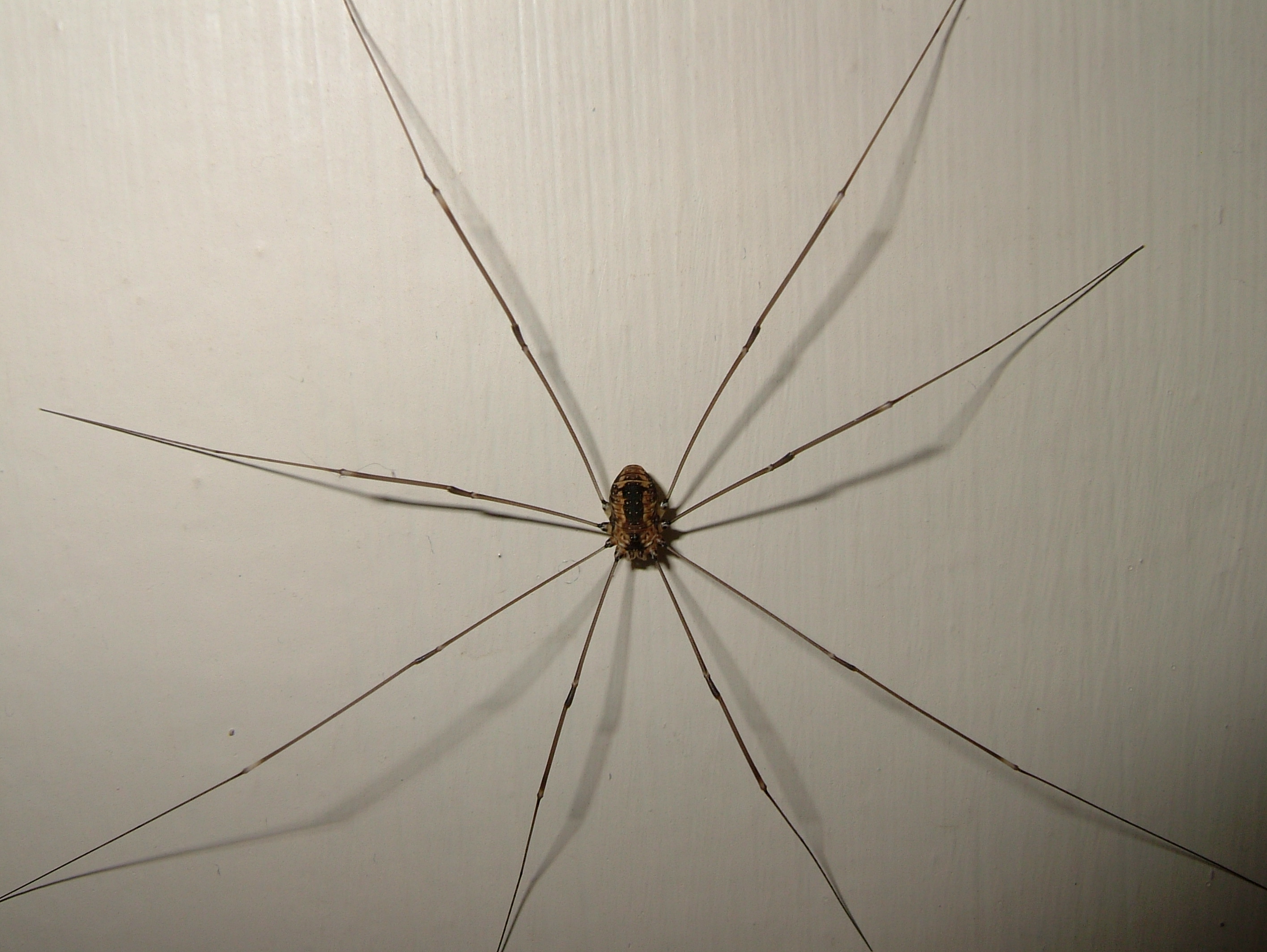
Remember the schoolyard rumor that daddy longlegs are the most venomous creature alive, with fangs too short to bite? Generations of Louisiana kids believed it.
The truth is much calmer. Harvestmen, the classic long-legged critter in garden beds, have no venom glands and no fangs.
They are not even true spiders.
Instead, they wander around eating decaying plant matter, tiny insects, and aphids. Brushing one off your glove is about as dangerous as brushing off a leaf.
Share this story