Get the latest garden guides in your inbox →
Gardening Latest
  • General Gardening
  • Lawn Care
  • Plant Care
  • Composting
  • Soil Health
  • Backyard
  • Garden Muse Magazine
  • General Gardening
  • Lawn Care
  • Plant Care
  • Composting
  • Soil Health
  • Backyard
  • Garden Muse Magazine
  • News
  • Gardening Calendar
  • Garden Structures
  • Vegetable Garden
  • Vertical Garden
  • Raised Beds
  • Hydroponics
  • General Equipment
  • Community Gardens
Garden Themes
  • Spiritual Garden
  • Hydroseeding
  • Seeding and Laying Sod
  • Artificial Grass
  • Lawn Care Equipment
  • Plants
  • Trees
  • Planting Tools
  • Composting Basics
  • Fertilizer
  • Alternative Growing Mediums
  • Front Yard
  • Backyard Activities
  • Landscaping
Gardening Latest

Explore by state

Which state is your garden in?

Currently viewing Louisiana

All states

Northeast

  • Connecticut —
  • Delaware 40
  • Maine —
  • Maryland 26
  • Massachusetts 42
  • New Hampshire —
  • New Jersey 26
  • New York 35
  • Pennsylvania 35
  • Rhode Island —
  • Vermont —

Southeast

  • Alabama 26
  • Arkansas —
  • Florida 26
  • Georgia 26
  • Kentucky 40
  • Louisiana 25
  • Mississippi —
  • North Carolina 24
  • South Carolina 39
  • Tennessee 23
  • Virginia 25
  • West Virginia —

Midwest

  • Illinois 25
  • Indiana 27
  • Iowa 39
  • Kansas —
  • Michigan 26
  • Minnesota 25
  • Missouri 25
  • Nebraska —
  • North Dakota —
  • Ohio 26
  • South Dakota —
  • Wisconsin 41

Southwest

  • Arizona 25
  • Colorado —
  • Nevada —
  • New Mexico —
  • Oklahoma —
  • Texas 24
  • Utah —

West

  • Alaska —
  • California 25
  • Hawaii —
  • Idaho —
  • Montana —
  • Oregon —
  • Washington —
  • Wyoming —

No state matches that search.

Site menu

Gardening Latest
  • General Gardening
    • News
    • Gardening Calendar
    • Garden Structures
    • Vegetable Garden
    • Vertical Garden
    • Raised Beds
    • Hydroponics
    • General Equipment
    • Community Gardens
    Garden Themes
    • Spiritual Garden
  • Lawn Care
    • Hydroseeding
    • Seeding and Laying Sod
    • Artificial Grass
    • Lawn Care Equipment
  • Plant Care
    • Plants
    • Trees
    • Planting Tools
  • Composting
    • Composting Basics
  • Soil Health
    • Fertilizer
    • Alternative Growing Mediums
  • Backyard
    • Front Yard
    • Backyard Activities
    • Landscaping
  • Garden Muse Magazine

Explore

  • About GardeningLatest.com
  • Contact Us

Get the latest from the garden

New guides on lawn care, plants and backyard projects, sent when they go up.

Subscribe →

Follow

  • Facebook
  • X
  • Pinterest
  • YouTube
Louisiana Gardening

Louisiana Yards Have More Than Cottonmouths To Watch For, And Here’s How To Recognize Each Venomous One

Most people in Louisiana know to watch out for cottonmouths near the water, but they are not the only dangerous snakes…

CB

By Celeste Boudreaux

November 27, 2026 · 4 min read

Louisiana Yards Have More Than Cottonmouths To Watch For, And Here’s How To Recognize Each Venomous One
Louisiana Yards Have More Than Cottonmouths To Watch For, And Here's How To Recognize Each Venomous One

Most people in Louisiana know to watch out for cottonmouths near the water, but they are not the only dangerous snakes that can show up in a backyard. The state is home to seven venomous species, and some of them look a lot like harmless snakes.

Knowing which is which can keep your family and pets safe, and it can also save the lives of helpful snakes that eat rats and mice. Here is a simple guide to spotting each one.

At a glance

Where
Louisiana Gardening
Hardiness zone
9 20 to 30°F
Read
4 minutes
Published
November 27, 2026

1. Cottonmouth (Water Moccasin)

Cottonmouth (Water Moccasin)
© louisianaunmasked

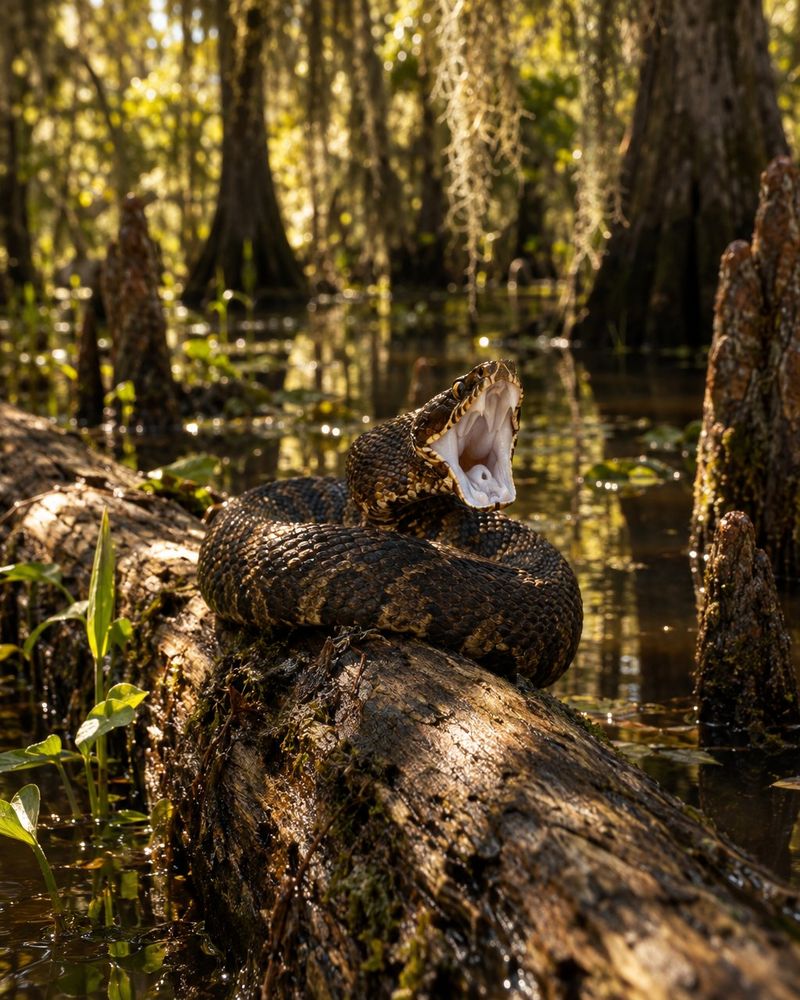
Picture a fat, dark snake sitting on a bayou bank with its mouth gaping open like a white cotton ball. That pose is the cottonmouth’s famous warning, and it is the reason for the name.

Adults are heavy-bodied and often look nearly solid brown, olive, or black. Young ones are a different story, with bold crossbands and a bright yellow tail tip they wiggle to lure frogs.

Look for a blocky head, a dark stripe running through the eye, and eyes with cat-like pupils.

Around homes, cottonmouths hang out near ponds, ditches, drainage canals, and wet spots after heavy rain. Many harmless water snakes get killed because people mistake them for this one.

A quick tip: cottonmouths tend to float high on the water’s surface, while water snakes usually swim with just the head showing.

2. Southern Copperhead
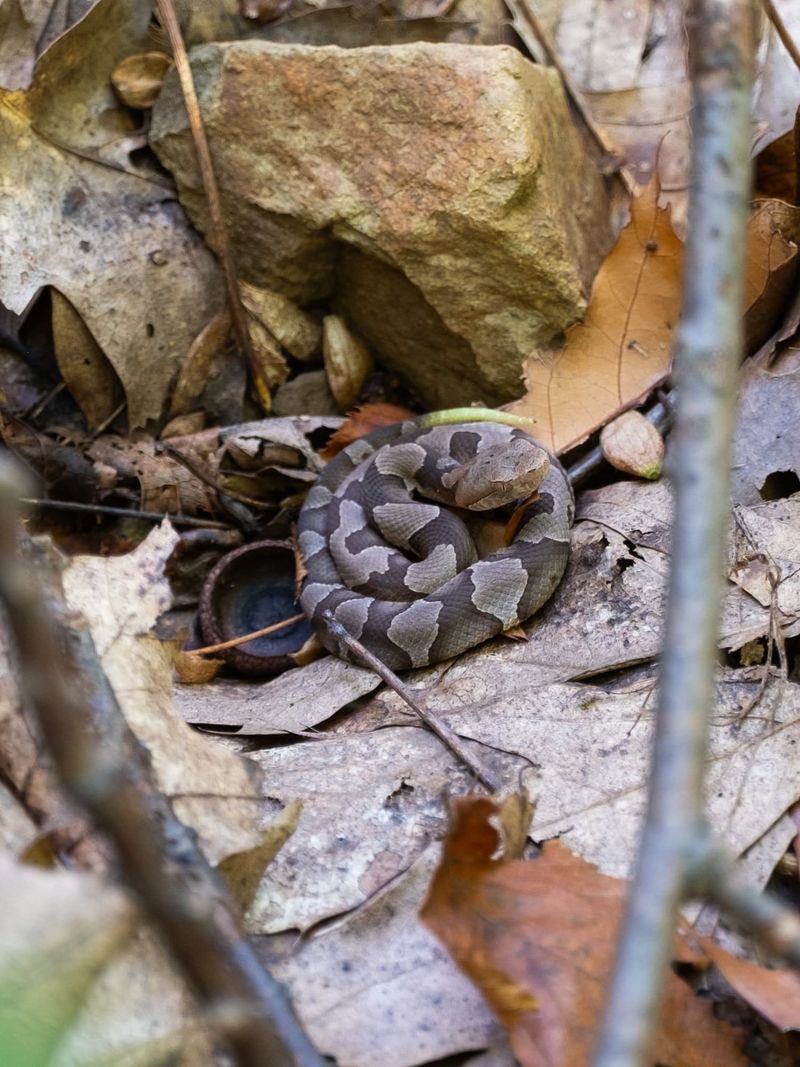
Southern Copperhead
© MyWild

Ever raked a pile of leaves and wondered what might be hiding underneath? In much of Louisiana, the answer could be a copperhead.

Its pattern is the giveaway. Copper and tan bands shaped like hourglasses, wide on the sides and narrow on the back, wrap the body.

The pygmy rattlesnake usually stays under two feet long, yet it carries real venom.

Some folks say the markings look like Hershey’s Kisses when viewed from the side.

Copperheads love woodpiles, flower beds, brush, and the edges of wooded lots. They usually freeze instead of fleeing, which is why most bites happen when someone steps on or grabs one by accident.

Wearing gloves and boots during yard work goes a long way.

3. Timber Rattlesnake (Canebrake)
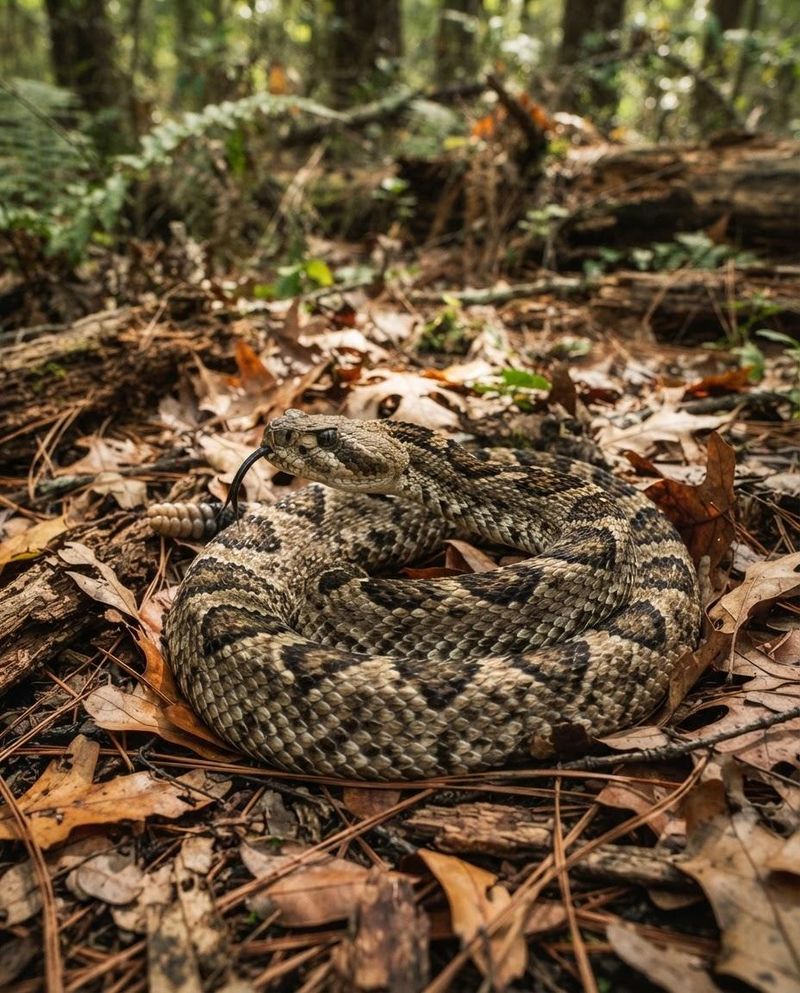
Timber Rattlesnake (Canebrake)
© louisianaunmasked

Locals call it the canebrake rattler, and it is one of the biggest snakes you could meet in Louisiana. Some reach over five feet long.

The body is pale gray, pinkish, or tan with dark zigzag bands shaped like chevrons. A rusty stripe often runs down the middle of the back.

The tail is solid black, ending in that unmistakable rattle.

Surprisingly, canebrakes are fairly calm and often stay perfectly still to avoid notice. They prefer forests, river bottoms, and overgrown fields, but homes built near woods sometimes get a visit.

If you hear a buzz, back away slowly and give it room.

4. Eastern Diamondback Rattlesnake
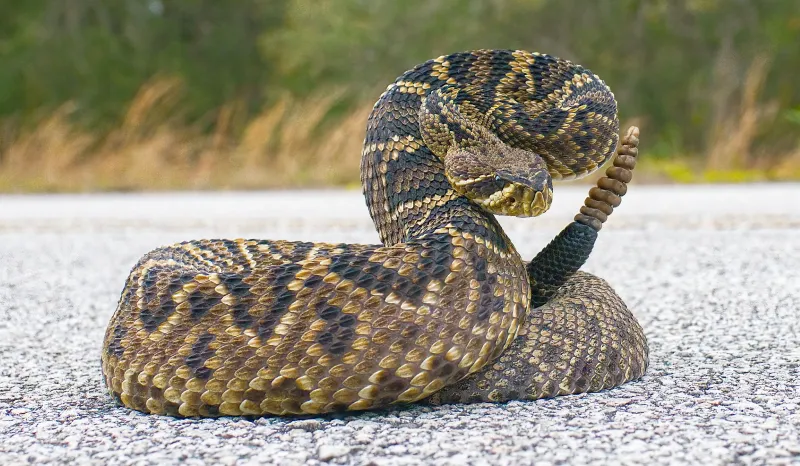
Eastern Diamondback Rattlesnake
© World Atlas

Here is a fun fact: the eastern diamondback is the heaviest venomous snake in North America. In Louisiana, though, it is very rare and found only in the far southeastern corner of the state.

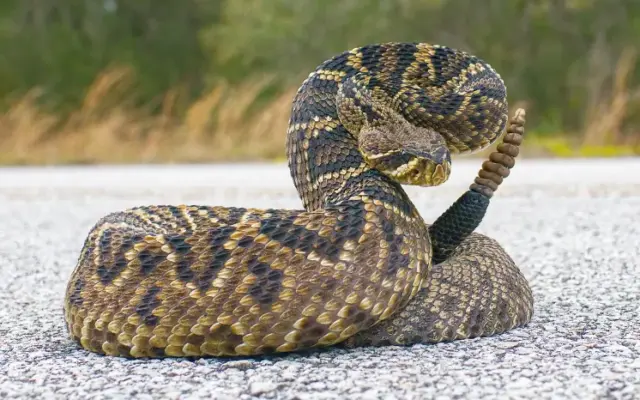
Its pattern is gorgeous and easy to name. Dark diamonds outlined in cream or yellow run down its back, and two light lines slant across each side of the face.

Diamondbacks like dry pine flatwoods and sandy areas, and they have become scarce due to habitat loss. Spotting one is a special event.

Admire it from a distance and call a wildlife professional if it is near the house.

5. Pygmy Rattlesnake
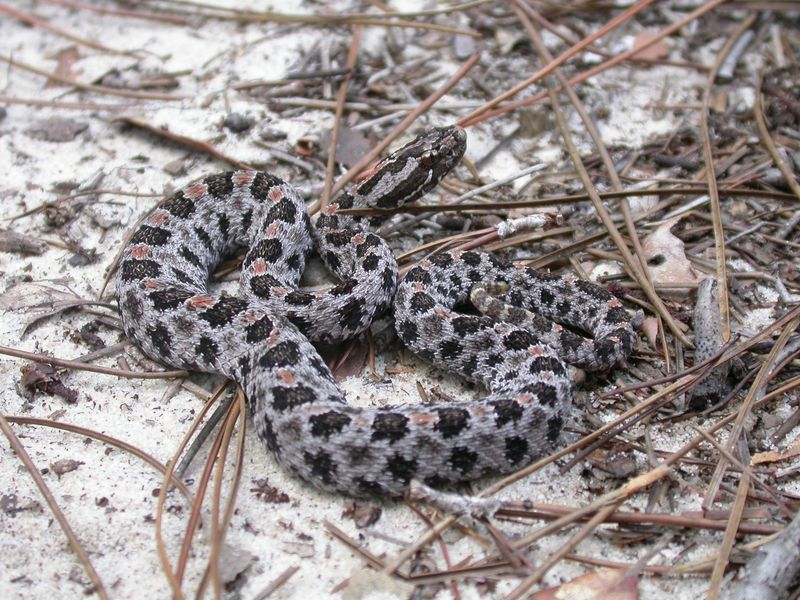
Pygmy Rattlesnake
© | Outdoor Alabama

Small does not mean harmless. The pygmy rattlesnake usually stays under two feet long, yet it carries real venom.

Its rattle is so tiny that it sounds like a buzzing insect, and many people never hear it at all. Look instead for a gray body covered in dark round blotches, often with a reddish or orange stripe down the back.

These little snakes turn up in pine straw, garden beds, and near water. Bites are painful but rarely deadly for adults.

Kids and pets are at greater risk, so teach little ones to never poke at a small gray snake.

6. Texas Coral Snake
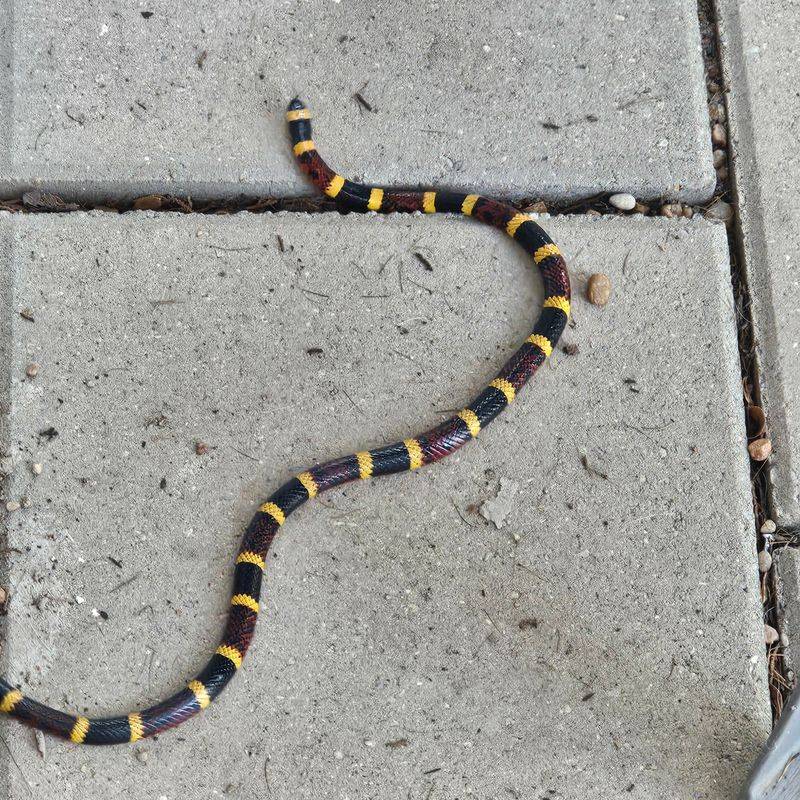
Texas Coral Snake
© Reddit

“Red touches yellow, kills a fellow. Red touches black, friend of Jack.” Generations of kids have learned that rhyme, and in Louisiana it works well.

The coral snake is thin and shiny, with wide red and black bands separated by narrow yellow rings. Its snout is black, and its head is small and rounded.

Look-alikes such as the scarlet kingsnake have red bands touching black instead.

Coral snakes spend most of their time hidden in leaf litter and loose soil. They are shy and rarely bite, but their venom attacks the nervous system.

Any bite needs a hospital visit right away, even if it seems minor.

7. Harmless Look-Alikes
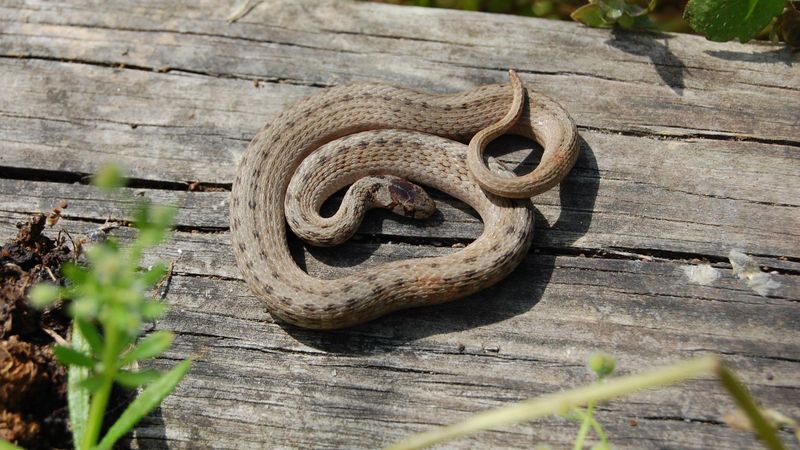
Harmless Look-Alikes
© The Advocate

Honestly, the snake in your yard is far more likely to be harmless than dangerous. Louisiana has dozens of nonvenomous species, and many get blamed for crimes they did not commit.

Water snakes are the most common mix-up with cottonmouths. Rat snakes and hognose snakes get mistaken for copperheads or rattlers, and the hognose even flattens its neck and plays dead.

A kingsnake might look scary, yet it actually eats venomous snakes.

When in doubt, keep your distance and snap a photo. Local wildlife groups and extension offices can help with identification.

Leaving harmless snakes alone means fewer rodents and pests around your home.

Share this story
CB

Written by

Celeste Boudreaux

More from Celeste Boudreaux →

About Gardening Latest

Gardening Latest provides in-depth guides to maintaining and enhancing your garden and backyard. Learn how to make the most of the space you have and create a beautiful garden.

More about us →

Latest stories

  • Wisconsin GardeningWisconsin Winters Don’t Kill Your Brown Recluse Worries, Because Hobo and Yellow Sac Spiders Move Indoors Now

    Wisconsin Winters Don’t Kill Your Brown Recluse Worries, Because Hobo and Yellow Sac Spiders Move Indoors Now

    3 min ago
  • Missouri GardeningYour Frozen Missouri Lawn Isn’t Empty: A Tiny Mammal With a Venomous Bite Hunts Below All Winter

    Your Frozen Missouri Lawn Isn’t Empty: A Tiny Mammal With a Venomous Bite Hunts Below All Winter

    9 min ago
  • Tennessee GardeningThose Big Brown Spiders Showing Up Inside Tennessee Homes After the First Cold Snap Are Wolf Spiders, and Here’s Why They Came In

    Those Big Brown Spiders Showing Up Inside Tennessee Homes After the First Cold Snap Are Wolf Spiders, and Here’s Why They Came In

    15 min ago
  • Alabama GardeningHearing Great Horned Owls Hoot Outside Your Alabama Home at Night? Here’s What It Means

    Hearing Great Horned Owls Hoot Outside Your Alabama Home at Night? Here’s What It Means

    21 min ago
  • Minnesota GardeningMinnesota Homeowners Keep Yanking This Invasive Tree, and It Keeps Taking Over Their Yards

    Minnesota Homeowners Keep Yanking This Invasive Tree, and It Keeps Taking Over Their Yards

    27 min ago

Gardening by state

Stories for your state, and the hardiness zone most of it gardens in.

Keep exploring

Read next

All Louisiana Gardening →
Louisiana GardeningLouisiana Gardeners Scream at These 7 Critters, but Every One of Them Is Harmless
Louisiana Gardening

Louisiana Gardeners Scream at These 7 Critters, but Every One of Them Is Harmless

39 min ago
Louisiana GardeningWhat Every Louisiana Homeowner Should Do After Finding A Yellow Jacket Nest Nearby
Louisiana Gardening

What Every Louisiana Homeowner Should Do After Finding A Yellow Jacket Nest Nearby

4 hr ago
Louisiana GardeningFire Ants Rebuild Their Mounds Fast After a Louisiana Downpour, and It Says a Lot About Your Yard
Louisiana Gardening

Fire Ants Rebuild Their Mounds Fast After a Louisiana Downpour, and It Says a Lot About Your Yard

22 hr ago

More from Louisiana Gardening

  • Spotted a Giant Flower Stalk Rising From Your Louisiana Palm? Here’s Why, and Whether to Cut It Off

    Nov 25
  • A Hurricane Just Dropped Your Neighbor’s Tree in Your Louisiana Yard, So Who Actually Pays?

    Nov 25
Back to top

Leave a response Cancel

Your email address stays private. Required fields are marked with an asterisk.

Gardening Latest

In-depth guides to maintaining and enhancing your garden and backyard: how to make the most of the space you have, and how to make it beautiful.

  • Facebook
  • X
  • Pinterest
  • YouTube

We may earn a portion of sales from products or services that are purchased through our site as part of our affiliate partnerships with retailers.

Explore

  • About GardeningLatest.com
  • Contact Us
  • Terms and Conditions
  • Privacy
  • Editorial Note:
  • FTC Disclosure

Newsletter

New garden guides and seasonal tips, straight to your inbox.

We’ll email you a link to confirm. Unsubscribe any time.

Almost there! Check your inbox and tap the link to confirm.

© 2026 Gardening Latest. All rights reserved.

Back to top