Keep people and pets away from the nest, and don’t try to deal with it yourself. How much danger it poses depends on where it sits and how likely anyone is to bump into it.
A nest far from your daily routine may be fine to leave alone, while one by a door or inside a wall needs more care. Here is how to size up the situation and choose a safe next step.
Judge the nest by its exposure, not just its distance
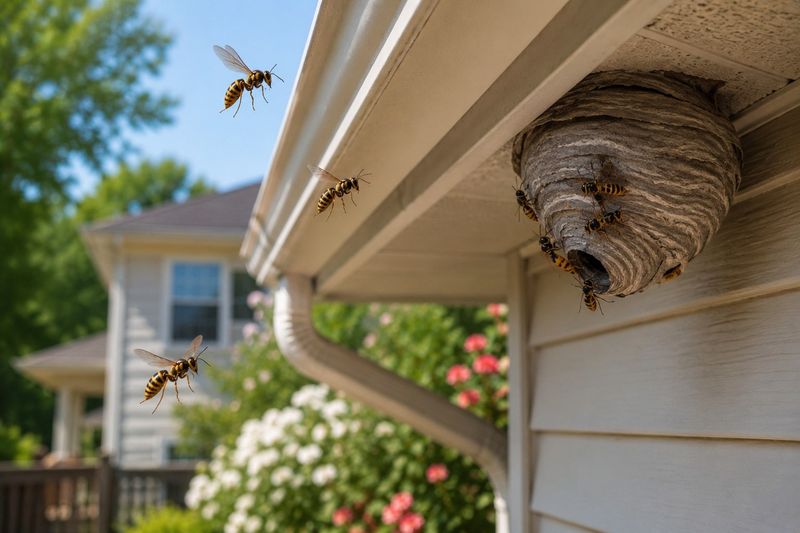
A nest that is “nearby” can be a minor issue or a real problem. What matters is how likely someone is to disturb it.
Extension guidance explains that nests near doors, walkways, and play areas pose a greater sting risk than nests in places people seldom go.
No single distance works as a safe line for every yard. A nest 30 feet from your patio could be a bigger concern than one 10 feet away in a thick, untouched hedge row that nobody visits.
Think about location, access, and how often your household passes by.
Walk through a simple mental check. Ask where family members, kids, and pets move every day, and whether a mower, trimmer, or delivery person passes the spot.
A nest beside the mailbox path or the back steps gets disturbed far more easily than one at the back edge of a wooded lot.
Health history counts too. Anyone in the home with a past severe reaction to stings has a lower tolerance for any risk, and allergy specialists describe insect sting allergy as a condition that can bring serious reactions.
In that case, even a nest in a quieter spot deserves a more cautious plan.
Assessing exposure does not mean every nest has to go. It simply gives you a clear way to decide how urgent the situation is.
A Penn State profile of the eastern yellowjacket supports a decision based on location and the chance of disturbance rather than a one-size-fits-all answer.
Watch the flight path without disturbing the nest
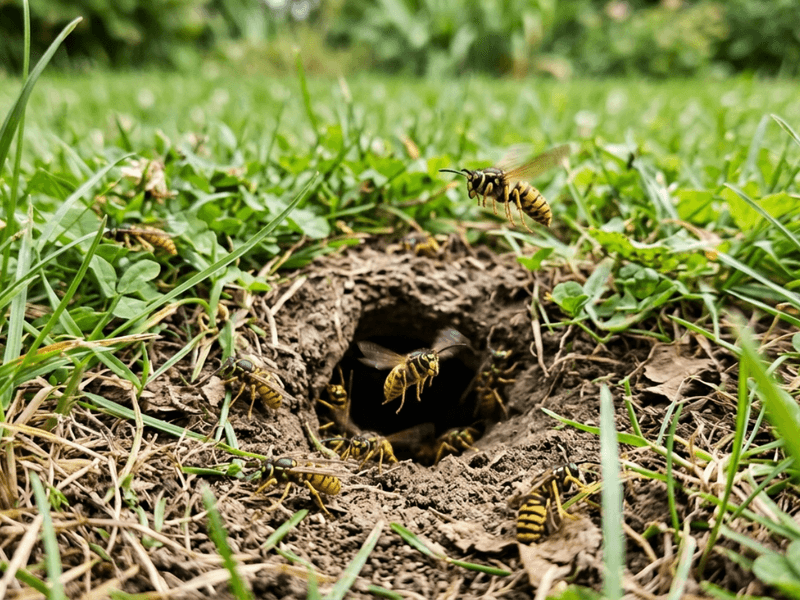
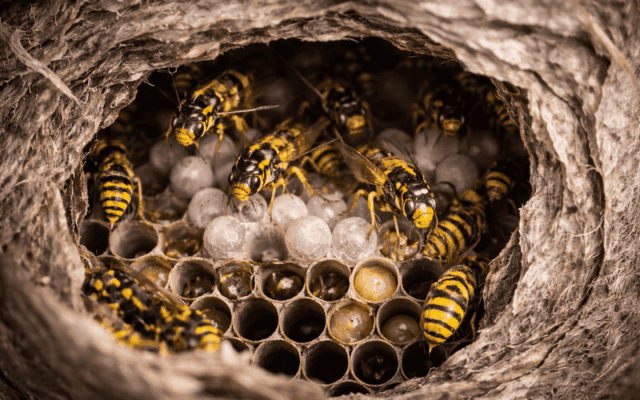
Spotting the nest starts with patience. Stand well back and watch where yellow jackets keep flying in and out.
If workers repeatedly vanish into the same hole, crack, or gap, you have probably found the entrance.
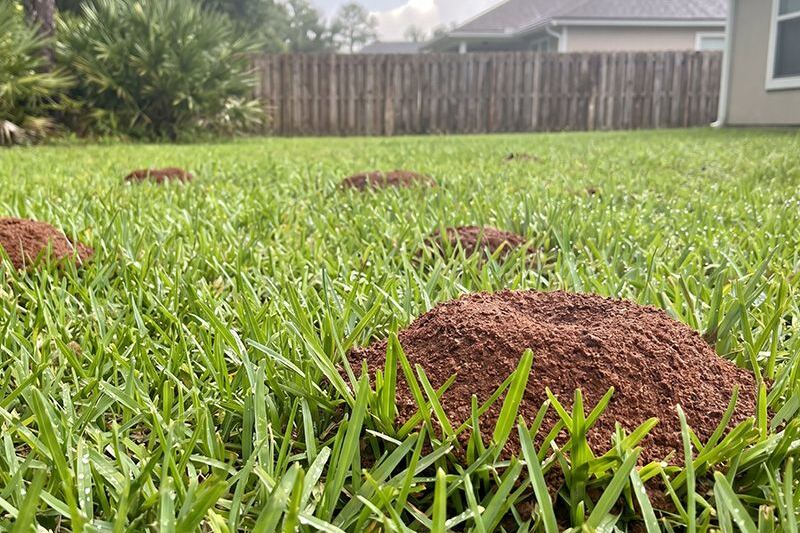
These insects often build in the ground, and they also use hidden spaces in buildings. The LSU AgCenter yellow jacket article notes that colonies can be underground or tucked inside structures.
That means the clue may be a steady line of insects entering a small opening in soil, a wall void, or a spot under siding.
Watch in short sessions at different times of day, since activity changes with the weather. A few minutes from a window or a shaded porch is plenty.
Jot down the location or take a photo from far away with a zoom lens so you can describe it to a professional later.
Do not walk up for a closer look. Digging, mowing, raking, or poking around to confirm the site is the surest way to provoke the colony.
Extension guidance, such as Mississippi State University Extension advice for home lawns, stresses avoiding disturbance of a suspected nest.
The goal at this stage is only to identify, not to treat. If you cannot tell for certain where the insects are going, that is fine.
Knowing the general area is enough to keep family members clear of it.
Keep people, pets, and food away from the activity
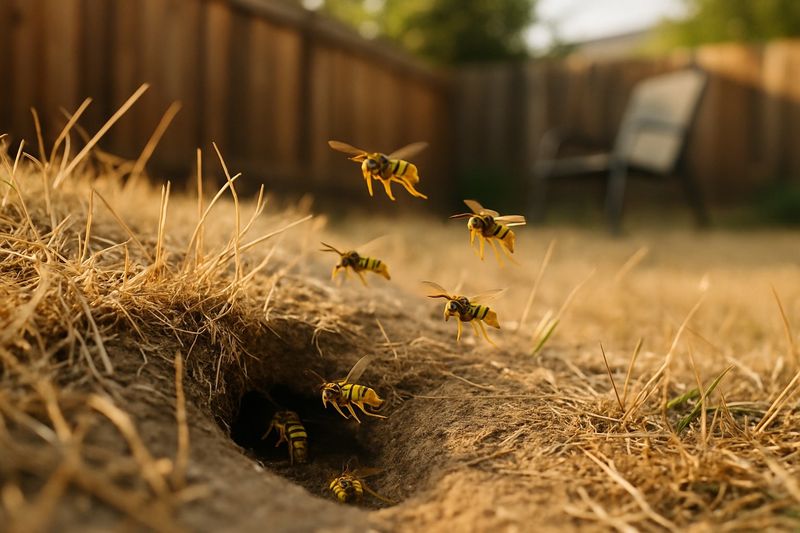
While you work out a plan, a few simple steps lower the odds of a sting. Tell children and other adults where the activity is and keep them out of that part of the yard.
Reroute foot traffic, and keep pets on a leash or inside when they would normally pass through.
Food draws yellow jackets, so take away the temptation. Cover trash cans, wipe up spills, and cover dishes at outdoor meals.
Penn State Extension suggests managing food and trash to cut down on foraging visits, and it helps to bring pet food indoors after feeding.
If yellow jackets start swarming or chasing someone, go inside a house or car right away. Do not swat at them or try to treat the nest on the spot.
Defending a nest can lead to many stings, as described in Penn State guidance on look-alike insects, and quick shelter is the safest response.
You may see traps for sale. Traps may catch some foragers, but they are unlikely to wipe out a colony, as Virginia Tech Extension notes.
Treat them as a minor extra at best, not a fix.
For a gathering, move the table and grill to the opposite side of the yard. That small change often does more than any gadget.
It also keeps guests from wandering toward the nest.
When is leaving the nest alone the better choice?
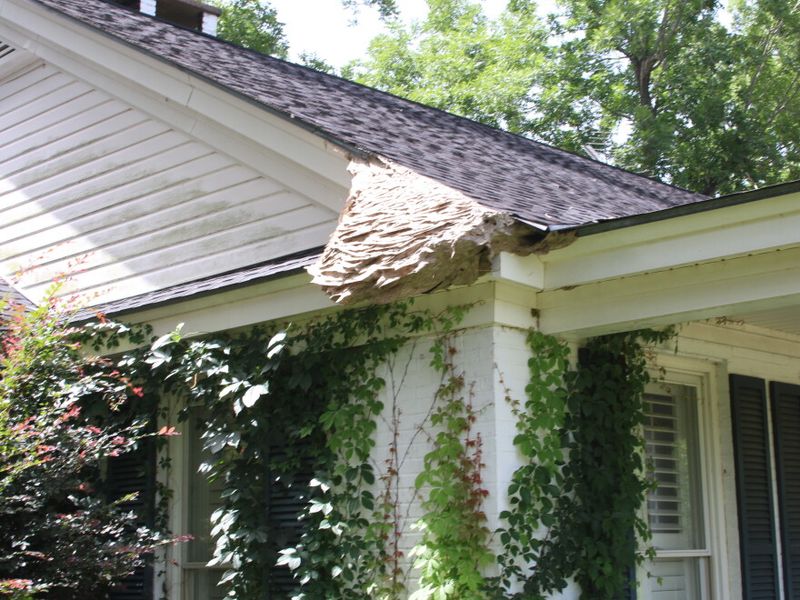
Sometimes the calmest answer is to do nothing to the nest at all. If it sits away from people and is likely to stay undisturbed, leaving it alone can be reasonable.
Penn State describes that kind of nest as a lower concern than one near busy areas.
Yellow jackets are not just pests. They also hunt other insects, which is why the LSU AgCenter pest management guide and Penn State’s species profile give context for why wiping out every colony is not automatically needed.
A nest by the front steps, a play set, or the garage door is another story. More daily traffic means more chances for a mistake, so the same nest calls for much more caution there.
Your answer can change if the nest or your household routine changes.
Many colonies die off as cold weather arrives. Even so, waiting for winter is not a dependable blanket plan here.
Virginia Tech Extension notes that perennial nests are more common in the Deep South, so a nest might not vanish on schedule in Louisiana.
If you leave a nest, keep watching it from afar. Warn guests, landscapers, and neighbors, and revisit your decision if activity grows near a path.
Choose professional help for high-risk or hard-to-reach nests
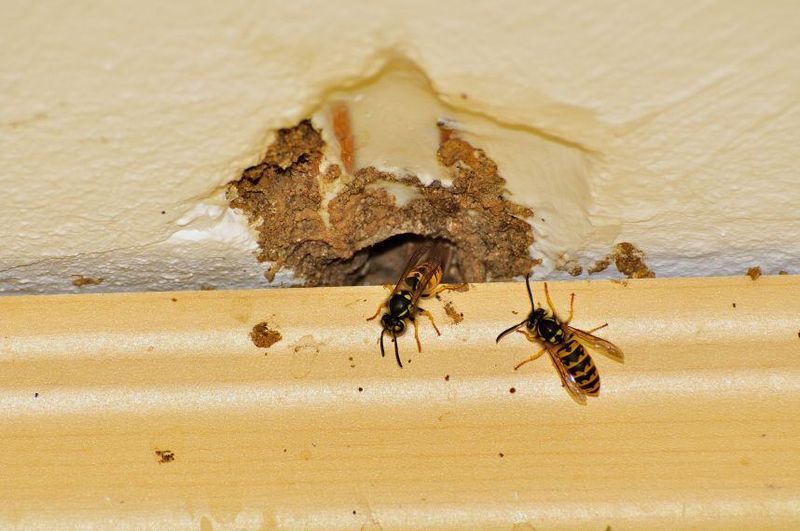
Some nests are best left to people with training and gear. If the nest is close to a busy doorway, deck, or play space, or if it sits inside a wall, attic, or other hard-to-reach spot, a professional is usually the safer choice.
These locations make stings more likely and treatment harder to do safely.
A disturbed colony defends itself, and that can mean multiple stings in seconds. Penn State’s eastern yellowjacket profile and University of Kentucky Entomology guidance both point to the risks of treating nests in difficult spots yourself.
In Louisiana, start with the state directory. The Louisiana Department of Agriculture and Forestry provides a way to find licensed structural pest-control companies, so you can check credentials before you hire.
When you call, describe what you have seen. Mention where the insects enter, how close the spot is to doors and play areas, and whether anyone in the home has a history of severe sting allergy.
Photos taken from a safe distance can help.
Ask about the plan before work begins. A reputable company should explain how they will reach the nest and what you and your pets should do during and after treatment.
Keep everyone clear of the area until the company says it is safe.
Avoid shortcuts that can make treatment more dangerous
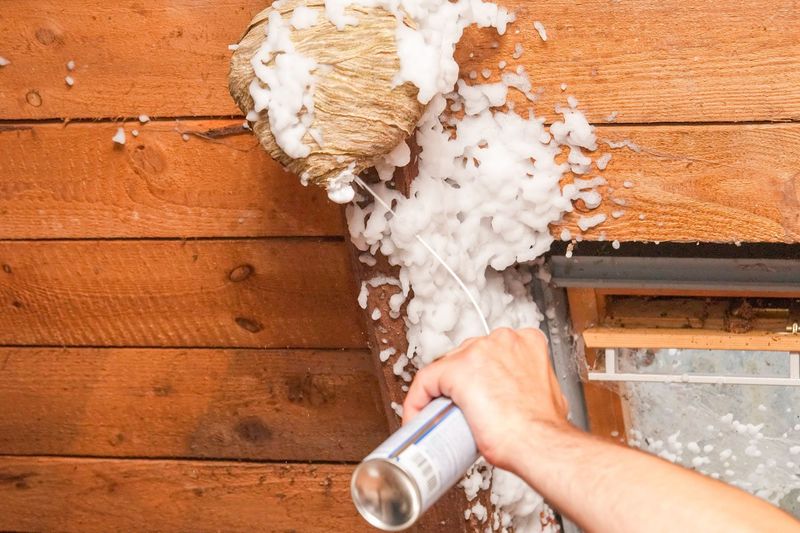
Stories about quick fixes spread easily, but several are dangerous. Do not burn a nest, smoke it out, flood it, or pour gasoline, bleach, or other homemade mixtures on it.
Virginia Tech Extension warns against burning or applying harmful chemicals, which can start fires, contaminate soil, and hurt people or pets.
Sealing a nest entrance in a wall is risky as well. University of Kentucky Entomology guidance notes that blocking the opening can push insects toward the inside of the home instead.
Even a store-bought product needs care. Treating a defensive colony carries a real sting risk.
Any pesticide use must follow the specific product label, including its directions for the nest type and location, rules for people and pets, and environmental precautions.
A label for one product is not permission to use other products the same way. For example, an EPA-registered wasp, hornet, and yellowjacket killer label applies to that product only.
Older how-to advice, including some past bucket-mixture instructions, should not be treated as current direction.
If reading the label leaves you unsure about the nest type, the location, or the safety steps, that is a good sign to call a licensed professional instead.
Know what to do after a sting or pesticide exposure
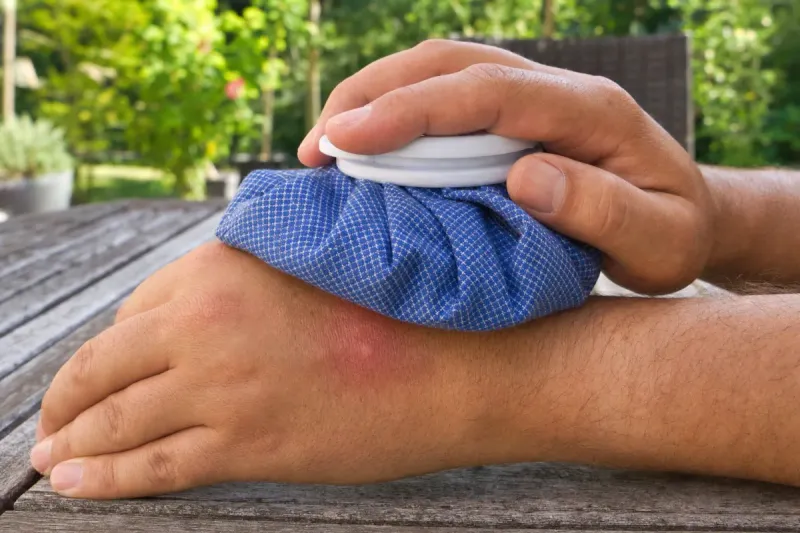
Most stings cause pain and local swelling, but some reactions are emergencies. Watch for trouble breathing, swelling of the throat or face, fainting, or other signs of anaphylaxis.
If these appear, use the person’s prescribed epinephrine if it is available and call 911 right away.
The American College of Allergy, Asthma and Immunology explains that insect sting allergies can lead to severe reactions. People with a known history should keep epinephrine within reach and make sure family members know where it is.
Pesticide exposure is a separate concern. If someone, including a child or pet owner, may have swallowed, inhaled, or gotten a product on their skin or eyes, call Poison Control at 1-800-222-1222.
The Louisiana Department of Health pesticide surveillance program offers state information on pesticide-related illness.
Keep the product container or label handy when you call, since it helps the responders give accurate advice. Move the person to fresh air or rinse as the label or Poison Control directs.
Medical help comes first. Nest decisions can wait until everyone is safe.
Make the next move fit the nest’s location
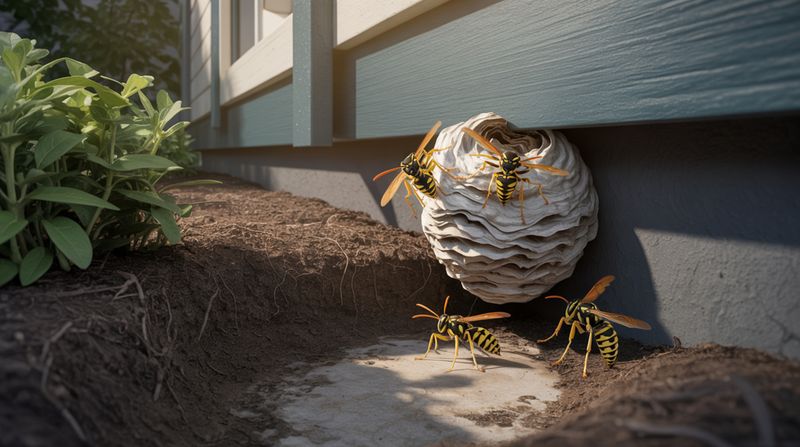
Keep everyone away, resist the urge to poke at it, and look at how much your household uses the area. A quiet nest far from daily life may be left alone, as Penn State Extension guidance suggests.
If it sits near busy spots or out of reach, Louisiana’s licensed pest-control directory is the place to start. A nest is easiest to handle when you let its location set the pace.
Share this story