Scratching in the walls at midnight can make anyone sit up in bed. Southern flying squirrels live in Iowa, they come out at night, and they are rarely seen, so they are one possible source.
But mice and other animals can make similar sounds. Here is how to sort out the clues and what to do next.
Could a flying squirrel be making noise in your Iowa home?
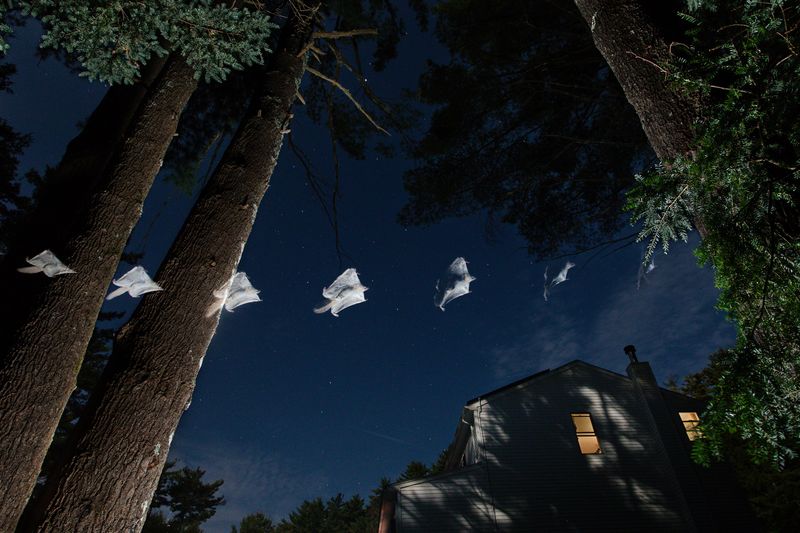
Yes, southern flying squirrels live in Iowa. Iowa DNR describes them as nocturnal, which means they are active after dark while most people are asleep.
That alone makes them a plausible source of nighttime sounds around a house.
They are also hard to spot. Iowa State’s Mammals of Iowa calls them strictly nocturnal and rarely seen, and says they are uncommon in the state.
Iowa DNR says their statewide population is unknown. An animal that stays hidden by day and stays out of sight at night is easy to overlook, even if it lives nearby.
Still, being easy to overlook is not the same as being the culprit. A flying squirrel is one possibility among several, and a noise at night cannot name the animal on its own.
Think of the sound as the start of an investigation, not the answer.
The rest of this article walks through what other animals can sound like, where flying squirrels are most likely to live, what winter denning really looks like, and how to act safely. The goal is to help you gather evidence before you decide anything.
A calm, careful approach protects both your home and any wildlife involved.
Nighttime scratching does not identify the animal
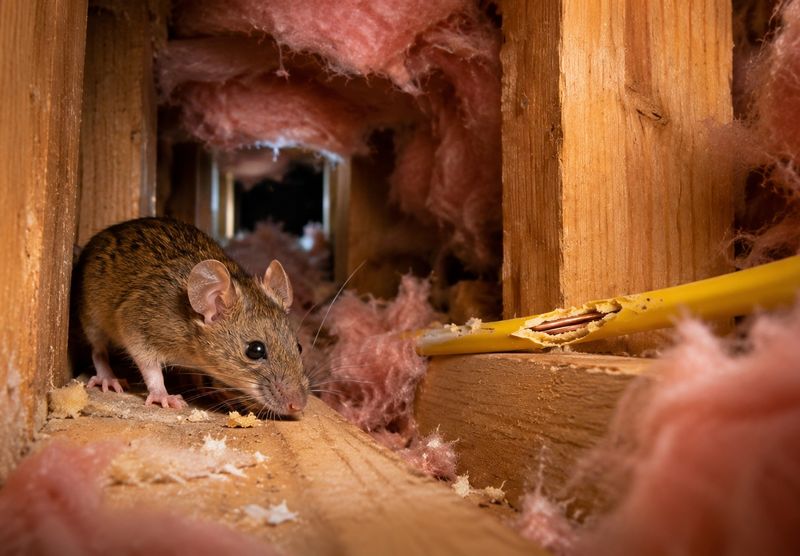
Picture lying awake at 2 a.m. and hearing tiny scratches overhead. Because flying squirrels are nocturnal, as Iowa DNR notes, they fit that timing.
But so do other animals.
Illinois wildlife guidance lists mice and rats as possible sources of small scratching sounds at night. It lists tree squirrels as possibilities for scurrying or muffled movement.
So a nighttime sound narrows the list a little, but it does not give you a name.
A better approach is to collect clues over several days. Write down what time the sound starts, how long it lasts, and where in the house it seems loudest.
Note whether it sounds like light patter, gnawing, or heavier scampering.
Then look for other signs. Check for droppings, greasy rub marks, chewed material, or nesting debris, and walk the outside of the house to look for a gap near the roofline, vents, or siding.
No single clue is proof, but several that point the same way are far more useful than one noise.
If you are unsure what you are dealing with, that is a normal place to be. Keep notes, and use them if you later talk with a wildlife professional.
Mature trees make some neighborhoods plausible habitat
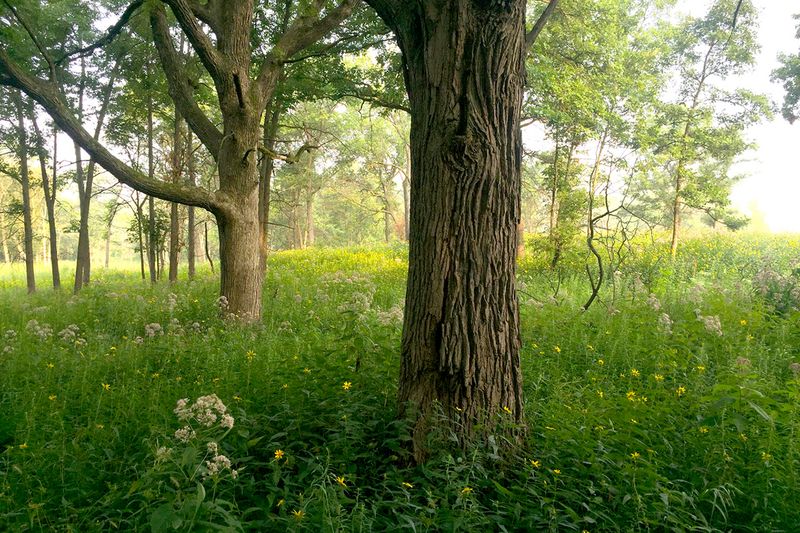
Flying squirrels are tied to trees, so where you live matters. University of Missouri Extension associates them with mature deciduous woodland, especially oak-hickory habitat.
These forests offer nuts, cavities for dens, and tall trunks for gliding.
The same source says they may also turn up in older suburban neighborhoods that have mature vegetation. Think of streets with big, established trees, wooded lots, or homes that back onto a timbered ravine or park.
That makes their presence possible in some places. It does not mean they are common in every Iowa neighborhood.
A new subdivision with young saplings and little tree cover is a much weaker fit than an older area next to oak woods.
Look at your own surroundings. Are there large oaks or hickories nearby?
Do branches reach toward the roof? Are there old dead trees with holes?
Those details can help you judge whether a flying squirrel is a reasonable idea or a long shot.
Habitat is one more clue to weigh alongside sounds, droppings, and entry points. If your home sits in a treeless area, other animals may be the better bet.
Winter denning does not prove an attic migration
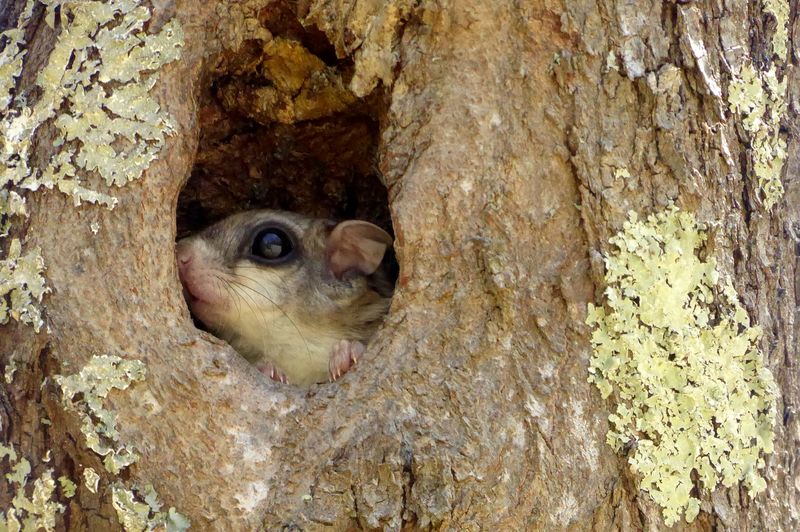
Flying squirrels do gather in cold weather. Iowa DNR says winter groups use tree holes, sharing warmth in a communal den.
Iowa State’s Mammals of Iowa adds that they generally winter in groups in a tree cavity or an abandoned woodpecker hole.
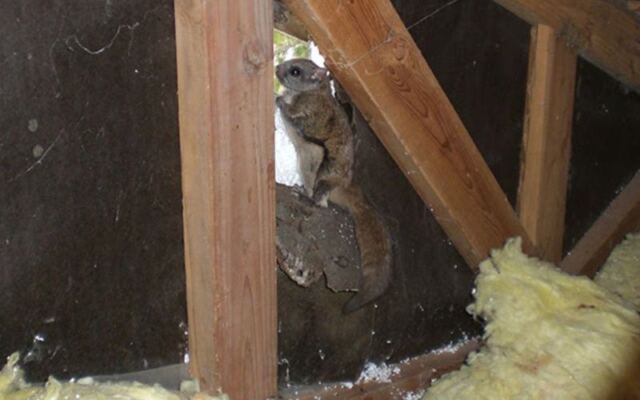
Buildings can also be used. Missouri Extension notes that flying squirrels may take up residence in attics, walls, and vacant cabins.
So a house is a possible den site.
But possible is not the same as routine. The Iowa sources point to tree cavities as the usual winter homes, and they do not describe a regular winter move into Iowa attics.
Saying flying squirrels commonly do that goes further than the evidence.
For you, the practical lesson is simple. If you hear activity in cold months, a flying squirrel is one idea, but mice, rats, or other animals remain strong candidates.
Look for droppings, nesting material, and entry points before settling on an explanation.
A group of animals living together might produce more noise or movement than a single mouse. Even that is only a hint, so keep gathering facts.
Confirm animals are out before closing an opening
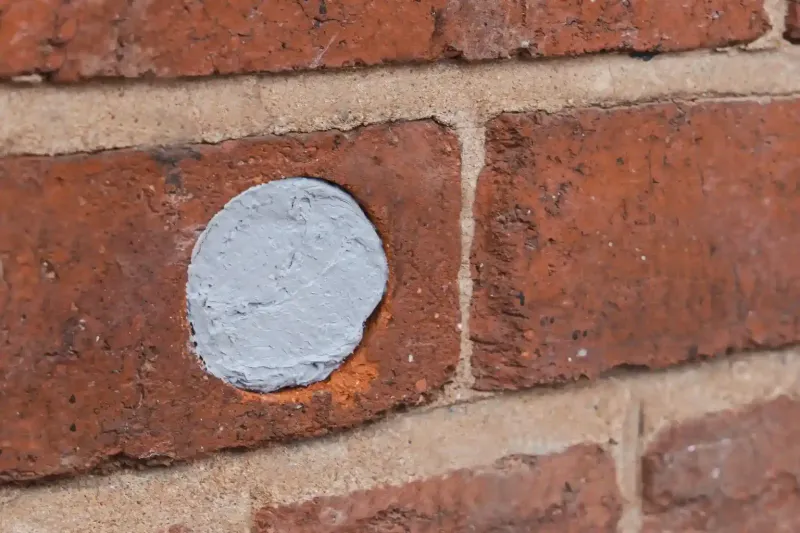
Once you find a likely gap, the urge to plug it right away is strong. Resist it.
If an animal or its young are still inside, sealing the hole can trap them in the walls or attic, where they may die or cause more damage trying to escape.
Cornell IPM recommends monitoring a suspected opening before closing it. That means watching to see whether animals are still using it, rather than assuming the space is empty.
Simple monitoring can include checking the spot at dusk and dawn and noting whether any sounds continue inside. Keep your notes handy.
If activity stops over several days and you see no signs of use, you will be in a better position to know the animals have left.
If wildlife is confirmed, or you simply cannot tell, get help. Iowa DNR’s nuisance wildlife guidance directs people with a home wildlife problem to a licensed nuisance wildlife control operator.
For questions about trapping or removal, check current Iowa DNR guidance or ask a licensed operator rather than relying on guesswork. Waiting a little longer is far better than closing in an animal.
Clean rodent waste without stirring it into the air
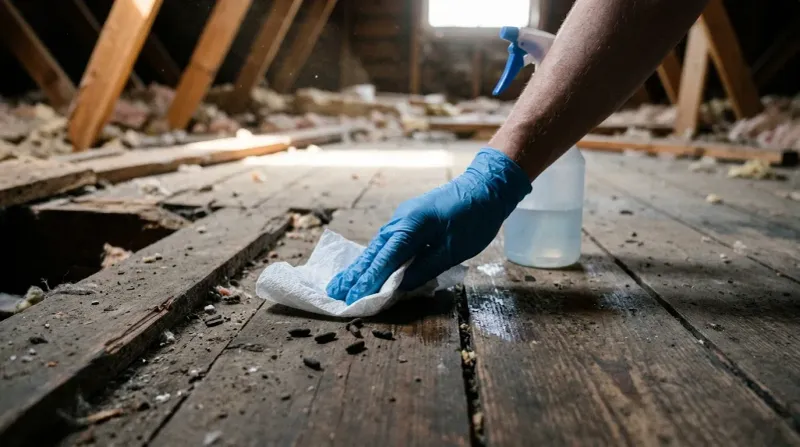
Finding droppings or shredded nesting material can be unsettling, but safe cleanup is straightforward. CDC guidance starts with airing out the space.
For an enclosed home or outbuilding, open doors and windows and ventilate for 30 minutes before you begin.
Next, put on rubber or plastic gloves. Do not sweep or vacuum the waste, because that can kick particles into the air where you might breathe them.
Instead, wet the droppings or nesting material with disinfectant first. Let it soak as directed on the product label, then wipe it up with paper towels.
Dispose of the towels and clean the area again.
Keep the job simple and slow. The point is to avoid raising dust, not to scrub fast.
This cleanup step applies whatever animal left the mess, so you do not need to name the species first. Just treat all rodent waste with the same care.
Treat the sound as a clue, not a conclusion
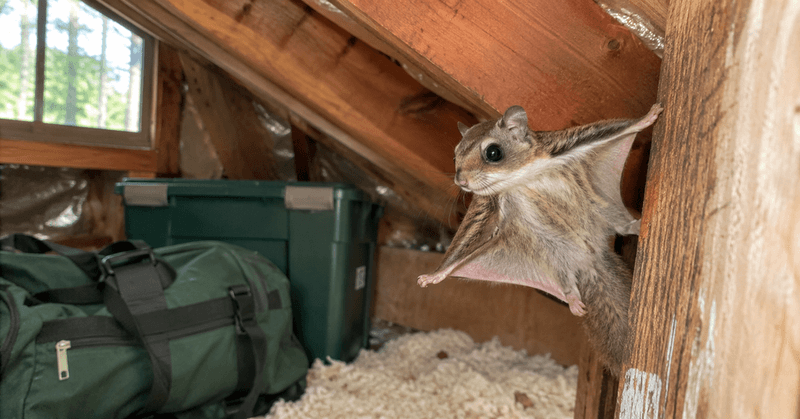
A flying squirrel is a real possibility in Iowa, since Iowa DNR describes the species as nocturnal. Yet wildlife guidance shows mice and rats can scratch at night too, and a winter attic move is not established.
Gather clues, confirm who is home, and only then act. A sound tells you something is there, not who.
Share this story