Get the latest garden guides in your inbox →
Gardening Latest
  • General Gardening
  • Lawn Care
  • Plant Care
  • Composting
  • Soil Health
  • Backyard
  • Garden Muse Magazine
  • General Gardening
  • Lawn Care
  • Plant Care
  • Composting
  • Soil Health
  • Backyard
  • Garden Muse Magazine
  • News
  • Gardening Calendar
  • Garden Structures
  • Vegetable Garden
  • Vertical Garden
  • Raised Beds
  • Hydroponics
  • General Equipment
  • Community Gardens
Garden Themes
  • Spiritual Garden
  • Hydroseeding
  • Seeding and Laying Sod
  • Artificial Grass
  • Lawn Care Equipment
  • Plants
  • Trees
  • Planting Tools
  • Composting Basics
  • Fertilizer
  • Alternative Growing Mediums
  • Front Yard
  • Backyard Activities
  • Landscaping
Gardening Latest

Explore by state

Which state is your garden in?

Currently viewing Minnesota

All states

Northeast

  • Connecticut —
  • Delaware 45
  • Maine —
  • Maryland 31
  • Massachusetts 47
  • New Hampshire —
  • New Jersey 31
  • New York 40
  • Pennsylvania 40
  • Rhode Island —
  • Vermont —

Southeast

  • Alabama 31
  • Arkansas —
  • Florida 31
  • Georgia 31
  • Kentucky 45
  • Louisiana 30
  • Mississippi —
  • North Carolina 29
  • South Carolina 44
  • Tennessee 28
  • Virginia 30
  • West Virginia —

Midwest

  • Illinois 30
  • Indiana 32
  • Iowa 44
  • Kansas —
  • Michigan 31
  • Minnesota 30
  • Missouri 30
  • Nebraska —
  • North Dakota —
  • Ohio 31
  • South Dakota —
  • Wisconsin 45

Southwest

  • Arizona 30
  • Colorado —
  • Nevada —
  • New Mexico —
  • Oklahoma —
  • Texas 29
  • Utah —

West

  • Alaska —
  • California 30
  • Hawaii —
  • Idaho —
  • Montana —
  • Oregon —
  • Washington —
  • Wyoming —

No state matches that search.

Site menu

Gardening Latest
  • General Gardening
    • News
    • Gardening Calendar
    • Garden Structures
    • Vegetable Garden
    • Vertical Garden
    • Raised Beds
    • Hydroponics
    • General Equipment
    • Community Gardens
    Garden Themes
    • Spiritual Garden
  • Lawn Care
    • Hydroseeding
    • Seeding and Laying Sod
    • Artificial Grass
    • Lawn Care Equipment
  • Plant Care
    • Plants
    • Trees
    • Planting Tools
  • Composting
    • Composting Basics
  • Soil Health
    • Fertilizer
    • Alternative Growing Mediums
  • Backyard
    • Front Yard
    • Backyard Activities
    • Landscaping
  • Garden Muse Magazine

Explore

  • About GardeningLatest.com
  • Contact Us

Get the latest from the garden

New guides on lawn care, plants and backyard projects, sent when they go up.

Subscribe →

Follow

  • Facebook
  • X
  • Pinterest
  • YouTube
Minnesota Gardening

Yes, Minnesota Yards Have Venomous Critters Too, And Late Fall Is When They Show Up

Most people think Minnesota is too cold for anything dangerous to live in the backyard.

IO

By Ingrid Olson

November 28, 2026 · 5 min read

Yes, Minnesota Yards Have Venomous Critters Too, And Late Fall Is When They Show Up

Most people think Minnesota is too cold for anything dangerous to live in the backyard. That is not quite true.

As the nights get chilly in late fall, a handful of venomous spiders, stinging insects, and even a couple of rare snakes start moving around, often looking for a warm spot near your house. Knowing who they are and where they hide can save you from a painful surprise while you rake leaves or haul firewood.

At a glance

Where
Minnesota Gardening
Hardiness zone
5 −20 to −10°F
Read
5 minutes
Published
November 28, 2026

1. Yellowjackets

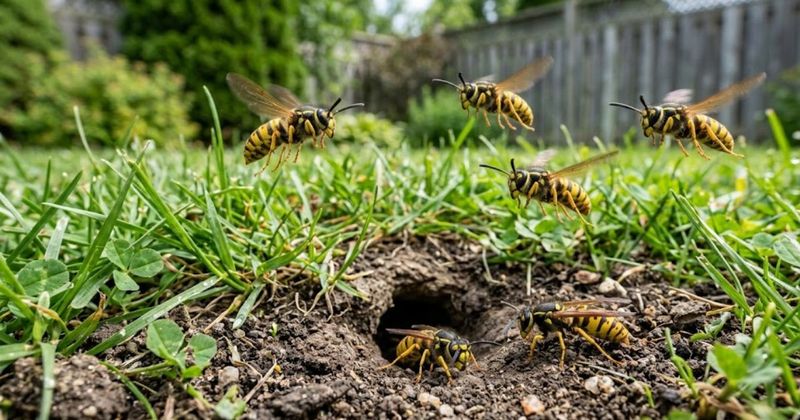
Yellowjackets
© Pestiseed Pest Control

Ask anyone who has tailgated at a Gophers game in October, and they will tell you about the uninvited guest that kept landing on their soda can. Yellowjackets are at their crankiest in late fall.

Their colonies hit peak size in September and October, and food gets scarce fast.

That hunger makes them bold. They swarm fallen apples, open trash cans, and sweet drinks, and they defend underground nests hidden in lawns and leaf piles.

Unlike honeybees, a yellowjacket can sting again and again.

To stay safe, keep drinks covered outside and pick up rotting fruit under trees. Watch for a steady stream of wasps flying in and out of a hole in the ground before you mow or rake.

A hard frost usually ends the colony, leaving only new queens to sleep through winter.

2. Bald-Faced Hornets
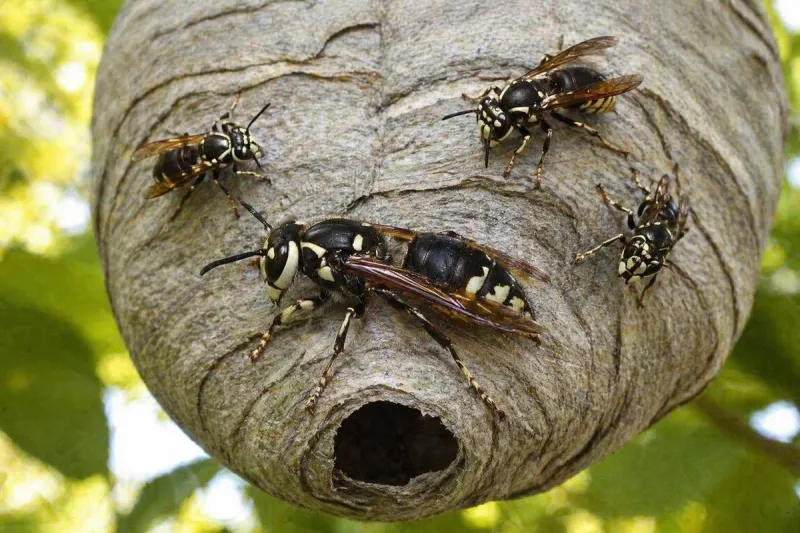
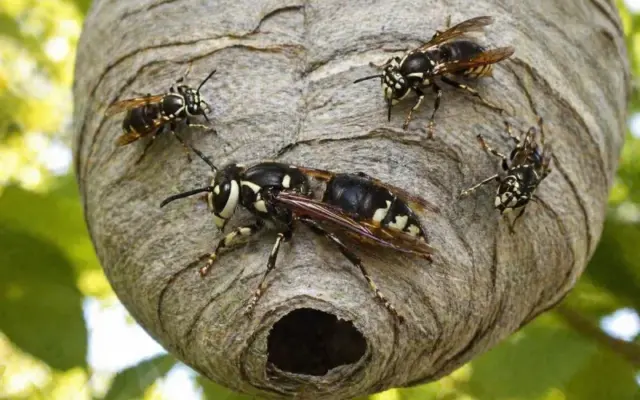
Bald-Faced Hornets
© Pest Me Off

Here is a fun fact: the bald-faced hornet is not actually a true hornet. It is a type of yellowjacket wearing a black-and-white tuxedo.

Still, the name fits its attitude.

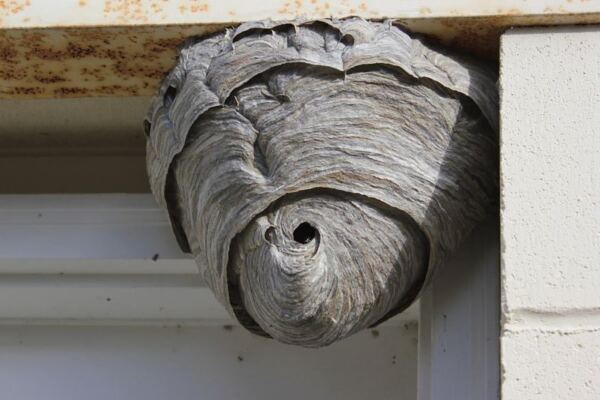
All summer, these insects build football-sized paper nests high in trees and shrubs. Most homeowners never notice them until the leaves fall and a giant gray ball suddenly appears over the driveway.

Down in the rocky bluffs along the Mississippi, in places like Winona and Houston counties, lives one of the state’s rarest residents.

By then, the colony is near its end, but workers will still defend it fiercely on warm days.

Leave old nests alone until after several hard freezes. Once winter settles in, the nest is empty and safe to knock down, and hornets will not reuse it next year.

3. Northern Black Widow
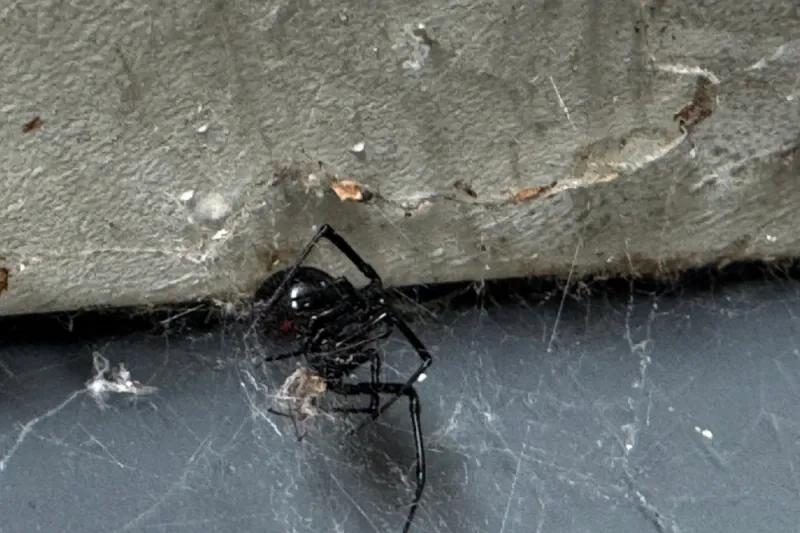
Northern Black Widow
© Insectio

Shiny, black, and marked with red, the northern black widow looks like it belongs in a horror movie. It does live in Minnesota, mostly in the southern and eastern parts of the state.

Sightings are uncommon, but they happen.

Late fall sends people out to stack firewood, clean sheds, and pull up old garden boards. Those are exactly the dark, dry places widows love.

Females usually bite only when pressed against skin, like when you grab a log without gloves.

A bite can cause muscle cramps, sweating, and stomach pain. Bites are rarely deadly for healthy adults, but kids and older folks should see a doctor right away.

Wearing work gloves is the simplest fix.

4. Yellow Sac Spider
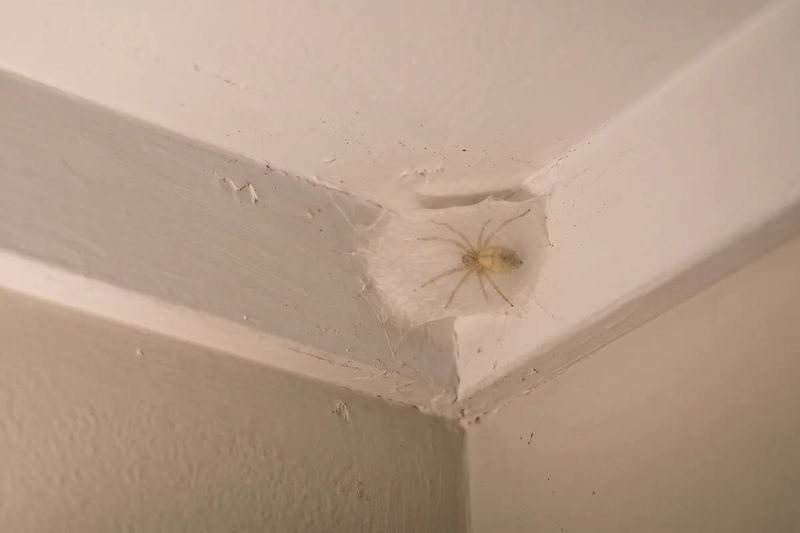
Yellow Sac Spider
© Bug Identifier

Woke up with a small red bump and no idea where it came from? A yellow sac spider might be the culprit.

These pale, fast little hunters roam at night instead of sitting in webs.

When temperatures drop, they slip indoors through gaps around windows and doors. You may spot one crawling up a wall or ceiling, often near the corners of rooms.

They hide by day in tiny silk pouches, which gives them their name.

Their bite stings and can turn red and itchy for a few days. Sealing cracks, shaking out clothes left on the floor, and keeping beds away from walls cuts down on run-ins.

5. Timber Rattlesnake
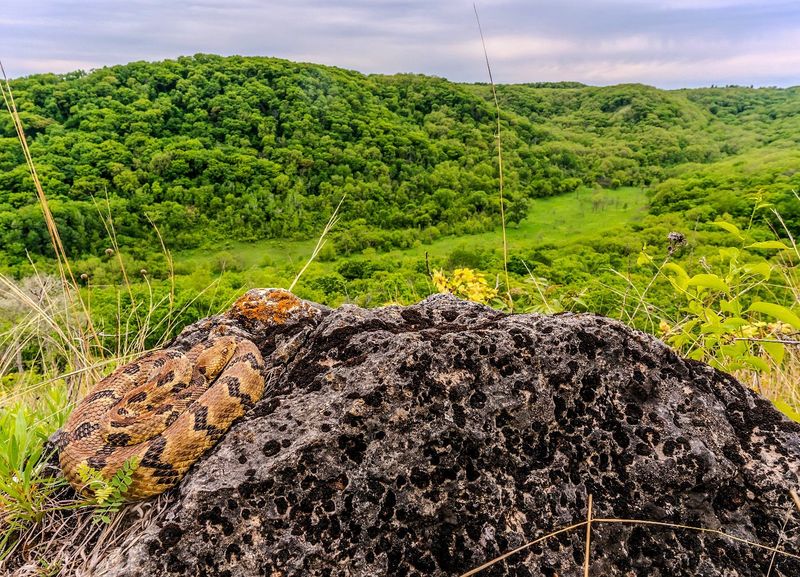
Timber Rattlesnake
© hawksexotics

Down in the rocky bluffs along the Mississippi, in places like Winona and Houston counties, lives one of the state’s rarest residents. The timber rattlesnake is a threatened species in Minnesota, and most people will never see one.

Fall is when they gather. As October cools things off, rattlesnakes travel back to rocky dens to spend the winter together.

Homes built near bluff country sometimes see snakes crossing yards or warming up on sunny rocks and driveways.

They are shy and usually rattle long before striking. If you hear that buzz, back away slowly and give the snake room.

Killing them is illegal and unnecessary, since they mostly want to be left alone.

6. Eastern Massasauga
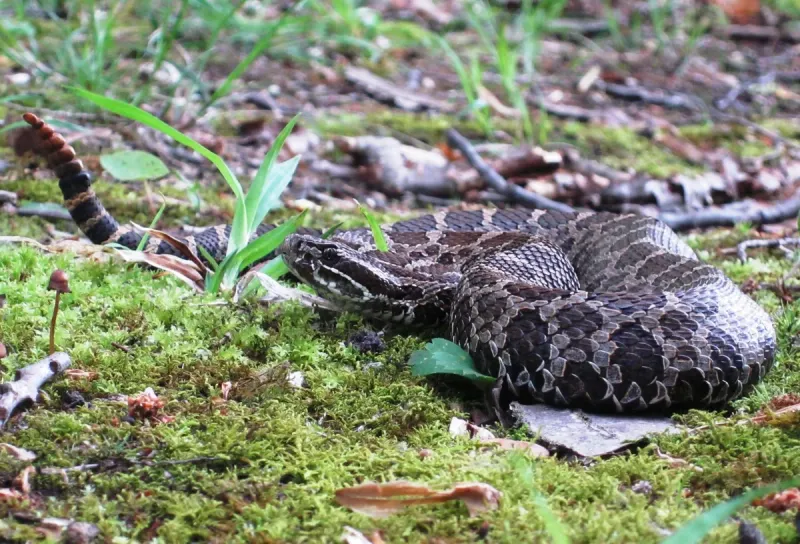
Eastern Massasauga
© BBC Wildlife Magazine

Few Minnesotans have ever heard of it, and even fewer have spotted one. The eastern massasauga is a small, swamp-loving rattlesnake that once lived along river bottoms in the far southeast corner of the state.

It is endangered here and may be nearly gone.

Why mention it at all? Because in late fall, any snake seen basking near wetlands in that region gets people talking.

Massasaugas head into crayfish burrows and wet ground to hibernate as temperatures fall.

If you think you saw one, snap a photo from a safe distance and report it to the Minnesota DNR. Scientists would love to know.

Most look-alikes turn out to be harmless fox snakes or hognose snakes.

7. Stinging Caterpillars
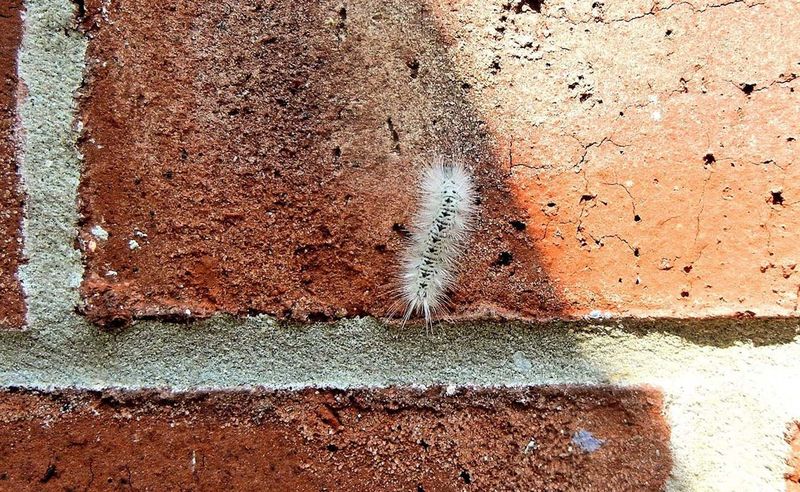
Stinging Caterpillars
© Farm and Dairy

Kids love picking up fuzzy caterpillars, and that is exactly the problem. Some of the cute, hairy ones crawling across sidewalks in fall carry irritating hairs or spines.

The white-and-black hickory tussock moth caterpillar is a common one. Its hairs can cause an itchy rash, like a mild nettle sting.

In September and October, these caterpillars leave trees to find a place to spin cocoons, so they suddenly seem to be everywhere.

Teach children to look but not touch. If someone does handle one, press tape against the skin to lift away tiny hairs, then wash with soap and water.

Most rashes fade in a day or two.

Share this story
IO

Written by

Ingrid Olson

More from Ingrid Olson →

About Gardening Latest

Gardening Latest provides in-depth guides to maintaining and enhancing your garden and backyard. Learn how to make the most of the space you have and create a beautiful garden.

More about us →

Latest stories

  • Missouri GardeningIf Your Missouri Woodpile Sits Against the House, You’re Inviting Brown Recluses Indoors This Winter

    If Your Missouri Woodpile Sits Against the House, You’re Inviting Brown Recluses Indoors This Winter

    4 min ago
  • Tennessee GardeningBefore You Dig In, Here’s How To Recognize Every Venomous Creature Sharing Your Tennessee Yard

    Before You Dig In, Here’s How To Recognize Every Venomous Creature Sharing Your Tennessee Yard

    10 min ago
  • Alabama GardeningThat Burning Saddleback Caterpillar Sting in Your Alabama Garden Calls for These Steps Right Away

    That Burning Saddleback Caterpillar Sting in Your Alabama Garden Calls for These Steps Right Away

    16 min ago
  • Minnesota GardeningBefore You Pick Up That Big Black Caterpillar With White Spots In Minnesota, Read This

    Before You Pick Up That Big Black Caterpillar With White Spots In Minnesota, Read This

    22 min ago
  • Illinois GardeningDeer Are Rubbing Their Antlers on Your Illinois Saplings Right Now, and Here’s How to Save Them

    Deer Are Rubbing Their Antlers on Your Illinois Saplings Right Now, and Here’s How to Save Them

    28 min ago

Gardening by state

Stories for your state, and the hardiness zone most of it gardens in.

Keep exploring

Read next

All Minnesota Gardening →
Minnesota GardeningBefore You Pick Up That Big Black Caterpillar With White Spots In Minnesota, Read This
Minnesota Gardening

Before You Pick Up That Big Black Caterpillar With White Spots In Minnesota, Read This

22 min ago
Minnesota GardeningFound Yellow Jackets Nesting Around Your Minnesota Yard? Here’s The Safest Way To Handle It
Minnesota Gardening

Found Yellow Jackets Nesting Around Your Minnesota Yard? Here’s The Safest Way To Handle It

2 hr ago
Minnesota GardeningMinnesota Law Lets You Trim the Part of a Neighbor’s Tree Hanging Over Your Yard, Not an Inch Past the Line
Minnesota Gardening

Minnesota Law Lets You Trim the Part of a Neighbor’s Tree Hanging Over Your Yard, Not an Inch Past the Line

6 hr ago

More from Minnesota Gardening

  • Coyote Howls Outside Your Minnesota Home at Night Reveal More, and Less, Than You’d Think

    Nov 27
  • Minnesota Law Lets You Cut Back Your Neighbor’s Vines Over The Fence, Up To A Point

    Nov 26
Back to top

Leave a response Cancel

Your email address stays private. Required fields are marked with an asterisk.

Gardening Latest

In-depth guides to maintaining and enhancing your garden and backyard: how to make the most of the space you have, and how to make it beautiful.

  • Facebook
  • X
  • Pinterest
  • YouTube

We may earn a portion of sales from products or services that are purchased through our site as part of our affiliate partnerships with retailers.

Explore

  • About GardeningLatest.com
  • Contact Us
  • Terms and Conditions
  • Privacy
  • Editorial Note:
  • FTC Disclosure

Newsletter

New garden guides and seasonal tips, straight to your inbox.

We’ll email you a link to confirm. Unsubscribe any time.

Almost there! Check your inbox and tap the link to confirm.

© 2026 Gardening Latest. All rights reserved.

Back to top