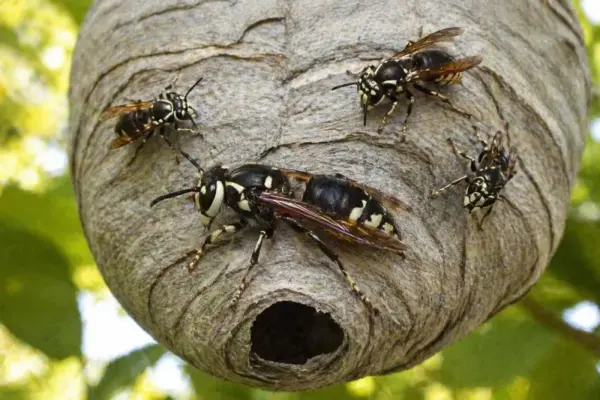
The safest way to handle yellowjackets in your Minnesota yard starts with a simple question: does the nest actually need to be dealt with? Some nests can be left alone, while others near doors and walkways may need control, and some should only be handled by a professional.
Knowing the difference can save you from stings and from risky shortcuts. Here is how to sort out what you are seeing and choose a careful next step.
Yellowjackets at a picnic may be foragers, not nest neighbors
Seeing a few yellowjackets buzzing around your burger or a pile of fallen apples feels like a warning sign. Often it is just workers scavenging for food.
University of Minnesota Extension fall pest guidance notes that wasps around food or fallen fruit do not prove a nest is close by.
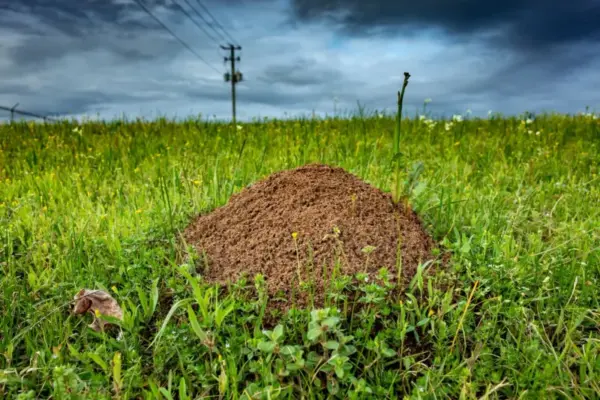
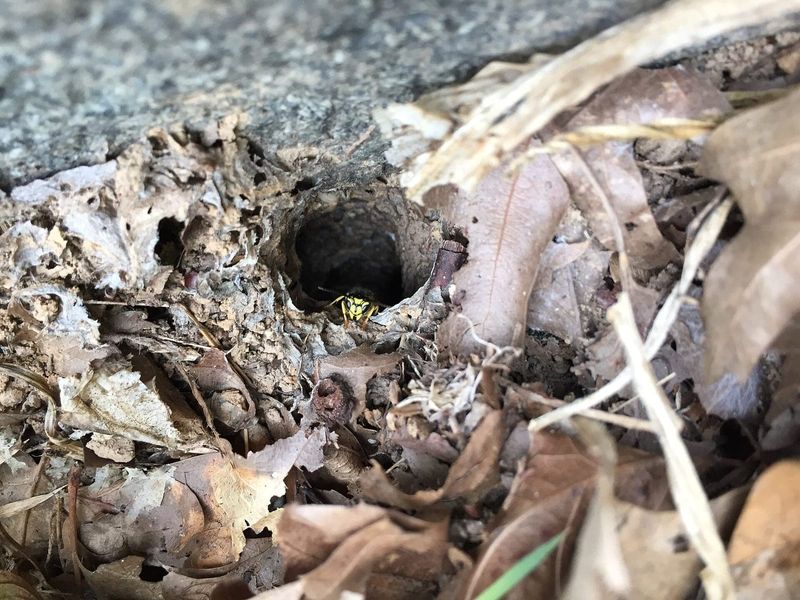
Where do the nests hide? Yellowjackets commonly nest underground, often in old rodent burrows.
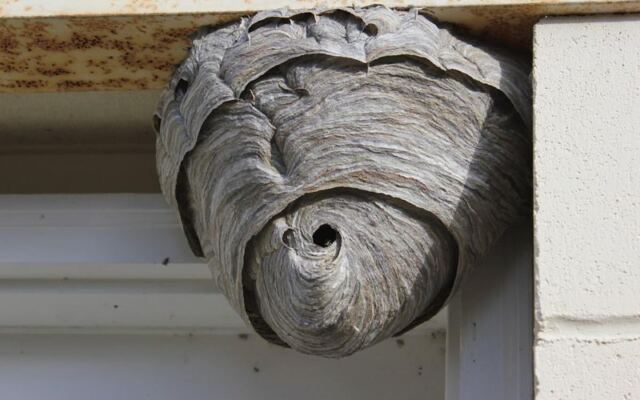
They can also use cavities in logs, landscape timbers, and buildings, according to Extension’s wasps and bees page. A late-summer nest can hold thousands of wasps, so it pays to be careful.
Please do not walk up to a suspected nest or poke at the area to see what flies out. Disturbing insects to find a nest is a good way to get stung.
Watching from a distance at a calm moment is far safer than testing the spot.
It also helps to know who you are dealing with. Yellowjackets, paper wasps, hornets, honey bees, and bumble bees are not interchangeable, and each behaves differently.
A University of Minnesota yellowjacket identification page can help you check. Getting the insect right keeps you from harming bees or treating the wrong problem.
Does the nest need to go?
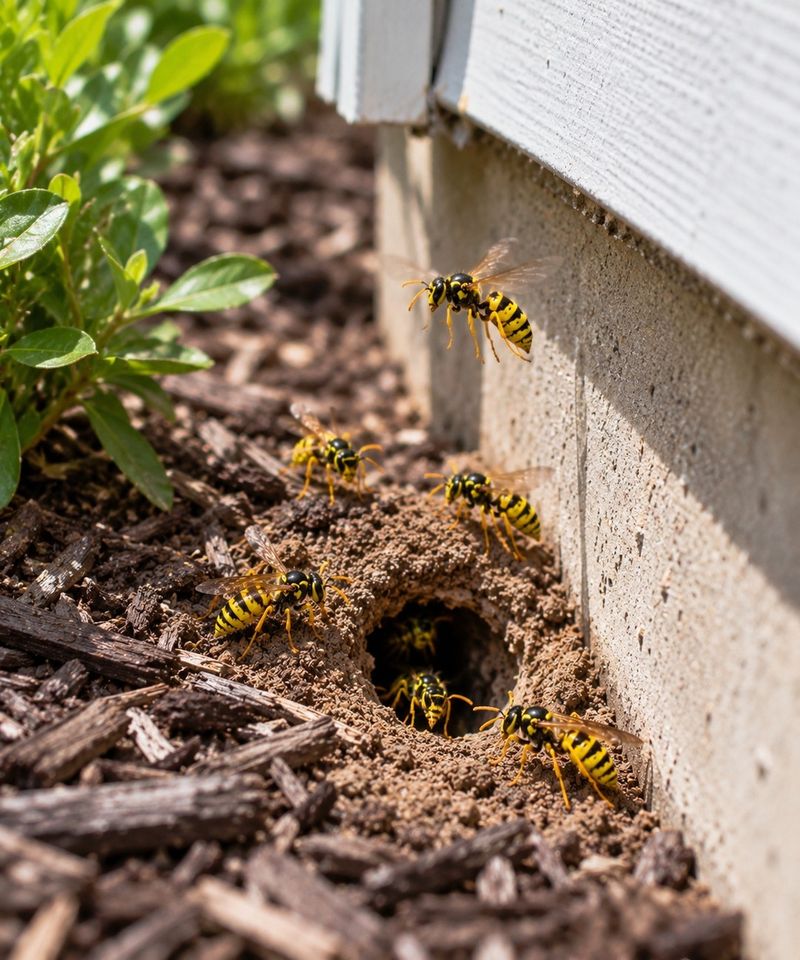
Location is the deciding factor. A nest tucked far from where people walk, play, or mow can often be left alone.
Extension says an out-of-the-way nest may be ignored, while one near a walkway, doorway, or other busy spot may warrant control, based on University of Minnesota Extension.
Leaving a nest has a real upside. Social wasps hunt insects and spiders, including some garden pests, so a quiet colony in the back corner of a lot is doing some work for you.
Think about who passes by each day, including kids, pets, and anyone mowing.
Timing also works in your favor. Yellowjacket nests are seasonal, and a vacant nest is not reused the following year.
Once cold weather ends the colony, the old nest can simply be left or cleared.
That does not mean the problem is gone for good. According to Extension’s yellowjacket page, queens can overwinter in protected sites, so new nests may start in spring.
Checking the yard in warm months can help you catch a poorly placed one early.
Reduce what draws scavenging yellowjackets to the yard
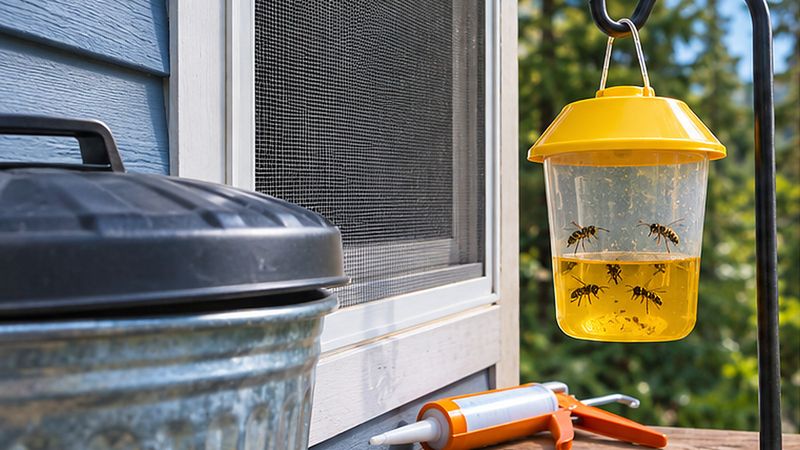
Food is what pulls foragers to your patio. Put away food and drinks promptly, and keep garbage in tightly lidded containers.
Extension also recommends removing fallen or overripe fruit from the ground, as described in its fall yard and garden pests guidance.
Small habits add up. Cover drinks, since wasps can crawl into cans and cups.
Rinse sticky containers before they go in the bin, and pick up windfall apples or plums every day or two during late summer.
These steps are about cutting down the buffet, not about getting rid of a nest. Reducing attractants can mean fewer wasps visiting the table, but it will not remove a colony living nearby.
What about traps? They may catch some wasps, but Extension’s wasps and bees page says they are not a reliable way to control a nest or solve scavenging across a yard.
Repellent sprays are no better at keeping scavengers away. Cleaning up food sources is the more dependable move.
Some nests are a job for a pest professional
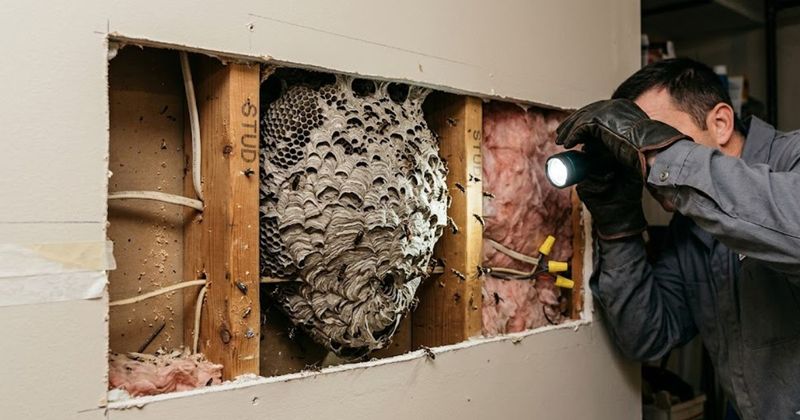
Certain nests are best left to someone with training and equipment. A nest inside a wall or other building void is hidden, and treating it blindly can go wrong quickly.
The same goes for nests in hard-to-reach spots, such as high eaves or tight crawl spaces. University of Minnesota Extension points to professionals for these situations.
Sting risk matters too. If you cannot reach the nest safely, or the number of wasps makes a do-it-yourself attempt feel unwise, hiring help is a sound choice.
Colonies can be large by late summer, and defensive wasps can sting many times.
Until help arrives, keep people and pets away from the nest area. Mark off the spot with a note to family members, and avoid mowing or trimming nearby.
Yellowjackets defend their nests vigorously when disturbed, as Penn State Extension’s eastern yellowjacket page explains.
Anyone with a known serious sting allergy should not attempt nest control at all. Ask someone else to arrange professional treatment, and stay indoors and away from the area while it is handled.
Nighttime treatment reduces risk; it does not remove it
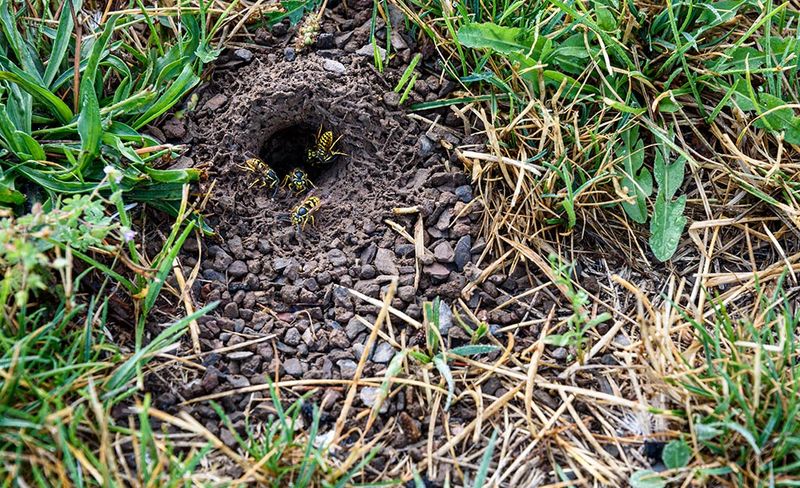
For a ground nest that needs control, University of Minnesota Extension describes placing insecticide dust at the nest entrance at night. It recommends late evening or early morning, when wasps are less active, as explained on its wasps and bees page.
Extension also lists hiring a pest management professional as an alternative.
Treat that timing as a way to lower risk, not erase it. A disturbed colony can still sting, even in the dark, and this method is not suitable for every homeowner.
If the nest is close to where people live, if you are unsure, or if stings would be a serious problem, professional help is the wiser path.
The product matters as much as the hour. Use only a pesticide labeled for the intended target, the site, and the application method you plan to use.
Then follow that specific label.
Labels differ. A sample EPA-registered product label spells out its own timing, distance, protective precautions, and environmental limits.
Those directions belong to that product only, so do not carry them over to another one. Read the label fully before you buy, and again before you start.
Do not seal a wall nest or use fire
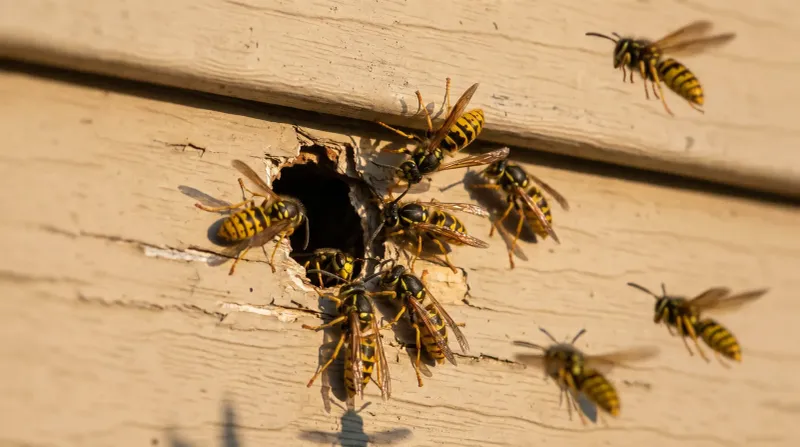
Plugging the hole where wasps enter a wall may seem like a neat fix. It is not.
University of Minnesota Extension warns that sealing the entrance before the colony is controlled can push yellowjackets into the house, where they may emerge through walls, vents, or light fixtures.
Fire and fuel are even worse ideas. Pouring gasoline into a nest or lighting it can start a blaze, harm you, and contaminate soil.
Penn State Extension calls fire a far more dangerous method than using an appropriate insecticide.
Homemade chemical mixes belong on the same list. They are unpredictable, can hurt people and pets, and are not a safe way to remove a nest.
If the nest is hidden in a wall or sits somewhere hard to reach, call a pest professional. They can find the colony and treat it without leaving angry wasps trapped inside your home.
A severe reaction after a sting is an emergency
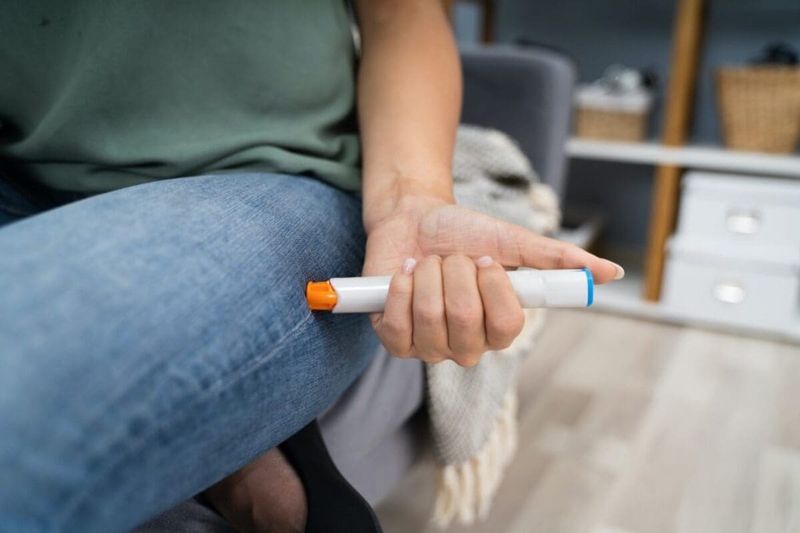
For some people, a single sting can cause a life-threatening allergic reaction. If you or someone in your household has a known severe sting allergy, carry prescribed epinephrine and keep it within reach outdoors.
The American College of Allergy, Asthma and Immunology says that if anaphylaxis symptoms occur, the person should use their epinephrine and call 911, according to ACAAI’s insect sting allergy guidance.
Do not wait to see whether things improve. Ask your allergist about your own emergency plan, and make sure family members know where the medicine is kept.
Choose the least risky response for your yard
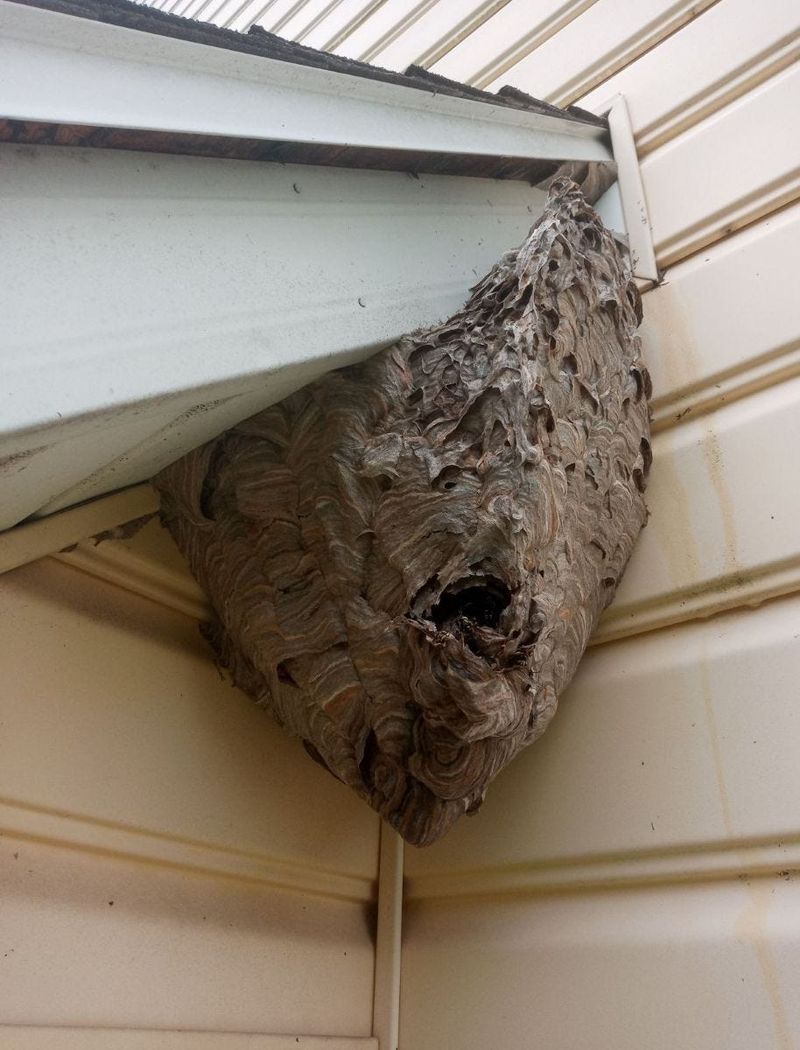
Start by asking whether yellowjacket sightings mean a nest, or just foragers after food. A nest far from daily activity can often stay, as University of Minnesota Extension notes.
If the location or sting risk makes treating it yourself a poor idea, call a professional.
The calmest yard is often the one where you changed the habits, not the wasps’ home.
Share this story